The Scenic Beauty of the Tumen River Awakens, Comparable to Vast Landscapes: Tranquility Embracing Passion, Purity Displaying Grandeur

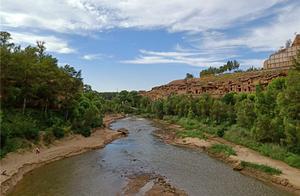
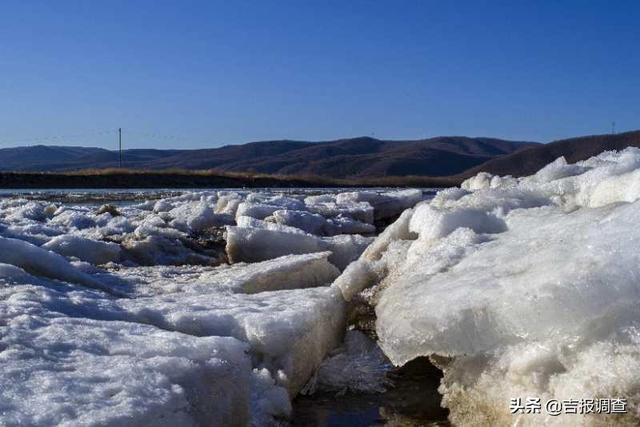
On March 24th, with the footsteps of spring, the Tumen River has begun to awaken. Photography enthusiasts in Hunchun captured the tranquil and turbulent rush of the Tumen River after ice melting, flocks of waterfowl and various water birds on the river surface, a spectacular scene.
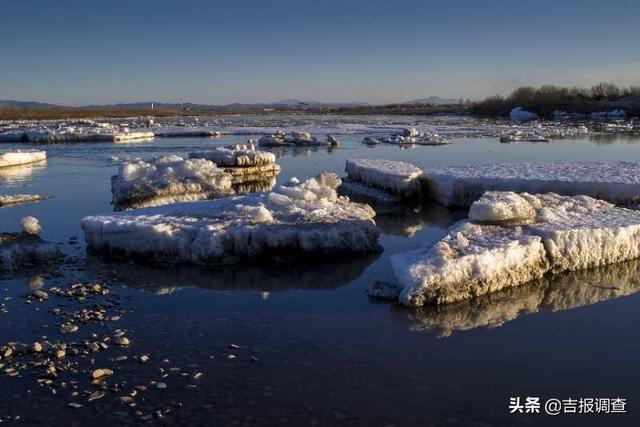
Within Hunchun City, the Tumen River stretches from the entry point of Liangshui Qingqu Village to the exit point of Fangchuan 'Tu' character sign. The length within the city is 164.7 kilometers, flowing through 6 townships and 24 villages across Liangshui, Mi, Yingan, Simaizi, Bangshi, Jingxin Town, and an area of 5356.8 square kilometers. After the Tumen River flows into Hunchun, it is successively fed by tributaries such as the, Stone River,, Daizhu River, and Qiuan River.
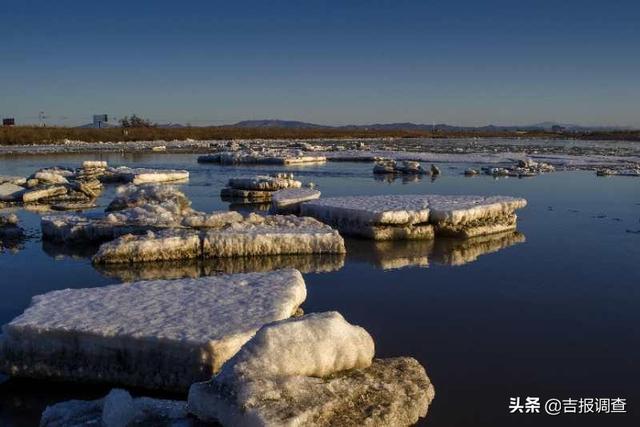
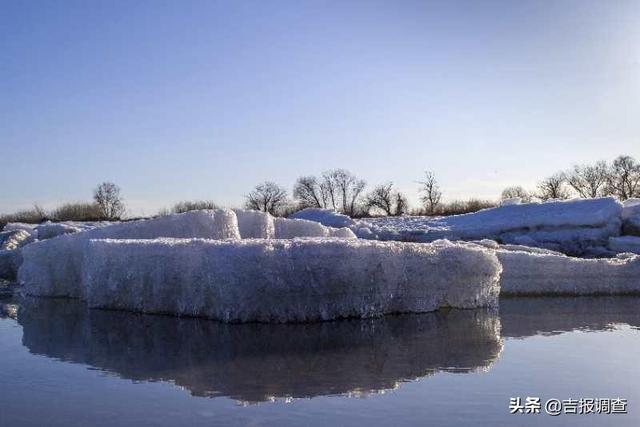
The Tumen River is an Asian Northeast River, originating from the eastern foothills of Mount Changbai on the Sino-Korean border. The river flows from south to north through the cities of China's Linshui, Longjing, Tumu, and Hunchun, as well as the two Jiangdao of Korea, the Northern Province of Janggim, and the Khasan District of Russia's Far Eastern Border Region, finally injecting into the Sea of Japan. The main stream is 525 kilometers long, the Sino-Korean border section is 510 kilometers long, and the Sino-Russian border section is 15 kilometers. The total basin area is 33168 square kilometers. The river channel has a total drop of 1297 meters, with an average slope of 1.2‰.
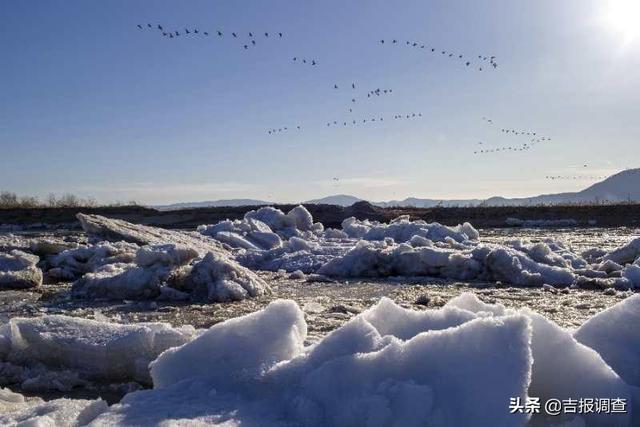
The Tumen River is a Chinese inland river. Before the 15th century, the banks of the Tumen River were ruled by the female tribe of the Nvzhen people in China. After the Ming Dynasty established itself, through appeasement of the Nvzhen tribe, local administrative institutions were set up along the Tumen River. The southern bank of the Tumen River was once a territory of the Ming Dynasty. Li, through killing and driving out the female tribe, constantly expanding its territory to the north, setting up six towns of Heining, Funing, Zhongcheng, Wencheng, Qingyuan, and Qingxing in the mid-late 15th century along the south bank of the Tumen River, marking the beginning of the Tumen River as a border river between China and Korea.
Jilin Daily Press Production
Planning: Jiang Zhongxiao
Author: Photo/ Liu Longxi Text / Bu Lilihong
Editor: Ma He