Think Strategically When Playing Table Tennis: Winning with Intelligence
Table tennis is indeed a fascinating sport, requiring both skill and strategy. Once you get into it, you'll find it's a game of intriguing intelligence and strategic thinking. To add new dimensions to table tennis, focusing on tactical application is where you can continue to develop and improve. Using 'trick' shots and employing clever strategies to outwit your opponent, when you successfully execute an effective tactic and defeat a difficult player, you'll experience a great sense of accomplishment and satisfaction – this is another layer to the game.
Everyone should master and utilize tactics
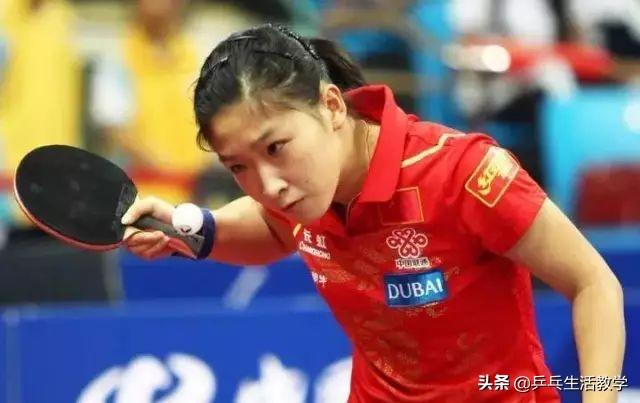
Don't view tactics as something mysterious. Whether you're a beginner or a professional player, as long as the two sides are on roughly the same level, there's a question of tactical application. As long as it's applied properly, it will certainly produce good results.
When both players are in good form, the effectiveness of tactical application will be the deciding factor. It is particularly important to pay attention to tactics for a certain type of player, namely those who rely on rallies rather than outright attacks, because if you don't have strong offensive power and spin, even if you can take the first ball, it's hard to win in a straight set, so you must pay special attention to shot placement, spin, rhythm, and drop point – that is, using tactical balls to win.
The prerequisites and key points for applying tactics are not applicable in all situations. The young players in the small schools only know how to use the techniques they have mastered, but even experienced amateur players find it difficult to beat these young players. This shows that the determining factor in table tennis is the difference in technical skill.
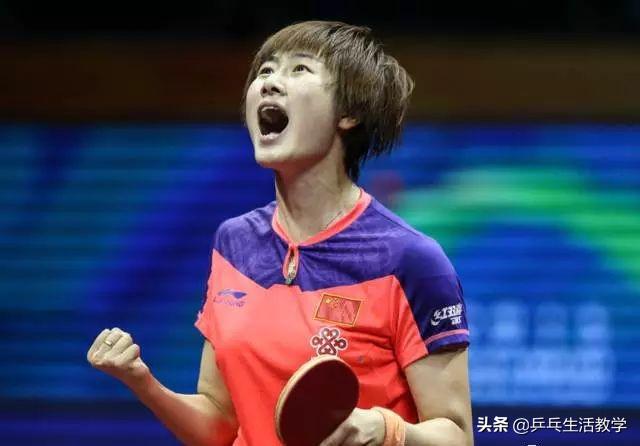
The key points for applying tactics are: '' – use your strengths to exploit the opponent's weaknesses, fully utilize your own strengths and avoid your weaknesses, to gain the initiative. When you attack the opponent's weakness with your strength and cannot win, it means the opponent is superior, you can only admit defeat.
Learning to apply tactics is not blind imitation. Tactical techniques are different for professional players and amateur players. Professional players mainly use defense against pull techniques, and only use fast pulls, blocks, cuts, etc., when forced. Amateur players mostly use blocking, pushing, covering, and scooping. Pulling is a rare skill. You can learn from the tactics used by professionals and others, but the techniques used should be different. Everyone has unique technical characteristics, so the tactics used depend on the techniques you have.
Practice: Use tactics according to your own technical ability and technical characteristics. If you only use a long-handled racket, trying to attack with a missile is unrealistic.
When formulating tactics, pay attention to technical details. Even if you are dealing with the same type of player, they have unique technical characteristics. For example, both are of the arc burst type, but they are different in attacking points. Some are good at pulling diagonal shots, and others are good at pulling straight shots at the forehand position. When implementing suppression or defense tactics, don't send the ball to their preferred attack points, which is equivalent to inviting the enemy to attack.
Applying tactics requires flexibility. No one is a fool. When a weakness is targeted, they will try their best to avoid it. Especially comprehensive players, their weaknesses are not obvious, and they have a large amount of leeway to use various techniques. When a tactic doesn't gain the upper hand in the confrontation, you must quickly change tactical thinking and explore alternative routes, don't stick to one approach.
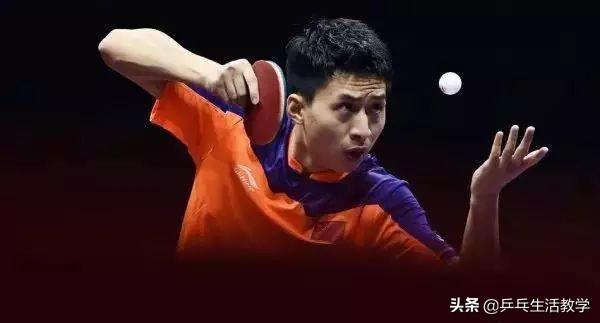
Force the opponent to play in their preferred ball road. Each player has a preferred technique, which is the ball path you mainly use to score.
When implementing tactics, you should force the opponent to play in their preferred ball road. You should focus on the ball paths you want to use to score.
If you play a beautiful opening, it's not a matter of technique. When playing against the opponent, don't focus on winning first, but focus on observing which direction the opponent is most accustomed to playing, forehand or backhand. Attack their weaknesses, but still need a lot of practice, extract experience.
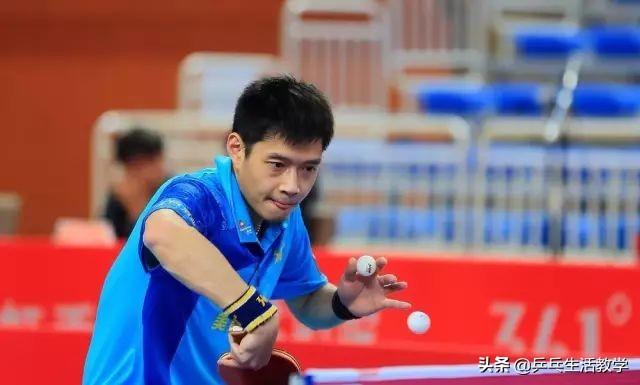
Therefore, table tennis players who play well are definitely intelligent.
2