Proper Footwork Will Help You Anticipate Faster
Footwork training allows us to quickly reach the strike point, but how to better move to link with the next shot? The opponent's ball line will not follow your 'M' character step, will not push the ball to your most fluent line, so how to move to both save time and effort?
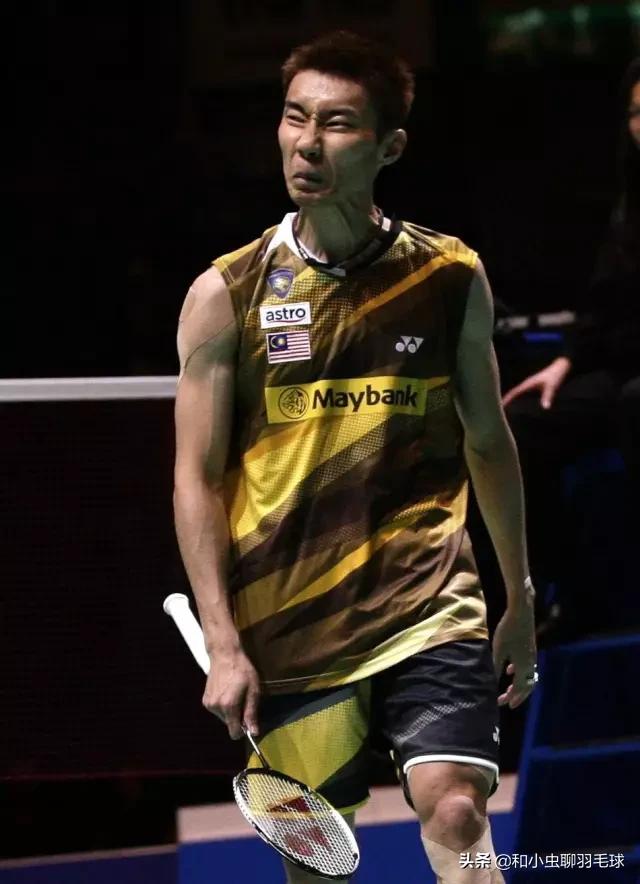
Learning to go out (to the strike point quickly) and then to come back (to the approximate landing point of the next shot the opponent wants to return), will make the shot-to-shot connection faster.
Coming back here means moving, that is, after hitting one shot, return to the approximate landing point of the next shot the opponent might return to, not blindly mid-shot.
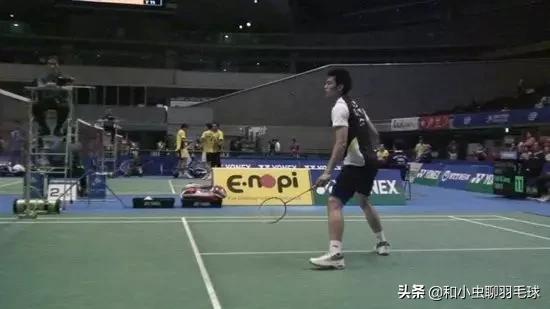
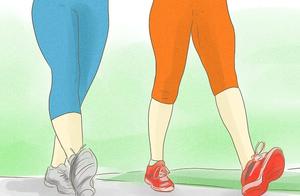
Which position is more beneficial for the next shot to connect, this stance facilitates the quick arrival at the landing point, while also saving more physical strength. How much to move, how fast, should be adjusted according to your actual needs, so moving is a combination of habit and experience plus prediction.
Many ball friends blindly mid-shot after hitting one ball, which doesn't integrate 'theoretical connection with practice', often leads to poor continuity, which slows down and easily falls into a passive situation.
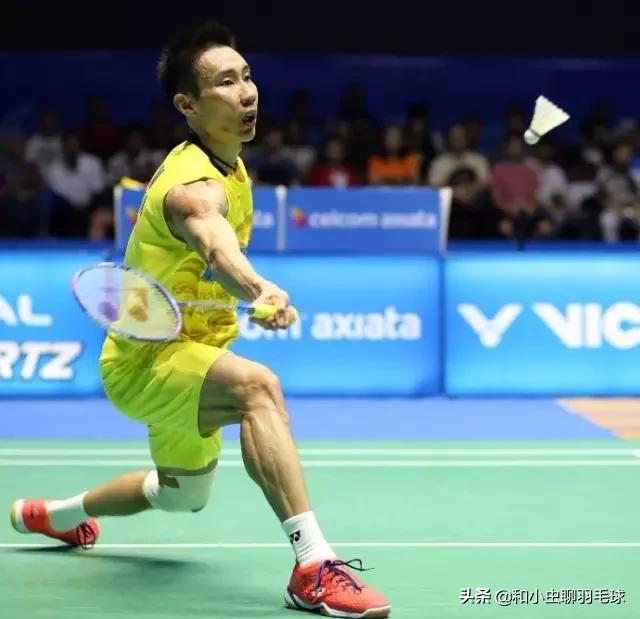
If you rely on mid-shot thinking, combined with the actual return ball landing point, then move, this often can be faster to arrive at the landing point.
To reduce the time ball friends spend exploring how to move more reasonably, below summarizes some practical moving experience that can help you improve your moving habit in a short time.
Net front
After playing on the net, rely on the right foot's footwork movement, the distance of the movement should be determined by the effect of the returned ball. If it's a high-bounce ball, mid-shot;
If it's a backspin return to the net front quality is good, then move a small step, can also prevent the opponent from playing a cross-court ball, and can have enough time to run to the backcourt to play the opponent's high-bounce ball.
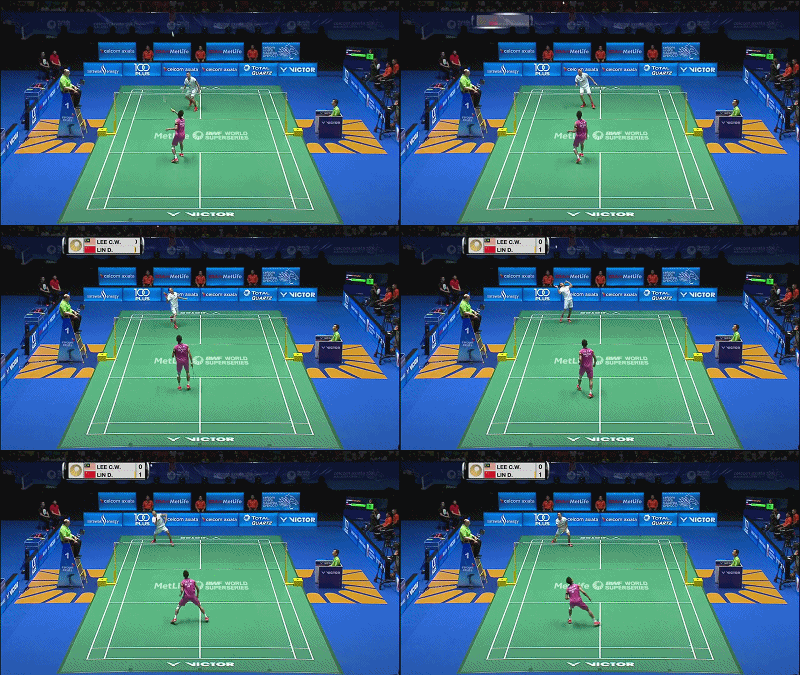
After high-bounce ball is played, immediately take a small step back to mid-court, because the ball the opponent cannot attack, so the center of gravity should not be too low, and you must be ready to play on the net or retreat.
After backcourt ball is played, the body center of gravity naturally presses to the right foot, which facilitates the use of the impact momentum to move more quickly to mid-shot. High-bounce ball after the shot movement is slightly different, see the following demonstration.
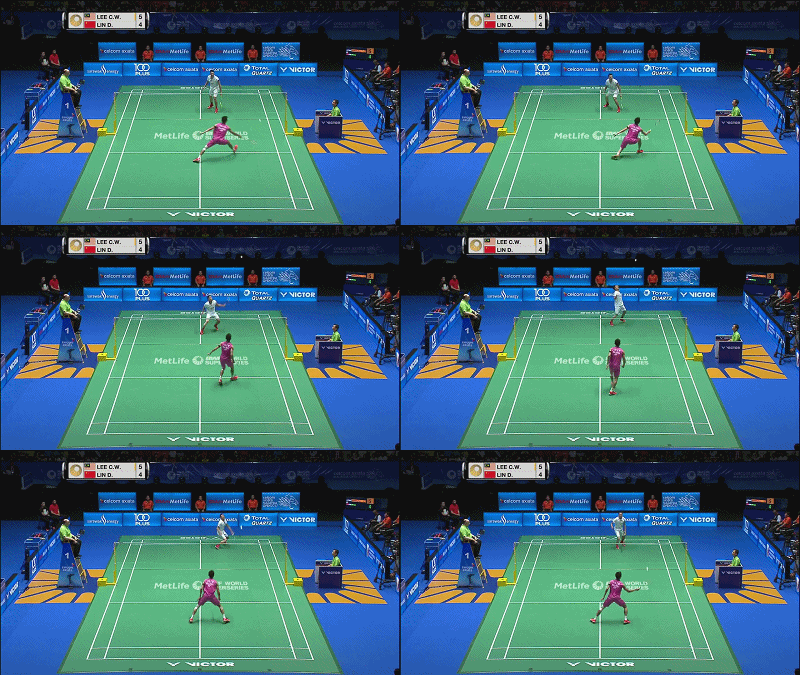
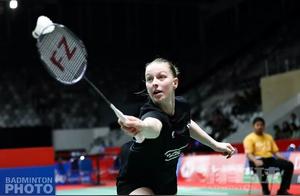
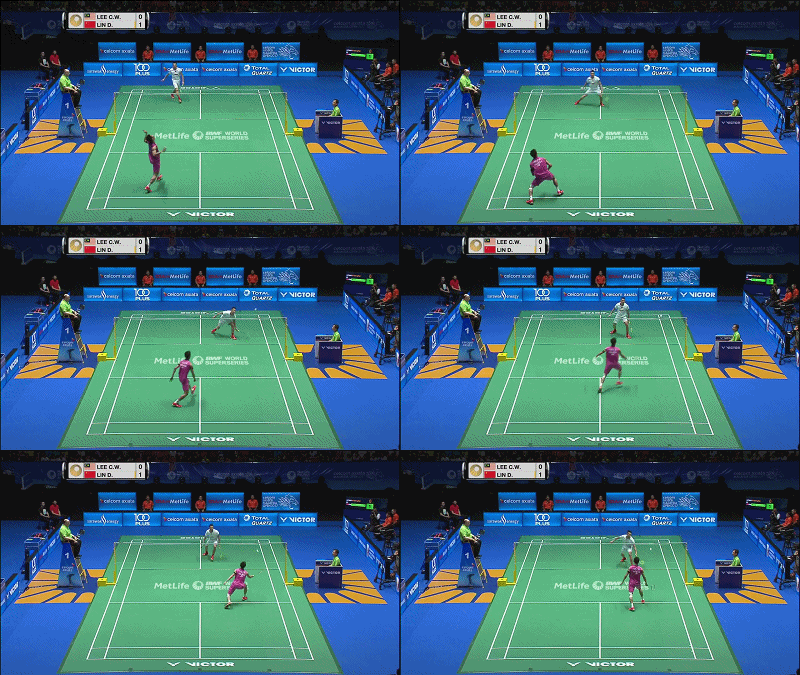
1When playing high-angle shots, you must mid-shot, because the opponent's next shot is likely to be an attack, mid-shot defense, straight shot attack.
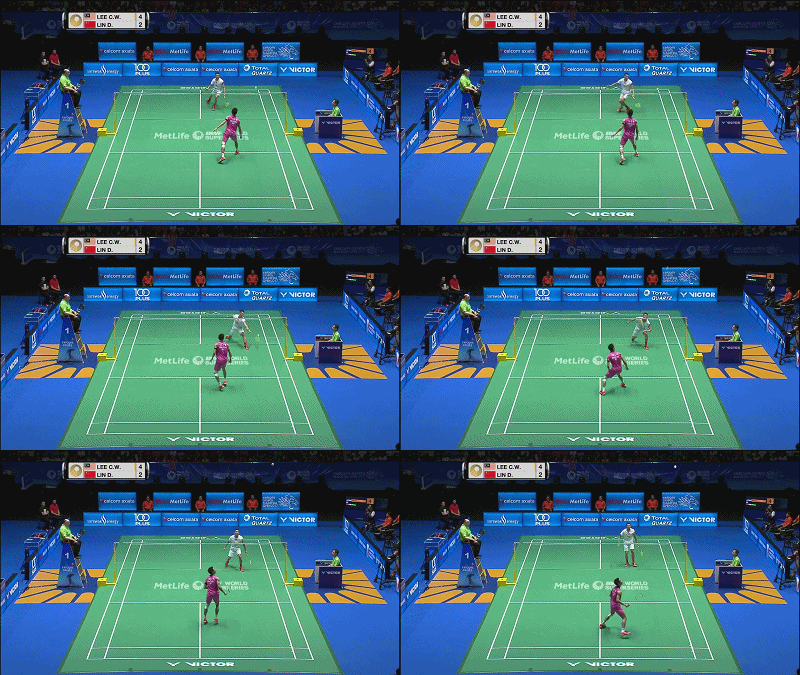
After playing a straight shot on the right hand, mid-shot to prepare for the next shot.
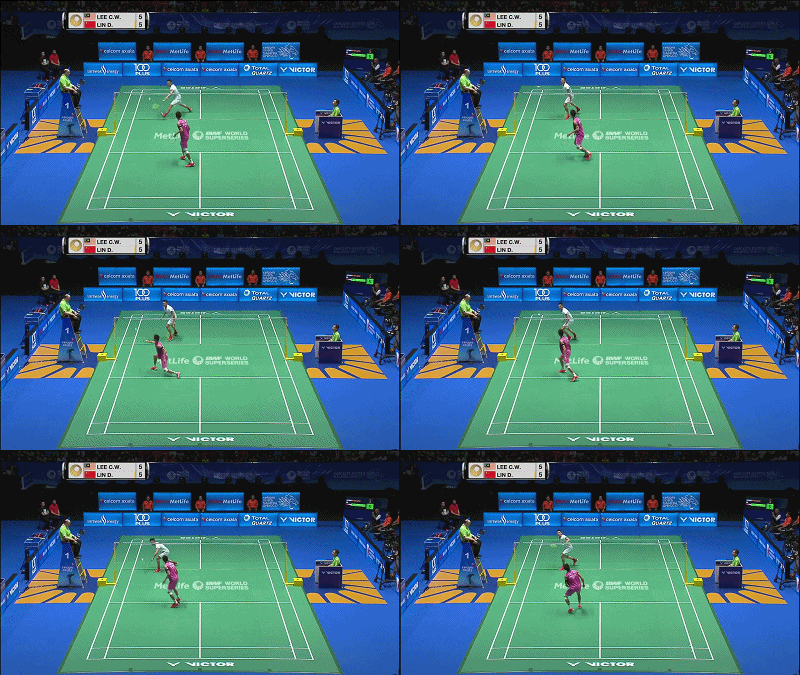
When the opponent is fully prepared, you should mid-shot to defend against the opponent's kill shot.
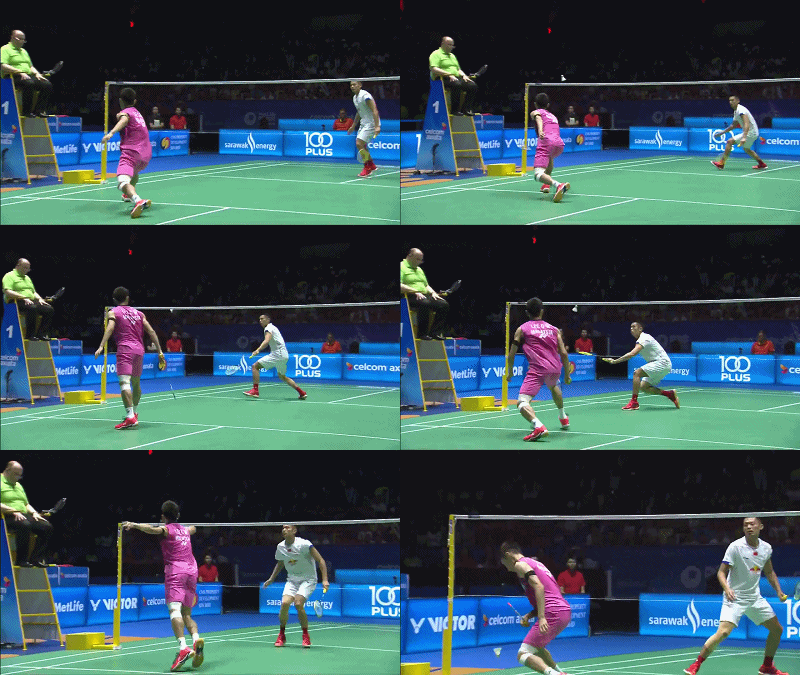
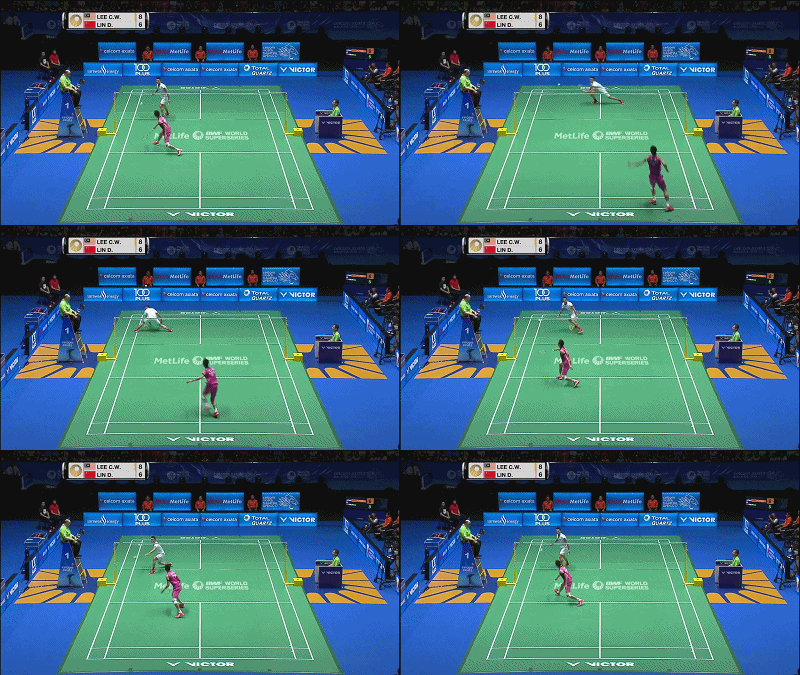
When the opponent is not prepared, the opponent suddenly plays backcourt, generally goes to mid-court to prepare for the next shot. For amateur ball friends, backcourt is passively played, most play to the net front or mid-court, so in mid-court waiting is fine.
After playing backcourt ball, the center of gravity naturally presses to the right foot, which facilitates the use of the impact momentum to move more quickly to mid-shot. High-bounce ball after the shot movement is slightly different, see the following demonstration.
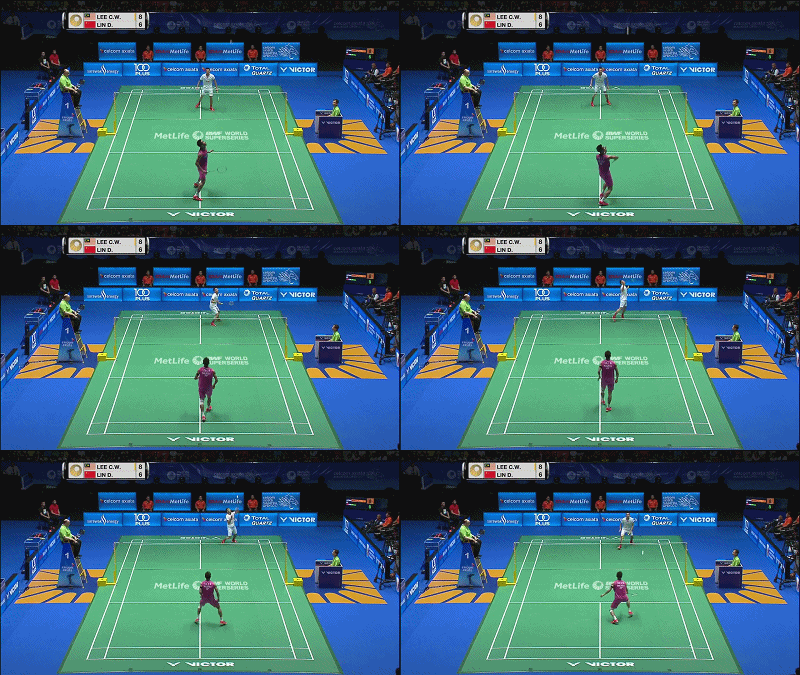
1When playing high-angle shots, you must mid-shot, because the opponent's next shot is likely to be an attack, mid-shot defense, straight shot attack.
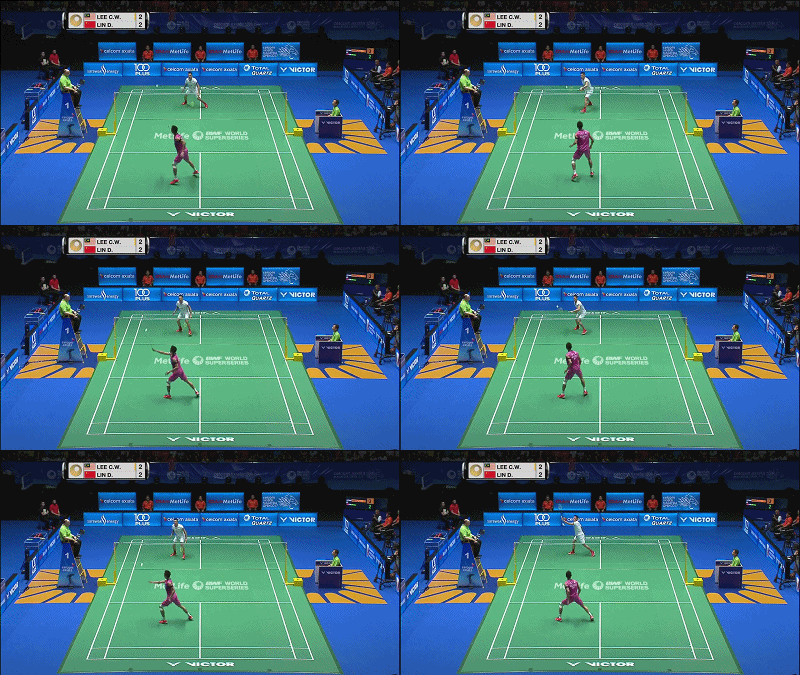
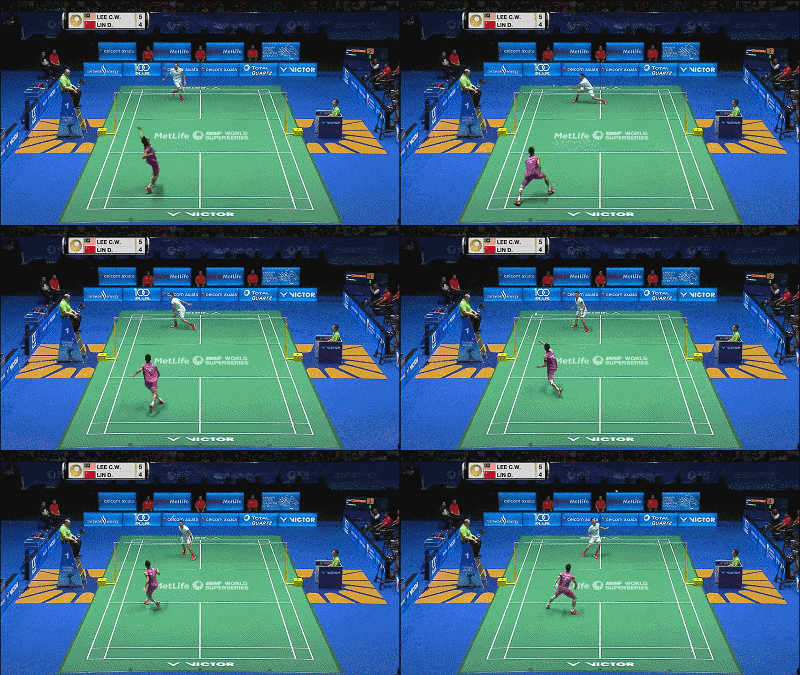
2When playing cross-court balls, pause after hitting the ball, don't rush to the net front when you see the opponent playing back, otherwise it's easy to be played back by the opponent.
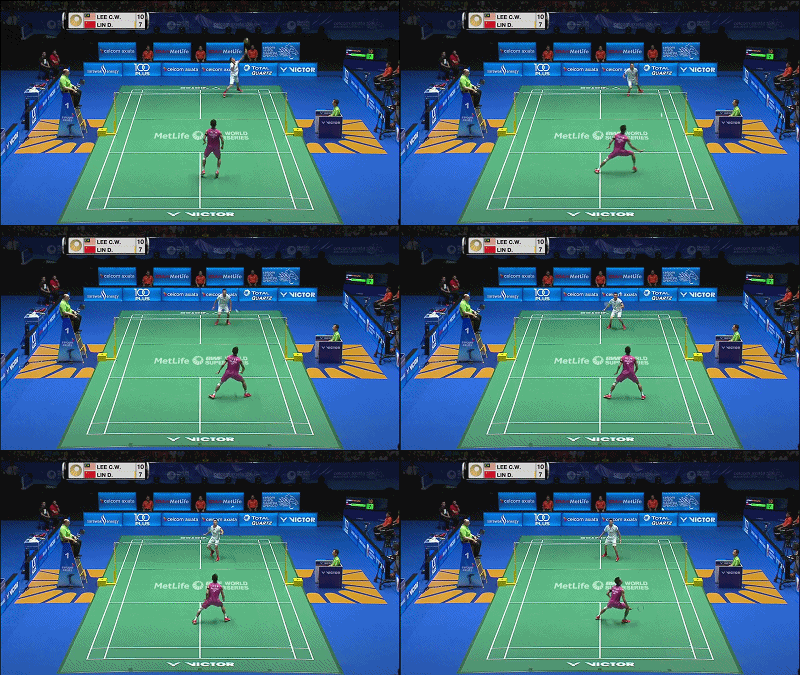
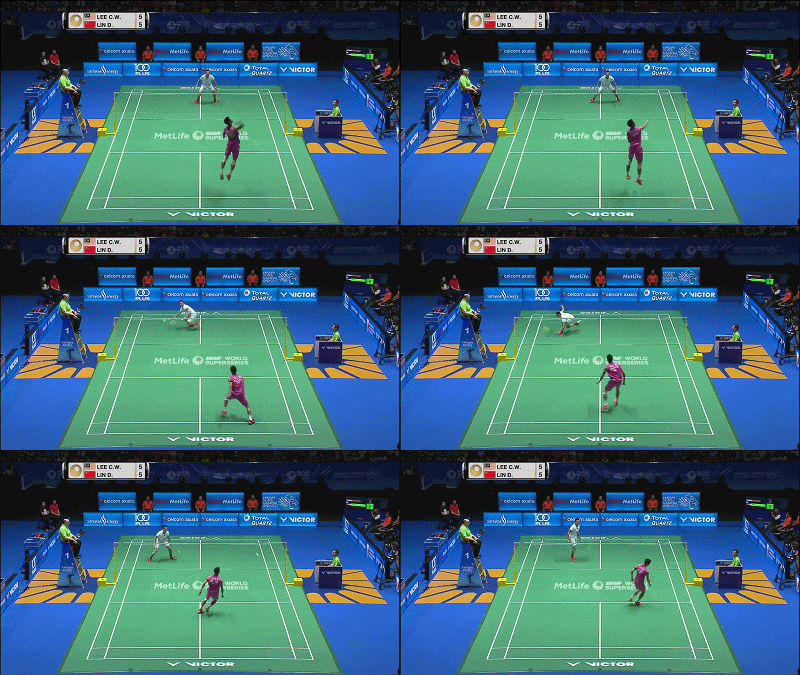
3When playing kill shots, high quality shots should quickly play on the net, general quality shots can just mid-shot.
1
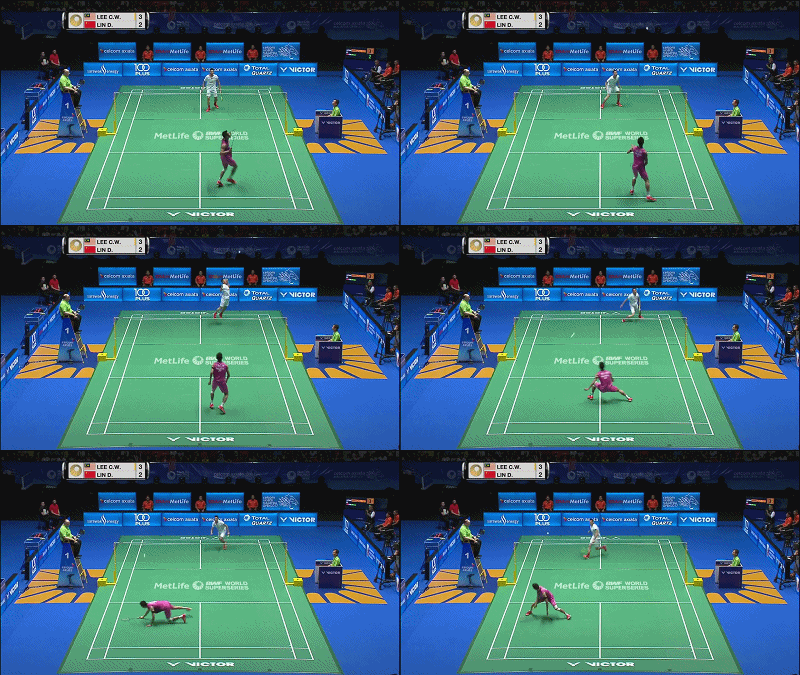
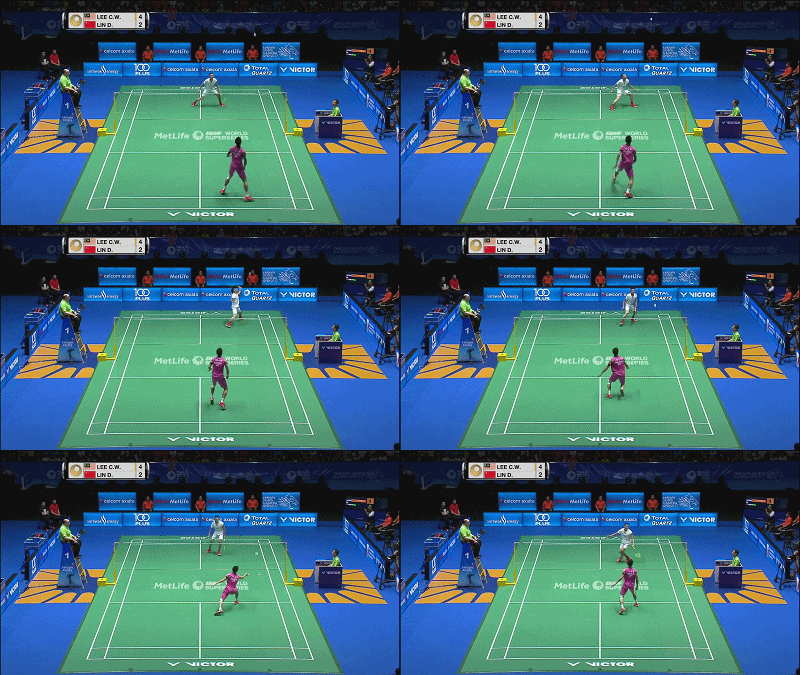
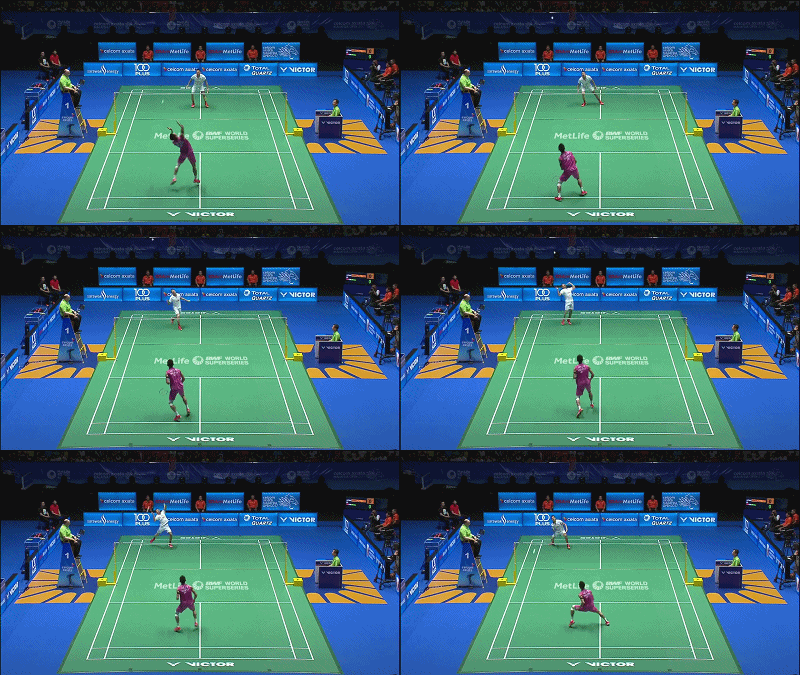
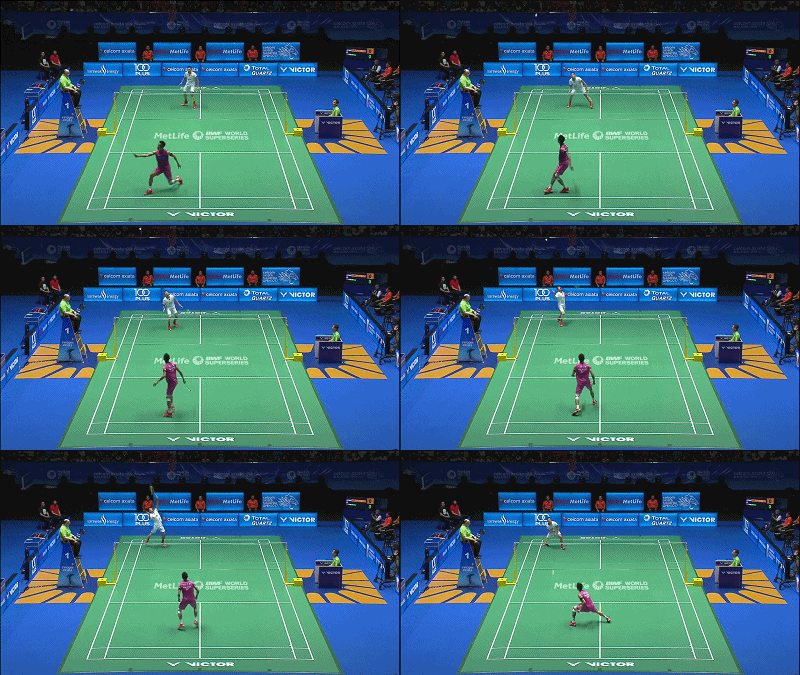
2
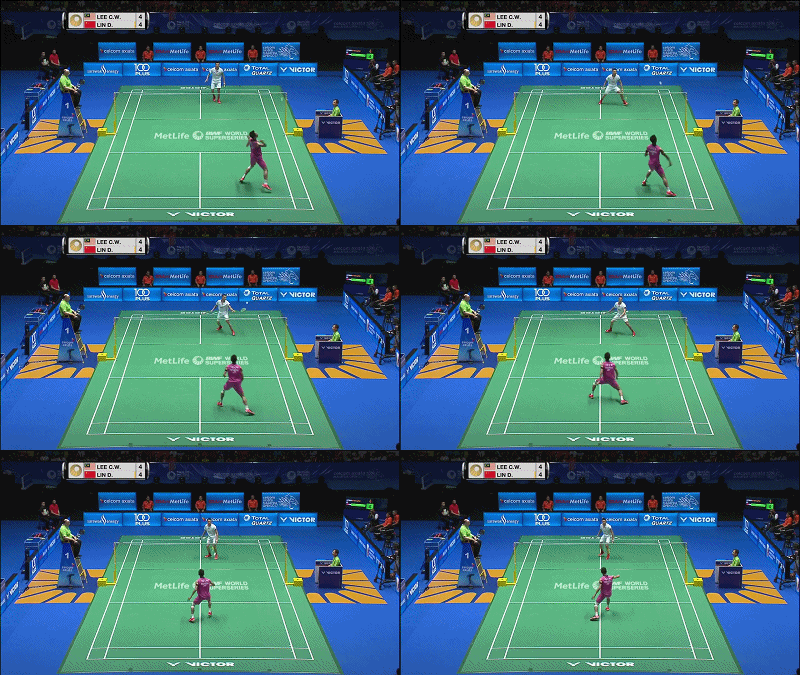
3
→→