Find the Reasons Within Yourself

When encountering problems, what is our first reaction?
Is it to shift the blame to the environment and others, or do we first think about our own reasons?
Buddha in the 'Four' warned: 'Man has many faults, and does not reflect on them, ceases his heart, and crimes come to his body, like water returning to the sea, gradually becoming deep and wide.'
When things are not successful, encountering setbacks and difficulties, or relationships with people are not good, do not blame heaven or regret, but reflect on oneself, all reasons should be found on oneself.
It is the most taboo for people to not find the reasons from themselves.
01CY story
Be proactive in reflecting on yourself, rather than blaming others.
With people, it is the most taboo to treat people with discerning hearts, but not to find the reasons from oneself.
Previously, I read a funny story about a man who recently discovered that his wife's ears were becoming increasingly deaf, and she often didn't respond when asked several times. So he went to the doctor and asked, 'What should I do?'
The doctor told him, 'You can try asking several times, such as standing far away to ask questions first, then standing closer to ask questions, and finally asking from behind her.'
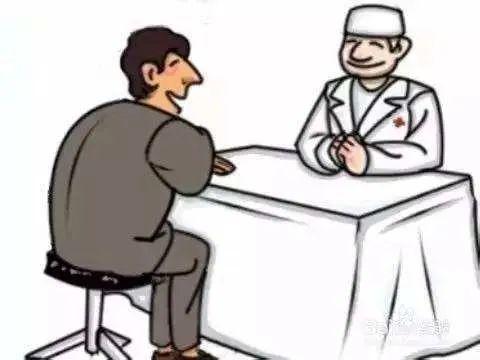
The man returned home and asked, 'Dear, what should we eat tonight?' without receiving a response.
The man took a few steps forward and asked again, 'Dear, what should we eat tonight?' still without a response.
The man was disappointed and walked to his wife's back and asked again, 'Dear, what should we eat tonight?'
At that time, he heard his wife say, 'Let's eat fish! I've already answered you three times.'
Everyone will inevitably laugh at the man when reading this passage.
But in everyday life, don't we do the same silly things—
When we have a conflict with someone, our first reaction is not to reflect on ourselves and think deeply, but to cover it up, avoid it, and deny it.
Without knowing it, this only makes things worse.
For example, when a boss points out your work mistakes, some people are always able to find many reasons to defend themselves, such as 'the colleague doesn't cooperate' or 'it's bad luck, I encountered a traffic jam' etc.
In fact, whether it's work or life, when encountering problems, don't complain and accuse.
From oneself, always find the reasons, reflect on oneself, and think deeply.
If it's your problem, then face it calmly, and convert the shortcomings into strengths little by little; if it's not your problem, then take it as a warning, and use it as motivation.

To be successful, you must reflect on yourself.
'' said: 'When there is no gain in doing things, look back at oneself.'
Meaning, when encountering failure and conflicts with people, don't always think it's the fault of others or the environment, but to turn around and think about ourselves.
It's not just about reflecting on oneself in adverse circumstances, but also in daily life.
Reflection is the only way to perfect oneself.
A person can only master his own heart and destiny by recognizing and reflecting on himself.
Famous Peking Opera master Mei Lanfang. Once, when performing 'Killing Sorrow', he performed it in the theater, and the audience applauded and cheered continuously.
Amidst the applause, only one elderly man in simple clothes criticized from the sidelines: 'What kind of role is this, he doesn't even dance the sword steps properly, how can he perform on stage!'
After the performance, Mei Lanfang said to everyone, 'The elderly man said I wasn't good at sword steps, it was a valuable suggestion, I should be grateful.'

The elderly man saw that Mei Lanfang was both respectful and sincere, so he pointed out, 'The 'high-low' steps on the stage according to the opera regulations, why are you 'high-low'?'
Mei Lanfang realized it, and thanked the elderly man.
After that, Mei Lanfang used the elderly man's words to practice the sword steps, and he achieved unexpected results.
People knew this story and praised Mei Lanfang's humility and eagerness to learn.
He said, 'My sword steps are not good, someone pointed out my mistakes, that's my blessing, that's my lucky person, I should be grateful to learn.'
A person, only when he lowers his posture, can elevate his life.
Self-complacency is not a talent; deep reflection on oneself, can reduce mistakes.
Hegel said: 'Reflection is a mirror, it can clearly show our mistakes to us, so that we have the opportunity to correct.'
“”

03CY

“”
“”
“”
“”
“”
“”

“”
——END——