What to Do After Weight Loss? Stick to These 4 Principles to Prevent Re-Weight Gain
Obesity has always been a hot topic and a concern for many people. Especially for those who are overweight, weight loss is a top priority. However, the more they rush to lose weight, the more they tend to choose some unconventional methods, which often leads to a quick drop in weight followed by a rebound when returning to normal eating habits.
There are also some people who use exercise to lose weight and maintain it for a long time, but when they stop exercising and return to their previous diets, their weight quickly rebounds. Despite having worked hard for months, years, it’s frustrating when the weight rebounds after just 3 months. This is why it happens.

It’s easy to understand because during weight loss, exercise increases the body's heat expenditure, also known as calories out, while controlling the diet reduces calorie intake, achieving the goal of weight loss. After successful weight loss, if you stop exercising and return to your previous eating habits, such as eating more, consuming high-calorie foods, or eating late-night snacks, your calorie intake will naturally increase. If the calories you consume exceed the calories you burn, rebound weight gain is inevitable.
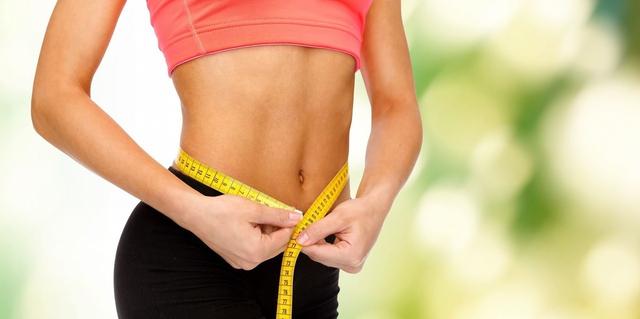
To maintain a good figure after weight loss and keep it for a long time, you need to follow these principles:
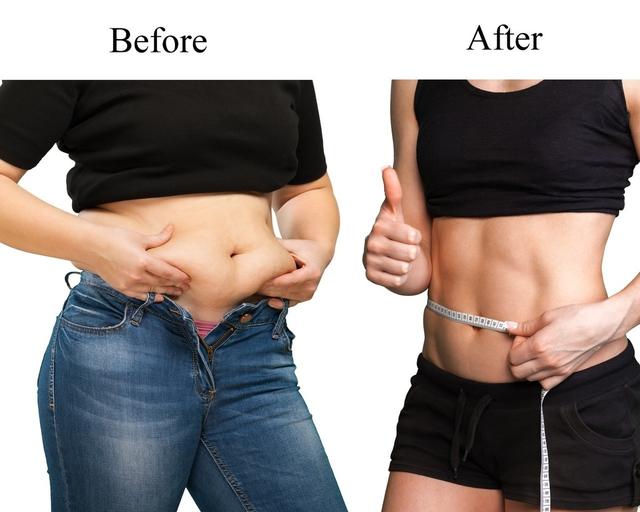
Principle 1. After weight loss, you still need to control your diet.
Successful weight loss doesn’t mean you can eat whatever you want. If your diet plan isn’t controlled, calorie intake will continue to exceed, leading to a high risk of rebound weight gain. Therefore, after weight loss, you should maintain healthy eating habits and avoid frequent consumption of high-calorie foods and late-night snacks. You can occasionally indulge in your favorite treats, but otherwise, stick to low-fat, minimally processed healthy foods. Especially in snacks, you should quit eating biscuits, chocolate, candies, and milk tea, which are high in calories.
Principle 2. After successful weight loss, you shouldn’t stop exercising.
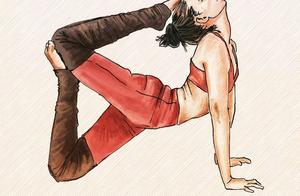
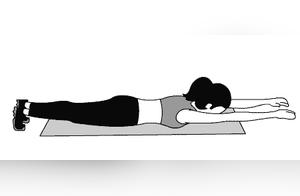
Life is about movement. Weight loss is a long-term commitment that requires consistent exercise to improve physical condition and increase basal metabolism, allowing the body to burn more fat. Exercise can also slow down aging and help you stay young and energetic for a long time. If you stop exercising after successful weight loss, your calorie expenditure will decrease, negatively affecting both physical fitness and overall health.

Especially as you get older, muscle mass declines, and your metabolic rate decreases, so it's crucial to maintain regular exercise to preserve physical fitness and promote calorie digestion, preventing weight gain.
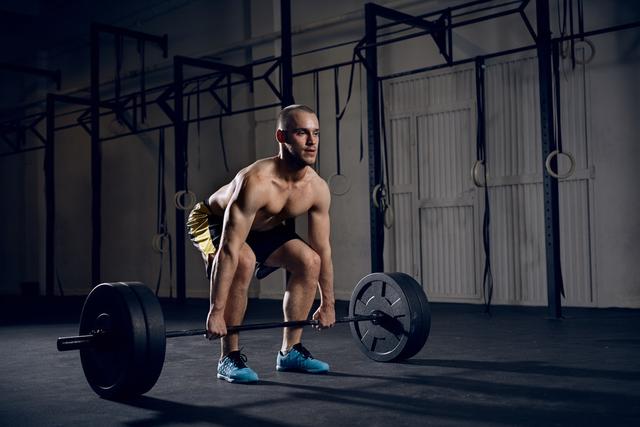
Principle 3. After successful weight loss, strength training is also important.
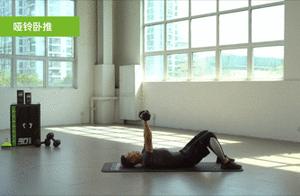
While aerobic exercise helps with weight loss, many people are afraid of strength training, fearing they will build bulky muscles. However, not all strength training builds muscle; it’s even harder to build strong muscles. Strength training stimulates muscle growth while also increasing metabolic rate, helping to develop a slim physique.

Principle 4. After successful weight loss, maintain regular three meals.
Whether you’re in the weight loss phase or have achieved weight loss, you need to maintain the habit of eating three meals at the same time, and chew slowly and thoroughly. Breakfast is especially important, and if you skip breakfast, you should correct this habit. Dinner should be 70% full, and it's best to finish dinner before 7 pm. Regular three meals help improve intestinal health and prevent constipation.
Conclusion
As always, life is about movement. Whether you're in the weight loss phase or after achieving weight loss, you must maintain a combination of reasonable exercise plus controlled diet to maintain a perfect figure.
77

+