Half-Range Training Reduces Muscle Mass – How to Choose for Muscle Gain?
Introduction
Training movements have always been a topic of discussion among fitness enthusiasts. Among them, full-range movement and semi-range movement have been debated endlessly. Some say movements should be done in full range, and half-range training is not standard and is a waste of effort, which will not improve muscle growth. It is undeniable that full-range movements have many advantages, but why do many top bodybuilders prefer to do half movements? This is completely different from the theory above! After reading this article, you will have insights and understand how to choose between half-range and full-range.
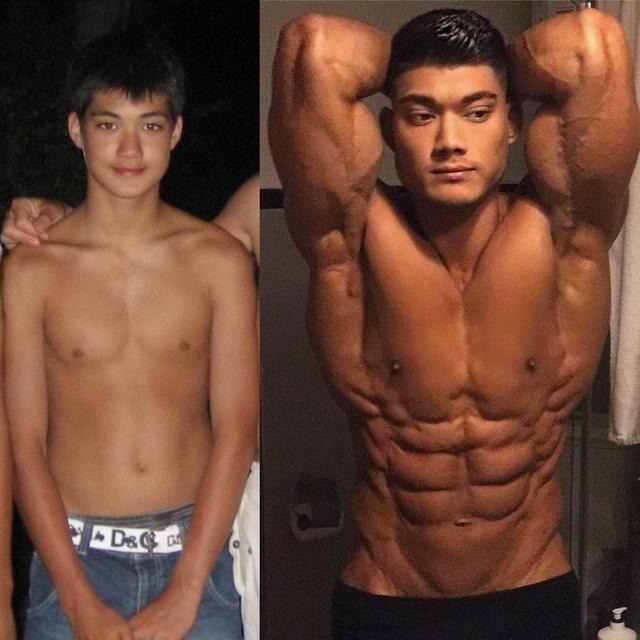
How to define full-range movement?
First, we need to know how to define full-range movement and semi-range movement scientifically. In fact, most people's definition of full-range movement is too narrow, because full-range movement can be divided into two types.
1. Disynchronization of joint and muscle full range
Take bench press as an example. The full-range bench press should be to press the barbell up to the highest point, arms fully extended close to locking, and then lower the barbell to touch the chest. This is a full-range bench press in terms of joint, because the chest muscle crosses the shoulder joint with the arm, it not only makes the arm similar to bench press movement, but also makes the arm similar to punching the chest, that is, fully retract the arm. Above two movements combine to become chest muscle full range movement.
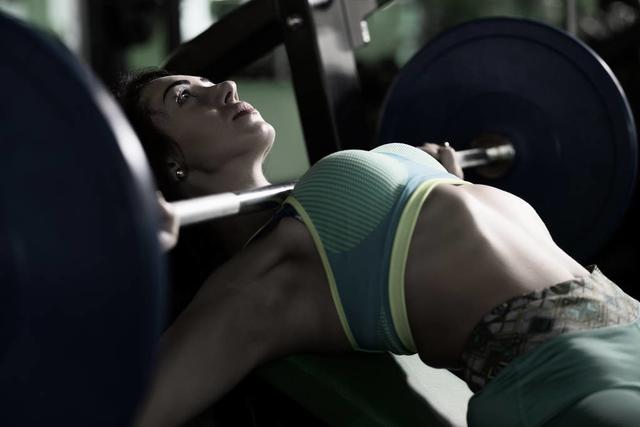
However, merging punching and bench press into one movement is unrealistic, so to grow bulging chest muscles, you need to do at least two types of movements. From this point of view, almost all training movements are derived from the functional movement of muscle.
2. Synchronization of joint and muscle full range
For example, dumbbell curls. When doing a full dumbbell curl, the elbow joint experiences extension-flexion, the biceps muscle also experiences relaxation-contraction. That is, the curl movement can comprehensively stimulate the biceps muscle.
From the above two specific examples, it is easier for small muscles with single function to achieve joint and muscle full range through a single isolated movement; for large muscles with multiple functions, it is difficult to achieve synchronization of joint and muscle full range in one movement, so this part of the muscle needs multiple movements to comprehensively stimulate it.
Training with the aim of muscle hypertrophy
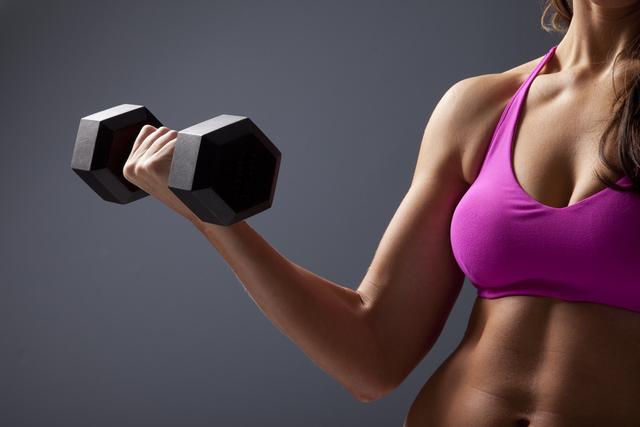
Muscle hypertrophy, making the body shape look better is the purpose of most people entering the gym. From the perspective of movement amplitude, full-range movement is not the only choice for muscle growth, and some full-range movements are not effective for training. Taking three common training movements as examples:
1. Two-handed pull-ups
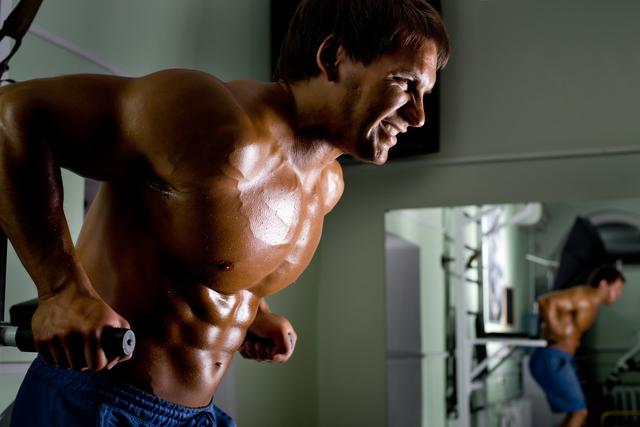
Two-handed pull-ups can stimulate the chest muscles and also stimulate the triceps muscles, requiring the shoulder joint and elbow joint to work together to complete, full-range pull-ups are defined as the trunk descends and the arms bend to a sharp angle, the trunk can be lowered as much as possible; the trunk rises, the arms fully extend, the elbows are close to locking. In actual training, some relatively junior training players like to stop when the arm bends to 90 degrees or more, in order to prevent the chest muscles from excessive participation, so as to make the biceps muscles bear continuous tension, avoid wasting time.
2. Dumbbell arm curls
The target muscle group of dumbbell arm curls is the triceps muscles, the training mode is similar to curling, both need the extension-flexion of the arm to complete. If it is divided into the peak contraction and relaxation state, then at the peak contraction, locking the elbow joint will have a stronger stimulation on the triceps muscles; and during relaxation state, if the arm bending angle is too small, the arm-to-arm distance is too close, the biceps muscle and triceps muscle will exert force, at this time the dumbbell arm curl may become hammer curl. From this point of view, full-range movement will reduce the training effect. That is, when the movement mode is the same, you need to choose whether to do full-range movement according to the training object.
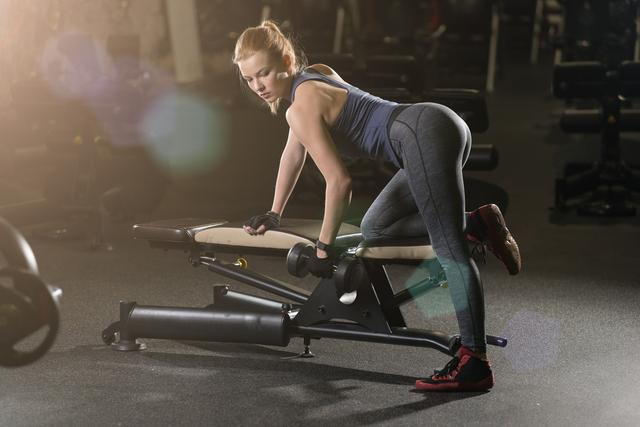
3. Dumbbell curls
The above article has listed many examples of dumbbell curls, here we reiterate because it is very representative. Some inexperienced trainers in order to achieve full-range movement, they will let the arm be completely extended and extreme bending, this is a waste of effort because at the top and bottom ends, the biceps muscle bears the least tension, especially in the long time of two extreme states, the biceps muscle is fully rested, not continuous contraction, so the training effect will be greatly reduced. From this point of view, extreme full-range movement is unnecessary, it may waste your time.
Training with the aim of increasing strength
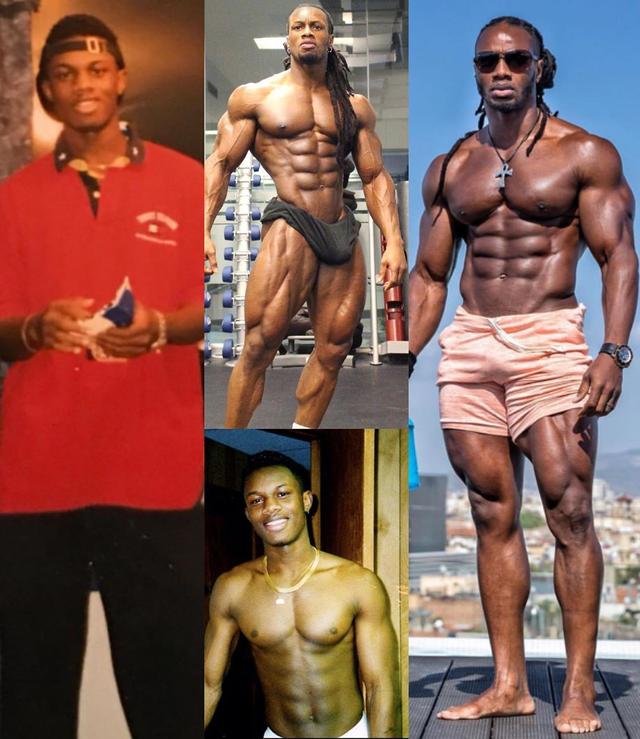
This training purpose is biased towards powerlifting, that is, multi-joint and multi-muscle groups work together to move heavy objects from A to B. Generally, powerlifting athletes have very large blocks, but the muscles are not obvious and the overall aesthetics are not strong, this is largely due to their training patterns. In powerlifting training, there are two types of semi-range training:
1. Minimize the action distance
This is done to make it easier to lift heavy weights, because in the same weight, shortening the distance is the only way to reduce the total work done. If you take bench press as an example: powerlifting athletes' bridge is very large, even to an unbelievable extent, one of the reasons is to make the chest muscle high enough, so as to reduce the movement distance of the barbell.
2. Simplify the action to train a specific muscle group
When doing traditional bench press, the barbell touches the chest, this is the full-range bench press, at this time the chest muscle is fully stretched, the elbow joint is lowered, when you want to press the barbell up again, the triceps muscle will be the main force, as the barbell rises, the chest muscle gradually returns to the dominant position. So, if the training objective is to maximize the stimulation of the chest muscle, he will choose wooden board bench press or floor bench press, in order to avoid full-range bench press to avoid the sticking point, to help him break through the sticking point.
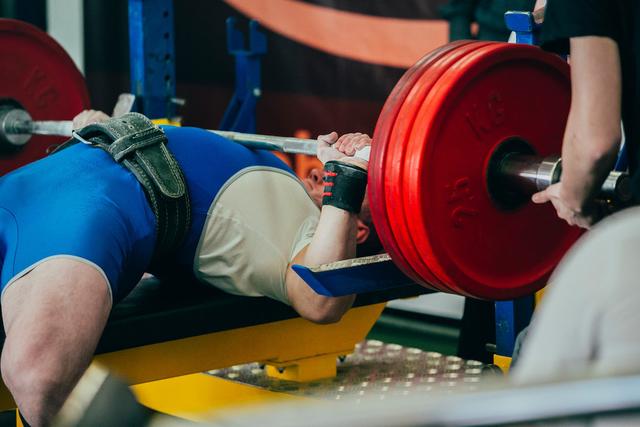
This is similar to the second point above.
Two training methods based on semi-range movement
Metabolic training
For example, in the case of dumbbell curls, if only doing the upper half of the action, that is, dumbbell curls 30 degrees, this can avoid blood from flowing out of the biceps muscle, so that it is always in a state of contraction, when close to the end, the biceps muscle will feel very sore, and accumulate a lot of metabolic pressure, this semi-range movement is also suitable for single-joint movements such as inclined dumbbell extension and rope chest press.
For rehabilitation patients, semi-range movement is also a good choice. For example: your arm cannot be raised above your head, then do the 45-degree inclined rope row action, this can avoid the arm being raised above the head, causing secondary injury, while ensuring shoulder joint movement, so that the synovial fluid can moisten the joint and promote its better recovery.
21
377721