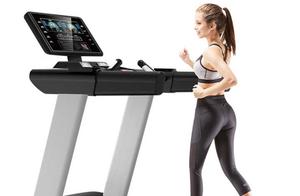
The first thing gyms should teach is not muscle gain and fat loss, but safety issues.
Every sport carries risk, and learning how to minimize that risk is a skill that all trainers should learn from the very beginning. Compared to ordinary people's exercise, operating equipment improperly in a gym carries a very high risk, and even potentially endangers life. So, how to do a good job of protection in the gym? Let's look at examples one by one.
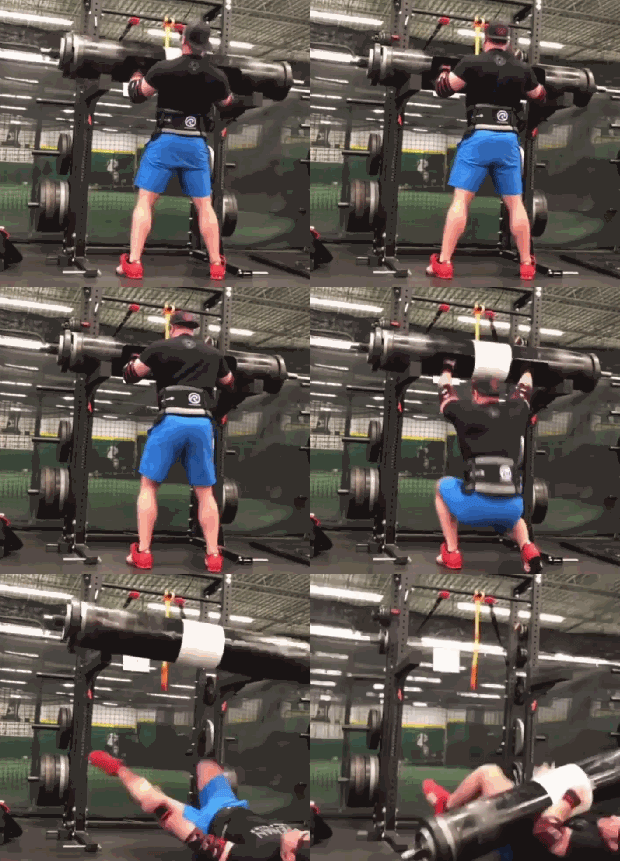
This trainer took off one barbell plate, directly causing uneven weight on both sides. Fortunately, there weren't many people around, otherwise the consequences of hitting someone's head or foot would be unthinkable. If it was a foot, the estimated 40kg (3x10kg, 2x5kg) dumbbell plates could result in bruising or fractured toe bones.
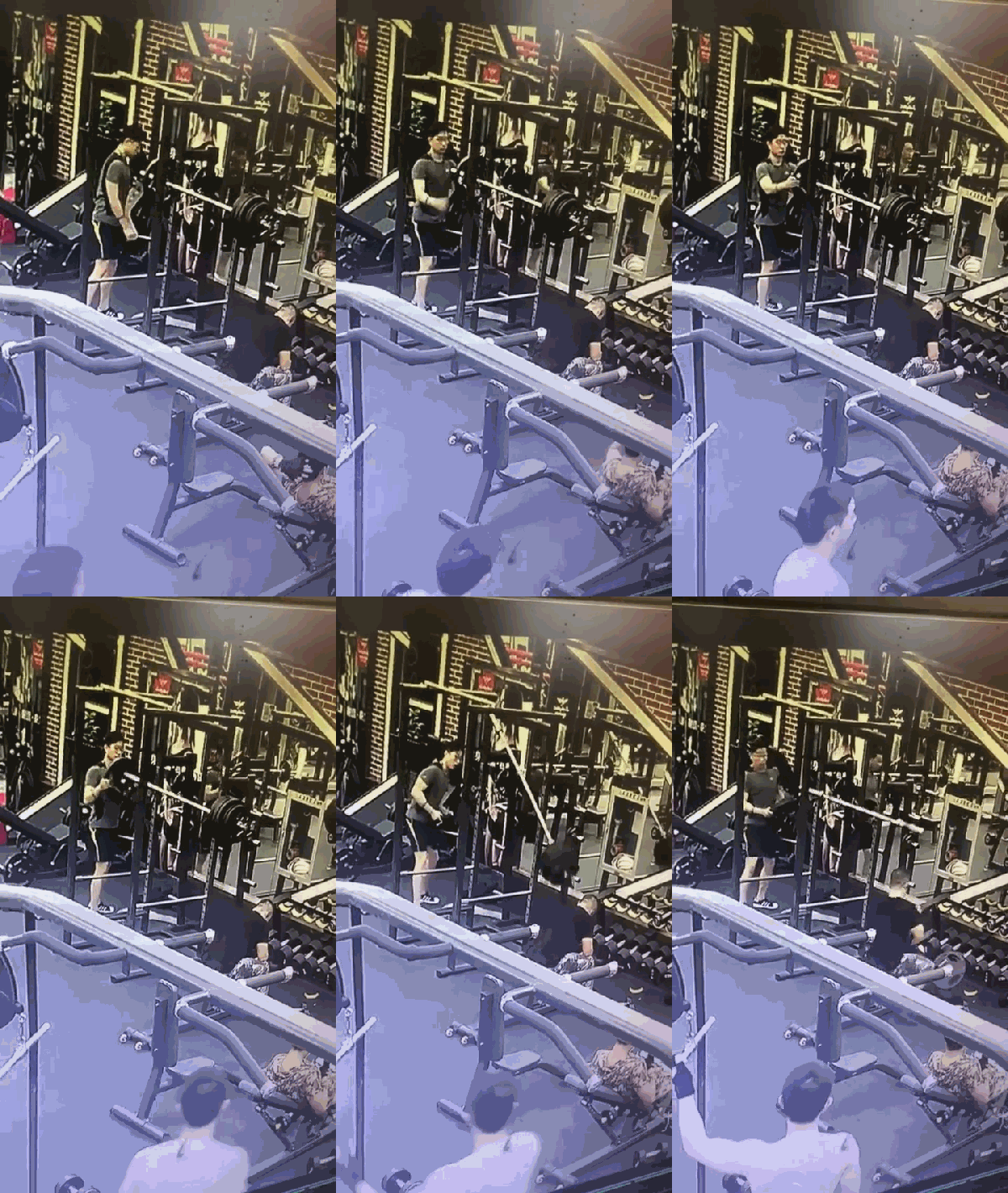
But this one wasn't so lucky – the squat rack was different, and the barbell directly hit the back of another trainer's head.
Correct barbell plate removal method: If you're alone, remove the same weight dumbbell plates from both sides. If you're with two people, remove the dumbbell plates simultaneously.
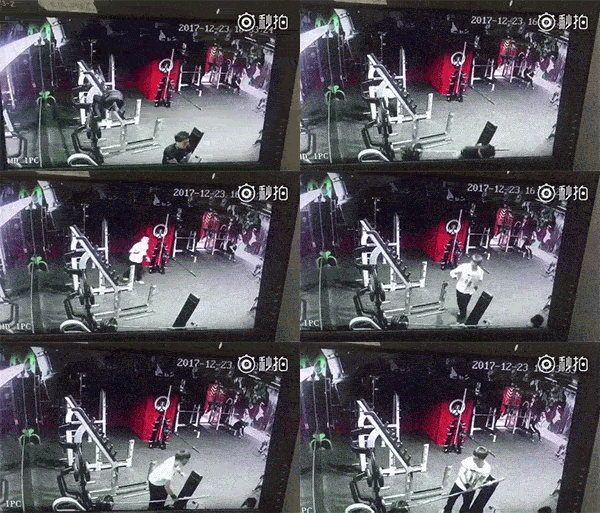
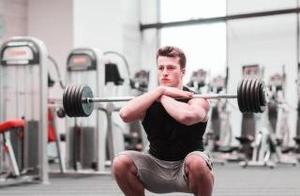
When doing heavy squats, protect the rack – the rack that the muscle man wanted to use but couldn't, because it was in the middle. If you want to do heavy squats on this equipment, you should do the following four things:
First, when doing heavy squats, adjust the rack to the position under the inner thighs or check the squat depth with an empty barbell during a warm-up. Then, adjust the rack to the first locking pin position to effectively protect yourself. It must not be set too low, or when you're exhausted, you won't be able to help you.
Second, many people's exit from the rack is to lift the barbell and walk backward, preferring to walk a long distance. But the rack is usually short, so you need to learn a professional exit method. A professional exit method can maximize the retained force and be safer.
Third, find someone to protect you. This protection doesn't mean someone to help you do the exercise with you, but to save you when you're in trouble.
Fourth, heavy barbell must be on the locking pin, otherwise, the weight on both sides will be unbalanced and injured.
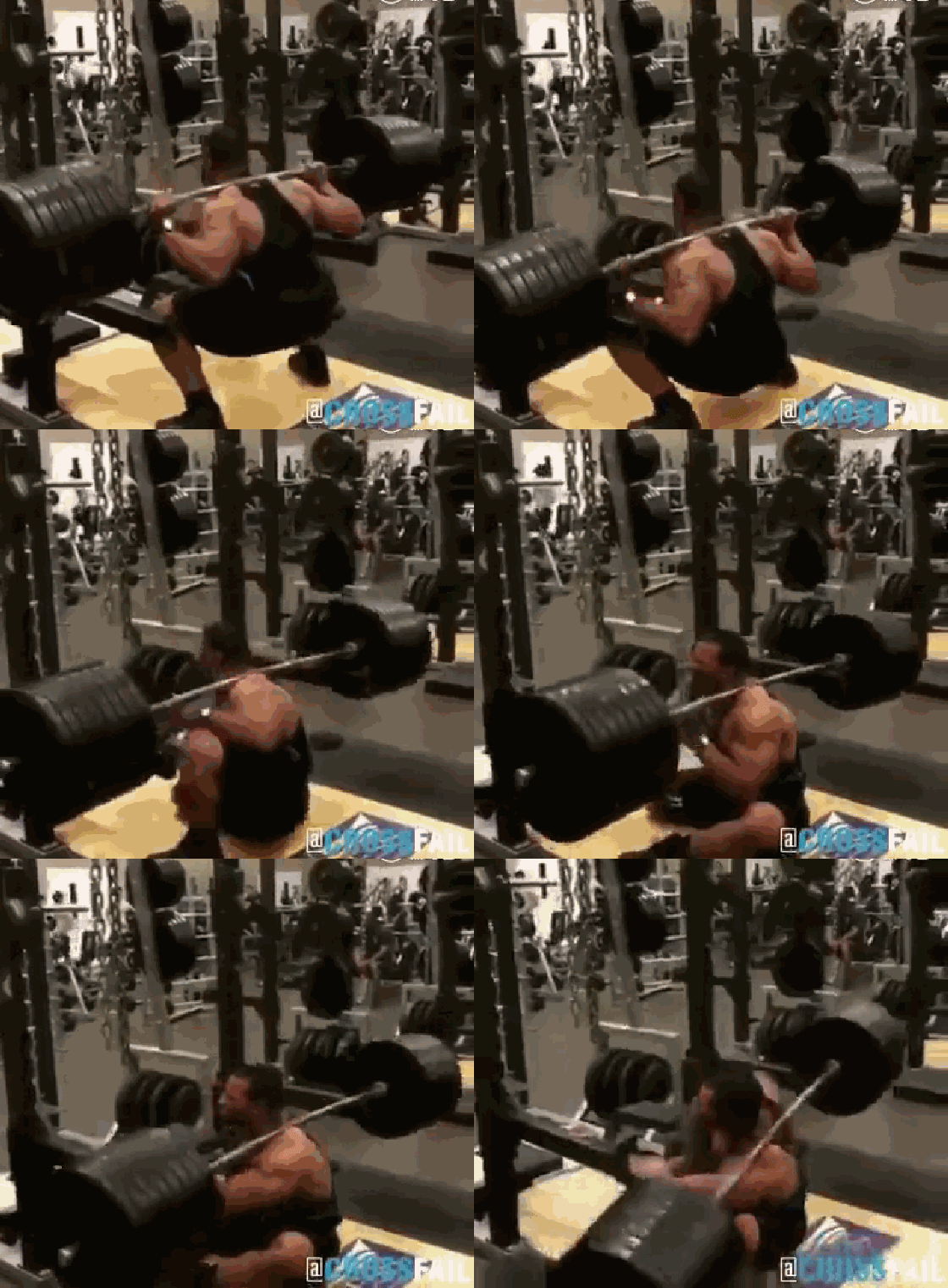
Everyone starts as a fitness newbie. The first thing to learn is safety. The correct use of equipment is crucial. Many people think it's too simple, so they need to be taught. Just a few examples are enough. Those muscle men aren't just lifting heavy weights. If you have this idea, consider the safety of others. Go home and think about it yourself, but don't harm others.
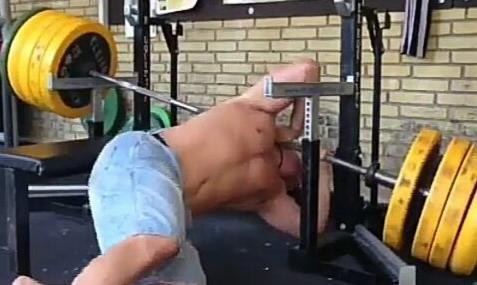
Safety suggestions summary:
1Maintain balance when removing the barbell, avoid the barbell plate or the barbell rod sliding or the barbell rod rising due to uneven load.
2Return the equipment to its original position. There are many powerful people who use equipment, but few have quality. After using the equipment, return it to its original position. The weight you may have lifted may not be able to be lifted by others.
3Don't rush to heavy weights for no reason. There is no need, there is no need, there is no need. Whether you're a beginner or an experienced person, don't rush. You must have a reliable protector.
4. Don't exercise behind someone doing squats. Squatters may throw the barbell backward to protect themselves.
5. Don't have the idea of trying to run as fast as possible on the treadmill, otherwise, you don't know how your face will swell.