3 Reasons for Thick Lower Legs and How to Reduce Them
Original article provided | Copying prohibited without permission
I believe many female friends want slender legs, so many friends will try to reduce fat through exercise. However, many girls are frustrated to find that after a series of aerobic exercises, they often find that their fat has been reduced, but their calves have become thicker.
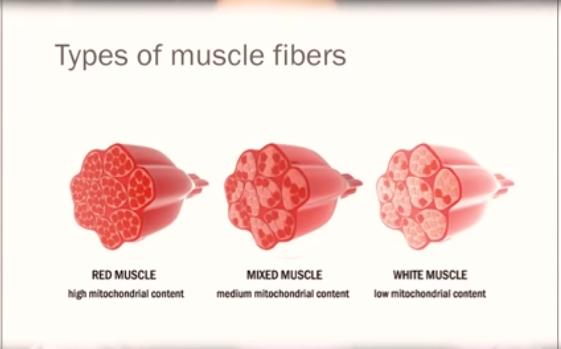
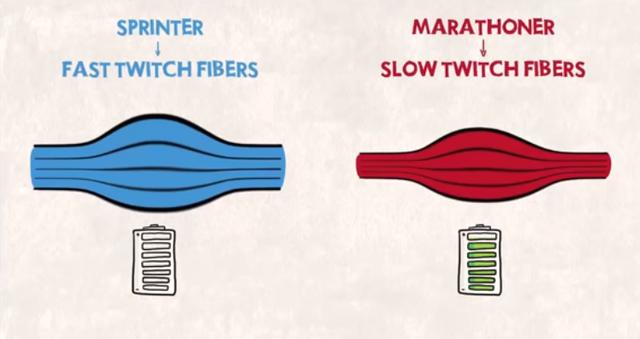
Blue is fast muscle fiber, red is slow muscle fiber
Here the author will answer these doubts.
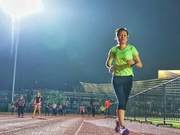
When we do running or other aerobic exercises, it's like walking, running or cycling. We use slow muscle fibers in these exercises. We can also pay attention to walkers or marathon runners, whose calves are not thick.
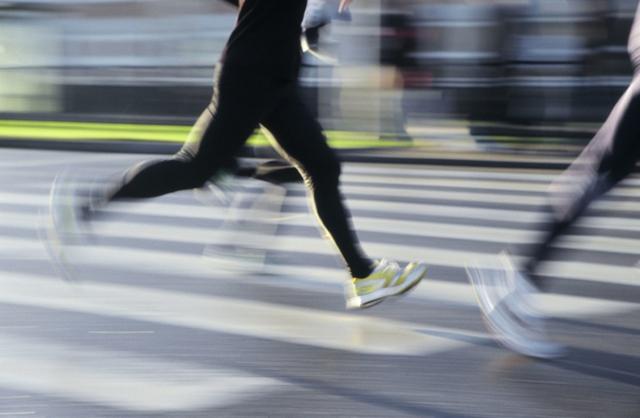
So, running, walking or cycling aerobic exercises will not make our calves thick. Then why do we feel our calves getting thicker after doing aerobic exercise?
Actually, this is just muscle damage caused during exercise, resulting in temporary congestion and swelling, which will recover within a few hours. Our body will also create new muscle fibers, but under low-intensity aerobic exercise, we will not increase too many muscle fibers, which gives us firmer calf lines.
So, let's take a look at sprinters or ice skaters. Sprinting is an explosive exercise, and this type of exercise will mobilize more fast muscle fibers, which will cause the legs to become thick.
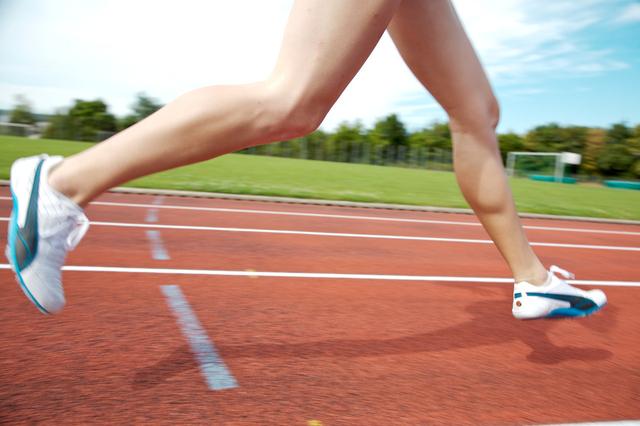
Many friends feel that their legs look thicker. The reasons why our calves shape are different include:
The first is the length of our calves. This is easy to understand, people with long calf bones will look more slender visually.
The second is the shape of the calf muscles, which leads to different leg shapes in everyone.
The third is the distribution of fat, which is determined by genes.
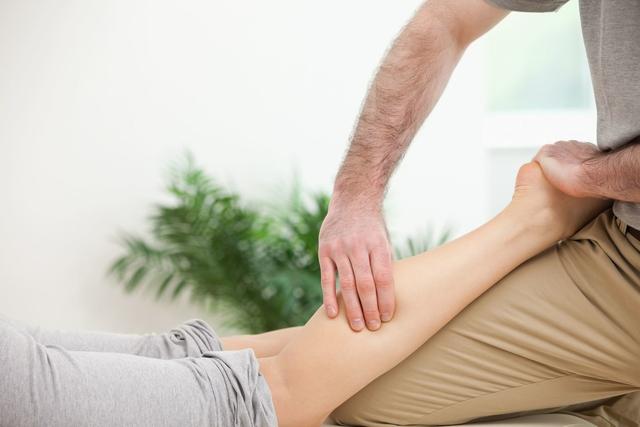
These three reasons are all innate, which can be improved through later-stage training.
Here the author will explain how to make legs look longer and thinner.The first method is naturally to reduce fat.
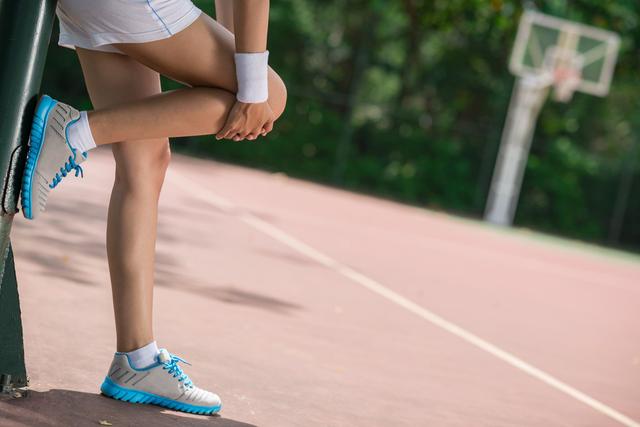
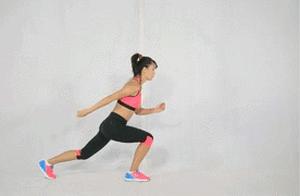
Since fat accumulation causes thicker legs, we can try to do strength training after doing leg training, and then do low-intensity aerobic exercise such as jogging or walking, which can promote fat burning and reduce calf dimensions.The second is to correct our walking posture.
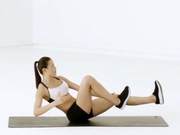
Different walking postures will affect our calf lines. The author suggests that our glutes should work, and our hands and core muscles should swing with the rotation of the hip joints. Therefore, we should strengthen our glutes and core muscles to avoid frequently using our front legs to drive our bodies.
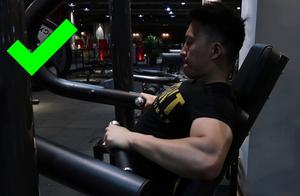
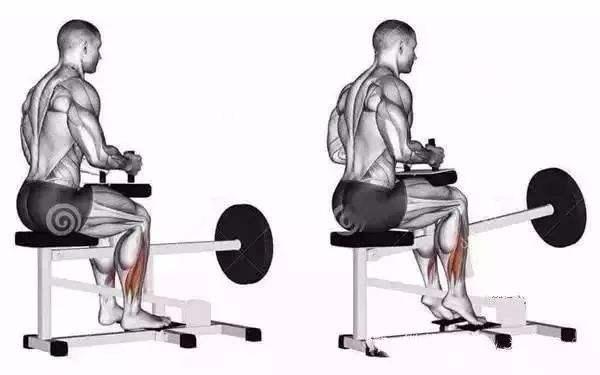
Sitting heel raisesThe third is to strengthen the calf muscles.
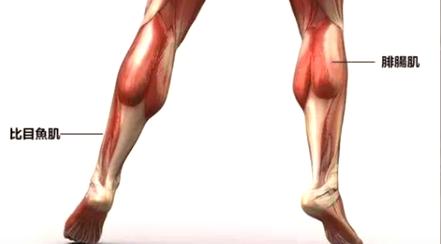
The calf muscles are divided into gastrocnemius and soleus. We can do sitting heel raises to train our soleus. Moreover, the soleus muscle is mostly composed of slow muscle fibers, which has weak growth potential, so we don't need to worry about getting 'carrot legs'.