Don't Neglect Stretching After Exercise – Its Benefits Are Beyond Your Imagination
If the most overlooked step in exercise is mentioned, it must be stretching. Many people, especially beginners, ignore stretching after training because their bodies are tired, but stretching has many benefits, more than you can imagine! Before discussing this, let's first talk about what stretching training is.
I. What is stretching training?
Fitness can keep people in good shape and a healthy body, which is the basis for improving quality of life and achieving a high quality of life.
To achieve this, we need to choose some exercise methods and practice them. Among the basic fitness exercises, strength, flexibility, and endurance are the three most basic elements.
At the same time, improving these three elements can slow down aging. If these three elements are missing, with the increase of age, the following decline will occur:
1. Muscle loss

According to research, muscle mass will gradually decline after 35 years old, resulting in a weakening of strength, and large-capacity training will eventually become extremely difficult.
2. Endurance loss
The natural aging of the human body and the relatively static state of exercise lead to the aging of the cardiovascular system, making the cardiovascular system more fragile and inefficient.
3. Flexibility loss
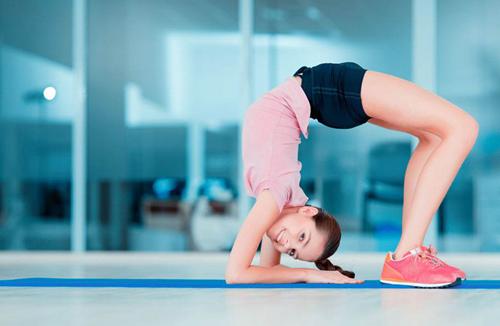
The strength and endurance of the human body increase naturally from birth to adulthood, and only begin to decline slowly after adulthood. However, flexibility begins to decline from birth.
Therefore, we need to pay attention to the degradation of muscles and joints, which will make more people's bodies stiff and their physical activities restricted after adulthood and old age.
Lack of flexibility leads to static stagnation, which in turn makes flexibility loss more severe, forming a vicious cycle until the end of life.
But this is not inevitable. Through flexibility training, that is stretching training, we can effectively alleviate this problem.
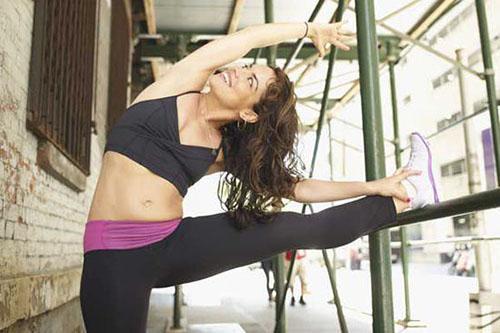
Flexibility improvement is achieved through stretching training. Stretching can produce muscle tension, allowing it to reach its maximum length. Regular stretching training can keep our limbs in the best state of movement range and flexibility.
II. Benefits of stretching training
Correct stretching training can gradually improve our body function. Let's see what benefits stretching training can bring us.
1. Promote blood regeneration
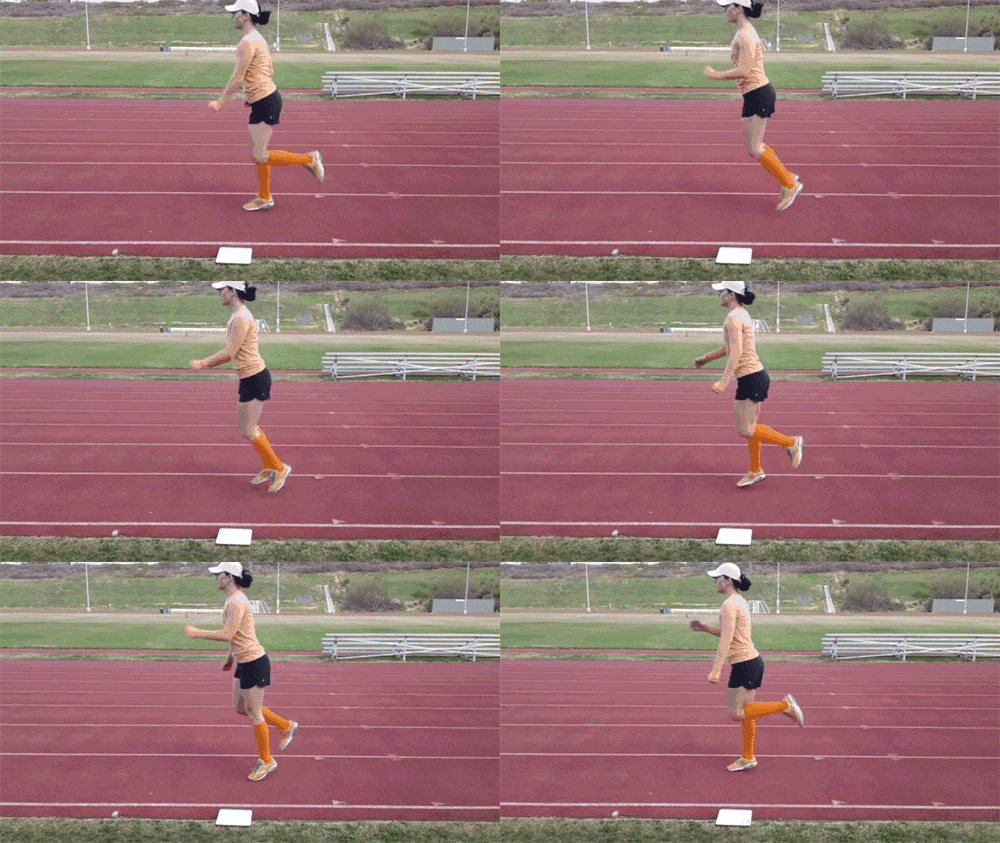
Usually after a large amount of training, muscles become stiff, swollen, and congested because the training area of the muscles has gained more oxygen and energy supply, the blood flow speed in the muscles increases, thus delivering more oxygen and glycogen.
In the short time after training, nutrients and oxygen cannot quickly enter the muscle tissue, and the waste products produced by exercise cannot be transported quickly.
At this time, stretching training can unclog the locally collected blood, allowing fresh blood to replenish quickly, accelerating the recovery of the training site.
2. Improve joint flexibility
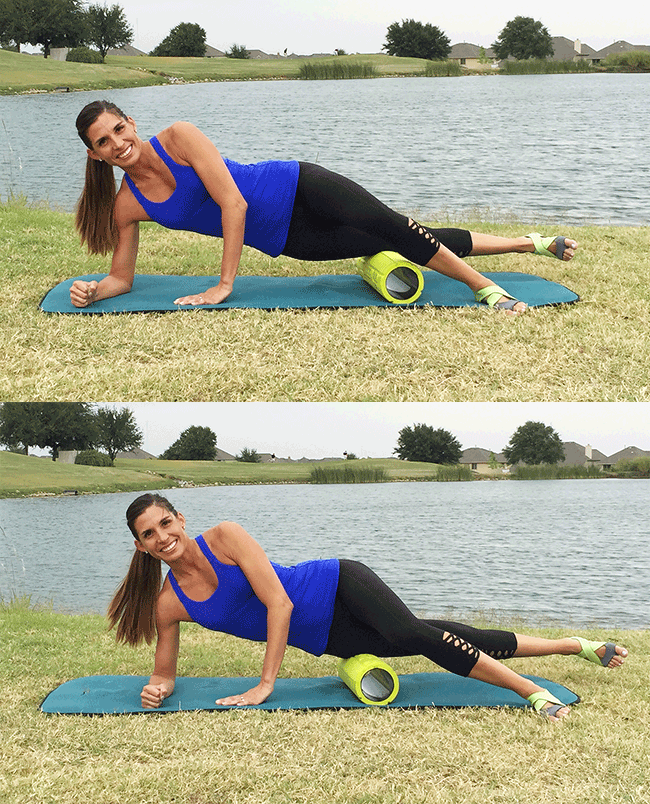
Due to some reasons, our muscles may become shorter, for example, in shoulder training, we have been doing strength training for a long time, and rarely do large-range activities, which can make the shoulder muscle fibers shorter, so that we cannot touch our own back.
Therefore, after strength training, stretching training should be done to maintain joint health and flexibility.
3. Balance antagonistic muscles

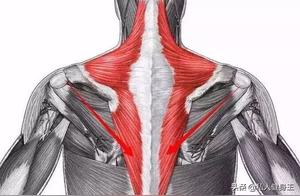
The development of the chest muscles and the weakness of the back muscles can also lead to hunchback. Similarly, the imbalance between the quadriceps and hamstrings can easily cause lower leg strain.
The best solution is to strengthen the weaker side with antagonistic muscles and stretch the stronger side, so as to effectively relieve this situation.
4. Warm-up before exercise
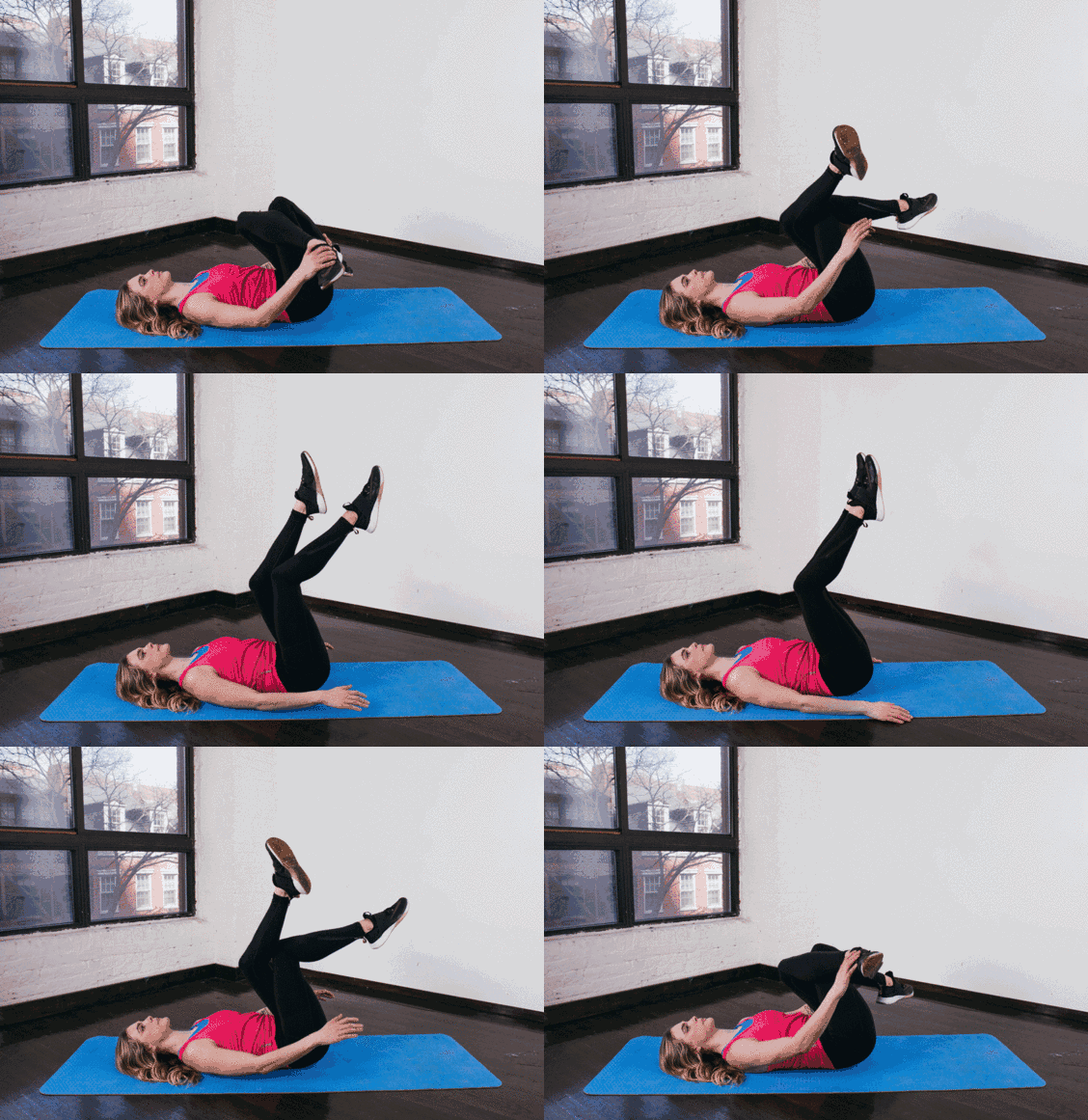
No matter what kind of exercise, it should be done before warming up, and stretching is an indispensable part, especially before high-intensity exercise.
At this time, stretching can increase muscle temperature, increase blood flow speed, and improve exercise performance, reducing the risk of injury.
For example, stretching can increase our joint range of motion, so expanding the range of motion can avoid injuries caused by rapid movement, sudden turns, or extreme power bursts.