How long have you been running? Have you tested your lower limb strength?
To run healthily, we learned various warm-ups and stretches and correct running posture; to participate in the competition, we formulated a serious training plan; to run farther and faster, we increased a lot of physical fitness training, strengthen the hip and lower limb strength
After all, weak muscle strength will affect running speed. Strengthening muscle strength can not only help us improve pace but also protect muscles from injury.
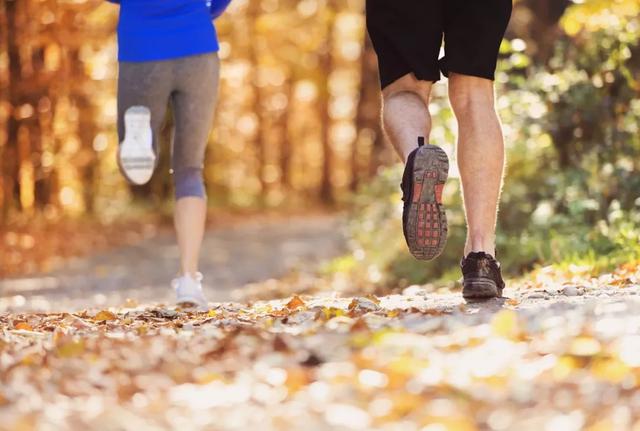
However, after practicing for so long, have you tested your lower limb strength? Do you know what level your legs are in? Today, let's test it together with Dongniu! Let's evaluate your lower limb functional strength:
1, Rear Foot Elevated Split Squat
Use the maximum number of repetitions or RM (the maximum number of repetitions you can complete with a pre-selected load) to test your lower limb functional strength. Although it's not perfect, it has proven to be effective in evaluating strength and measuring progress.
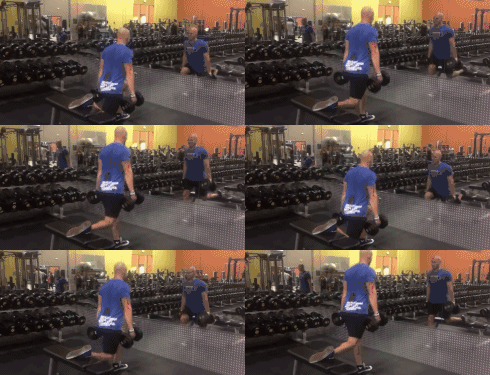
Place your rear foot elevated on a training bench or a specially designed support, and put a yoga mat on the floor to avoid repeated contact with the ground. Choose a load within the 5RM range, and complete the action as many times as possible until you cannot maintain perfect technique.
The load can choose two dumbbells or two kettlebells.
2, Single Leg Squat
If the training scheme is set appropriately, people with strong functional strength can complete several sets of single leg squats with a pair of 5-pound dumbbells (about 2.5 kg) after a four-week training scheme.
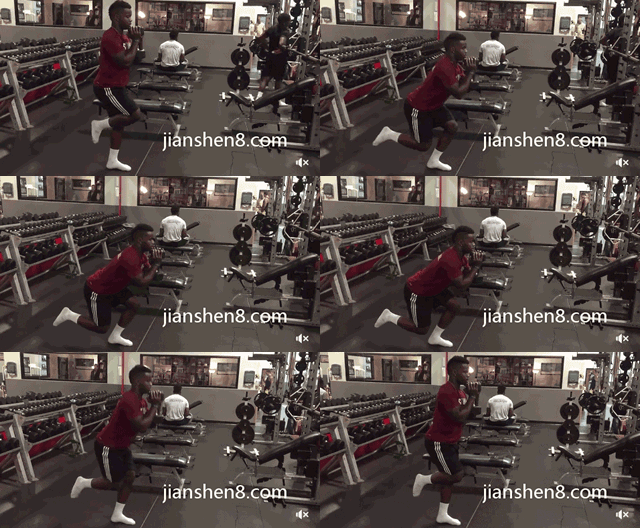
How about testing and learning together, runners, do you feel happy?
In the above tests, most people find it difficult to complete real single leg squats. These people often have knee problems such as patellofemoral syndrome (knee cartilage softening), patellar tendonitis, or patellofemoral syndrome.
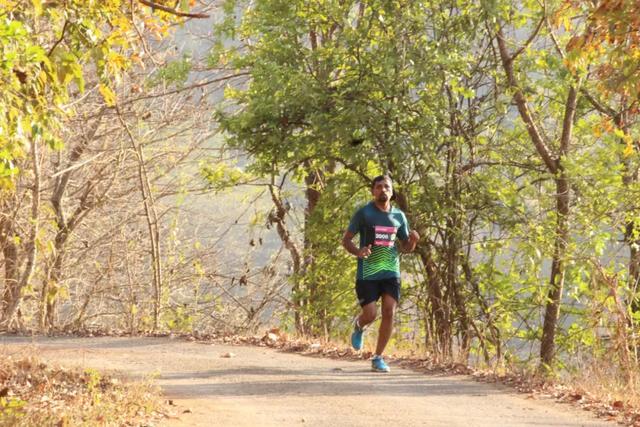
When it comes to single leg squats, many people think of pistol squats (as shown in the picture), but this is not a good action. Pistol squats require strong hip and ankle mobility, and most people lose spinal stability (lumbar curvature) when doing pistol squats, and the pressure on the knee joint is also relatively large!
3, Mini Resistance Band Lateral Step
The resistance band way to help these muscles 'wake up' and strengthen the lower limb strength training.
Mini resistance band lateral step is a simple way to excite the outer hip muscles. Just put the resistance band around the outer ankle and move laterally.
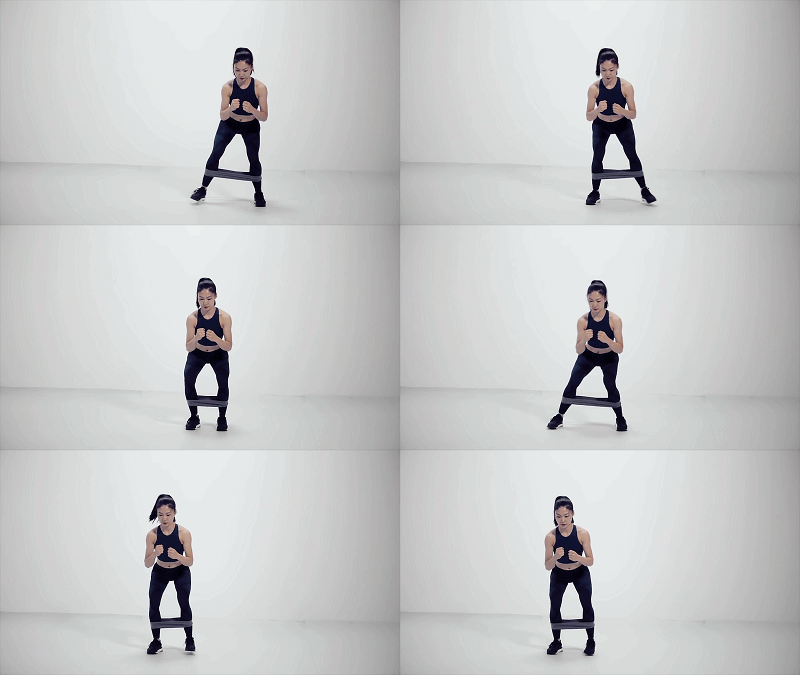
● Maintain the tension of the resistance band. The feet must be far enough apart to maintain the tension of the resistance band.
● Don't shake. People with weak outer hip muscles often shake side to side instead of lateral stepping.
To stimulate the rotational muscle groups of the hip, putting the resistance band on both feet instead of the ankles can generate some internal rotation force for the outer hip rotation muscles.
4, Cross-over Extension

Cross-over extension can be used in all exercises dominated by the knee or hip joint to promote greater involvement of the glutes. It can increase the involvement of the glutes. The complex anatomical explanation is that the pelvic top remains fixed with the fixed femoral rotation, making the hip joint internal rotation. Because the gluteus maximus is an external rotation muscle, it will have greater involvement if it is stretched before exerting force.
This will strengthen the hip joint stability. Interestingly, many people consider hip joint stability to be knee joint stability and describe instability as 'knee inward'.
“”