Are You a Beginner or Advanced Yoga Practitioner? Test Yourself to Find Out!
Many yogis after practicing for a while, really want to know what stage their practice has reached? The following tests can better determine which type of course is more challenging for you. To understand what level you've reached in these postures.
There are two points to note:
Firstly, yoga is not about 'level' practice, it is not about competition, this article is not to make you compare or say yourself is good or not. Treat it as a diagnostic practiceAssess your current condition, and what you can still do?
Secondly, the boundaries between 'intermediate' and 'advanced' may be very blurred. Generally speaking, your yoga skill level surpasses the postures themselvesIt's mainly about your inner focus.
The following is a quick test to see if you are intermediate or advanced, but these are not strict standards:
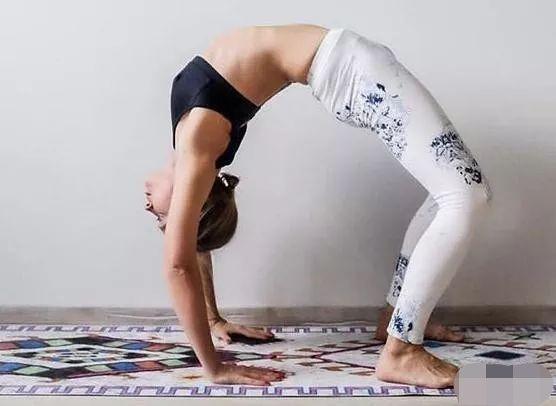
Intermediate:You can focus on the teacher's instructions. For example, in Wheel Pose, you're not just understanding the shape of the posture, but actively focusing on lifting the pelvis and relaxing the hips, and evenly distributing the weight on your wrists
Advanced:You can simultaneously focus on many components of the posture and combine them, even if your strengths and weaknesses may differ. For example, Crow Pose combines balance and backbend. Advanced practitioners can focus on details from the hands to the knees, the position of the hips, etc., without losing sight of overall skills such as flexibility, strength, and stability
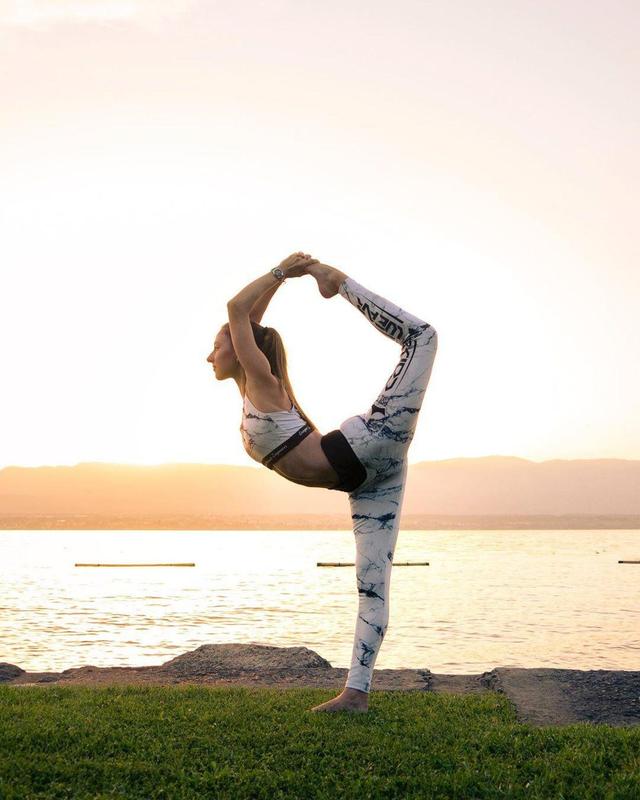
Next, let's take a look at the comparative progression of some poses
Hip Opening Test:
Swan Pose vs. Swan King Pose
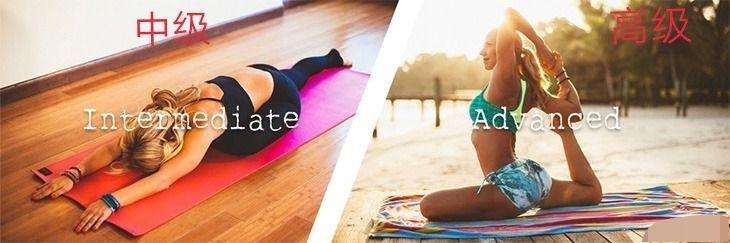
Figures: Kino MacGregor and Kerri Verna
Swan Pose and Swan King Pose both require high hip flexibility and stretched the outer hip muscles. Swan King Pose builds on Swan Pose by adding backbend, requiring higher body awareness and demands
Balance Pose Test:
Handstand with Toes vs. Bird of Paradise Pose
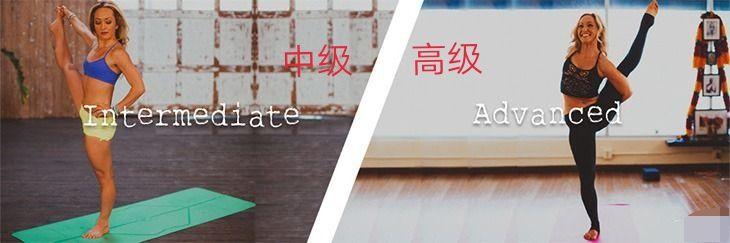
Figures: Kino MacGregor
Standing Toe Stand and Bird of Paradise Pose are both single-leg balance postures, demanding high flexibility of the hamstring and balance. Bird of Paradise Pose adds wrapping, demanding higher shoulder flexibility
Backbend Test:
Wheel Pose vs. Swan King Pose
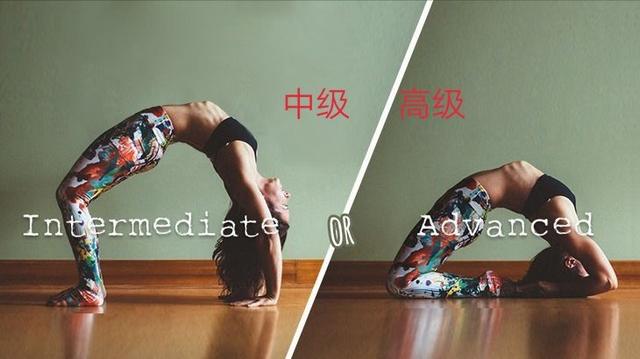
Figures: MacKenzie Miller
Wheel Pose and Swan King Pose are both advanced backbend postures, which can well open the chest and flex the spine. They all require sufficient body heat before practice. Swan King Pose needs more stretching and unfolding. When you enter a deep backbend, the freedom of the spine is crucial. Maintain silence and acceptance to mobilize the body with full awareness and sensitivity
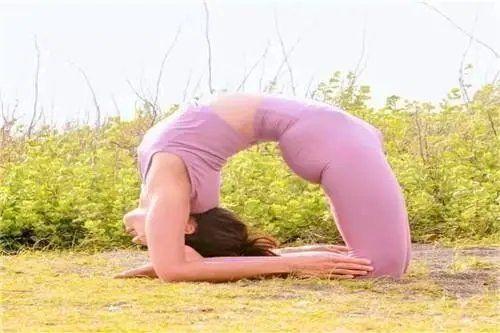
Swan King Pose greatly inspires the body, invigorating the spirit. It's a very deep backbend posture and suitable only for advanced practitioners
Cobra Pose vs. Upward Facing Handstand
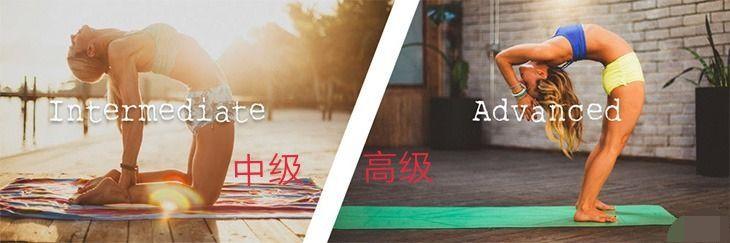
Figures: Kerri Verna and Kino MacGregor
Cobra Pose and Upward Facing Handstand are both backbend postures, they both require chest extension, appear to be similar in the degree of bending, but the difficulty is quite different. If you are just starting to practice Upward Facing Handstand, you will feel helpless, the chest cannot breathe, and the spine is squeezed. The key is to lean back, you can start by practicing leaning against a wall
Arm Balance Test:
Crow Pose vs. Crane Pose
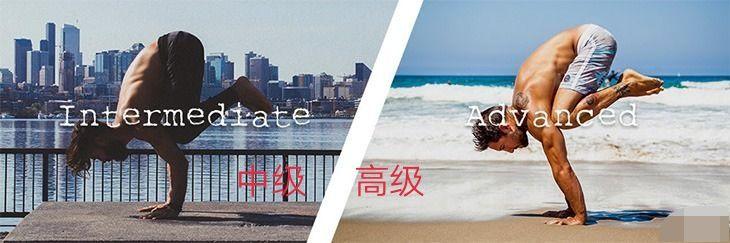
Figures: Patrick Beach and Dylan Werner
Crow Pose and Crane Pose are often confused, the main difference is that Crow Pose is with bent elbows, and the spinal column is more upright. And Crane Pose extends the arms, using core strength to completely lift the body. Simply put, Crane Pose is based on Crow Pose as an arm balance action. Of course, the difficulty is self-evident
Inversion Test:
Three-Point Handstand vs. One-Handed Handstand
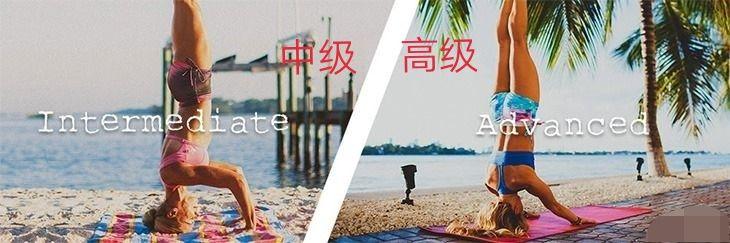
Figures: Kerri Verna and Kino MacGregor
Three-Point Handstand and Upward Facing Handstand are both series of head over hand inversions, which are extensions of head over hand inversions. Three-Point Handstand uses the head and two hands to form a stable triangular support for the body, while the Upward Facing Handstand requires the head and core strength to support the weight. It demands a high core strength
Peacock Pose vs. Handstand
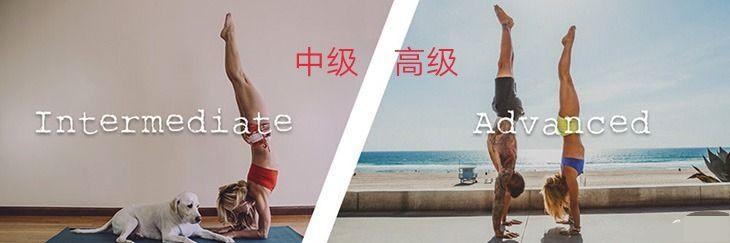
Figures: Kino MacGregor and Kerri Verna
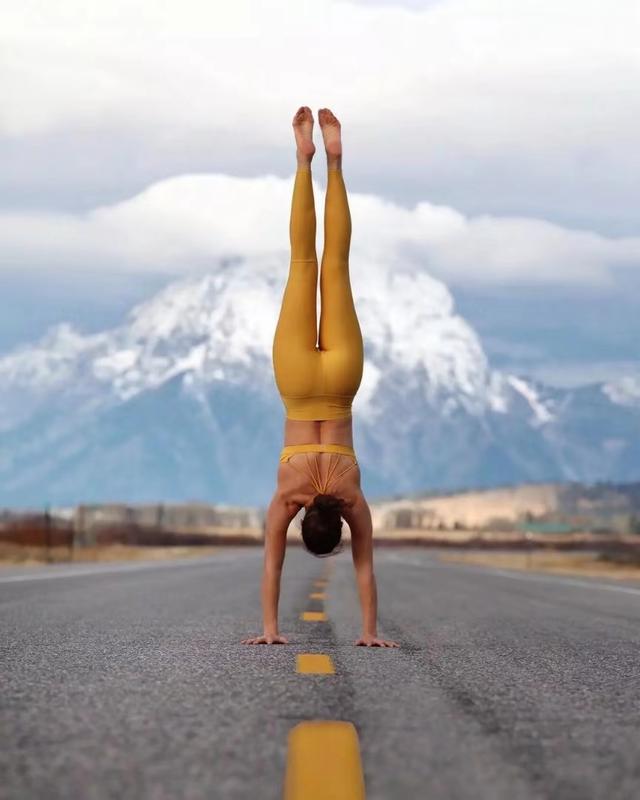
Peacock Pose and Handstand are both inversion postures, requiring high core, shoulder strength, and balance. Peacock Pose uses the elbows to maintain balance, and Handstand only uses hands to maintain balance, for inversion postures, the larger the contact area between the body and the ground, the more stable it is, and the easier it is to maintain