The Secret to Not Getting 'Chubby' During Perimenopause (Part 6)
Author Hu Zhewen
Beijing Union Medical Center Clinical Nutrition Department
Can fruit help with weight loss?
Fruit is loved by many female friends for its sweet taste, relatively rich vitamin and mineral content. Some female friends believe that fruit is not only a beauty product but also helps with weight loss if eaten in excess.
So, can you really lose weight just by eating fruit?
Let's explore this together.
Fruit is not a low-energy food; its sugar content often reaches 8% or more. The carbohydrates in fruit are mainly monosaccharides and disaccharides, such as glucose, fructose, and sucrose, which are easily digested and absorbed by the body, leading to a rapid rise in blood sugar.
Excessive fruit consumption can lead to an increase in triglycerides and cholesterol, which are converted into fat and accumulate under the skin, causing obesity. Fructose, in particular, is more easily converted into fat in the liver.

Overeating fruit or replacing it with staple foods and vegetables can not only not help with weight loss but also cause hyperlipidemia and hypercholesterolemia, laying the groundwork for atherosclerosis and cardiovascular diseases.
Furthermore, blindly using fruit to replace other foods for weight loss can lead to a lack of essential amino acids and essential fatty acids, which are components of tissue and active substances. Long-term deficiency can lead to severe nutritional deficiencies such as decreased immune function, dry and aging skin, and serious harm to health.
How to lose weight scientifically
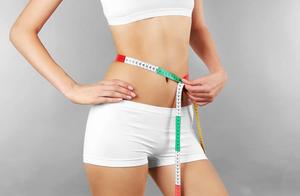
How to lose weight is a timeless topic for contemporary women. For perimenopausal women, maintaining body shape and weight is particularly important.
In fact, losing weight is not as mysterious as we think. As long as you do...'Scientific diet + persistent exercise + perseverance'We believe everyone can achieve a proud figure.
Scientific dietis the foundation of weight loss, which is to consume excess fat stored in the body while ensuring that the body's daily nutritional needs are met.

For obese perimenopausal women, we suggest that you calculate your standard weight and BMI based on the methods and criteria described previously.If your BMI is really over 28, we regret to tell you: 'You really need to lose weight'.Then, based on the introduction, calculate your daily energy needs based on your own situation.
After clearly understanding your daily individual energy needs, we suggest that you adjust the proportions of protein, fat, and carbohydrates in total energy, converting from a non-weight loss mode to a weight loss mode: protein 25%, fat 10%, and carbohydrates 65%.And in terms of food selection, we suggest that you, who are in a weight loss period, choose more lean meat, dairy products, vegetables, and fruits, and eat less fatty foods with high oil content.In order to achieve success in weight loss, we can only say that
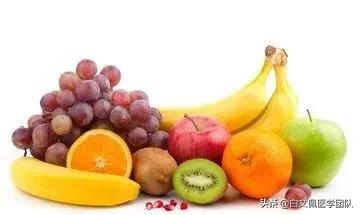
Fruit is a good assistant in weight lossIt can bring satiety to people, thereby reducing the intake of other high-fat foods, but fruit is not a weight loss miracle, and relying solely on eating fruit will not achieve the goal of healthy weight loss.500g