Three Rivers City Health and Sports Bureau Releases Series of 36 Home Fitness Plans

Right now
Are you in such a posture
Opened this push notification——

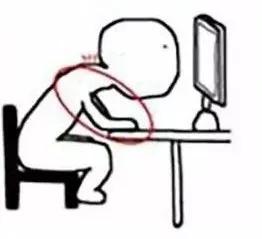
Contemporary life
The prevalence of neck and shoulder pain has reached71%
We have a high level of attention when working in the office, and we don't realize that we are in an incorrect posture for several tens of minutes or even several hours.
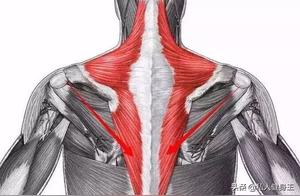
These actions are likely to causeOverfatigue of the neck and shoulder muscle groups.This can lead to various soreness, and in severe cases, it can also cause numbness in the upper limbs.
It will also lead to a decrease in the strength and stability of the neck muscles, which in turn will cause obstacles to the movement of the neck.After the problem occurs, many people feel 'rest is fine'. ButFatigued muscles will not lower their tension because of rest, nor will they automatically restore muscle strength because of rest, but they will become easier to fatigue.
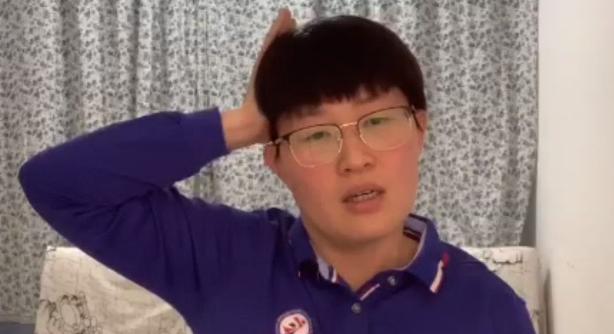
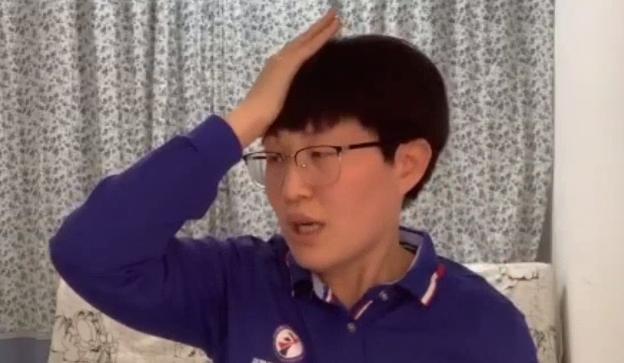
Now it's different from before, when you feel uncomfortable after staying at your desk for a morning, now you feel uncomfortable after an hour.Today, Mr., who has worked on rehabilitation for multiple national teams, will introduce several simple neck and shoulder rehabilitation exercises that you can do at home or in the office to solve the problems you often encounter, so that you can say goodbye to discomfort.Main presenter:
Beijing University of Physical Education

Rehabilitation Center, Experimental Officer
Personal introduction:
·World Physical Therapy Alliance (WCPT) PT certification, Health Commission rehabilitation technician qualification certificate. Mainly responsible for rehabilitation assessment, sports rehabilitation technology, bone and muscle rehabilitation courses, and teaching practice.
·Skilled in the prevention and rehabilitation of chronic pain and sports injuries of the bone and muscle system, and has provided rehabilitation services for multiple sports teams.
·Many times invited by the multi-forces of the Army, Navy and Air Force to give rehabilitation-related knowledge and practical methods lectures and rehabilitation assessments.
I. Range of motion training
First, we need to increase the pain-free range of motion of the neck and shoulders, which is the foundation for other functional training.
Before training, we first assess the degree of pain. The pain level is 0-10 points, 1-3 points is relatively mild, 4-6 points is moderate pain, 7-10 is severe pain. We generally keep the pain below 3 points during training.
If it exceeds 3 points, consult a professional for guidance.01 Neck Range of Motion
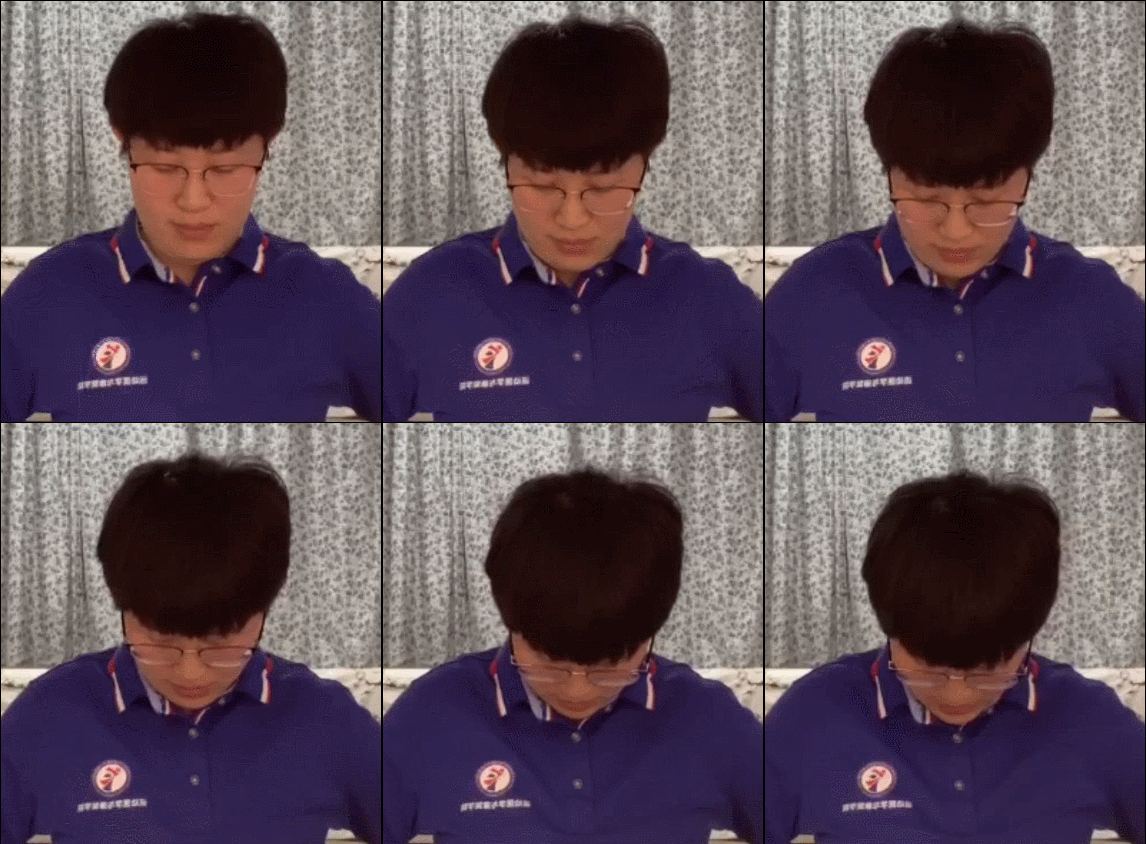
Neck extension and flexion
Extend to the limit, stay at the end point for 3 seconds, 8-10 repetitions for one set, pay attention to uniform and slow, coordinate with breathing, do not 'peck' like a bird, otherwise it may cause new injuries.
Left and right rotation
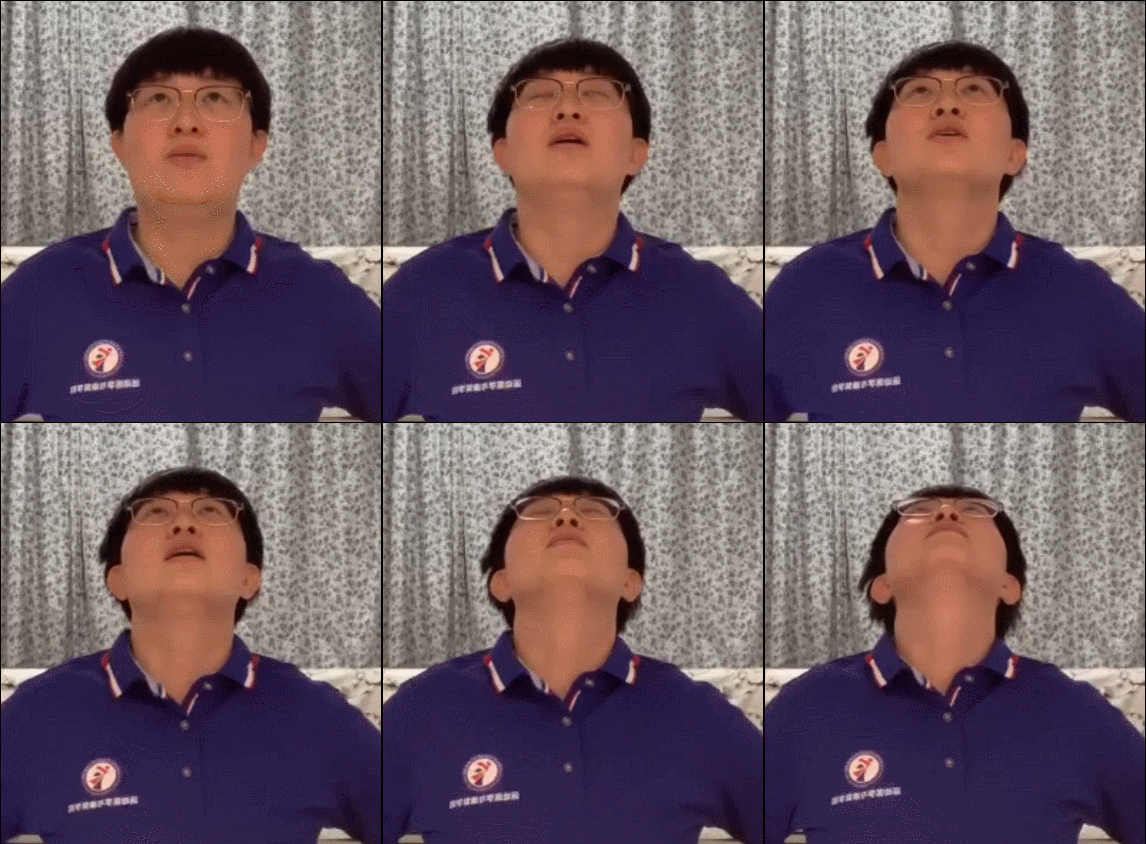
Also achieve the limit, stay at the end, pay attention to uniform and slow, coordinate with breathing, do not induce dizziness or discomfort.
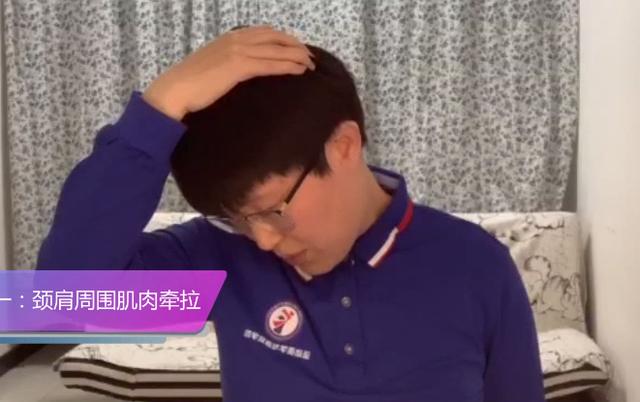
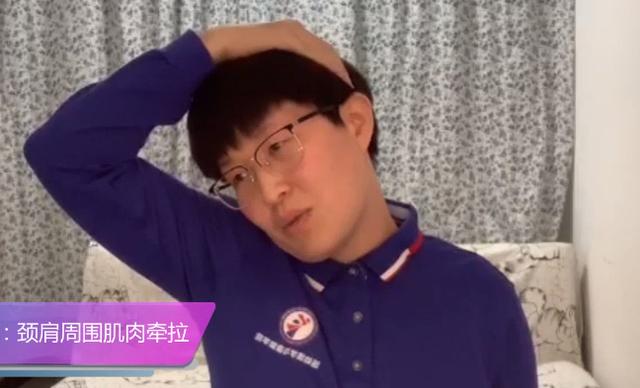
Lateral flexion
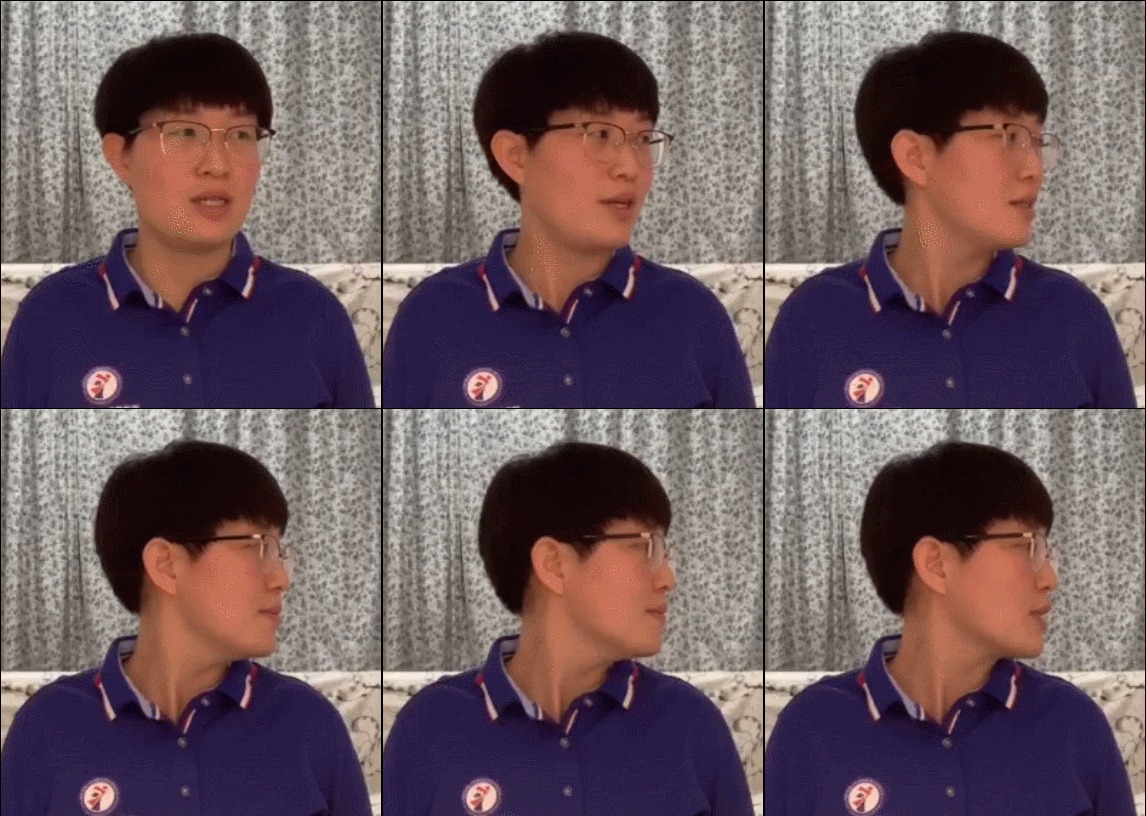
During the exercise, it is normal for the cervical spine joint to make a sound. Generally, it does not need to be alarmed, nor does it need to be alarmed. If it is accompanied by pain, it needs to be examined by a professional to determine the cause.
02 Thoracic Range of MotionIt is important to consider the activity level of the thoracic spine, if one part is restricted, it will require another part to compensate.

For sedentary people, the thoracic spine will tend to move backward, and the lower thoracic segment will be more prominent, which will reduce the extension of the thoracic spine.
Sitting back extension
Sit on a stable chair, with your hands clasped together in front of your chest, and your shoulders lowered, hold the resistance for 3-5 seconds, and keep your breathing. 8-10 repetitions for one set. Pay attention to the movement should be gentle and slow, do not exert force suddenly, to avoid injury. This action can increase the activity and coordination of the spine.
Sitting rotation
Sit on a stable chair, with both lower limbs placed on the ground and fixed, and both hands can be crossed in front of the head. The thoracic spine dominates the trunk rotation to one side, rotate to the maximum range, and stay at the end point for 3-5 seconds, keep breathing, 8-10 repetitions for one set. If the chair has a handle and backrest, and you feel that the thoracic spine is significantly restricted, you can also use it to apply a little force to assist your rotation.

03 Spinal Overall Range of Motion
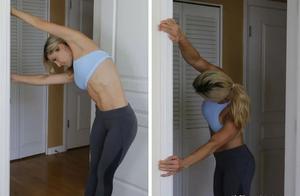
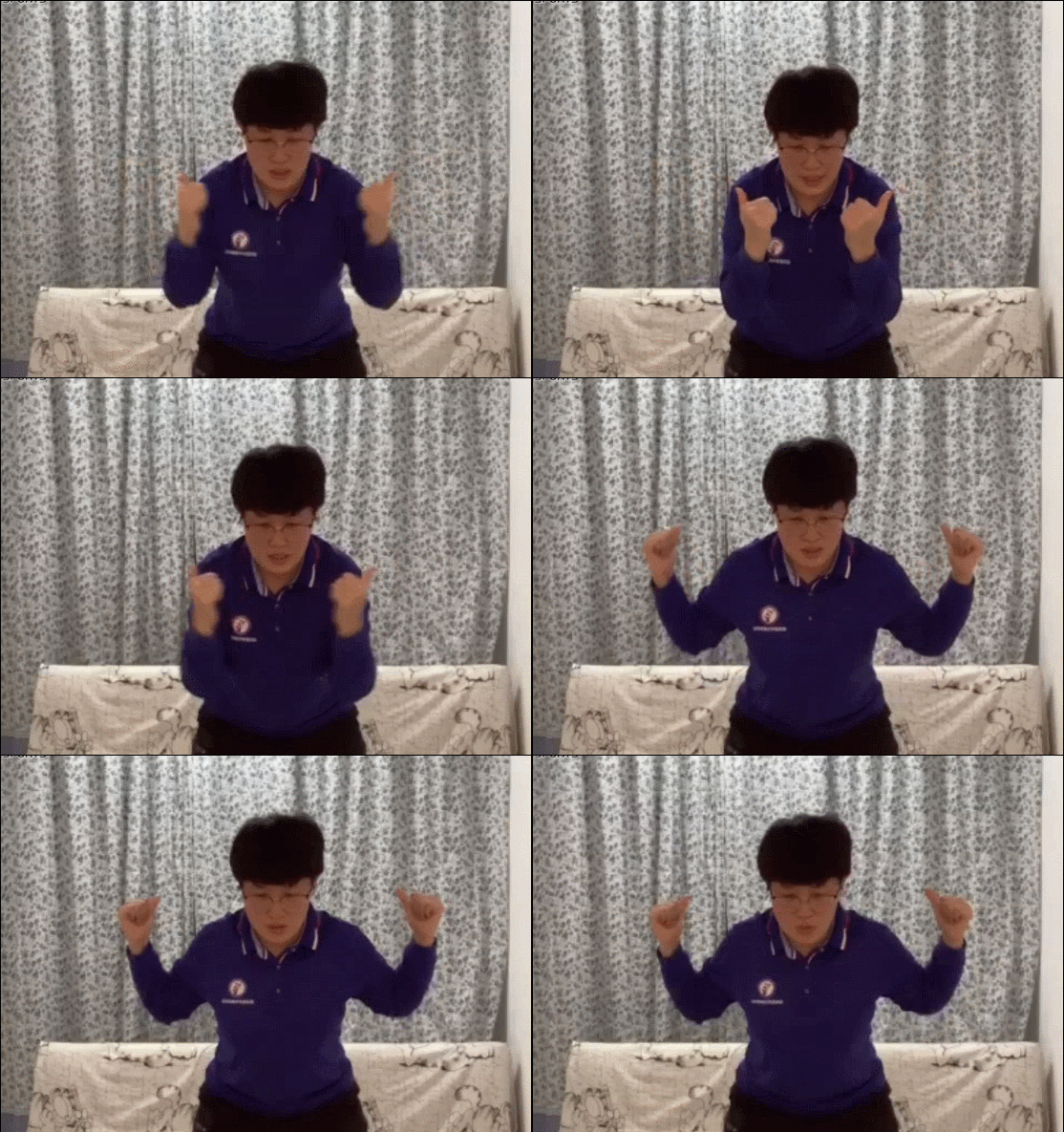
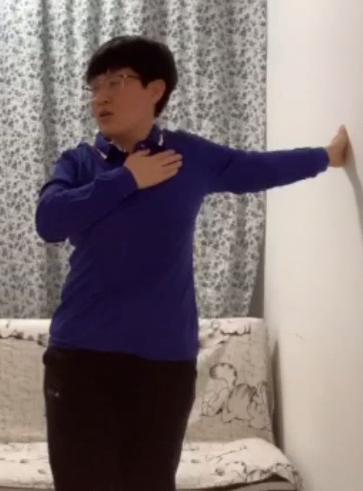
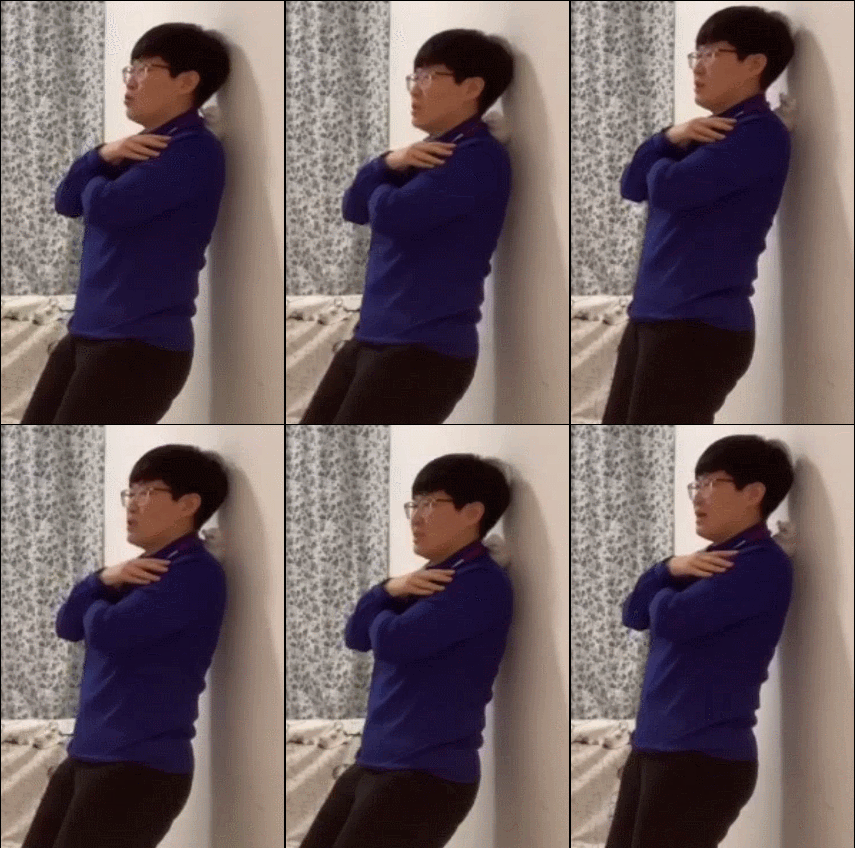
Stand up and flex the neck
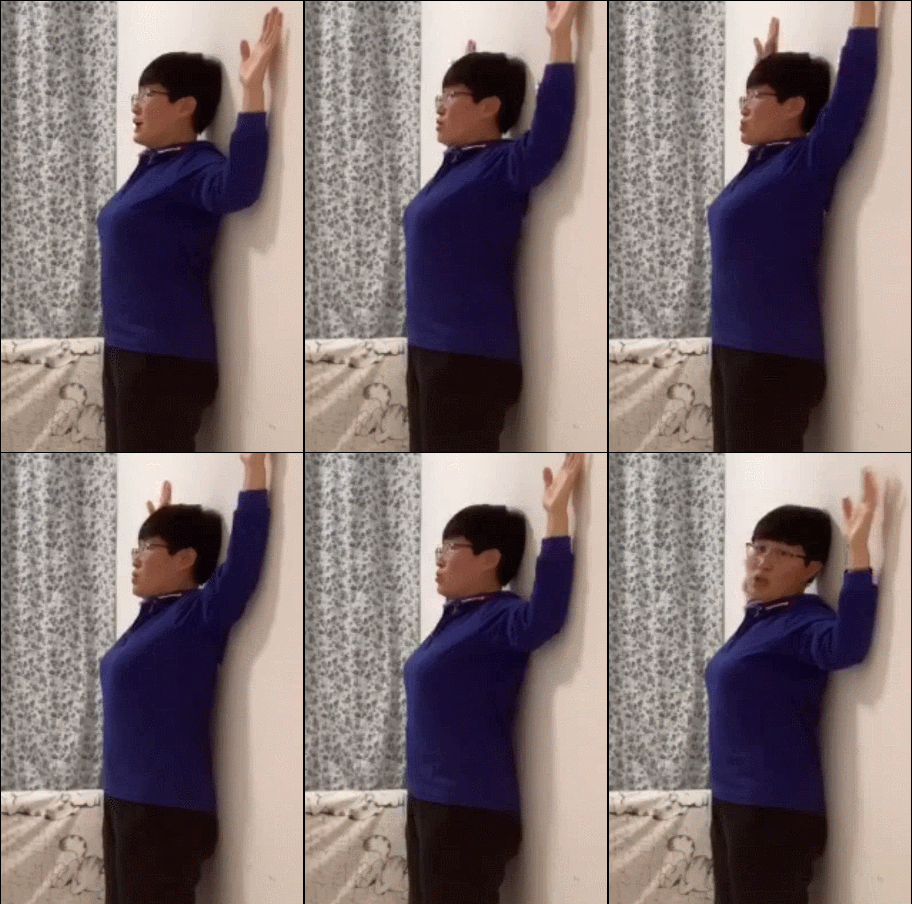
Stand with your back against the wall, retract your chin, widen your legs and feet slightly, and maintain a straight back. Keep your abdomen tight, and your thumbs pointing upwards. Raise your arms over your head, close to your elbows, and keep your shoulder blades down and inward. 8-10 repetitions for one set. Pay attention to the movement should be gentle and slow, do not exert force suddenly, to avoid injury. This action can increase the activity and coordination of the spine.
II. Muscle Strength Training
Long-term staying at your desk, in addition to posture, you also need sufficient muscle endurance and strength.
Muscle strength training not only prevents the occurrence of neck and shoulder pain, but also is an important link for repairing neck and shoulder muscle pain.
Note
The intensity of the training should be moderate, and the rest time should be sufficient.Maintain good posture to avoid injury.
I. Range of motion training
II. Muscle strength trainingEnd of the presentation, Mr. will give you a small reminder!Although most neck and shoulder pain is caused by soft tissue such as muscle fascia, it is important to distinguish the cause of the pain. If it is a pathological hunchback, these exercises cannot help you improve it. But if it's caused by posture, you can improve it to some extent. Pay attention to strengthen muscle training to maintain good posture.
01
10-152-3

(_)
10-152-3
10-152-3
02
8-102-3
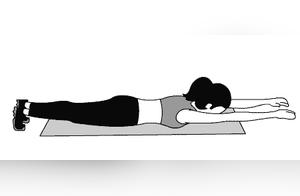
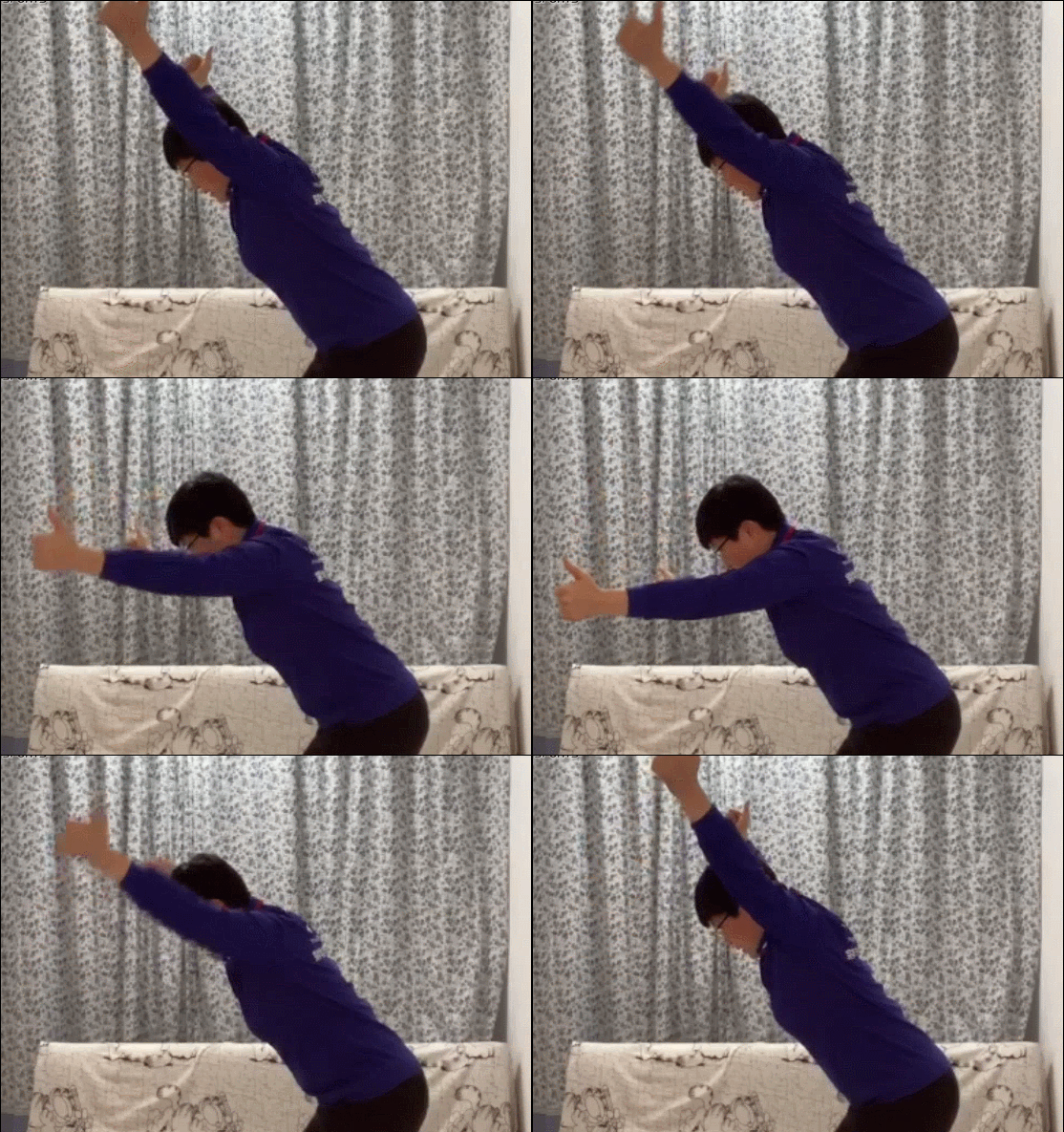
YTW
“Y”8-102-3“T”90“W”8-102-3
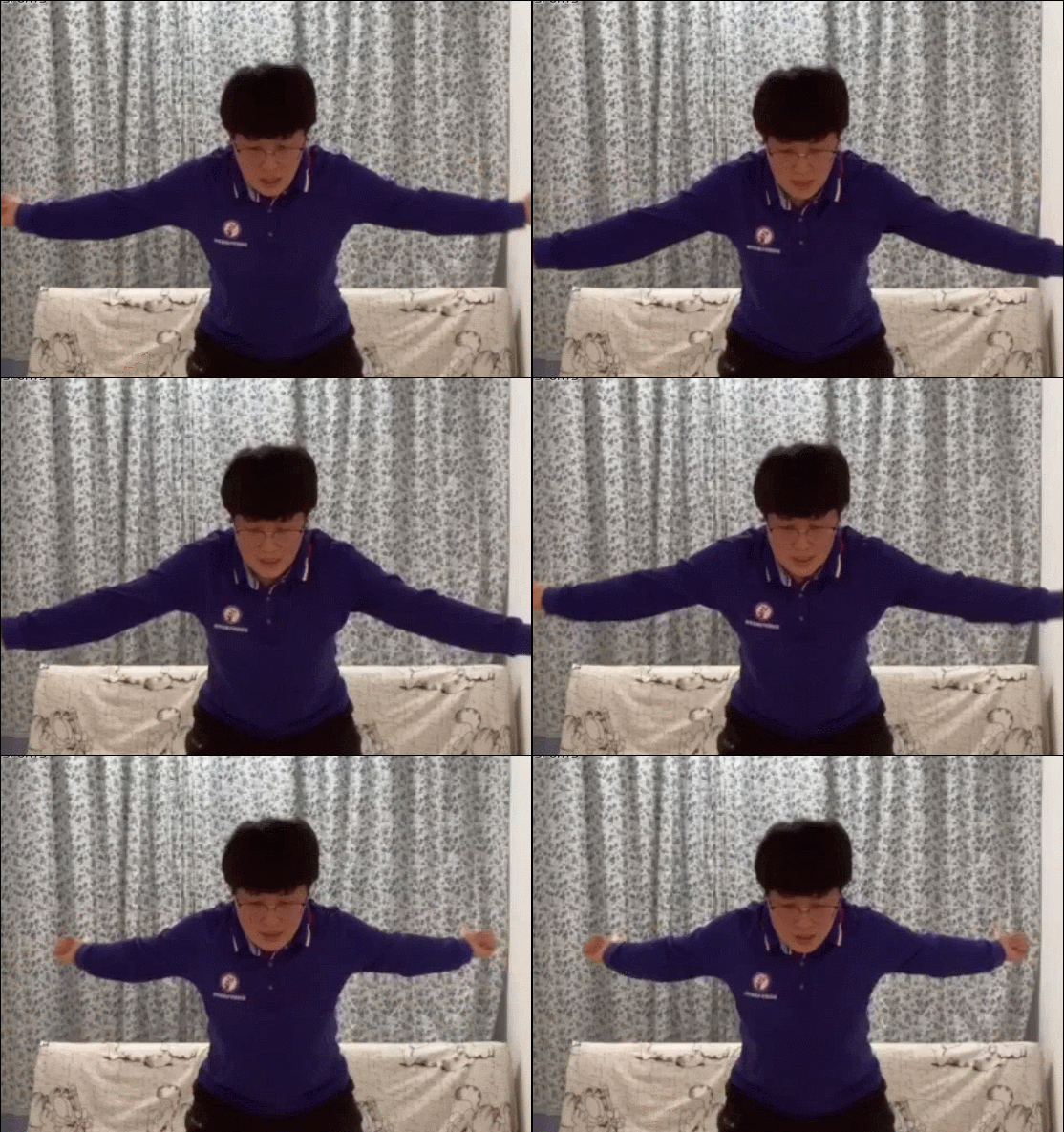
YTW
30-602-3
01
4515-302-3
4515-302-3

4515-302-3
15-302-3

15-302-3
02
1-2
“”