6 Exercises to Easily Correct Rounded Shoulder Problems, Transforming You into a Stylish Young Woman
Does everyone have similar childhood memories? Starting from school, whether sitting or standing, as soon as my posture relaxed a little, my parents would immediately remind me to sit up straight or stand up straight, don't hunch your shoulders. Female readers should understand this better. Many girls were also asked to learn dance, which shows how much effort parents put into supervising us – it was all for cultivating our healthy posture and improving our bearing. However, many people still form bad postures later in life due to the influence of work, study, or living habits. Among all the bad postures, the rounded shoulders are the most influential on one's bearing, especially for women, it's even called 'bearing killer'. Many beautiful female celebrities have been criticized for this posture problem. Today, let's share some content related to rounded shoulders, hoping to help everyone solve this problem.
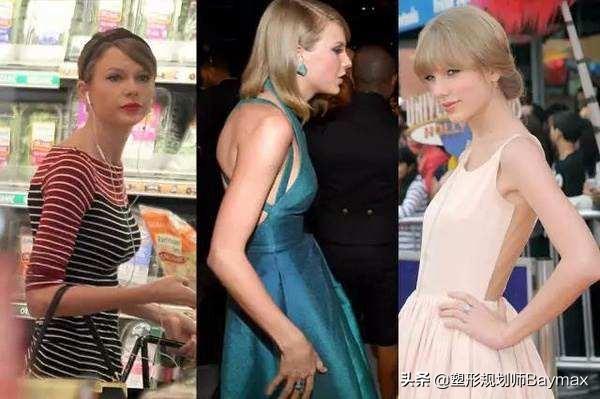
What are rounded shoulders and how to self-test?
When people talk about rounded shoulders, they generally think of 'hunching and hunching'. Breaking down this term into two posture problems, rounded shoulders are 'hunching', and the more advanced term is 'upper crossed syndrome'. This posture looks slightly arched, with the shoulders forward and inward, and the space between the shoulders is semi-circular. Therefore, it's commonly called rounded shoulders. 'Hunching' is a posture of bending the back and deforming the spine. The repeated reminders from parents about sitting posture are to prevent young people from triggering hunching due to bad sitting habits; other factors include congenital malformations, lack of nutrition, and trauma, etc. The cause of hunching is complex, so we won't elaborate on it much here.
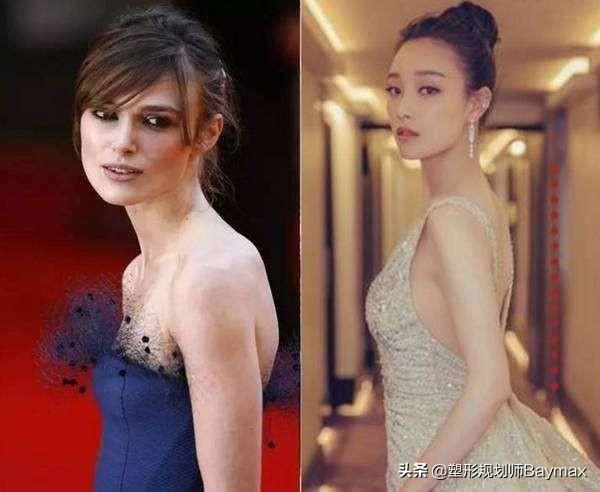
Self-testing for rounded shoulders is very simple: stand naturally, let friends or family observe you from the side to see if the acromion process is ahead of the ear, if so, you belong to the rounded shoulder posture. What causes rounded shoulders?
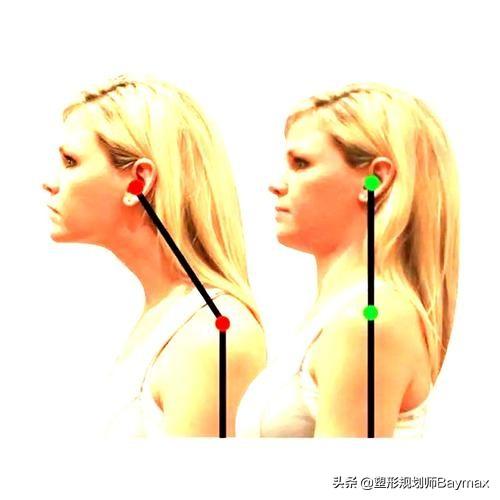
Why do we get rounded shoulders?
Our rounded shoulders are mainly caused by bad habits in daily life, such as prolonged head-down play with mobile phones and reading, or lying on the sofa. These bad habits can lead to muscle imbalance around the neck and chest, causing rounded shoulders. Office workers and students are prone to rounded shoulders. Under the influence of these bad habits, the pectoralis major and minor muscles, the trapezius muscles, the sternocleidomastoid muscle, and the upper trapezoid muscles are in a state of tension. Conversely, the deep neck flexor muscles, the lower trapezoid muscles, the rhombus muscles, and the anterior scalene muscles become slack, leading to muscle imbalance and rounded shoulders.
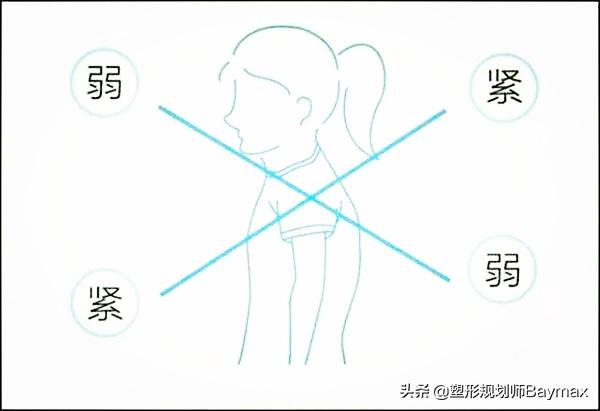
To solve the problem of rounded shoulders, we need to make corresponding adjustments to the affected muscles. Let's see how to solve it.
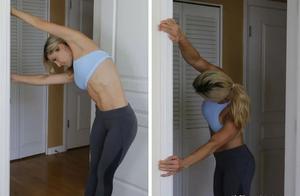
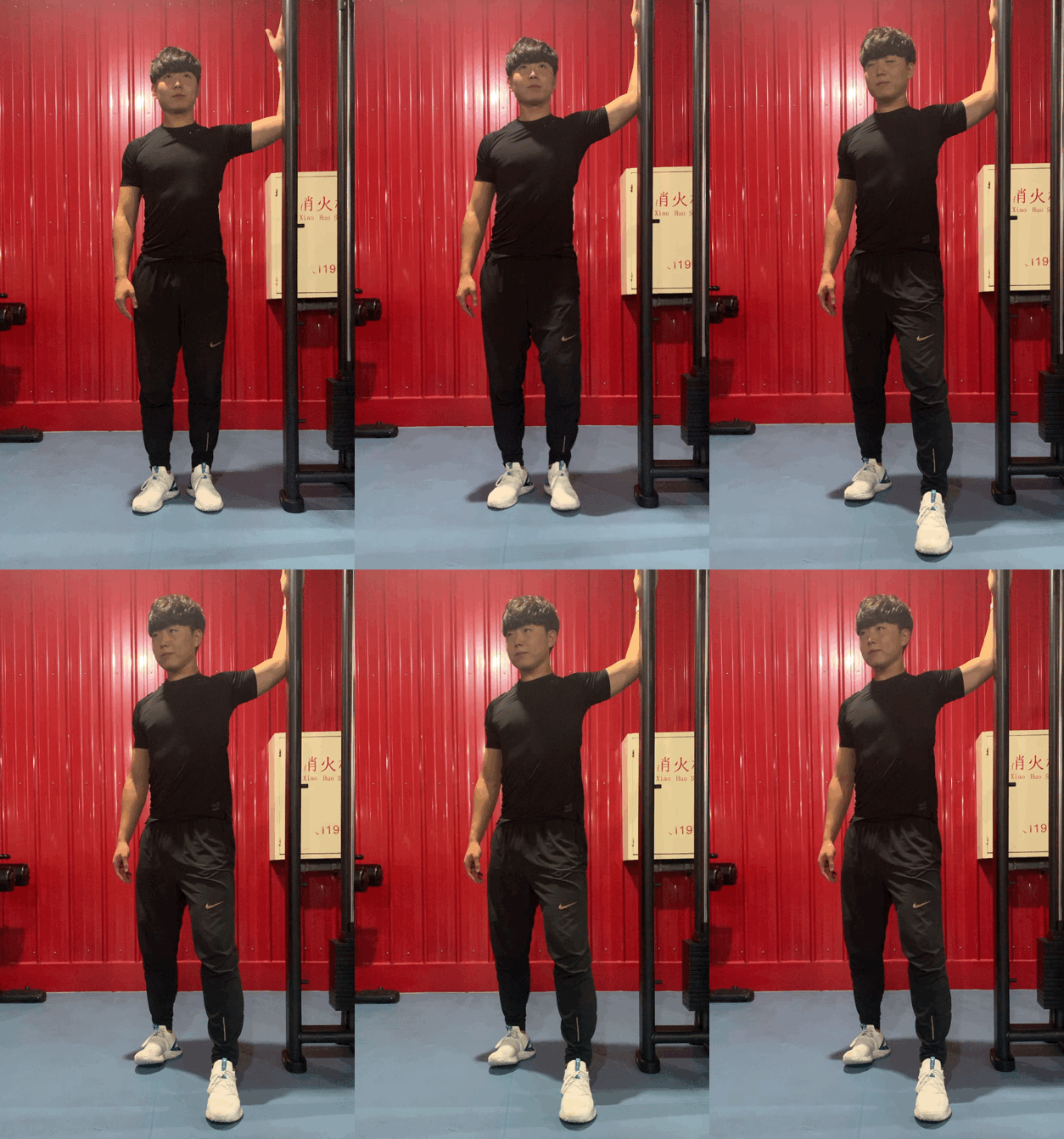
Action one: Arch step stretch
Action purpose: Stretch the pectoralis major and minor muscles
Action points: Maintain an upright posture, with one arm raised horizontally at the same height as the shoulder, with the elbow bent at 90 degrees, the small arm resting on a support, keep the body stationary, step forward with one leg to form an arch, then rotate the upper body towards the side to be stretched, feel the stretch of the chest, 30 seconds each side, alternate between the two sides, 4 sets.
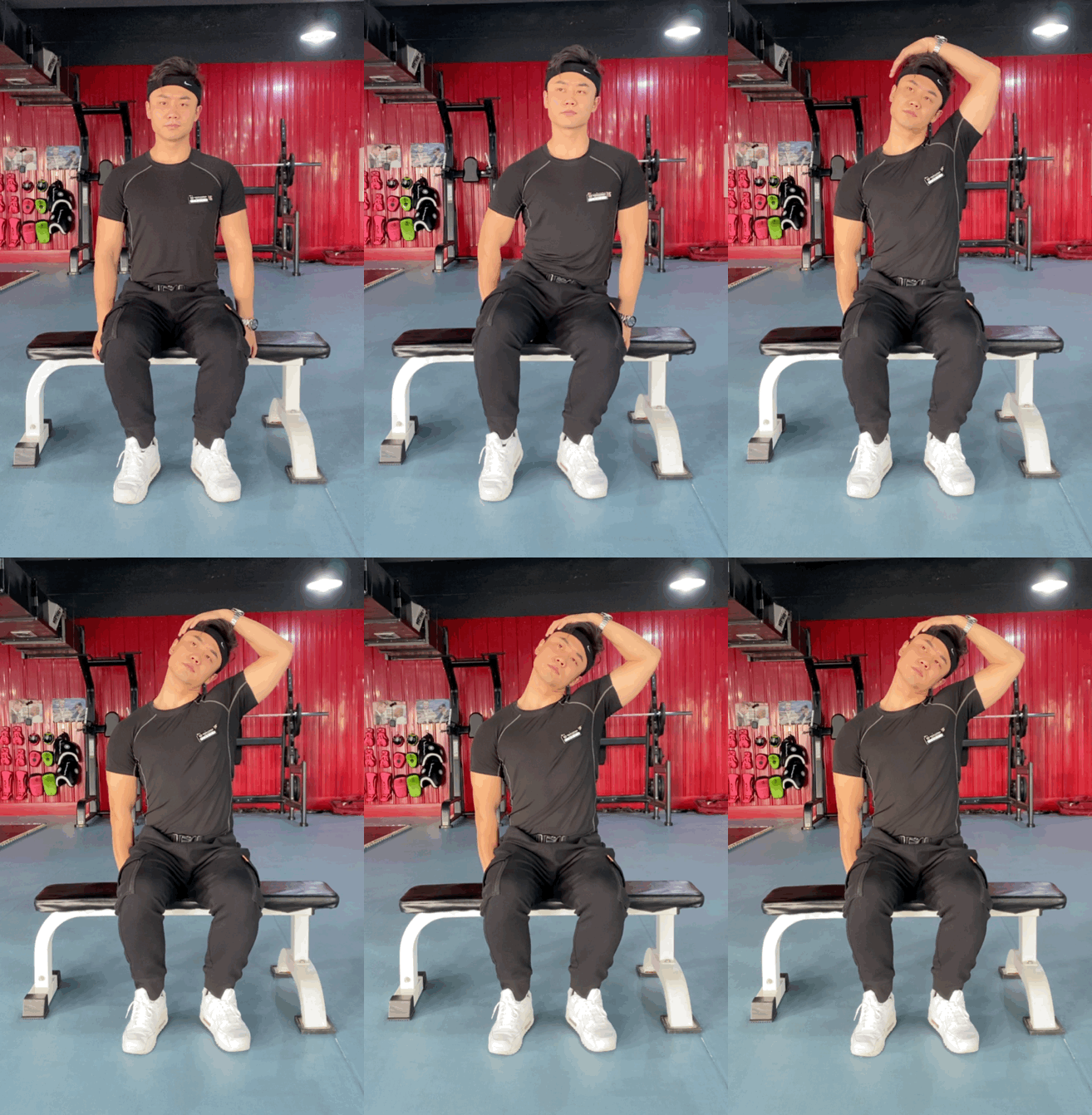
Action two: Lateral neck stretch
Action purpose: Stretch the upper trapezoid muscle
Action points: Stand upright with the upper body sitting on a chair, one arm resting on the back with the palm down on the hip, the shoulders down, use the other hand to pull the head to the side of the shoulder, feel the stretch of the upper trapezoid muscle, 30 seconds each side, alternate between the two sides, 4 sets.
Action three: Neck rotation stretch
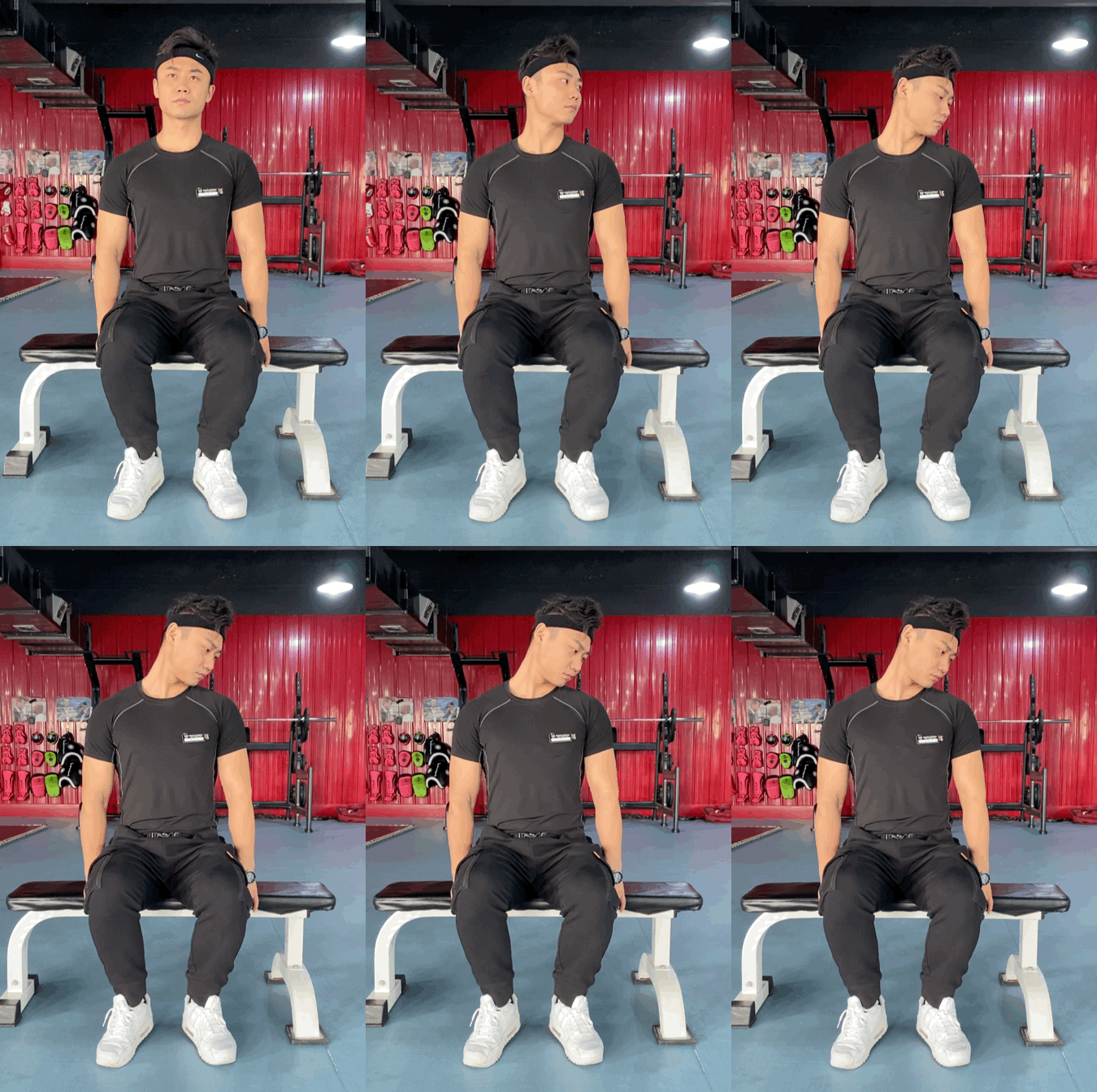
Action purpose: Stretch the trapezius muscle
Action points: Tilt the neck to the left, then lower the head and contract the jaw, looking 45 degrees downward, maintain for 30 seconds, alternate between the two sides, 4 sets.
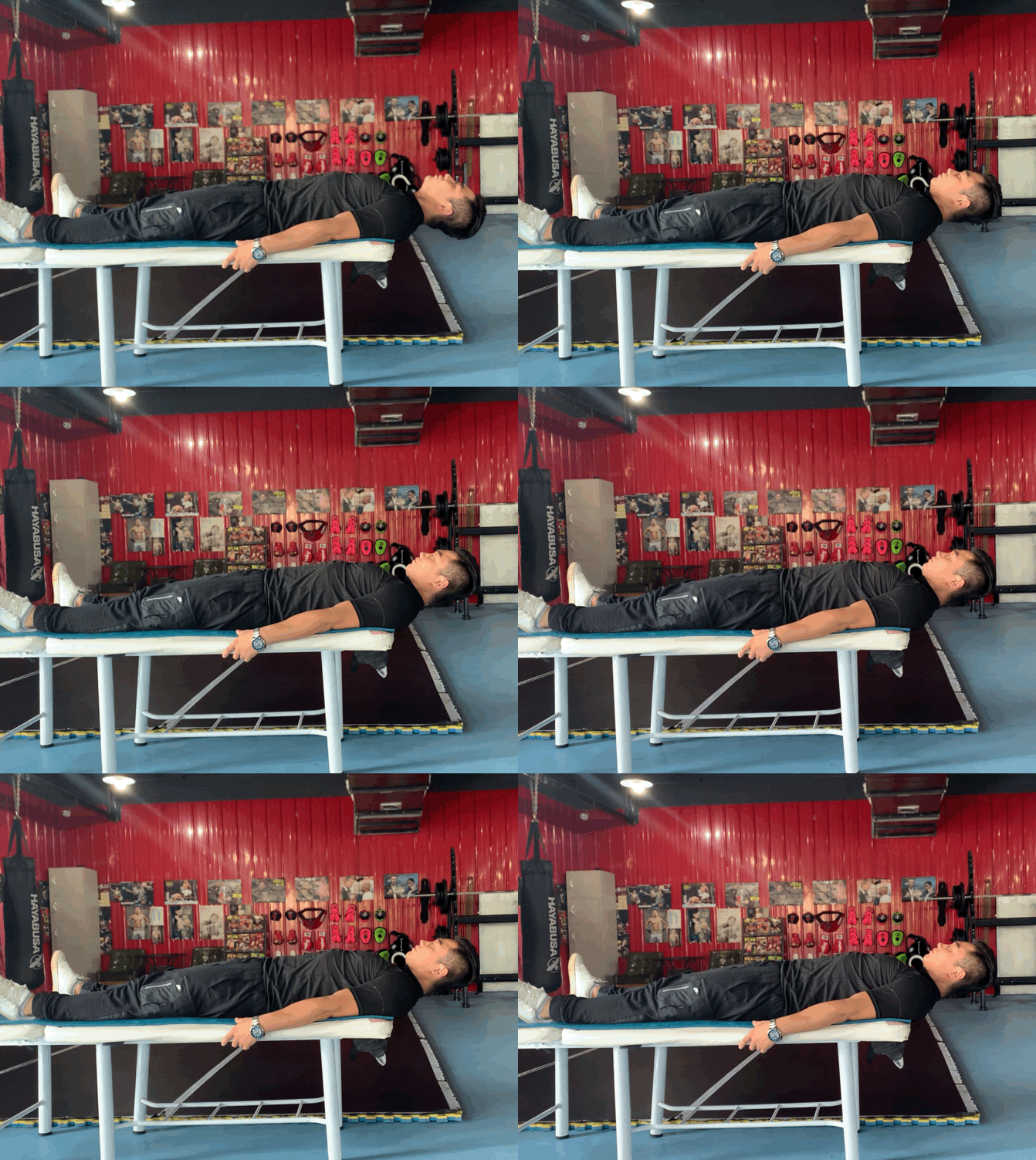
Action four: Head suspended flat lie
Action purpose: Strengthen the deep neck flexor muscles
Action points: Lie flat on the bed, the head hangs loosely, the neck flexor muscles are active, and the jaw is slightly closed, maintain the head still for about 1 minute, 4 sets.
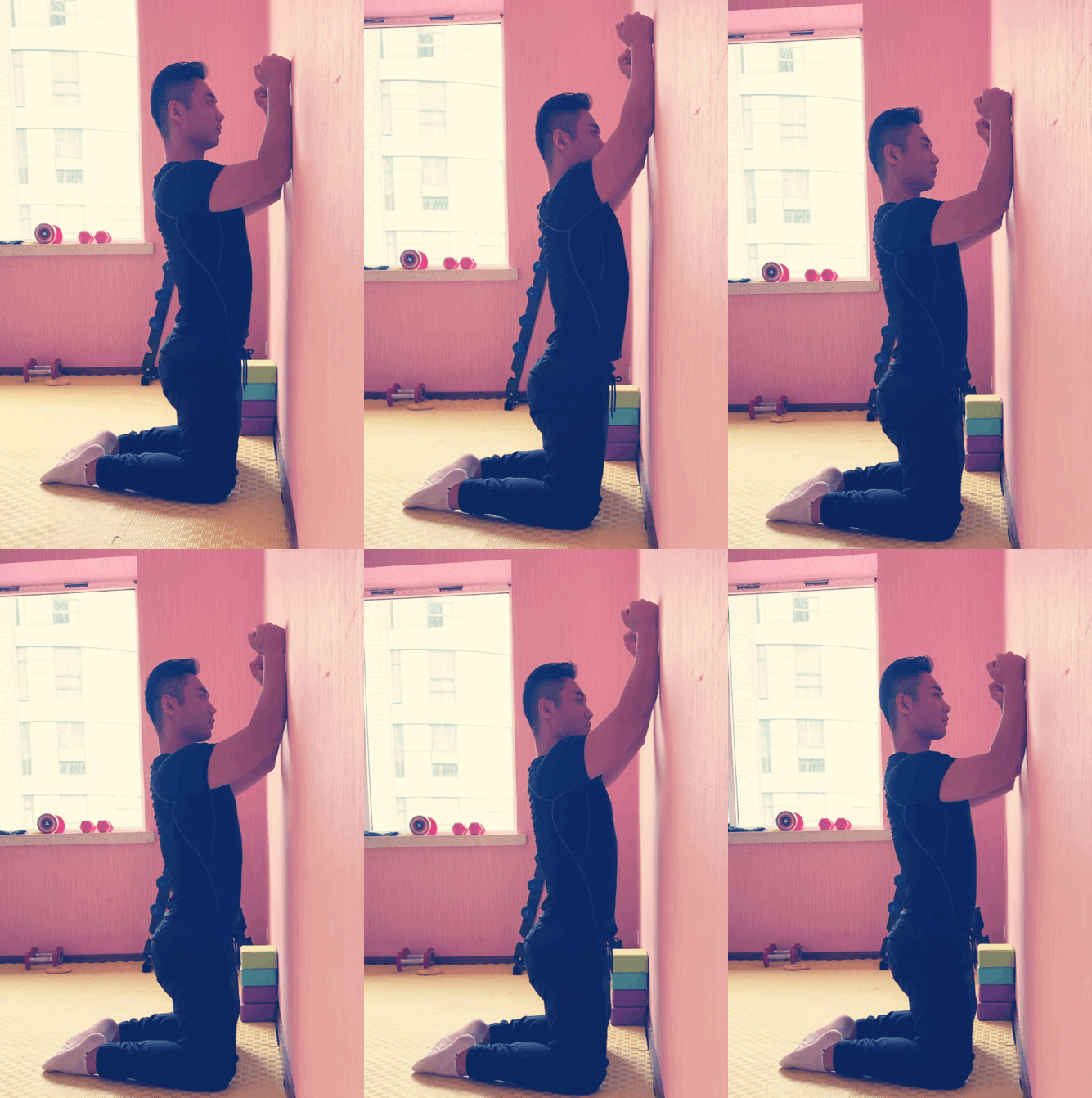
Action five: Kneeling upper push
Action purpose: Strengthen the anterior scalene muscle
Action points: Kneel with both knees bent, keep the body and ground vertical, raise both hands to the same height as the shoulders and the face is parallel, hands with the same width as the shoulders, small arm is vertical to the arm, hands are attached to the wall, exhale hands upward, reach the peak, inhale and return, repeat 12 times, 4 sets.
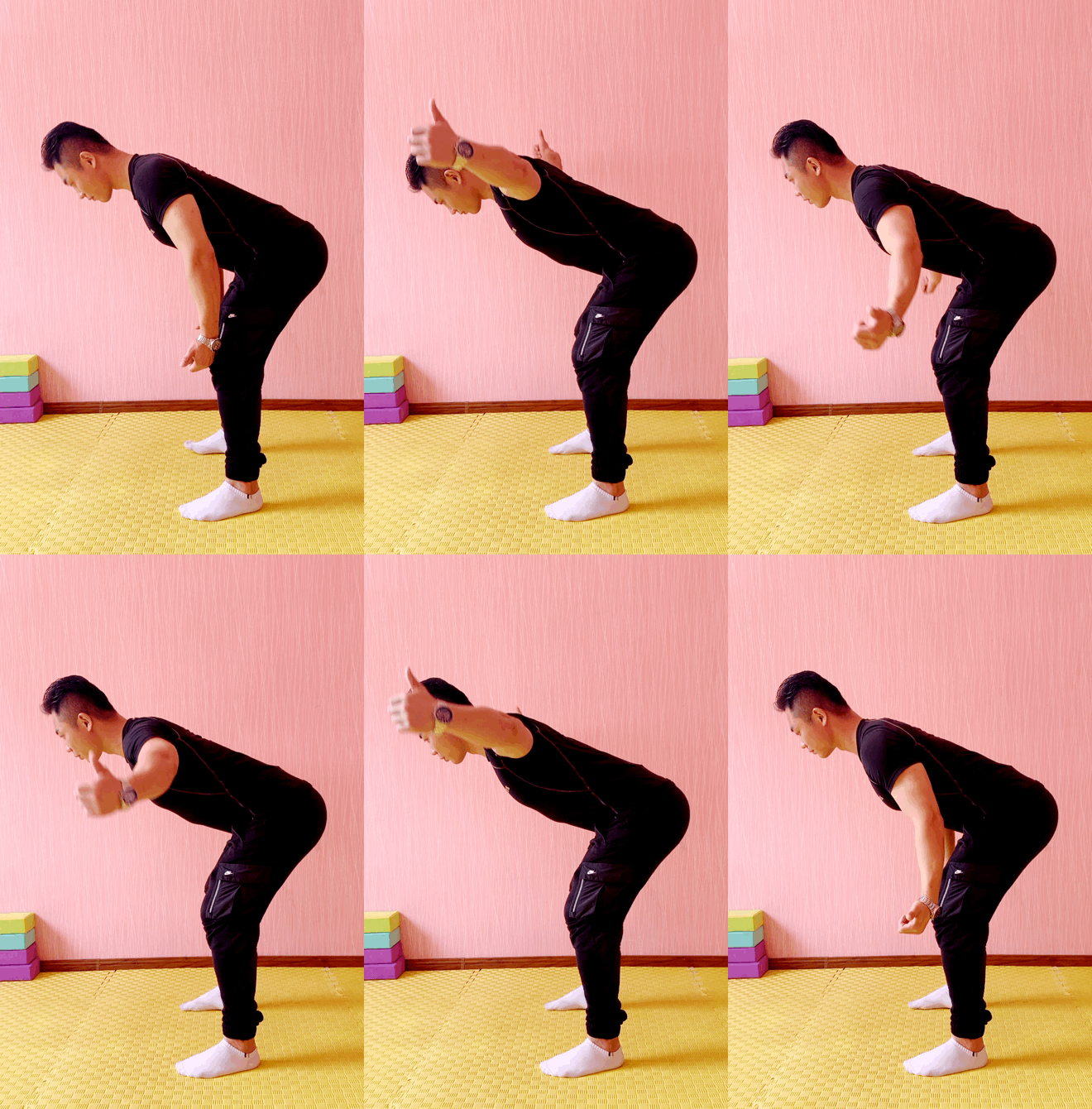
Action six: T-shape back extension
Action purpose: Strengthen the rhombus muscle, lower trapezoid muscle
Action points: Lean forward and stand upright, bend the knees, tighten the core, hands naturally downward, use the back to push the hands upwards, inhale, return to the original state, repeat 12 times, 4 sets.
Summary