Sports and Rehabilitation: How to Delay Spinal Disc Degeneration
Intervertebral disc degeneration is the most common finding when people undergo spinal examinations. If you have this condition, don't panic. As we age, everyone will experience some degree of spinal disc degeneration. Research shows that:
1. What is Intervertebral Disc Degeneration?
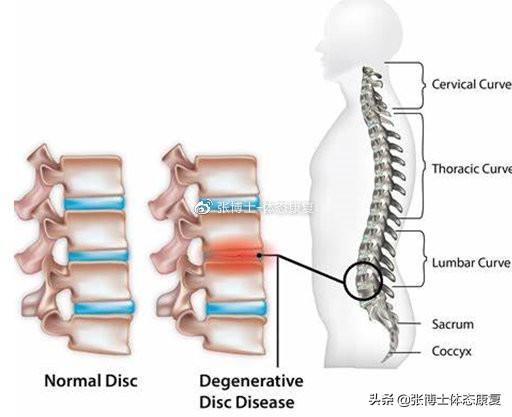
Many people frequently experience lower back pain, so they consult doctors and undergo imaging examinations. Many people are told they have intervertebral disc degeneration, and they are worried.
If you have this condition, you don't need to worry, because the fact is that everyone will experience some degree of spinal disc degeneration as they age. Research shows:
· 37% of people over 20 have disc degeneration.
· 52% of people over 30 have disc degeneration.
· 68% of people over 40 have disc degeneration.
· 80% of people over 50 have disc degeneration.
2. Disc Degeneration Does Not Equal Back Pain
If you experience back pain, it is important to find the root cause, because many people with disc degeneration do not experience back pain, and vice versa.
First, we need to understand the problem from an anatomical perspective.
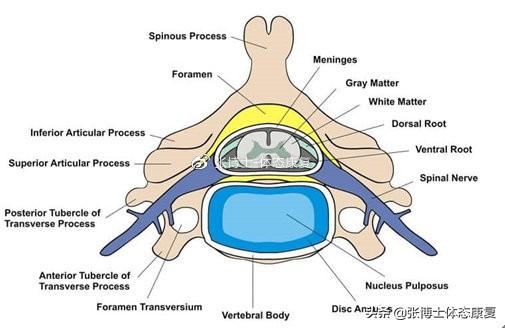
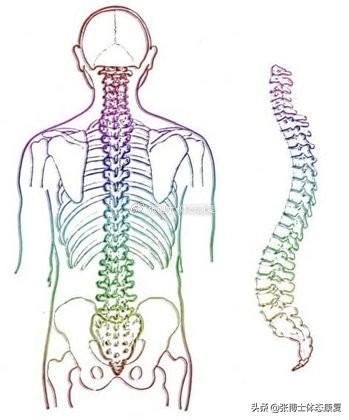
Intervertebral discs are composed of fibrous and gel-filled discs located between the vertebrae of the spine. Over time, and with our daily movements, the spine is constantly subjected to compression, which causes these discs to shrink.
As they dry out and naturally shorten, the space between the vertebrae decreases, which can cause various symptoms, including nerve tension or muscle spasms, but it may not cause significant impact.
Therefore, we can take measures to prevent the further degeneration of the intervertebral discs and relieve existing back pain.
3. How to Prevent the Further Degeneration of Intervertebral Discs?
Although our intervertebral discs will naturally degenerate with age, some bad habits will accelerate this process.The biggest problem is posture (body type).
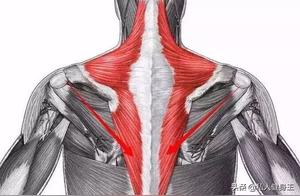
If you over-arch your back or have a thoracic kyphosis, it will put additional pressure on the front of the thoracic spine. The spine is a whole, and poor thoracic posture often leads to compensatory changes in the lumbar spine—excessive lumbar lordosis. This will put additional pressure on the back of the lumbar vertebrae.
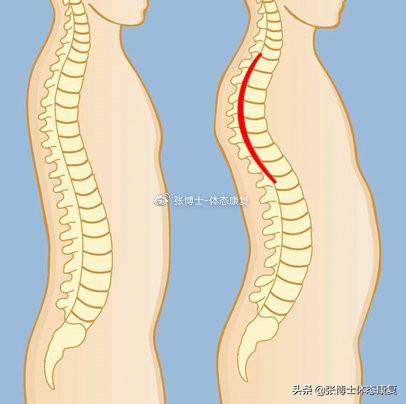
This additional pressure (especially on the larger intervertebral discs) can accelerate disc degeneration and cause pain such as herniated discs.Nerves are stimulated, causing pain to radiate from the spine to the legs.
To prevent this, we must pay attention to our body posture. We often neglect our posture throughout the day when we sit in front of the computer. But by starting with a small point, we can gradually correct our posture.
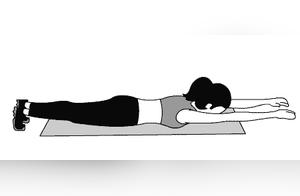
Next, we can perform some exercises every day to strengthen weak muscles and relax tight muscles.
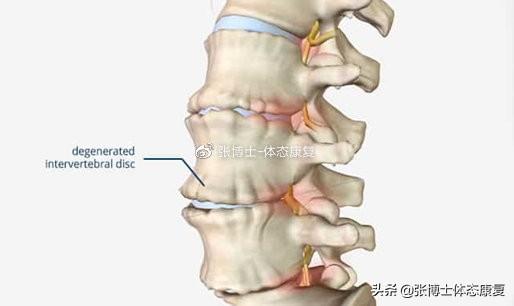
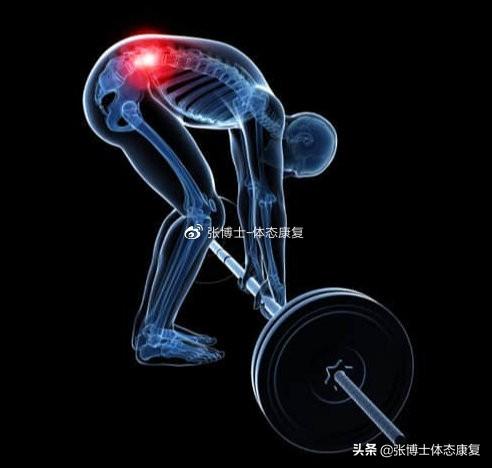
Another factor that accelerates intervertebral disc degeneration is excessive load on the spine.
If you are a weightlifter and like to train with heavy weights, such as squats, you put a lot of load on the spine during training. So, you need to consider your actual situation and train scientifically.
4. Prevent Back Pain Caused by Intervertebral Disc Degeneration
There are several simple methods that can help reduce your pain. Some people have functional degeneration but have not yet appeared any symptoms and pain, but we can effectively prevent it through the following methods.
1. Core Stability Training

Our core plays an important role in stabilizing the spine. If the core muscles are not activated and functioning normally, the spine may move towards an unbalanced direction—meaning we are more likely to experience muscle imbalance and tension, which can trigger pain. This incorrect or excessive exercise form can accelerate degeneration and may damage the intervertebral discs. Therefore, core stability training is a long-term and effective way to relieve back pain and other more serious problems.
2. Reduce Pressure on the Spine
Another approach is to do some exercises to reduce pressure on the spine.
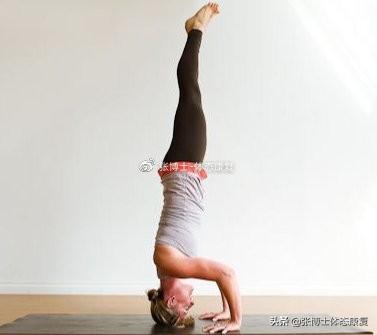
We can do hanging exercises, such as handstands. When we do handstands, our body weight will pull our body down, expanding the spine and allowing the intervertebral discs to have some breathing space.
Opening this space allows the liquid to return to the intervertebral discs, so this is a very good way to promote the health of the intervertebral discs.
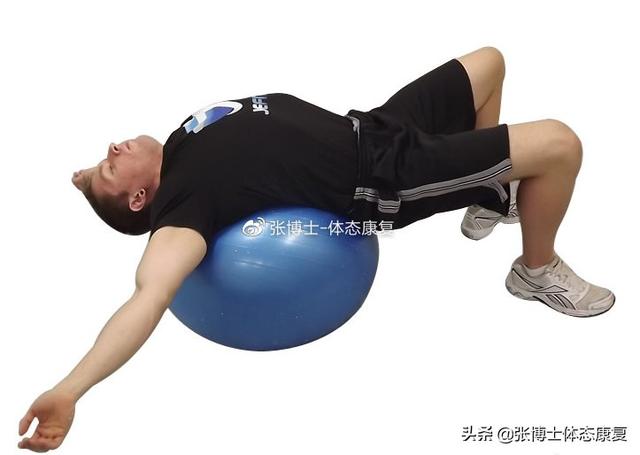
If you cannot complete a handstand or find this exercise boring, you can also lie on a Swiss ball to practice.
3. Train Spinal Flexibility
Once we have established a core with protective and stable function (without feeling back pain when increasing exercise), we can consider the flexibility of the spine.
Just like other physical problems, when the intervertebral discs feel the right pressure, they will react and become stronger. Through the correct weightlifting plan, we can increase muscle strength.
Moreover, when we open the space of the spine, it helps the liquid to return to the intervertebral discs, which is the same as when we pump water.Let's introduce a simple spinal flexibility exercise method—the cat-dog position, from a gentle spinal flexion and extension to spinal extension.
This method can not only improve spinal flexibility, but also activate the deep stabilizing muscles, so that we can maintain good posture in everyday life.
Remember, even if we are diagnosed with intervertebral disc degeneration, the spine can still move. Therefore, we must maintain core stability and promote spinal flexibility.5. The Bottom Line of Intervertebral Disc Degeneration

I understand that when you are told that your spine is degenerating, you will feel very scared. But as time goes on, degeneration is inevitable. Many people have the same degeneration, but do not have pain.
The difference between back pain and no back pain depends on whether the body posture and function are abnormal. To maintain normal body function, core stability and exercise mode are all things we need to pay attention to.