When to Eat a Fitness Meal During Slimming Exercise?

Pre-workout
Post-workout: If you’ve eaten a sufficient carb and protein meal an hour before training, you don’t need to consume anything further before training.
Pre-training: If you’ve been over 3 hours since your last meal, you should supplement with some carbs and protein before starting training.
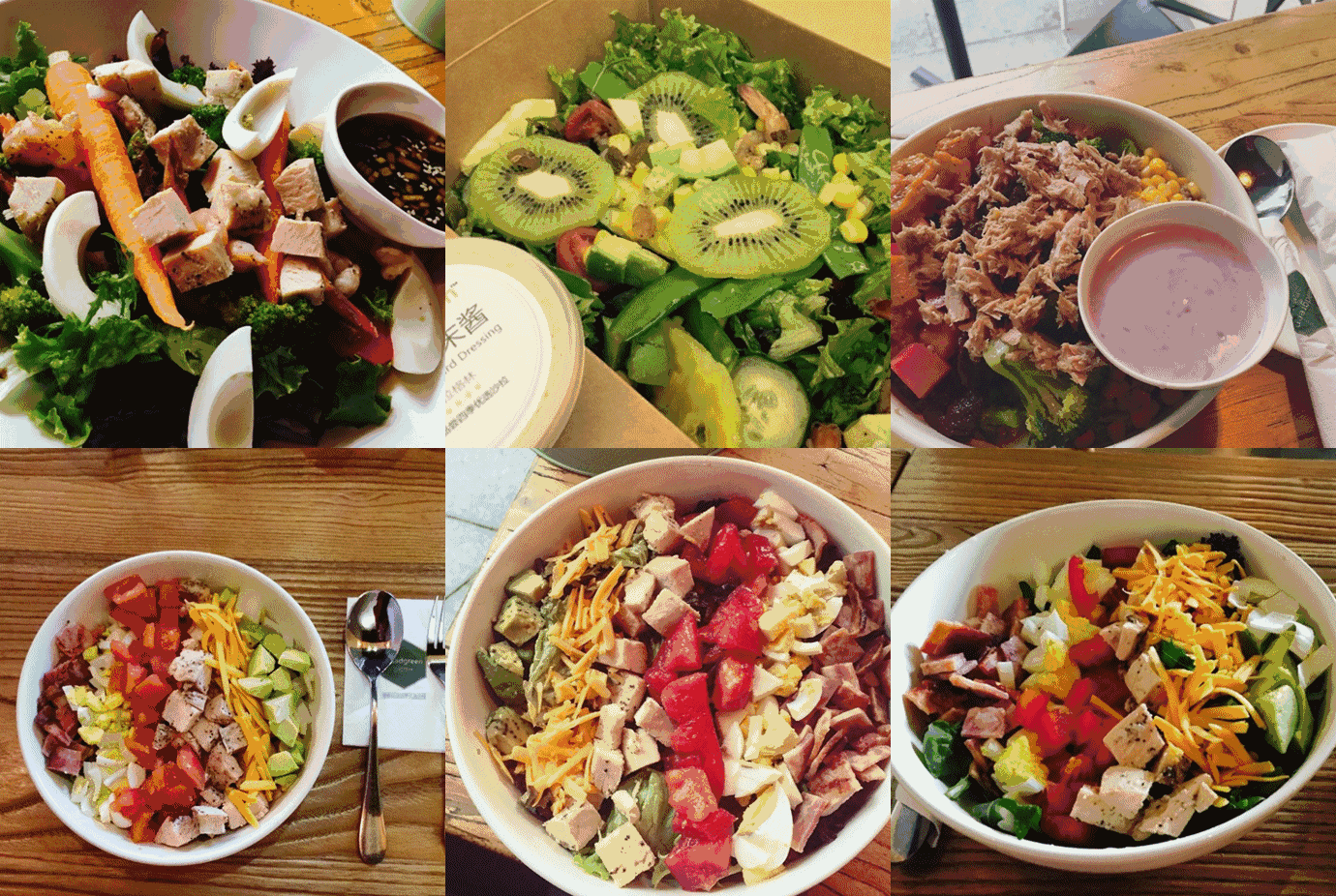
What to eat: A scoop of protein powder + two bananas; or bread, cereal, bananas, raisins, sports drinks etc.
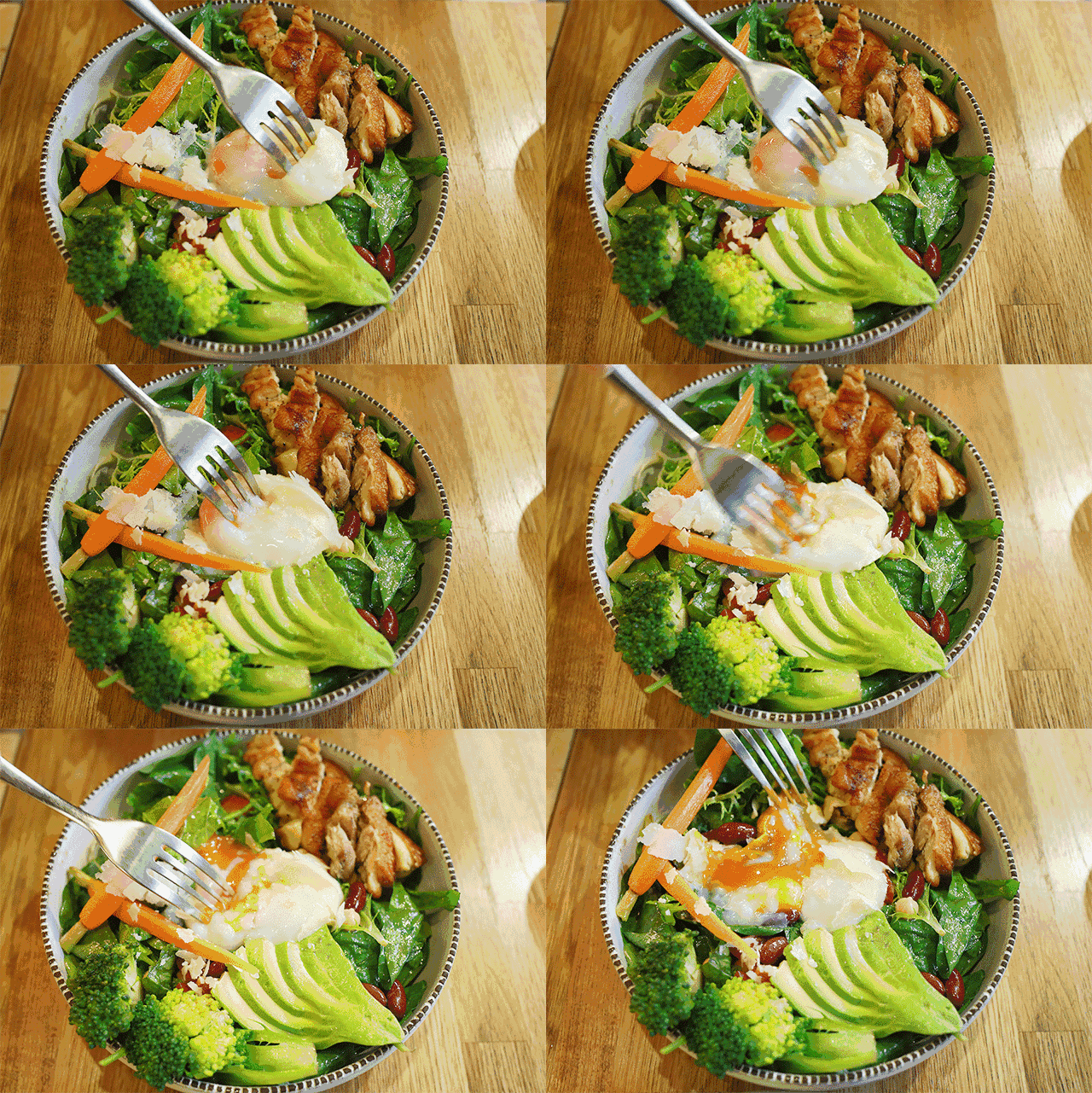
During training
If you’re doing strength training and sweating minimally, hydration is sufficient.
If you’re doing a large amount of cardio, or prolonged strength training, or other high-output exercises, you’ll also be diluting your electrolytes, promoting fluid loss, and consequently, becoming increasingly thirsty – at this point, you should replenish with a sports drink.

Training after
Within an hour after training, you should quickly replenish protein and carbohydrates; carbohydrates quickly replenish muscle glycogen, while stimulating insulin secretion, helping protein absorption, and inhibiting adrenal cortex-induced protein breakdown, restoring nitrogen balance.

Carb options: Rice, noodles, whole grains, oats, potatoes, sweet potatoes, corn, fruits.
Protein options: Don’t choose difficult-to-digest proteins like meat, but choose milk, egg whites, or protein powder that are more readily absorbed.

Nitrogen balance is key to muscle gain, so muscle-building friends must ensure their bodies have sufficient protein to utilize during training – this is the mystery of nutrition.

Fitness is a sporting activity such as various bodyweight exercises, rhythmic exercises, gymnastics, and various resistance exercises. Gymnastics enhances strength, flexibility, endurance, coordination, and the ability to control the parts of the body, thus strengthening the body. To achieve the purpose of relieving stress, exercise at least 3 times a week.
Why does exercise increase weight?
For those with poor initial fitness and weak muscles, exercise not only burns fat but also strengthens internal organs, increasing the proportion of muscle in the body composition. However, muscle weighs more than water, while fat weighs less than water. If a dieter reduces 1 kg of fat but increases 1 kg of muscle, weight gain will inevitably occur. This is most noticeable in the initial stages of exercise. Once the metabolic rate returns to a high level, the fat-burning ability of the obese person will strengthen, and then a slow but continuous weight loss will be observed.
Follow us