From Half Marathon to Full Marathon
After participating in several half marathons, many runners begin to consider trying a full marathon. The race distance has doubled, so the preparation will also be different.
1Find a suitable plan
Scientific training requires a correct plan. Because each runner's situation is different, a plan suitable for themselves should be formulated. My training method is to train 2-3 times per week, each time running 10+ kilometers, and each training session, gradually increasing the volume and intensity, as well as weekend LSD practice. In the two months before a marathon, targeted core training such as: long runs, interval runs, etc. are carried out.

2Set target values
Since you are participating in the race, you should set a target, whether it is to finish or to complete the full marathon within a certain time, you can evaluate your strength and formulate a target that is suitable for you. The other purpose is to effectively motivate yourself to invest in training. Psychologists have come to the conclusion thatWhen people have a clear goal and can constantly compare their actions with the goal, they can clearly know their progress and the distance between them and the goal, the motivation for their actions will be maintained and strengthened, and they will consciously overcome all difficulties and strive to achieve the goal.Indeed, to achieve a goal, you must climb the stairs one step at a time, breaking down the big goal into multiple easy-to-achieve small goals, and step by step towards the goal.
3Reward yourself appropriately
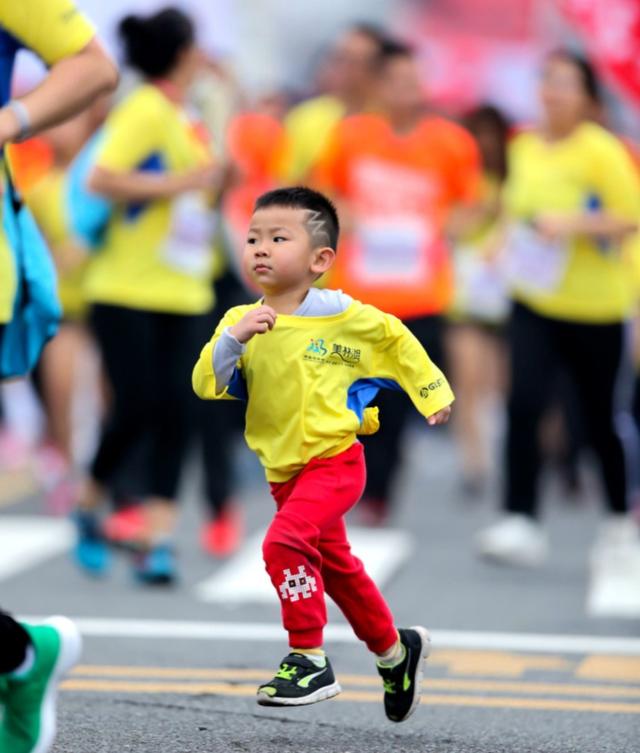
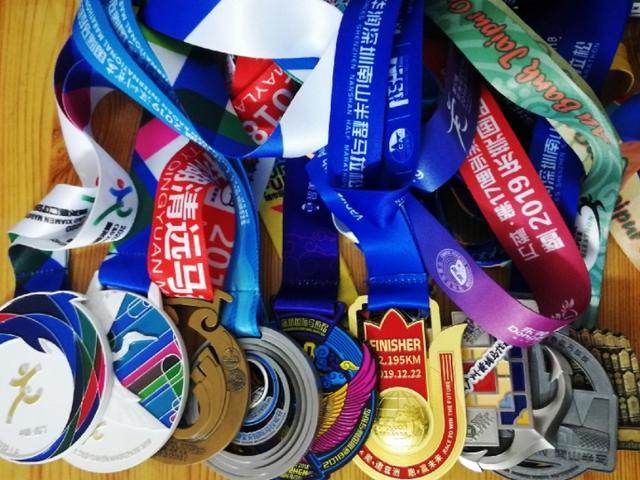
Training is boring, lonely and painful. If you want to maintain a full of motivation to achieve the goal, the best way is to reward yourself appropriately, reward yourself with what you most desire, it can be a meal, a small gift, give yourself some positive cues.
4Keep training notes
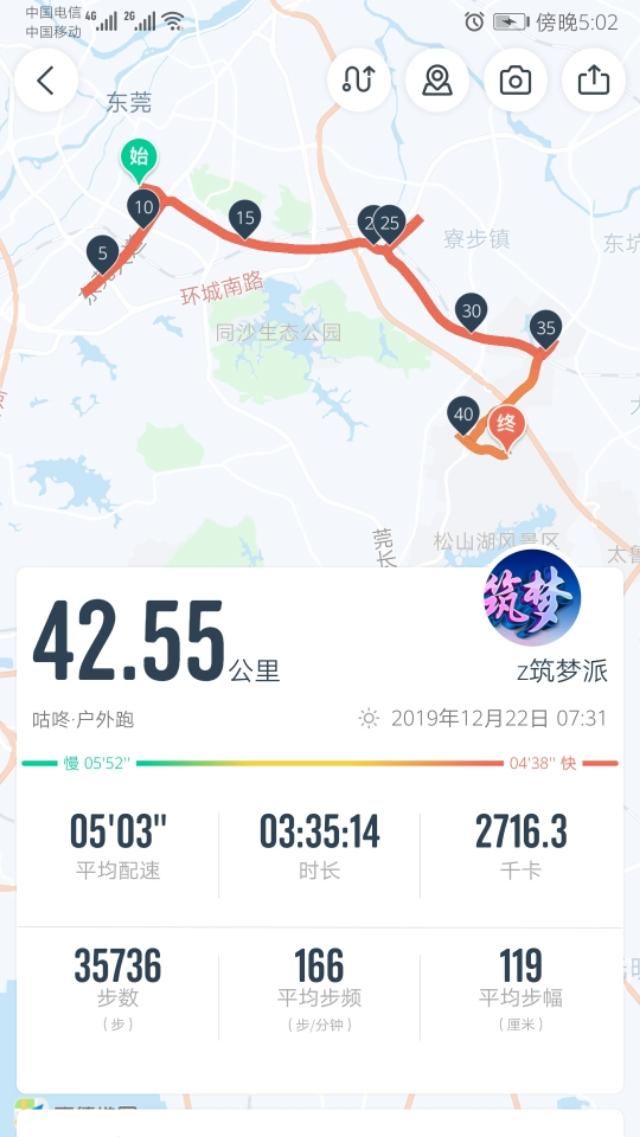
a. Here are my 2019 December 22nd Dongguan Marathon pre-race training notes (for reference only) Finish target: 330-335, final 334 finish
Date Mileage Target Completion Pace Actual Completion Pace
…
December 4 10km (pace 4:50/km) 4:46 completed
December 10 31.10km (pace 5 minutes/km) 5:09 completed
December 12 10km (pace 5 minutes/km) 4:42 completed
December 17 15km (pace 5 minutes/km) 4:54 completed
December 18 (1200M+800M) total six sets of interval runs (pace 4:30/km) 3:40 completed
December 19 10km (pace 5 minutes/km) 4:44 completed
b. Here are my 2020 January 5th Xiamen Marathon pre-race training notes (for reference only) Finish target 325-330, final 330 finish
…
December 26 10km (pace 4:50/km) actual run 15km, pace 4:49 completed
December 31 20.20km (pace 4:50/km) pace 4:43 completed
January 2 10km (pace 4:50/km) pace 4:36 completed
5Make wise choices about the race
To ensure a successful first full marathon, runners need to make wise choices in the race. The race can stimulate the runner's passion, and the terrain should be flat. These two aspects can keep the runner motivated and increase the success rate. For example, choose local races to avoid the fatigue and hassle of traveling to foreign locations, and can also receive cheers from family and friends.
Finally
Have a sense of awe for full marathons, it is the basic psychological foundation for starting this sport.
Without a sense of awe, not only will you not be able to complete the race, leading to injury or giving up this sport, but you may even lose a valuable life.Although the full marathon race distance is twice that of a half marathon, if you actively prepare and choose a good training plan, and follow some training and race strategies, you will be able to complete the full marathon well.