How Difficult is Butterfly Stroke? Analyzing the Technical Difficulties of Butterfly Stroke on Land
The increasing popularity of swimming, enthusiasts' demands for swimming strokes are getting higher, hoping to obtain standardized techniques in health and learn more swimming strokes to enhance the fun of swimming sport.
As we go from learning butterfly stroke to advancing freestyle and then relaxing backstroke, the last one we need to master is like dolphin stroke butterfly. Today we will analyze the arm movement of butterfly stroke on land. We hope to help enthusiasts clarify their practice ideas, form mental representations, and better apply them in the water.
Please read the following article link to learn about butterfly stroke leg techniques on land, welcome to click to read.
Yes! I am the 'traditional' butterfly stroke leg, simple and effective
Learn butterfly stroke
It is known that butterfly stroke is the 'youngest' of the four swimming strokes. Butterfly stroke evolved from the butterfly stroke technique. The earliest butterfly stroke was arm movement in the air, with the butterfly stroke leg movement, until 1952, when butterfly stroke and freestyle stroke were separated in competition, which led to the true butterfly stroke stroke. In 1953, Mr. Debek (Hungarian athlete) adopted the dolphin-like posture, and the butterfly stroke technique was further evolved, from the butterfly stroke leg action to the dolphin style kicking.
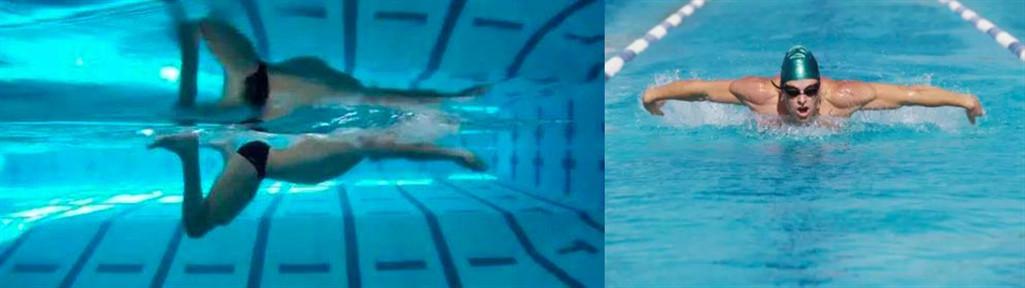
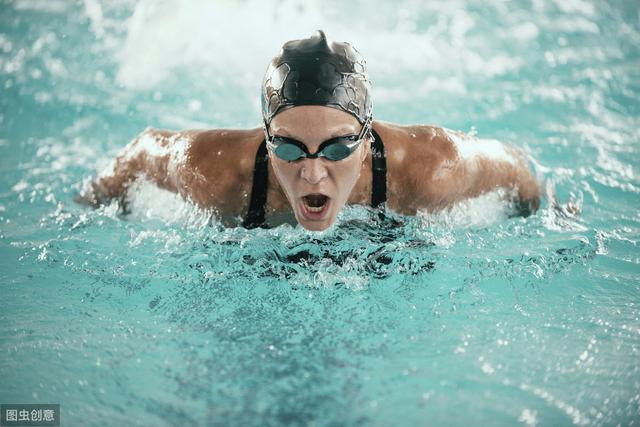
To swim good butterfly stroke, we need to understand the body posture of butterfly stroke is due to the wave action and it is up and down. This up and down movement is influenced by the hip and leg action. When we kick downward, our hips will rise, and the arm movement in the air will make our legs lower. The torso will adjust its up and down movement to maintain our wave-like streamline, so that the arm, hip and leg are all in a horizontal plane.
Butterfly stroke arm technique
Butterfly stroke leg action we analyzed earlier, today we mainly briefly analyze the formation trajectory of arm action.I will use the most straightforward and easy-to-understand wording to jointly learn butterfly stroke arm movements on land.
According to the daily teaching experience, we divide butterfly stroke arm movements into three steps:That is, entering the water, sweeping arms, and air sweeping arms.
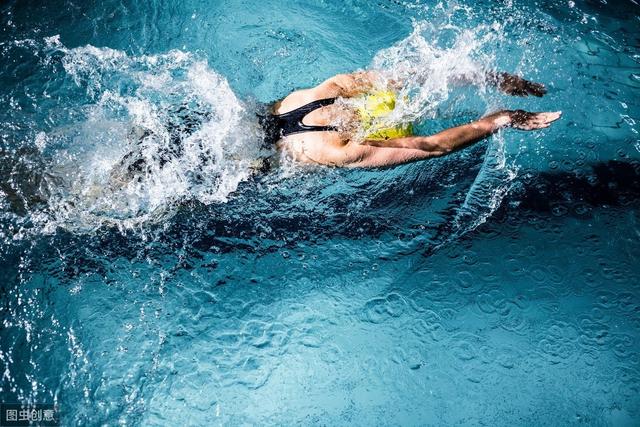
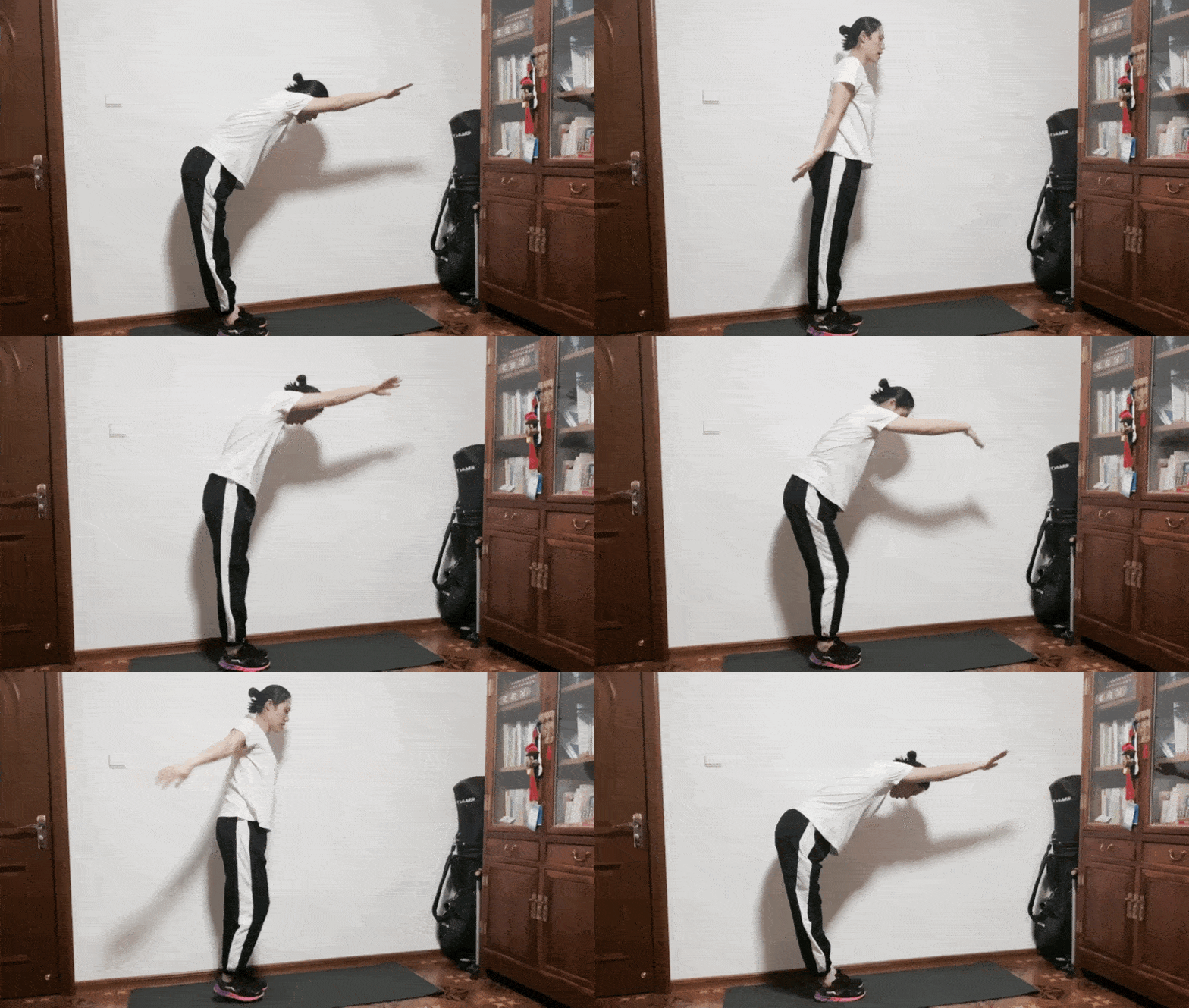
The movement trajectory is:Both arms simultaneously move forward in the shoulder front, enter the water, press the shoulder forward, and then bend the arm at a high elbow to grab the water, and perform a high-elbow support. Subsequently, in the lower part of the body, maintain the high elbow and move it inwards, backwards, and outwards, and perform a pushing action. Push to the thigh to pull the elbow out of the water. The difficulty of the arm in butterfly stroke isHigh elbow and high-elbow support action.
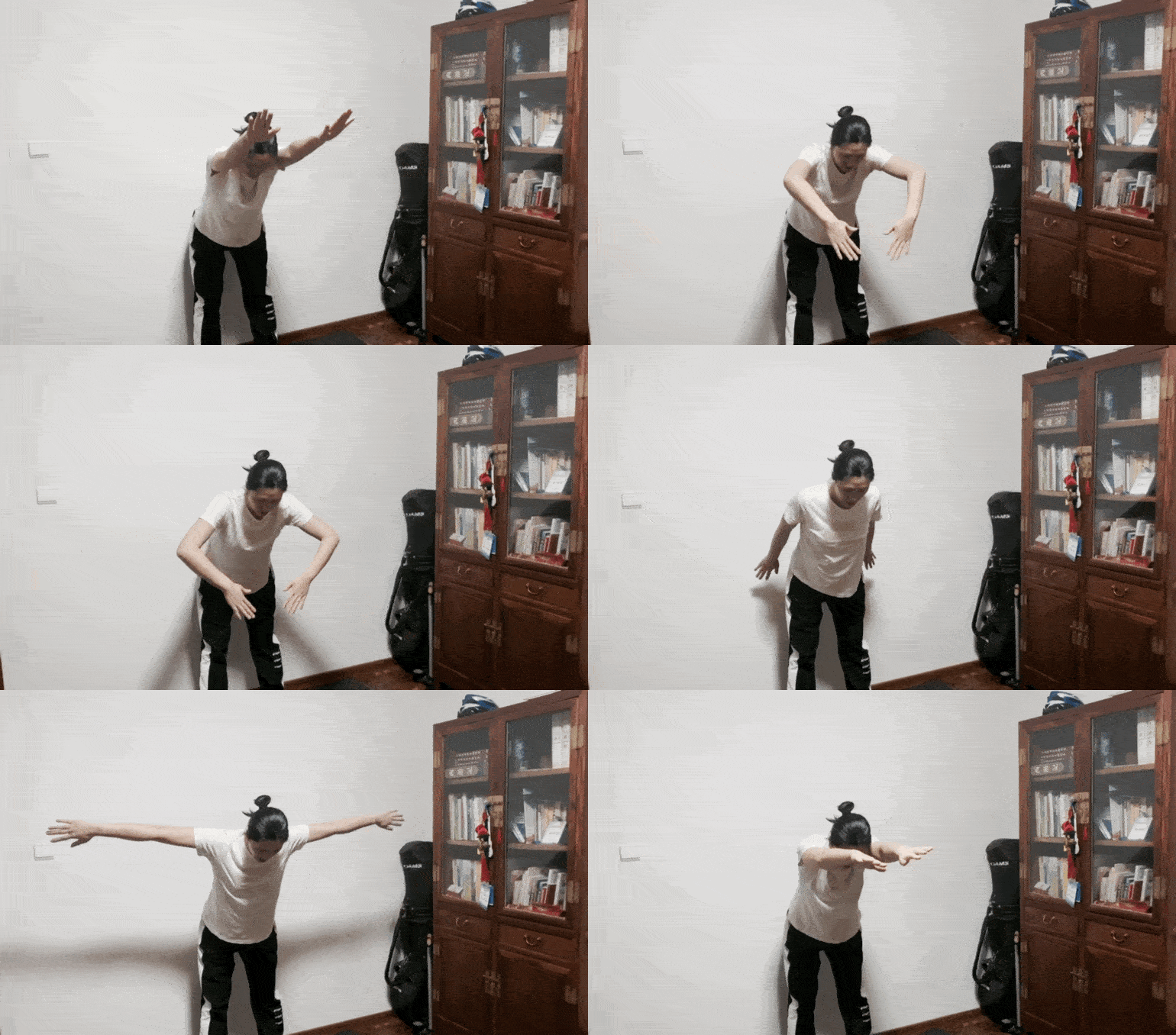
Front action
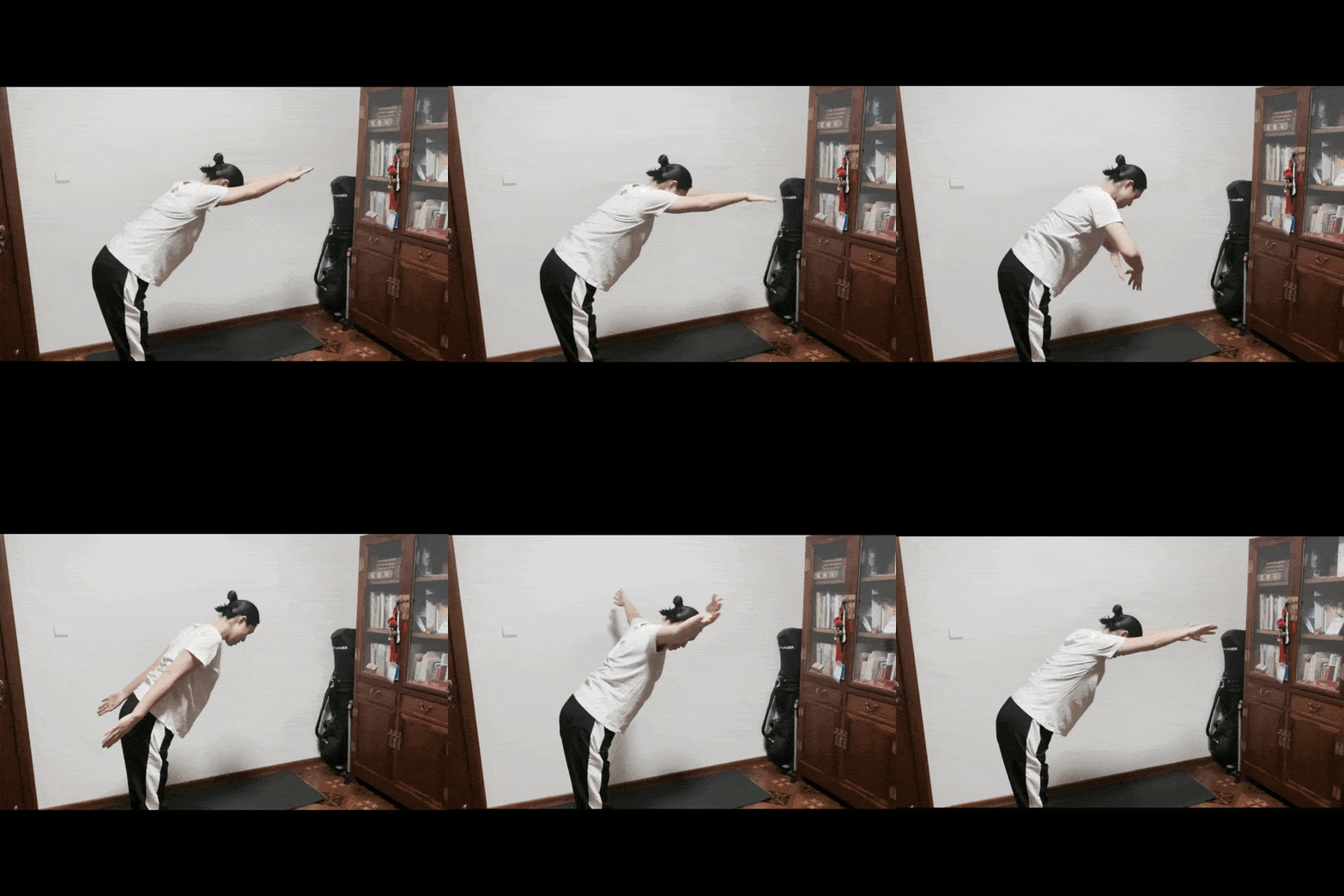
Side action
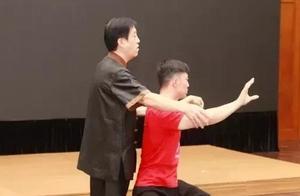
The figure shows the breakdown of the front and side movements, the pause at the high-elbow support is to allow enthusiasts to see the high-elbow support action more intuitively. The arms are not paused during swimming. The two hands push to the hip to perform the sweeping arms and enter the water, the high elbow is extended, and the shoulder joint is squeezed inward. In the side action, it can be more clearly seen that the arm enters the water from the thumb, and in the whole sweeping cycle, it can be seen that the up and down range of the body (the range on land is larger than in the water).
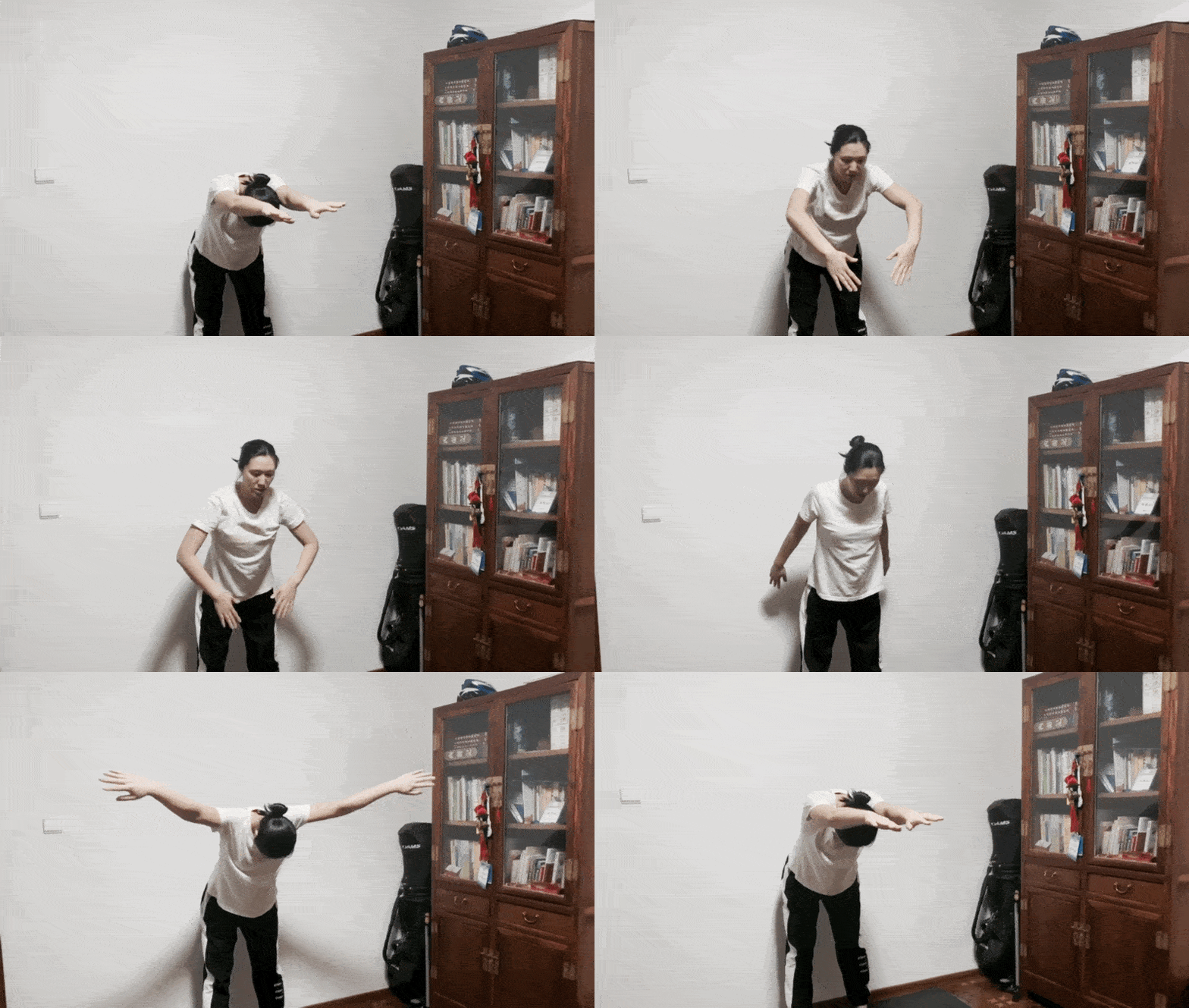
Typical error analysis of technical points
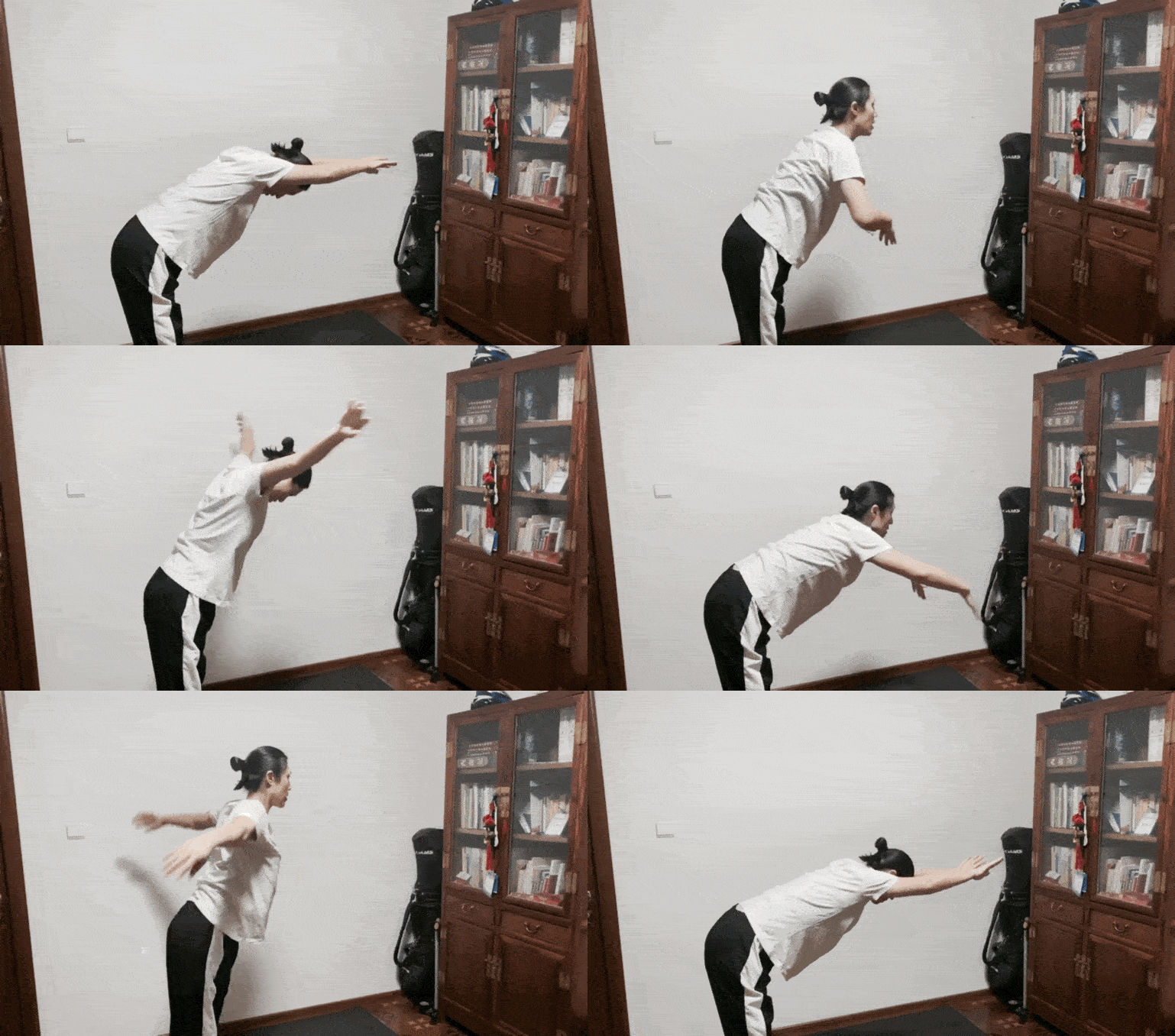
Based on the occurrence rate of common error techniques in daily teaching to avoid this action.
1, entering the water not stretching
Analysis:
Not stretching the water is mostly due to excessive chest expansion and bending excessively in the sweeping arms, entering the water without extending the two arms forward, and not pressing the shoulder after entering the water. From the figure, the entry point is close to the head, and after entering the water, because of excessive chest expansion, it cannot achieve stretching and pressing the shoulder. This technique will cause our center of gravity to shift backward, and the legs cannot generate power in the water. It also shortens our sweeping water route and increases the frequency of sweeping arms.
Improvement:
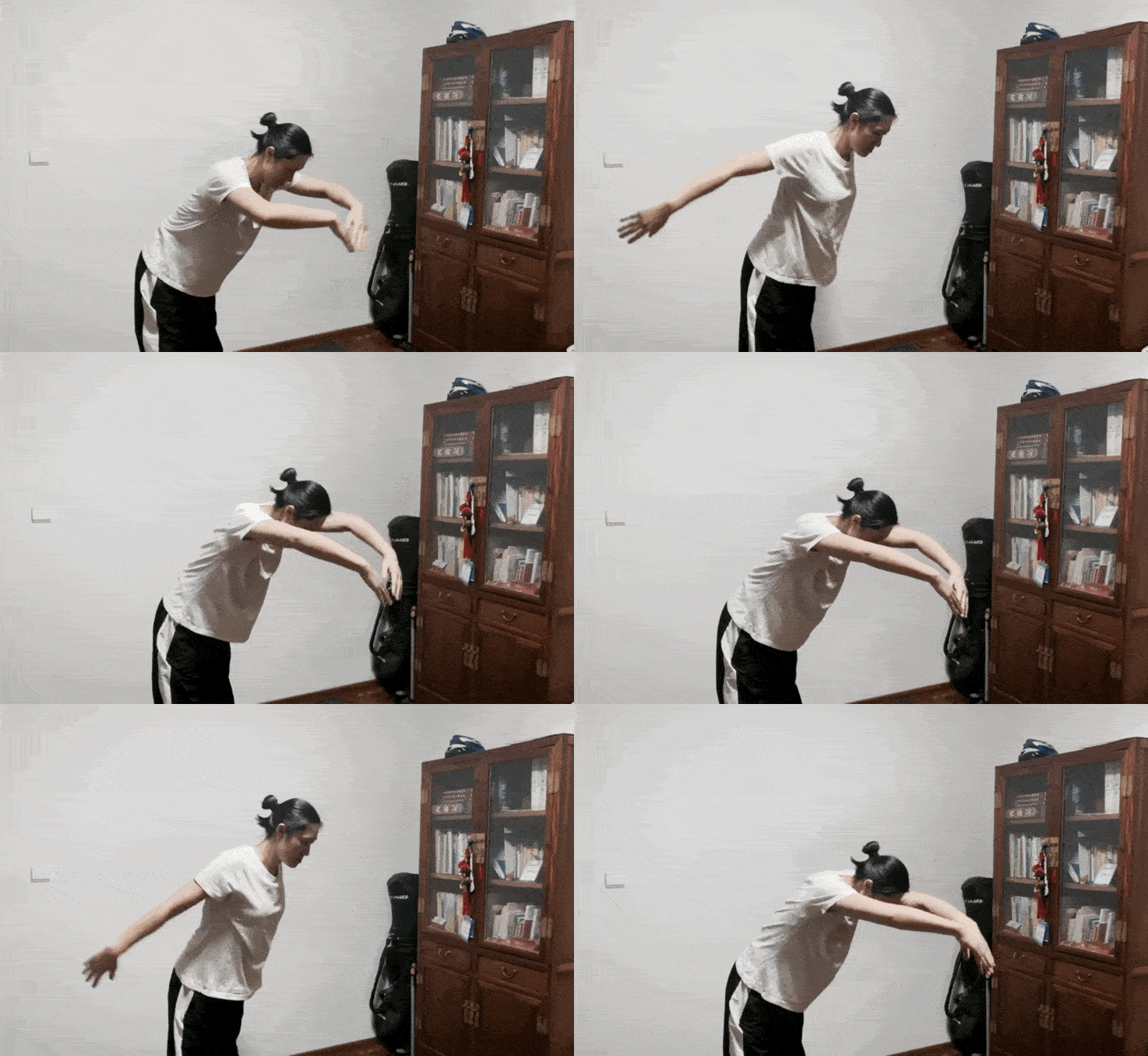
When imitating movements on land, we should try to stretch the action, and the shoulder press action must be done clearly. From the figure, when we push water, we first bend our knees and then perform the sweeping arms, and the sweeping arms enter the water with a straight high elbow and a squeezed shoulder joint. The body has a clear wave-like fluctuation.2, pushing water beyond the hip
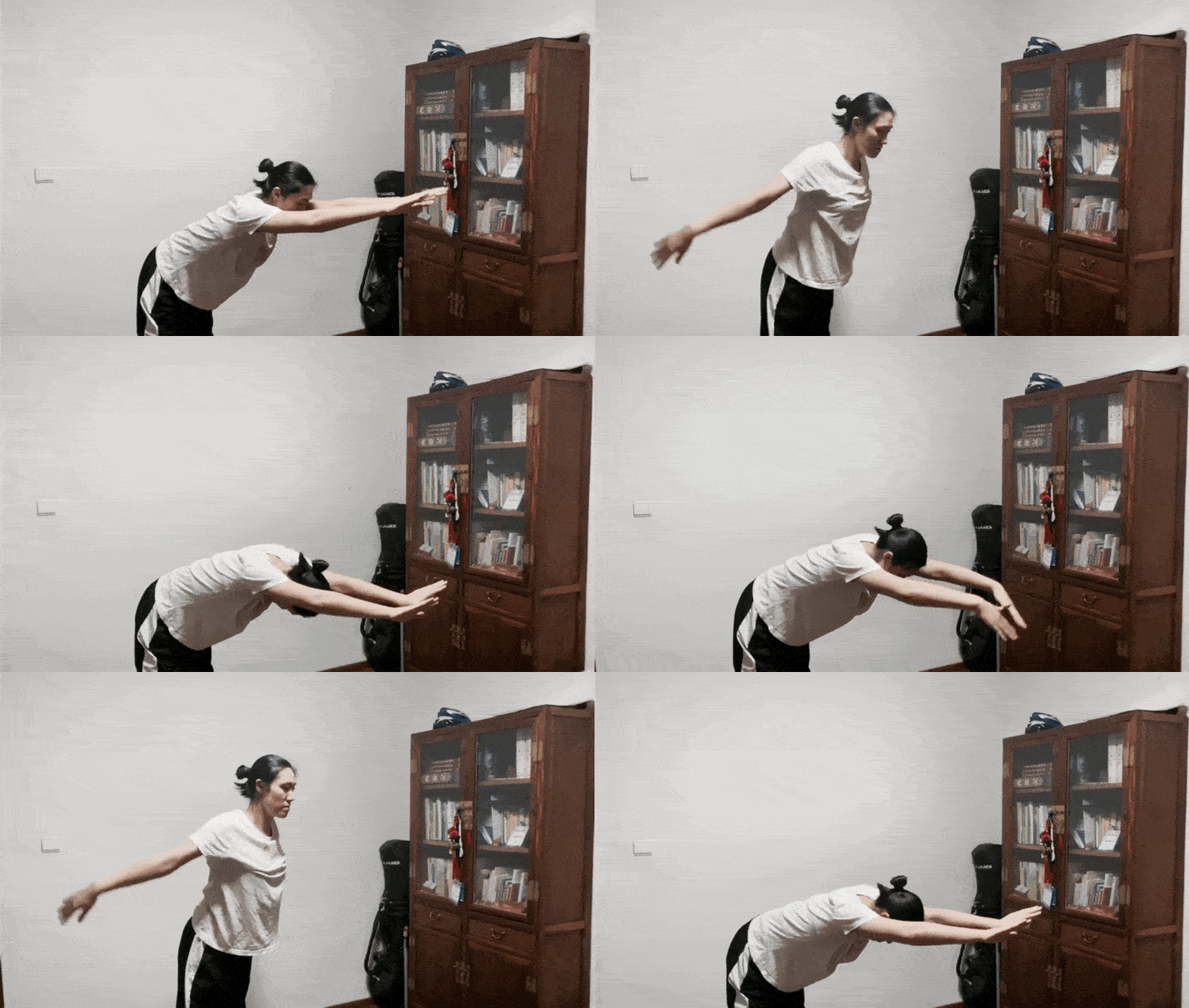
Analysis:This action is a clear push-water beyond the hip, the arm forms a 'swallow' feeling. This will limit the flexibility of the shoulder joint and make the arm relax and move forward from the back, and widen the entry point into the water. It is known that widening the entry point will shorten our sweeping water route and increase the frequency of sweeping arms.
Improvement:
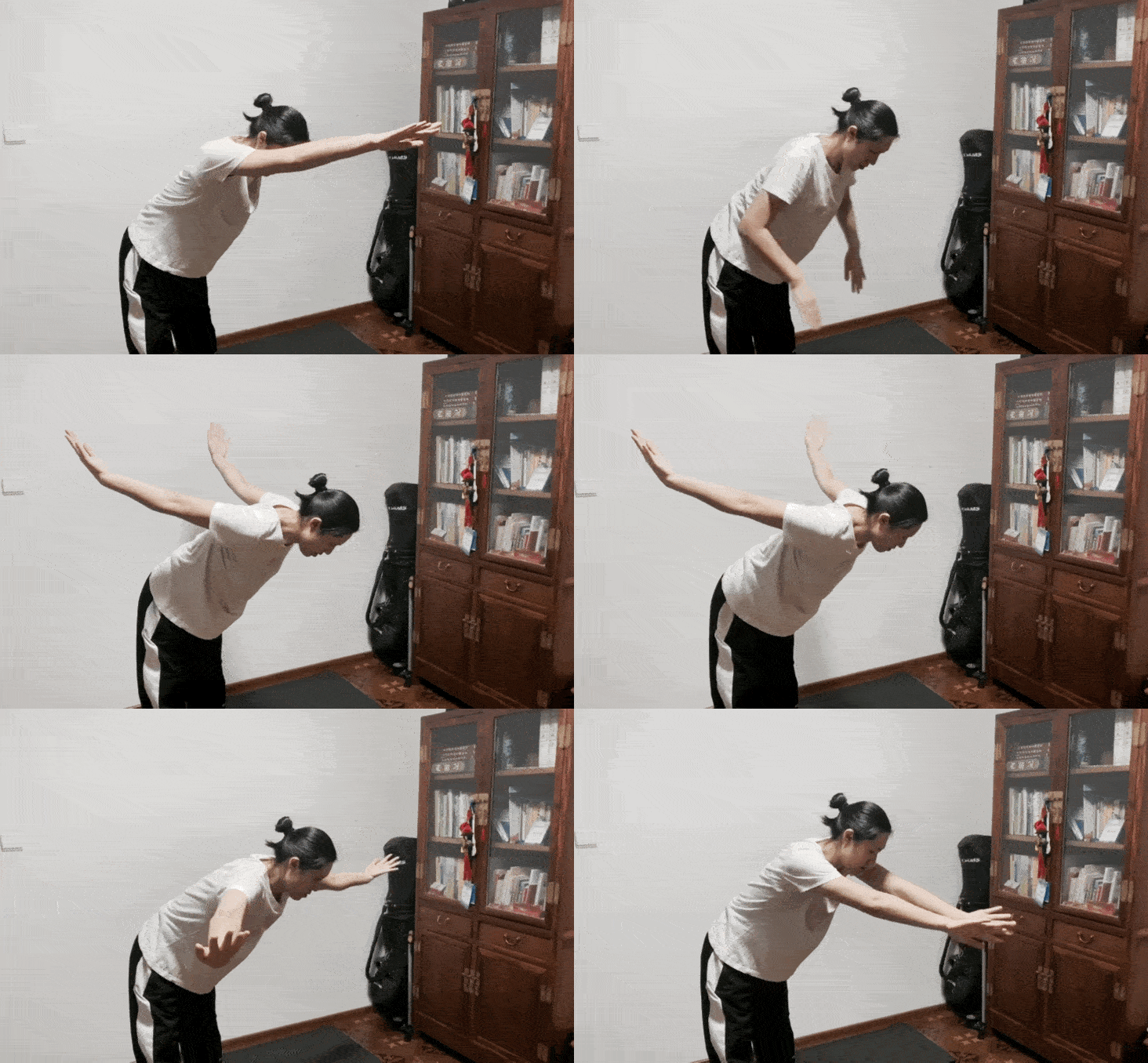
When pushing water, pay attention to the position of the arm, push to the sides of the hip (the side of the thigh) to perform the exit sweeping arms. Here, we say that when pushing water, we can push it outwards to the rear, which will facilitate the arm to exit the water.Butterfly stroke arm and leg breathing coordination
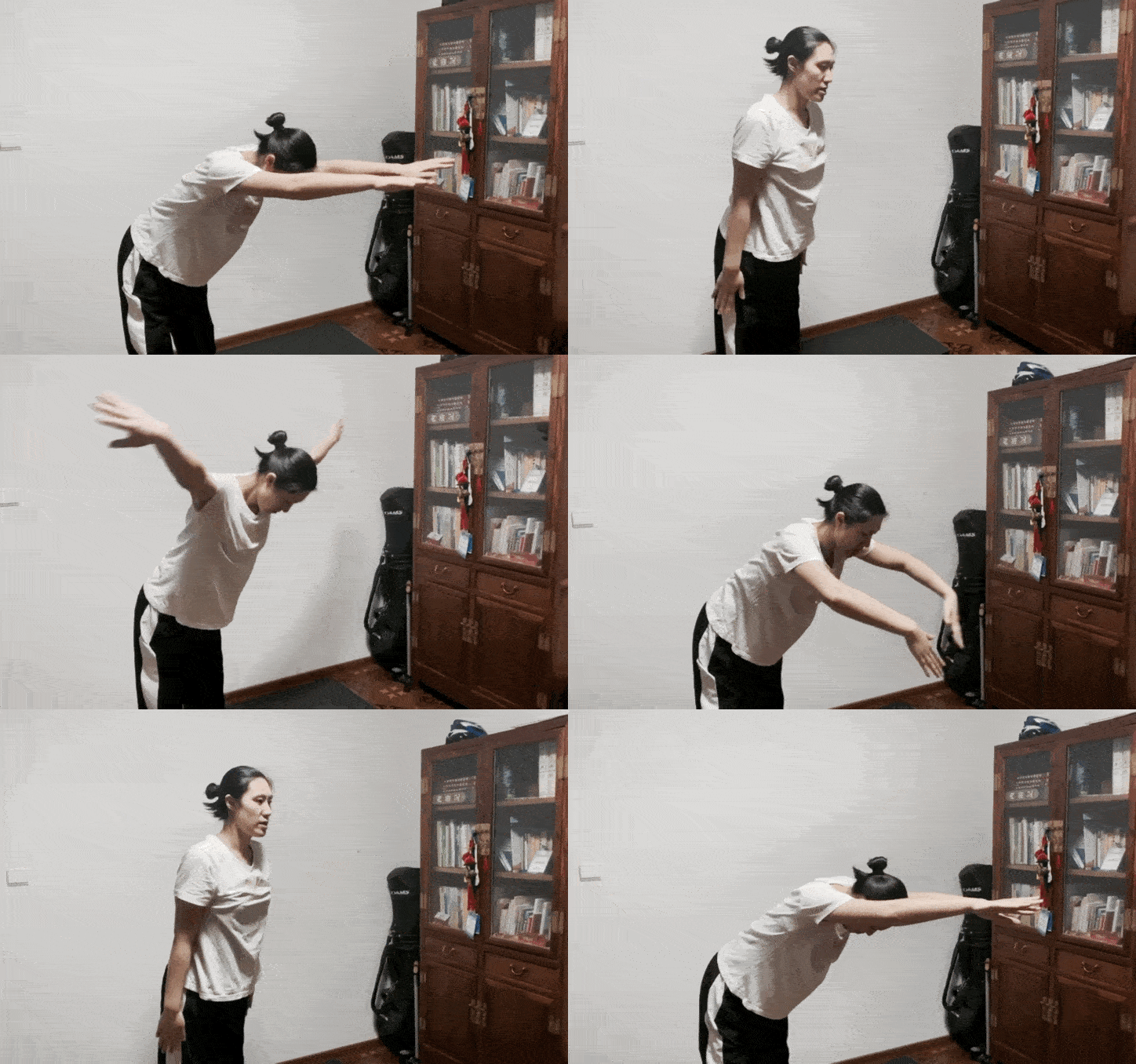
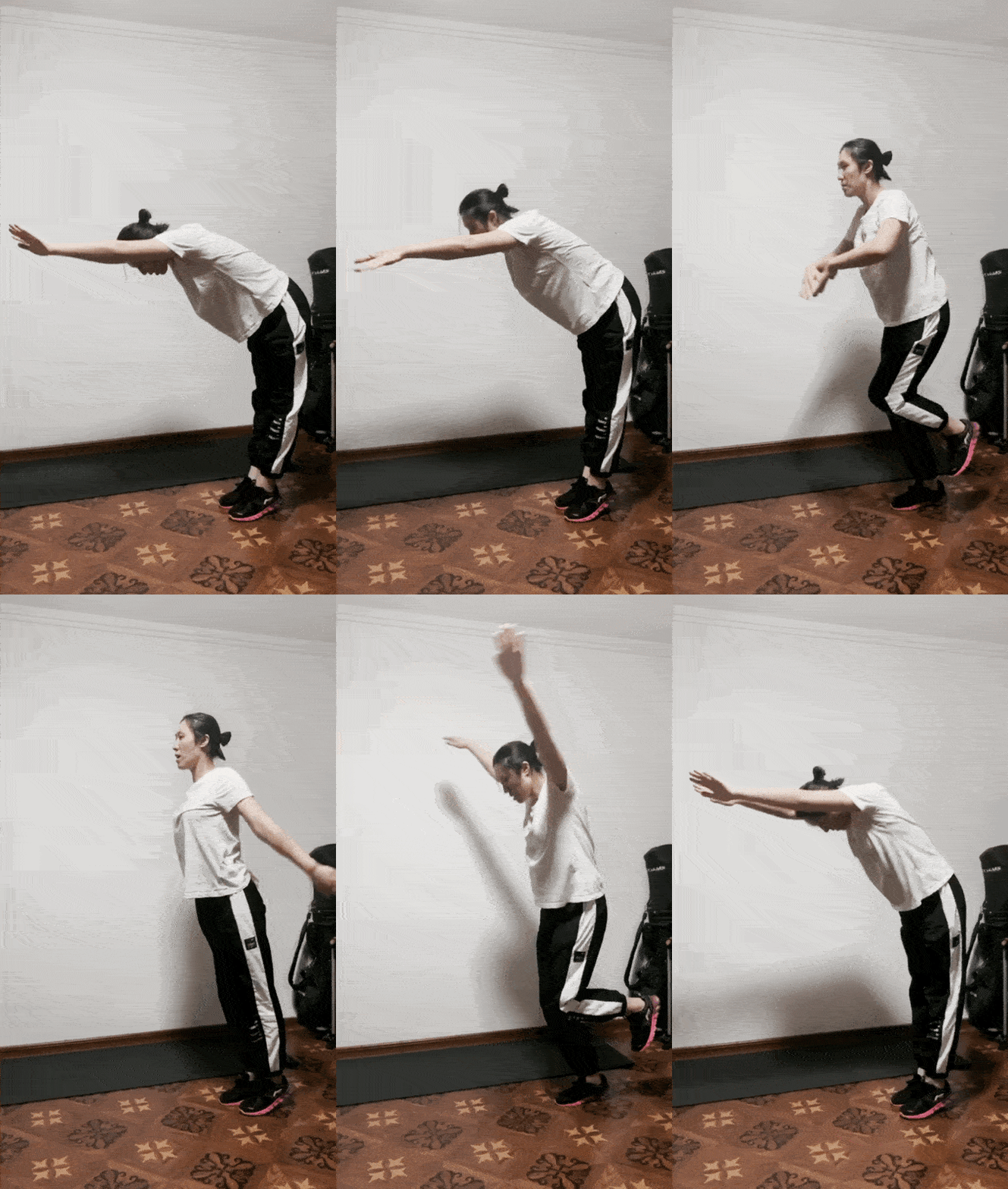
Butterfly stroke is a forward head breathing, the usual rhythm is 1 sweeping arm 1 breathing or 2 sweeping arms 1 breathing. We can see in the competition that some butterfly stroke athletes breathe sideways, because they feel that turning the head and exhaling is the same amount of energy as in freestyle and can also maintain the body's horizontal straight line. Today we take the example of head breathing.Single-arm butterfly stroke arm and leg breathing coordination rhythm imitation
Double-arm butterfly stroke arm and leg hand and breath rhythm imitation
Referring to the figure, when pushing water, the first time we kick the butterfly stroke leg, sweep the arms, and when the arms enter the water, we kick the second time the butterfly stroke leg, and then lower our shoulders and glide along. Some enthusiasts ask, in the water, should we raise our upper body or keep it low? This is to allow enthusiasts to see the technical points of the action more intuitively. When teaching, we will suggest that enthusiasts support their shoulders, because butterfly stroke has a low sweeping action, but must be high above the water. Why do athletes only have their heads out of the water when swimming? Because they have good joint flexibility and large shoulder joint activity range, so they can easily make sweeping arms above the water. Of course, if the shoulders are too high, our torso and legs will sink, so our
The shoulders should be raised upwards while moving forward
Finally, a few words: butterfly stroke, are you ready?
The above is our analysis of the arm movements of butterfly stroke on land, regarding the rhythm issue, we passed through the arm and leg coordination rhythm roughly, we hope that enthusiasts can practice patiently on land, consolidate technical actions, and provide technical support when entering the water. Later we will post a complete butterfly stroke action video, please pay attention~Theoretical practice combined, lay a solid foundation of sports, improve sports skills, avoid sports injuries, I am teacher coach, thank you for your attention, hoping to receive your comments, let us exchange and progress together.
PO~