Yoga Monkey Pose: How to Effectively Unlock It – Three Suggestions
How do you all understand yoga postures? In my opinion, yoga postures are not just about completing or not completing them, but each posture is the 'other shore,' and the process of heading towards that shore, we can actually have many experiences, insights, and growth. Yoga Monkey Pose is quite difficult, but we can still break it down. Break it down into several elements, master each element, and you will unlock the Yoga Monkey Pose naturally. These elements are the process of heading towards the 'other shore.' By practicing these elements, we can gain a lot, not just by mastering the Monkey Pose that constitutes success.
I want to give these to you.First suggestion: Patience
Don't force yourself when practicing the Monkey Pose, because forcing it is very likely to get injured. The difference between Yoga Monkey Pose and splits in dance lies here. Yoga focuses on body sensation, and it’s not the sole goal to 'make' the Monkey Pose. Don’t think ‘how long will it take me to unlock the Monkey Pose in one month,’ this mindset will easily lead to injury and over-practice.
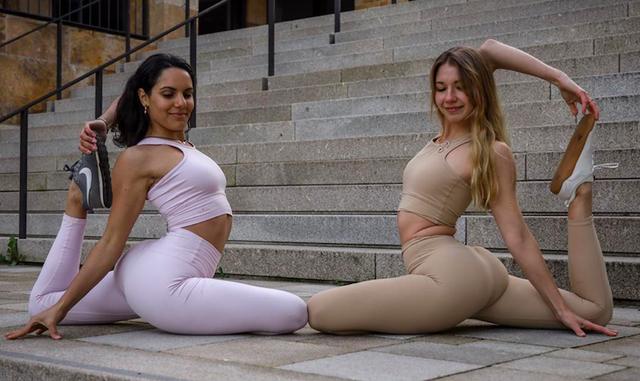
Spend 10 minutes every day, 20 minutes practicing the Monkey Pose, which is better than intermittent, sporadic practice of several hours. And for our bodies, daily practice helps us build the body’s memory, muscle flexibility, strength, and endurance, allowing for safe and effective unlocking of the Monkey Pose. As for how long it takes to unlock the Monkey Pose, it depends on everyone’s initial conditions, but as long as you consistently practice, unlocking is just a matter of time.
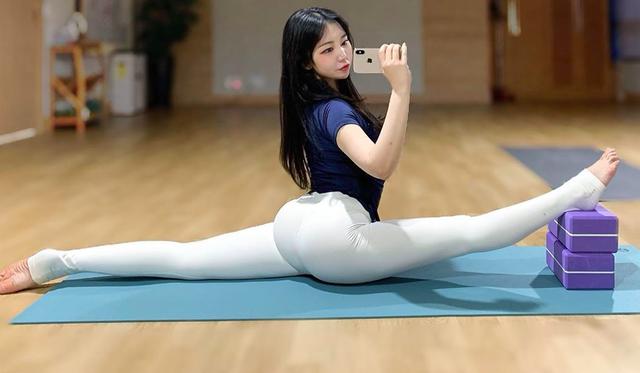
The elements mentioned above are actually for breaking down and practicing the Monkey Pose.My second suggestion: Break down the practice
Breaking down the practice, the first to train is the hamstring.
In the Monkey Pose, the hamstring of the front leg will receive a strong stretch. However, if your hamstring is too tight, you won’t get good exercise in the Monkey Pose, so it's better to practice other poses.
Here’s a recommendation:
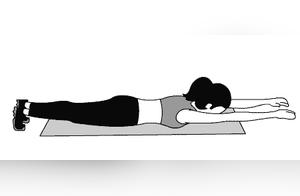
Lying on your stomach, grasping your big toes is a way to relax one leg, allowing you to focus more on stretching. If you can’t reach your big toes, slightly bend your knees or use a yoga strap to extend your legs. If you can do the ‘hand grasping big toes’ pose, try changing the direction of your legs to stimulate the back of your legs differently.
Half Monkey Pose
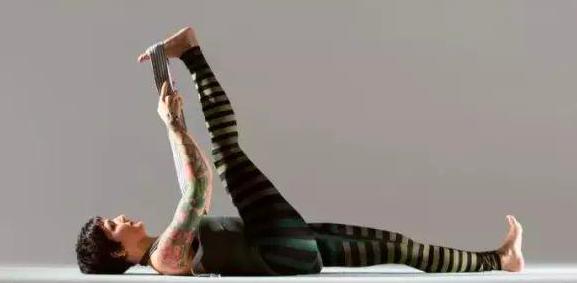
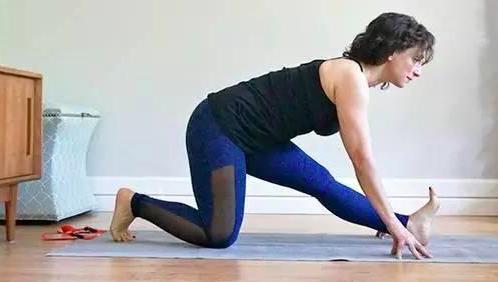
Half Monkey Pose is a preparation pose for the Monkey Pose, which effectively stretches the back of the thigh and relieves leg muscle soreness and beautifies the leg lines. When entering the Half Monkey Pose, the toes of the straight leg should have a feeling of retracting inward, of course not actually retracting. Also, maintain the control of the straight leg and don’t overstretch.
The second training is to train the muscles on the front of the thigh
Here’s a recommendation:
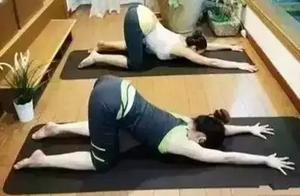
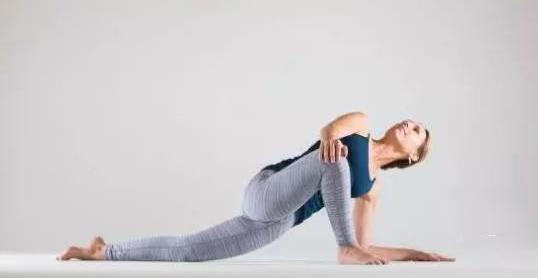
Lizard Pose is a posture to open the hips, using it to train the hamstring stretching, which is very beneficial for entering the Monkey Pose. If you feel that the stretching intensity of the Lizard Pose is not enough, try bending your back foot’s knee, letting your front foot lie on the yoga mat, and stand up straight, while extending your arms back to grasp your toes.
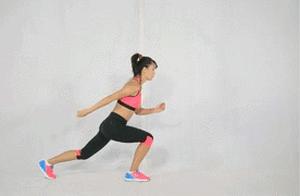
Breaking down the practice lays the foundation for the Yoga Monkey Pose. Below is
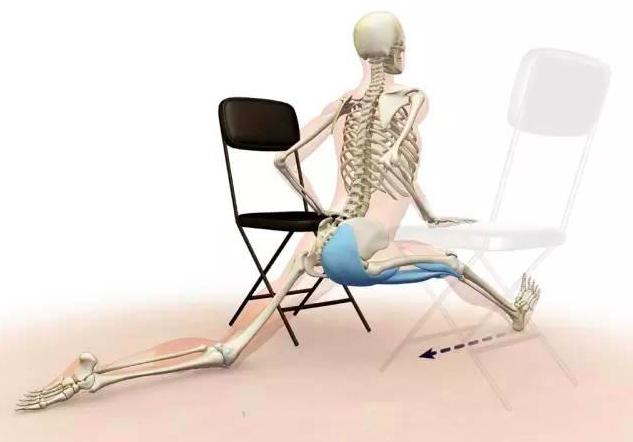
Third suggestion: Assist with the Monkey PoseThere are many ways to assist the practice, here’s a recommendation using two chairs to initially keep your spine upright. However, there is a physiological technique I like to call ‘making excuses to delay,’ in assisting practice.
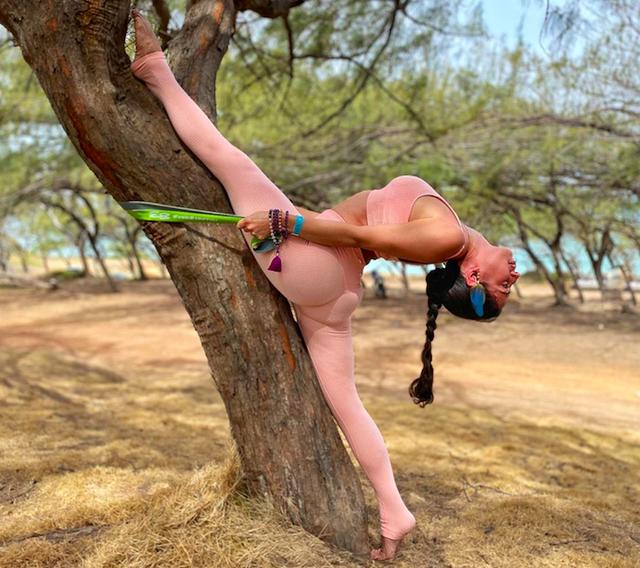
When we want to stretch the hamstring of the front leg, we don’t try to stretch to the limit at once because our muscles have a self-protection mechanism, and when we stretch, they send a signal to the brain to tighten up to avoid over-stretching. At this time, if we slightly bend our front leg, or even pull it back a little, we can dispel the signal. Then we can stretch again, and we can stretch more deeply.