How to Position Your Legs During Pull-Ups for Optimal Training Effects?
Original content, unauthorized copying will be held accountable!
Today, the author wants to discuss the exercise of pull-ups again. The focus is on the foot position during pull-up training.
Whether you are doing a supinated pull-up or a reverse pull-up, the placement of your feet will affect the effectiveness of your pull-ups.You might ask, what exactly does the placement of my feet affect?
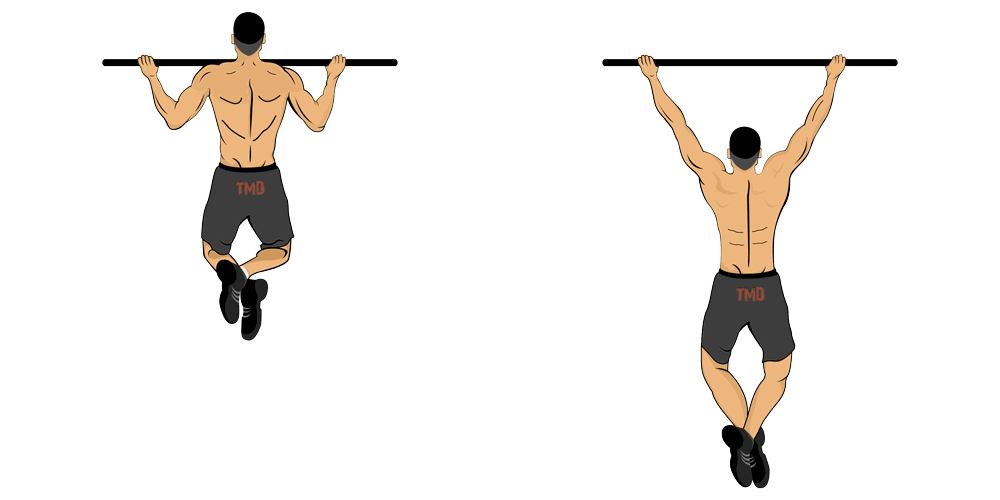
You might say, this doesn't change our training weight, because we won't change our weight, gravity won't change, how can it affect the training effect? In fact, the change in our foot position will greatly affect the muscles we want to train.
As we all know, pull-ups require a high level of back muscle strength, and the training effect on the back muscles will be greatly affected by our foot position.

This is the state of our back when we hook our feet to the side of our body
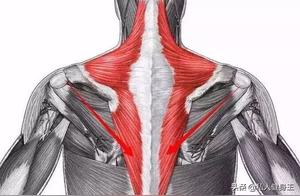
Why will the training effect of the back muscles be affected by the foot position? First, let's talk about the distribution of back muscles. Our back muscles extend downwards to our pelvis. Therefore, we can use our foot position to improve the stretching condition of the muscles.
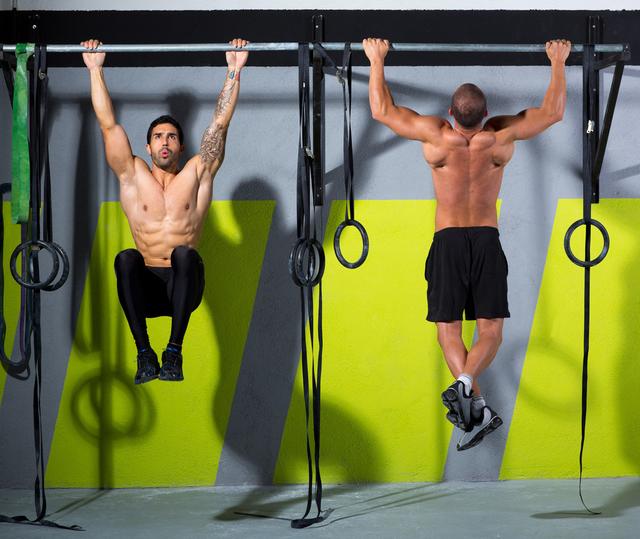
The most common action we do when doing pull-ups is to bend our knees, which is to maintain the position of our feet behind our body. This posture is very suitable for us to do pull-ups at home. Because our home has a limited vertical height, there will not be much vertical space to complete the action, so we can use this action to shorten our body length.
In fact, we can also adopt another training method – forward-bent-legged pull-ups.
We can bend our feet forward and place them in front of our body, which will greatly change the training situation of the back muscles, and can also improve our power output.

This is the state of our back when our feet are placed on the side of our body
Comparative Analysis:
As we can see, when we do pull-ups, when we maintain the position of our feet behind our body, our pelvis will slightly tilt forward, and the movement distance of our back muscles will be shortened, which will make our pelvis closer to our elbows, so that the distance between the two is shortened, and it is impossible to pre-stretch our back muscles.
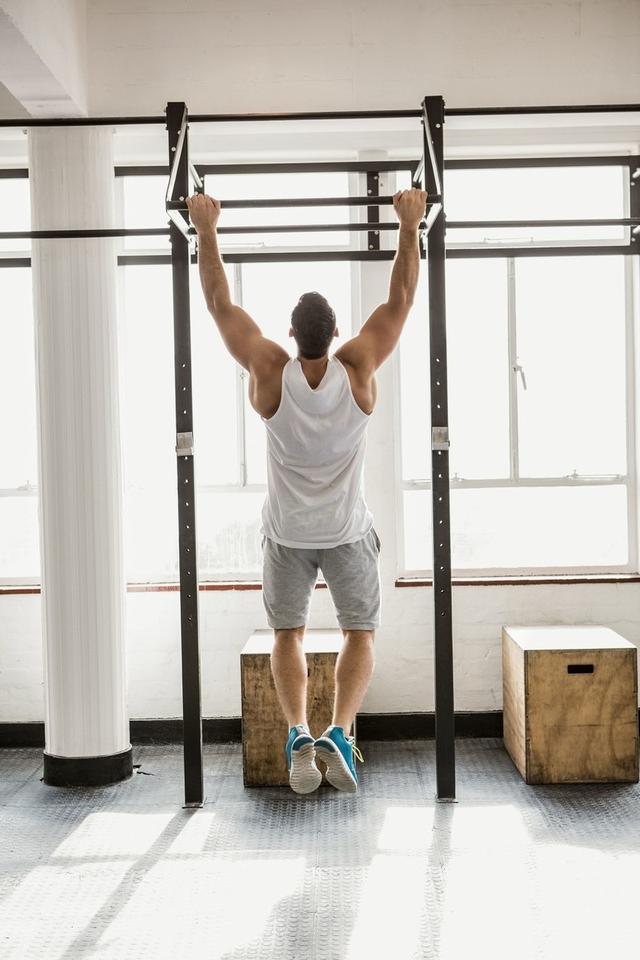
When we bend our feet forward and place them in front of our body, it will turn our pelvis from forward tilt to backward tilt. Although this will stretch our back muscles, it also has a disadvantage, which is that forward-bent-legged pull-ups require more abdominal strength.
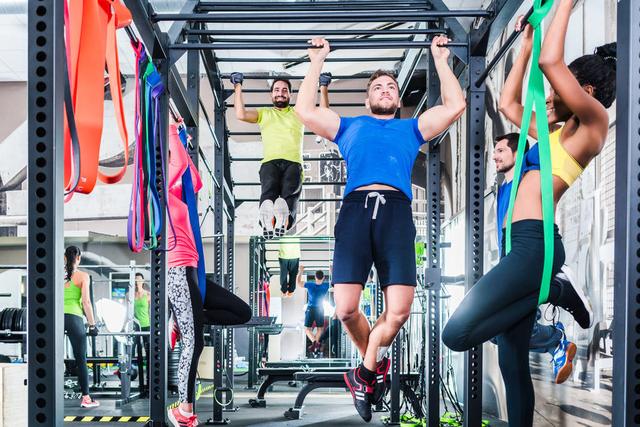
However, the two training modes of pull-ups we just talked about, whether our lower body is placed on the side or behind our body, will cause our body force to be dispersed. We should try to avoid this situation.
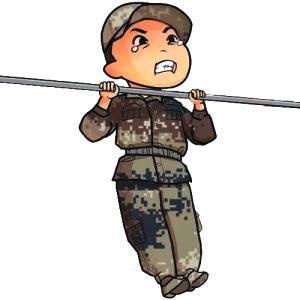
What should you do?We need to tighten our core, in addition to which, you can make our lower body straight, then let our feet slightly face forward, at the same time, we need to use our quadriceps muscles, try to maintain muscle contraction, straighten our knees, and point our feet downwards.
If you can already do a lot of pull-ups in normal conditions, you can try this change to adjust the foot position and challenge higher difficulty training.