Does High Exercise Intensity Lead to Reduced Immunity? Teach You 2 Methods to Determine It
Have you ever experienced this: a sudden urge to exercise, and then experiencing throat pain, headaches, runny nose, and coughing afterward?
People sometimes experience upper respiratory discomfort or infection after intense exercise. This phenomenon is known as the 'open window theory' – a reduction in immune response following intense exercise. Numerous studies have shown that exercise lasting over 90 minutes can reduce a person's immune function by 15% to 70%.
Why does immune function decrease after intense exercise?
Research indicates that high-intensity, prolonged exercise suppresses the function of many immune cells within the body, reducing the cytotoxic effects of natural killer cells, impairing the function of neutrophils, and decreasing the counts of lymphocytes and monocytes. From the perspective of immune cell apoptosis, the apoptosis rate of peripheral blood lymphocytes increases significantly after exercise, and abnormal increases or decreases in immune cell apoptosis can have detrimental effects, leading to a temporary susceptibility to disease invasion – the 'open window period.'
Should we still exercise if high-intensity exercise lowers our immune system?
The answer is yes. Although intense exercise temporarily lowers our immune function, maintaining a long-term, moderate amount of exercise can effectively improve the human body's immune function – a 'wishful thinking' process.
Studies have shown that regular, moderate-intensity exercise can increase the number and function of many important immune cells in the peripheral blood and enhance their ability to clear viruses. Simultaneously, the quantity of anti-inflammatory factors increases, and the expression of anti-inflammatory genes is upregulated, thus boosting the body's immune function. Furthermore, research suggests that moderate exercise can stimulate the regenerative potential of stem cells from the bone marrow, releasing them into the blood, thereby strengthening the body's immune system from the root.
How should we exercise healthily in daily life?
Long-term, regular moderate-intensity aerobic exercise effectively improves cardiovascular and pulmonary endurance, thereby boosting the human immune system. How do we determine if aerobic exercise is at a moderate intensity? We can use the reserve heart rate method. First, calculate maximum heart rate = 207 - 0.7 * age; then calculate resting heart rate, strictly speaking, it should be based on the first pulse in the morning, but if you don't have a record of your morning pulse, you can measure your heart rate for 1 minute after resting quietly for 10 minutes as a substitute; the reserve heart rate represents the space between the quiet state of the body reaching its limit. Using the reserve heart rate method, the formula for calculating the heart rate during moderate-intensity exercise is: (40%~60%) reserve heart rate + resting heart rate.
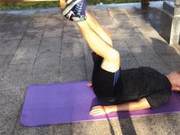
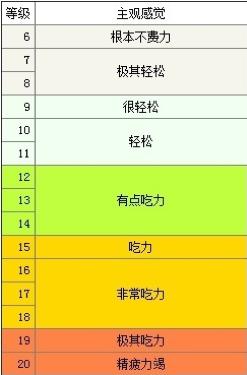
In addition, determining whether an aerobic exercise is at a moderate intensity also needs to be combined with the subjective feeling. We can use the subjective effort rating scale to assess it, with a score of 12-14 indicating moderate intensity. Recommended forms of aerobic exercise include: continuous transitions between sit-ups and squats, jumping jacks, and burpees – adjusting the exercise frequency and movement amplitude to reach a moderate intensity.
Subjective Effort Rating Scale
Source: Beijing Institute of Sports Culture Media
Interviewed by: Li Xuemei, Researcher, Sports Medicine Research Institute, Beijing Institute of Sports University
Reviewed for scientific accuracy by: Wang Zhengjun, Professor, Beijing Institute of Sports University.
(Edited by: Wang Xinyue, Dong Qing)
()