Adding ‘Pause’ Training to Your Movements to Break Through Squat and Deadlift Plateaus
Do you always have the frustration of being stuck at a certain height when practicing squats and deadlifts? You have done a lot of squat and deadlift exercises, always reaching a new height, and thinking about how to break through the bottleneck. In fact, as long as you understand why, and then solve it specifically, things will become very simple.
Why have your deadlifts or squats stopped progressing?
One is the inherent squatting ability, which needs more practice.
Two is that you lack muscle activation and control ability, which can also be improved through more practice, but this practice still requires some technical skills. We will explain the next step.
Three is that you lack muscle balance and endurance, especially at the lowest point of the action, you cannot stabilize your core.
For the above reasons, in the conventional squat or deadlift, making a small change can effectively solve these problems, which is both effective and different, and can elevate squats and deadlifts to a stage, and break through the bottleneck method is to usePause Technique
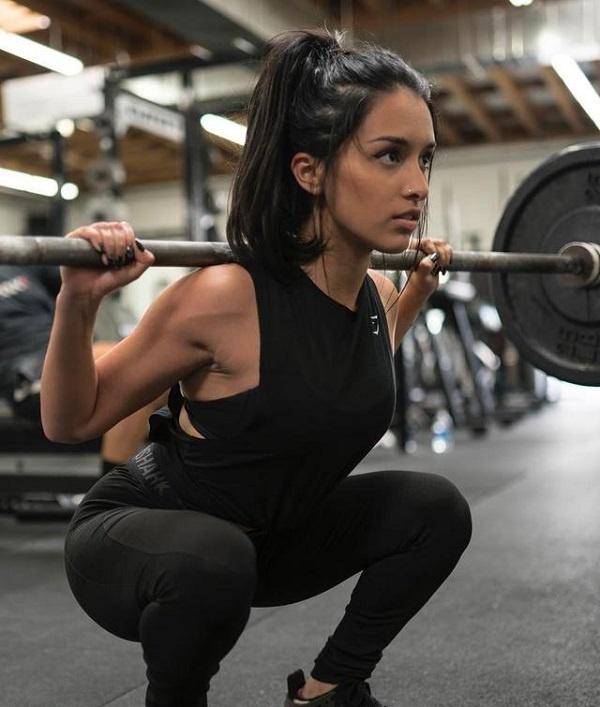
During the squat, when you reach the lowest point, pause for 2-3 seconds before standing up again. During the deadlift, when the barbell is lifted from the ground 5-10 cm, pause for 2-3 seconds.
We can call this action: Paused Squat, Pause Deadlift; or Pause Squat, Pause Deadlift. Let's introduce these two actions in detail.
Pause Squat
The Pause Squat method can be applied to any form of squat exercise, regardless of whether it is conventional squat or front squat, low bar squat, high bar squat!
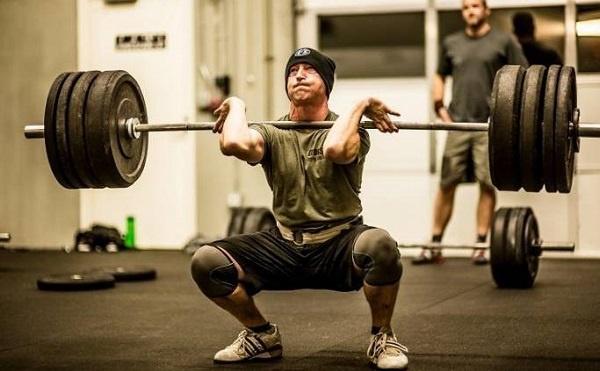
During the descending process of Pause Squat, it is the same as conventional squat, except that when you reach the lowest point, you maintain it for 2-3 seconds before standing up again. This is to train the squat ability.
The advantages of this exercise are:
1. It avoids the bounce back when the squat rises at the lowest point, which increases the difficulty of the action and can effectively train your squat ability.
2. It requires higher muscle activation and control, improving your muscle control.
3. It increases muscle endurance, while pausing, it also challenges your balance.
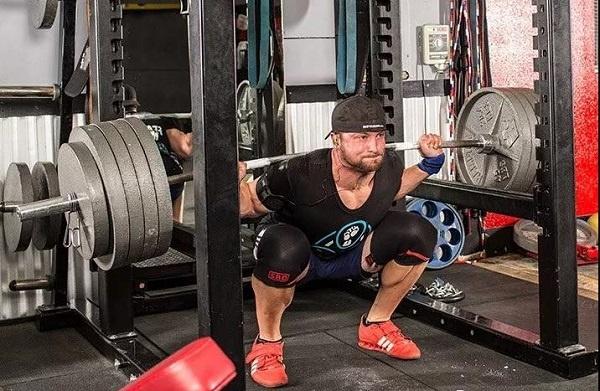
You can see that the three advantages above can effectively improve your squat bottleneck problems!
Training points:Full-body use throughout the processValsalva breathing
That is, take a deep breath, hold it, stabilize the core, and don't exhale during the pause, don't change your breath until the action is completed, then breathe out.
The pause time must be grasped well, don't be too long, 2-3 seconds is enough, too long will affect the quality of your training and breathing, which may cause dizziness after squatting.
The pause time should be completed before standing up quickly and decisively, without any rebound movement.The weight used in Pause Squat is definitely lighter than conventional squat, so don't use too much weight, avoid difficulty in rising during the pause, the purpose of the training isMuscle control
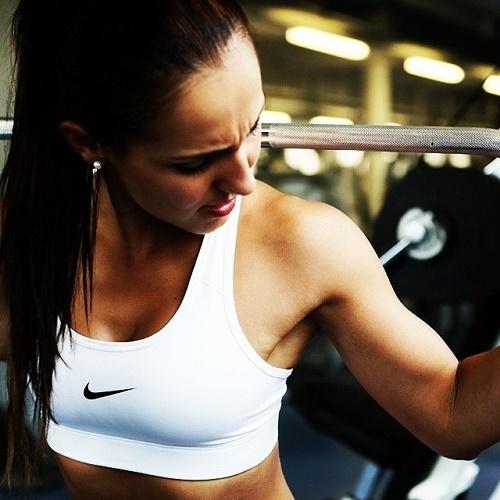
When you can slowly use your maximum conventional squat weight to do Pause Squat, your conventional squat weight will definitely improve!
Training frequency:
If your squat exercise only has one squat session per week, then alternate between conventional squats and Pause Squats, that is, this week practice Pause Squats, next week practice conventional squats, and alternate.
If your squat exercise has two sessions per week, then arrange conventional squats and Pause Squats in these two sessions.
If you have enough confidence, you can also use both exercises in one week, but it may distract you and make it difficult to state your best state on one squat exercise.
Pause Deadlift
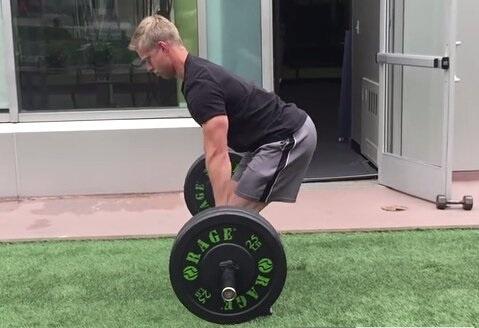
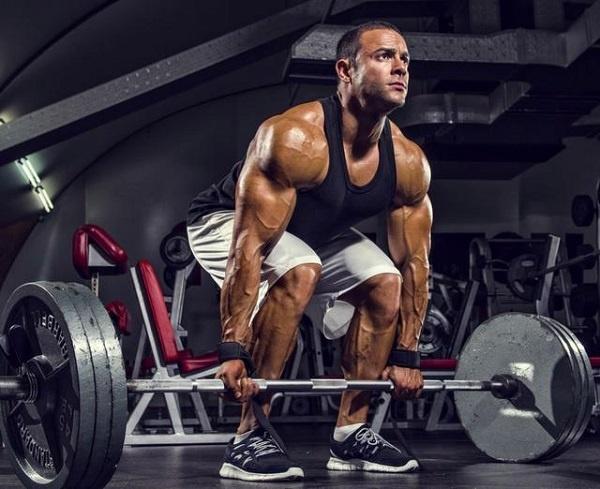
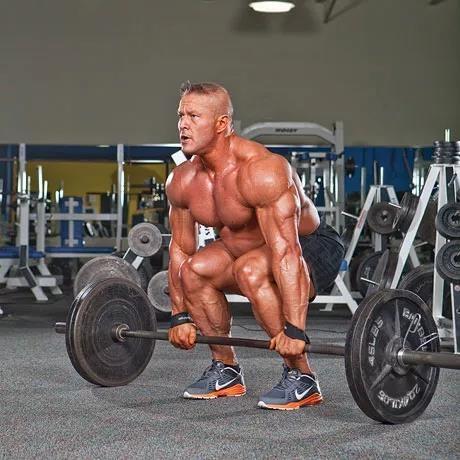
The basic requirement for Pause Deadlift is to pause when the barbell is lifted from the ground.When you lift the barbell to prepare for the deadlift, when the barbell is lifted 5-10 cm from the ground, pause for 2-3 seconds.
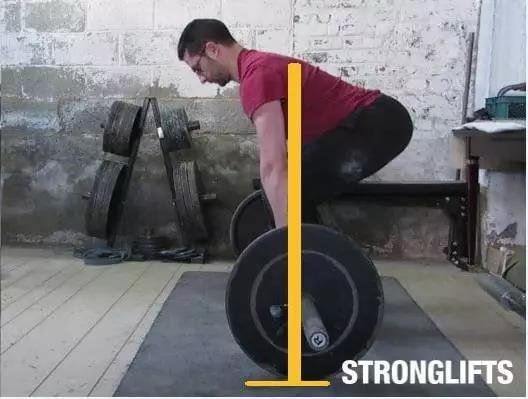
When lifting the barbell, your shoulders should be over the barbell, the barbell should be close to your ankles when lifting, and the center of gravity should be under the center of the foot. During the pause,
Maintain full body tension, keep the trunk stable, and maintain a neutral spine.
The advantages of this are:Deadlift is difficult because the moment you lift the barbell, this segment is the most difficult point of the deadlift, and it is the difficult point of your muscle activation. When you pause while lifting the barbell, you can focus on training this difficult point.
Improve the initial pull force and action skills of deadlifts.
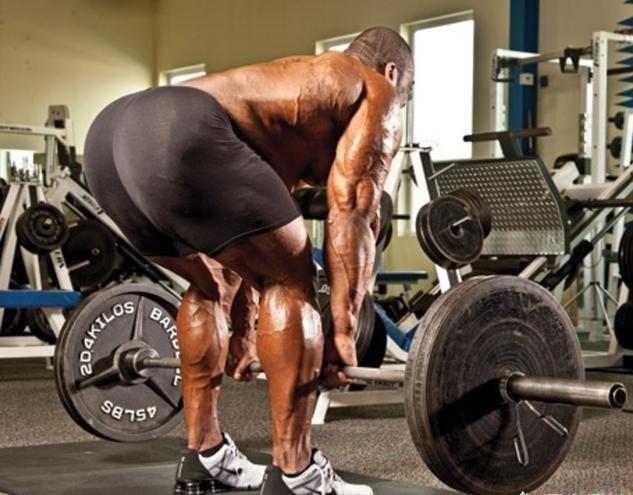
Improve your deadlift scores, increase muscle endurance and stimulation, and during the pause, it can also help you find the feeling of a neutral spine.
Training points:
Valsalva breathing is also used in Pause Deadlift, don't exhale during the action until the action is completed, then breathe out.
Try to make the barbell close to your ankles, which is more conducive to your activation.
The weight used should not be too large, generally recommended to use 60%-80% of your maximum conventional deadlift weight for practice.
Training frequency:
You can refer to the training frequency of squats, specifically, depending on your situation, but if you arrange a lot of deadlift exercises in one week, it may affect your nervous system recovery, so it is recommended to have one deadlift exercise per week, and alternate between conventional deadlifts and Pause Deadlifts.
Summary:
For Pause Squat and Pause Deadlift, the premise is that you must first master the key points of conventional squats and deadlifts. If you are a beginner, this exercise may not be necessary for you yet.
For experienced trainers, if you are stuck at the deadlift and squat bottlenecks now, you can try this exercise, which can help you improve your deadlift and squat weights, but you must follow a step-by-step principle.
Use 60-80% of your maximum conventional squat or deadlift weight to do Pause Squat, and gradually use your maximum conventional squat or deadlift to do Pause Squat and Deadlift, then go to practice conventional squats and deadlifts with maximum weight.
Finally, regarding sets and reps and interval rest, follow your personal state, and interval rest can be relaxed, 2-3 minutes is enough.
That's all about the small changes in squats and deadlifts, Pause Squat, Pause Deadlift, which can help you break through the deadlift and squat weight bottlenecks. If you are currently troubled by deadlift and squat bottlenecks, you can try this training method.