If You Want to Lose Weight, Stop Doing These 5 Things

If you want to lose weight, stop doing these 5 things. While some people have tried quite shocking weight loss techniques, there are also some common, long-term techniques that seem like a good idea, or even work well at the beginning, but will ultimately backfire and lead to weight gain. If you're pursuing a slimmer you, avoid these five things.
Don't skip dinner
If you've heard that you should stop eating after 6 or 7 or 8 pm to lose weight, that's wrong. Food eaten at night doesn't get stored as fat as previously thought. When you stop eating depends on your weight gain or loss. What's important is your total calorie intake in a day. If you're a night owl, choosing healthier, easily digestible foods is fine, as long as calories aren't exceeded.
Don't completely cut out carbohydrates
Whether it's carbs, gluten, sugar, baked goods, or anything else. After a period of forced deprivation, most people will eventually give in and eat a huge amount of what they've been missing. Or, if they can endure a period of elimination, once they go back to eating those foods, the weight they lost will slowly creep back on. Moderation is key when it comes to maintaining weight loss.
Don't go on a long-term low-fat diet
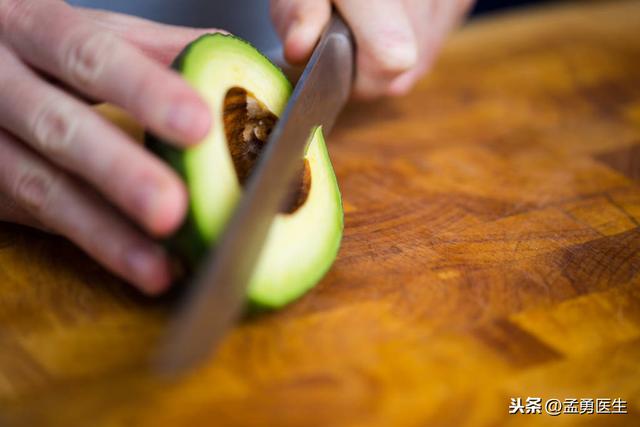
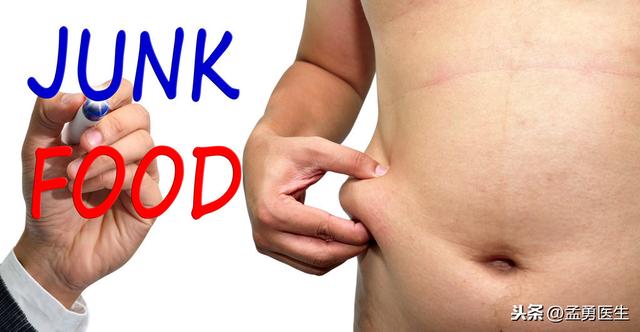
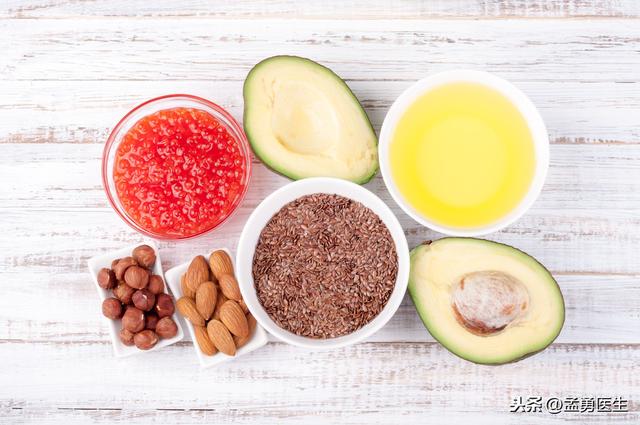
Let's go back to the 90s – being thin or low-fat was a huge trend, and that fashion is mostly gone now. Most low-fat foods were loaded with sugar to enhance flavor, which resulted in weight gain, especially belly fat. Also, we've learned that eating healthy fats like avocados, olive oil, and nuts actually helps boost metabolism and burn belly fat. Healthy fats also keep you feeling full longer, so keep adding nuts to your smoothies, avocado to your soup, or roast vegetables in olive oil.
Don't practice intermittent fasting
To lose weight, you need to create a calorie deficit. Reducing calorie intake is one way to do it, but skipping a meal isn't. Hunger slows down your metabolism, leading to overeating later. Let's be realistic: if you're running on an empty stomach, you won't have the energy to do a 30-minute workout. Besides adopting a healthier diet, the best way to maintain fullness is to find healthy swaps in your favorite foods or choose low-calorie, high-fiber, high-protein, or whole-grain options.
Don't rely solely on exercise
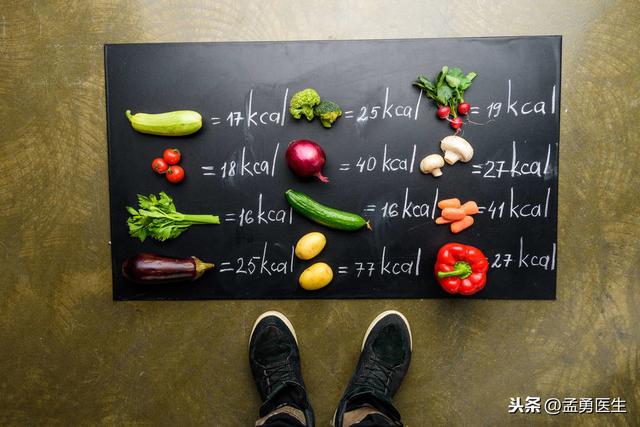
Exercise is definitely a key part of a weight loss plan, but if you think it means you can eat whatever you want, you won't be satisfied with the results. Remember, running at 6 miles per hour for 30 minutes burns 270 calories. To lose one pound a week, you need to burn or reduce 500 calories a day. That means, even with a 30-minute workout, you still need to reduce your calorie intake by 220 calories from your diet – and that's probably not going to happen if you're eating whatever you want.

This article was originally created by Dr. Meng Yong. Welcome to follow, and let's learn together!