The Difference Between Muscles for Young and Old Fitness Enthusiasts
Although humans are the spirits of all things, when facing the natural metabolism rules of nature, they cannot help but bow their heads. Any thing has rise and fall, whether it is the entire universe or our bodies, all escape the baptism of time. The more vibrant and youthful life, the more it can reflect vitality and energy in all aspects. Conversely, the more elderly and frail individuals, no matter how hard they try, cannot break the spell of time, and the marks left by old age will never be erased.
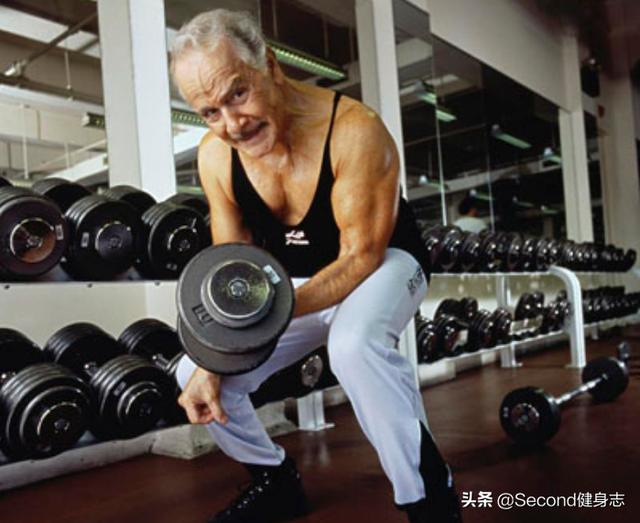
Fitness training is indeed a way of exercising that is suitable for everyone, but it cannot be denied that young people's fitness effects are more prominent than older people, this is mainly reflected in their training core, which is muscle. Many people say that fitness enthusiasts have no age differences, because no matter what age, as long as you are willing to train, you will definitely make muscles stronger. However, there are still many differences between strength and strength. Compared to young and old fitness enthusiasts, what are the differences in their muscles?

I. Muscle Appearance Gap
Regardless of whether people want to admit it or not, a significant portion of fitness enthusiasts are motivated to build a visually appealing muscle appearance, including many elderly people. Elderly people who have very high standards for themselves will not neglect their body shape and pursuit. Young fitness enthusiasts, of course, don't need to say anything about this, their physique may not be their core competitiveness, but it can still add a lot of points to them.
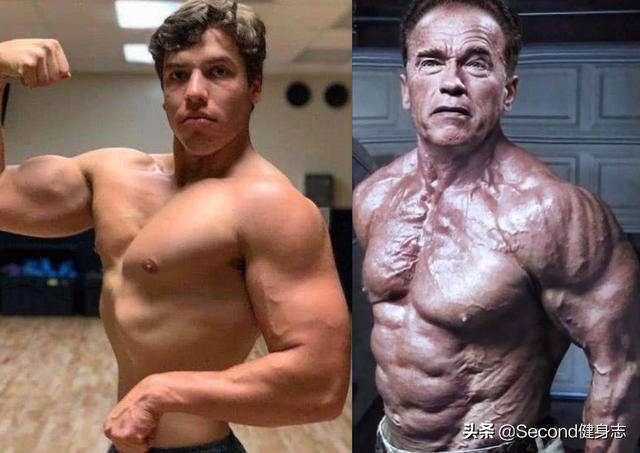
Young fitness enthusiasts' muscles and elderly fitness enthusiasts' muscles have the biggest gap in appearance, young people's muscles are more elastic and the skin covering the muscles is relatively better, so the overall visual state is more full and three-dimensional. It is obvious that even if elderly fitness enthusiasts have developed muscles, and even their actual muscle circumference is greater than that of young fitness enthusiasts, but the overall feeling is not as good as young people's muscles, including circumference and layers. This is the difference caused by age, no matter how much elderly fitness enthusiasts train, they cannot reach the state of their youth.
II. Muscle Strength and Endurance Differences
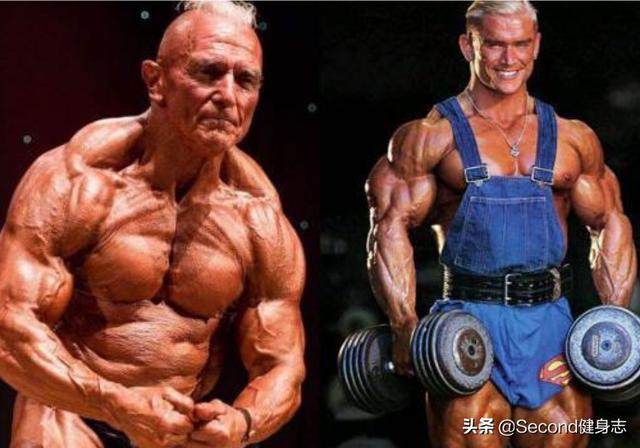
Many people may think that after the same level of strengthening, the strength and endurance of muscles at different age stages will have the same level. This is not the case. After the age of 35, muscles will decline by 1% per year, which reduces their strength and endurance. Even if elderly people can effectively make up for this loss through fitness training, they cannot catch up with the pace of young fitness enthusiasts.

The same weight, a young fitness enthusiast can lift 5~6 times, and an elderly fitness enthusiast lifting 2 times is already the limit, the difference is obvious.
III. Muscle Growth and RecoveryRegardless of age when exercising, muscle growth depends on a basic element, testosterone. Testosterone is the commander of muscle growth, without the addition of testosterone, the speed of muscle growth and the efficiency of post-training recovery will be greatly reduced. People over the age of 60 will decrease by 1% to 2% per year. The testosterone level of young fitness enthusiasts is naturally higher than that of elderly fitness enthusiasts. Therefore, after young fitness enthusiasts train, their muscle growth and recovery speed are faster than that of elderly fitness enthusiasts. The former's muscles will be recovered and prepared for the next training, while the latter is still in the process of soreness.
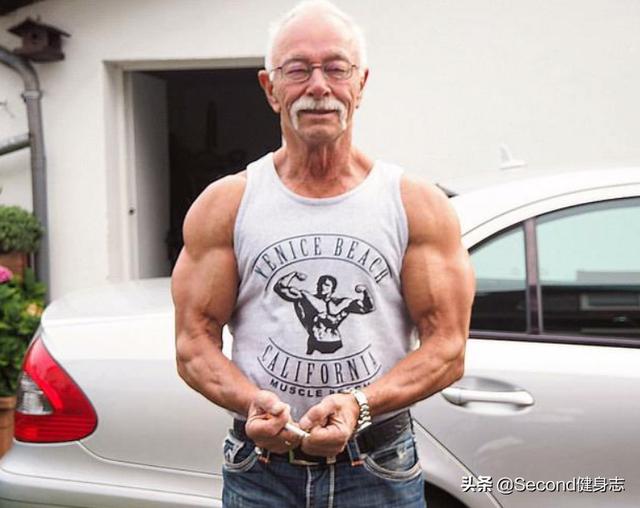
The quality of fitness training, the speed of synthesizing new muscles, and muscle fiber recovery all exist in differences.