What is Swimming Flexibility Really About? Do You Really Need to Be So ‘Flexible’?
Recently, I've been giving online swimming fitness guidance to children's swimming club members, and some parent friends have reacted that their children's flexibility is not good. When I asked where they felt the problem, they said they couldn’t go down during the sit-and-reach. Regarding this assessment, although it has its certain meaning, in terms of application and understanding of related concepts, we may have some misconceptions, especially in its application to swimming specialization.
How to understand the ‘flexibility’ in the sit-and-reach test
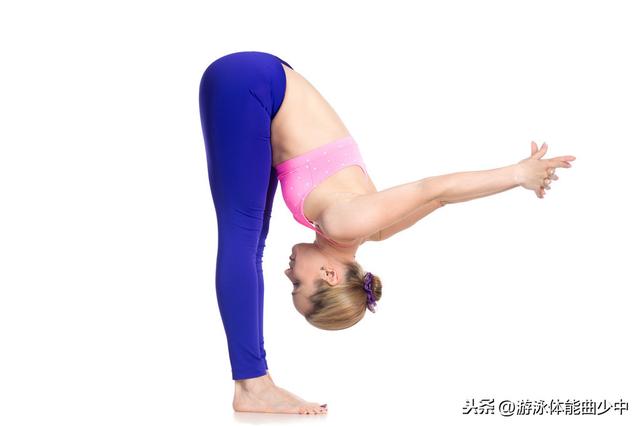
The sit-and-reach test can be used as a test to evaluate the length-tension relationship of the hamstring muscles or the flexibility of the hip joint. The assessment results can provide some information about the lower limb activity ability. If it's too loose, it may be insufficient to control the body in movements such as running and swimming kicks. If it’s too tight, it may cause a limited range of motion, and also increase the risk of sports injuries.
In fact, a relaxed muscle can achieve good results in the sit-and-reach test. Do we think ‘flexibility’ is always good? But does this ‘flexibility’ really have a use?
How to understand the ‘flexibility’ needed in swimming
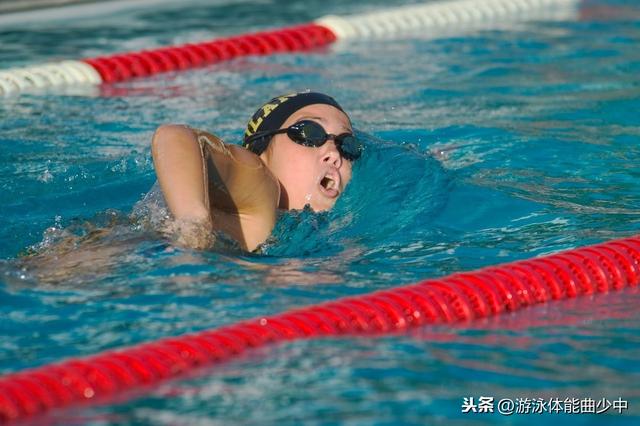
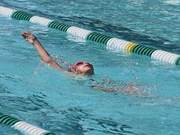
Compared to other sports projects, swimming does require a higher degree of ‘flexibility’, because the movement takes place in a relatively ‘flexible’ physical environment. However, what ‘flexibility’ standard is needed is not defined in the industry. In fact, as long as we achieve the standard joint activity degree that humans should have, we can swim out standard swimming technique movements. Overly pursuing ‘flexibility’ may have reached ‘over-extension’, which is not beneficial for us to control our technique movements in swimming.
From pursuing ‘flexibility’ to increasing ‘range of motion’
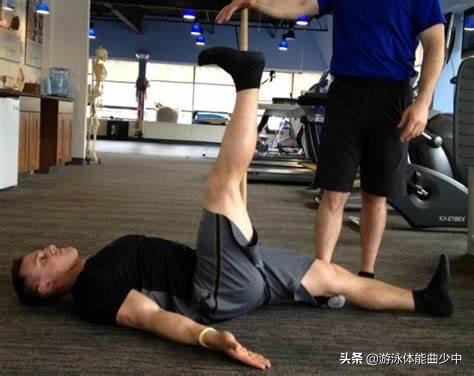
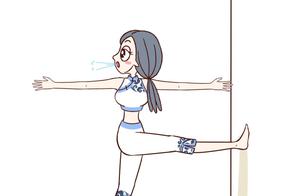
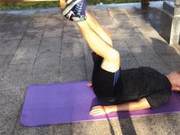
Active straight leg raise test
Simply increasing ‘flexibility’ doesn’t make much sense, because swimmers need to effectively control their bodies in the water. We can turn our pursuit of ‘flexibility’ into enhancing ‘range of motion’.
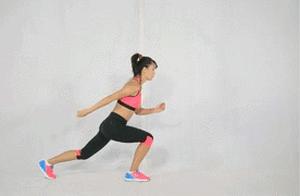
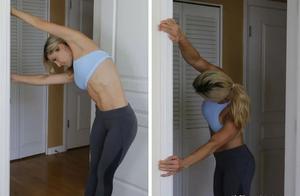
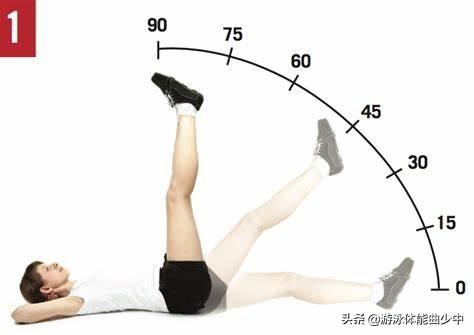
Joint range of motion refers to the activity range that we can actively touch when moving our joints. The target joint of the sit-and-reach test is the hip joint. For swimming players, bending it about 80 degrees to 90 degrees and stretching it about 40 degrees is enough to meet the needs of movement. At this point, we can use an active leg raise test to assess our hip joint activity degree, not just the sit-and-reach test.
Common problems with the sit-and-reach test
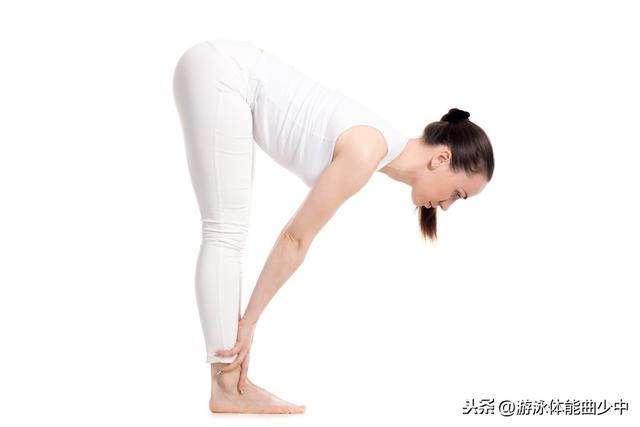
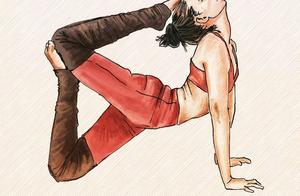
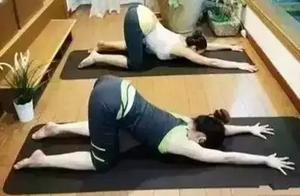
Many friends don’t actually know what the ‘standard’ of the sit-and-reach test is. For example, I have a friend who is a yoga teacher. Her ‘flexibility’ is extremely excellent, and she can make various beautiful movements. She can easily do a sit-and-reach test with her chest and legs touching. But except for yoga, she can’t do other sports. As for why, we can go back to the sit-and-reach test. When she does the sit-and-reach test, her hamstring muscles are very tense, but to do a ‘standard’ sit-and-reach, she increases the range of movement of the thoracic vertebrae to make her chest and back closer. This doesn’t mean that she’s causing harm to her thoracic vertebrae, and it doesn’t have much meaning for her health and fitness. Until now, she still can’t do a normal hip flexion and squat movement, and she doesn’t control the force development of the movement chain well.
Summary
Regarding the matter of ‘flexibility’, we often hear this concept when we are swimming. But most friends know little about its meaning. I suggest that we should not pay too much attention to children’s ‘flexibility’, but rather consider how to increase ‘range of motion’. Some basic concepts of sports science can help us better understand this matter.
Next time when there is a similar sit-and-reach test, at least people may think about it. Its meaning and what role it plays for swimming players.
Hope this helps everyone, thank you for your support, if you have any suggestions, please leave a comment below.