Anatomy of the Shoulder Joint: Sternoclavicular and Acromioclavicular Joints
Musculoskeletal Anatomy Series – Shoulder Joint
Shoulder Joint Musculoskeletal Anatomy – Lecture 1 General
Shoulder Joint Musculoskeletal Anatomy – Lecture 2 Acromion
Shoulder Joint Musculoskeletal Anatomy – Lecture 3 Humerus
Shoulder Joint Musculoskeletal Anatomy – Shoulder Joint Overall Movement: Shoulder-Scapula-Sternum
Shoulder Joint Musculoskeletal Anatomy – Shoulder Joint Foundation: Shoulder-Scapula Joint
Shoulder Joint Musculoskeletal Anatomy – Shoulder Joint Foundation Movement
Shoulder Joint Musculoskeletal Anatomy – Shoulder Joint Foundation: Shoulder-Scapula Joint (This Lecture)
Introduction
After understanding the sternoclavicular joint, we continue our study of the shoulder joint complex. If the sternoclavicular joint is the stable cornerstone of the shoulder joint complex, then this cornerstone's composition must also50%It's the sternoclavicular joint
Sternoclavicular joint
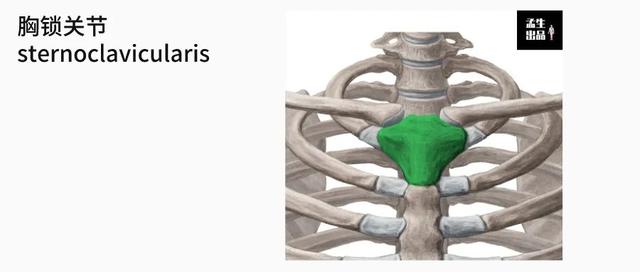
The sternum is a very stable structure and an important component of the body's ribs, the clavicle connects to the sternum throughthe inner endforming the sternoclavicular joint
The acromioclavicular joint belongs to the microjoint, combining stability and flexibility
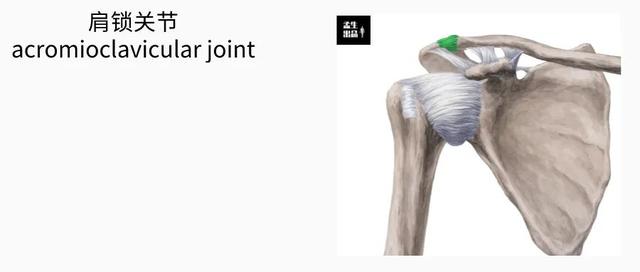
We will first explain stability and flexibility in the next chapter, sternoclavicular joint movement
Stability is provided by the joint capsule, the superior and inferior joint capsules, the ligaments
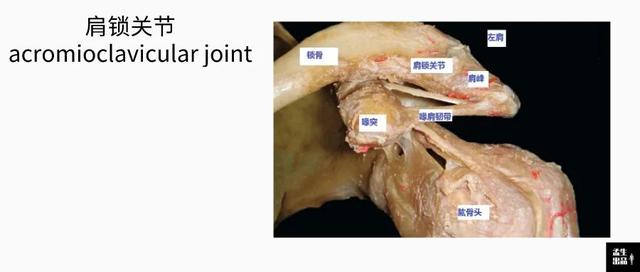
Stability in the anterior and posterior directions is maintained by the coracoclavicular ligament, while vertical stability is provided by the trapezoid ligament
- It's a bit dry, so we'll directly introduce it from the perspective of injury
- A frequently injured location, so we will try to extend the introduction from the injury, and then learn the function. A location that governs movement, we will certainly try to start from the movement and then extend the introduction of movement
- And if it's just a stable connection of structural parts, we may not talk much about it, or avoid the places where there are problems, such as the sternoclavicular joint, then we can only introduce the structure directly
Acromioclavicular joint injury – acute
Coming from various studies and experiments on the shoulder joint, it has been found that when the shoulder joint is abducted 90°, the stress on the acromioclavicular joint is twice the body weight. Problems with the acromioclavicular joint, such as dislocations, seriously affect the function of the upper limb
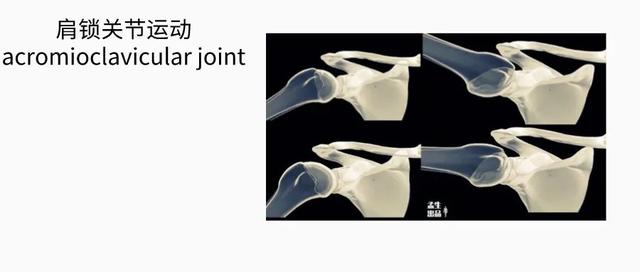
- The acromioclavicular joint is important, and there are many problems with this location
Acromioclavicular joint dislocation is a common problem of shoulder injuries. Dislocation meansthe location where it is detached from the joint itselfand the stability of the acromioclavicular joint is provided by whom? We just introduced that it's provided by the ligaments in the front and back,
Coracoclavicular ligament
The coracoclavicular ligament connects the clavicle and the scapula, the coracoclavicular ligament and the trapezoid muscle connect, jointly providing stability to the acromioclavicular joint
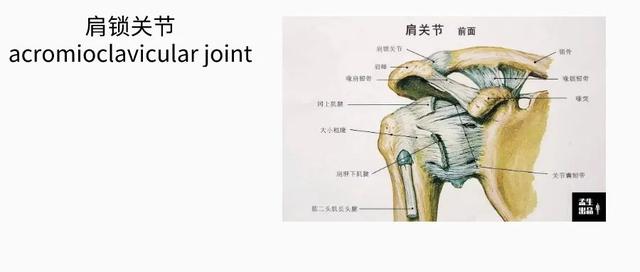
Trapezoid ligament
The trapezoid ligament is composed of the conoid ligament and the trapezoid ligament, it is a particularly strong ligament in the shoulder joint, capable of bearing a large amount of pressure, when shoulder injuries occur, the trapezoid ligament will break and tear when subjected to large pressure
- It's not necessary to consider the detailed damage of the ligaments, we mainly need to learn how to prevent injuries
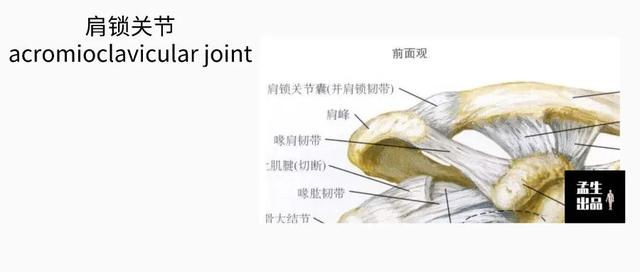
Ligament and acromioclavicular joint acute injury
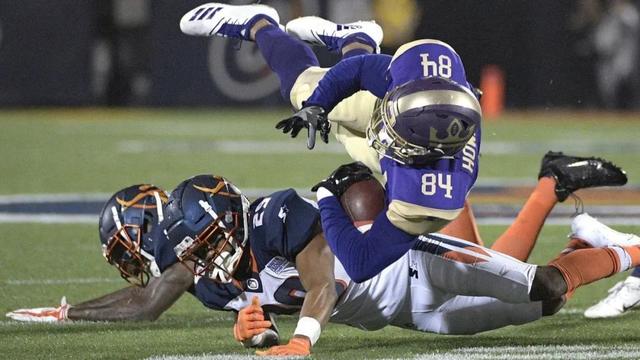
The location of the acromioclavicular joint is inherently at the outermost end of the body, it is easily subjected to sudden pressure in traffic accidents or sports confrontationLarge pressure may first cause clavicle fracturewhich was introduced in the previous lecture on sternoclavicular joint movement and injury movement
- The reason is easy to understand, because the clavicle body is long, it is easy to have problems when subjected to pressure
When the acromioclavicular joint is subjected to pressure, without causing clavicle fracture, the joint capsule and the superior and inferior capsules need to absorb and resist the pressure
At this time, it's easy to cause joint capsule injury and instability, leading to acromioclavicular joint partial dislocation
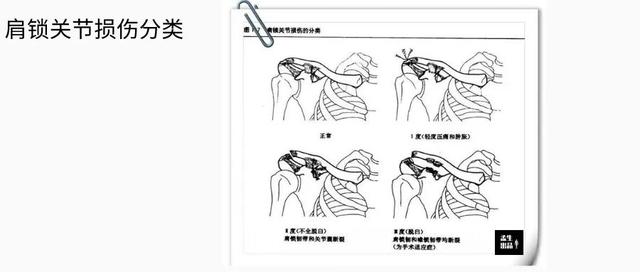
If the pressure is less than bone fracture and greater than acromioclavicular joint partial dislocation, the trapezoid ligament will reach its maximum pressure resistance strength during absorbing pressure, it will cause the trapezoid ligament to rupture and then cause acromioclavicular joint complete dislocation, accompanied by other problems such as post-traumatic osteoarthritis
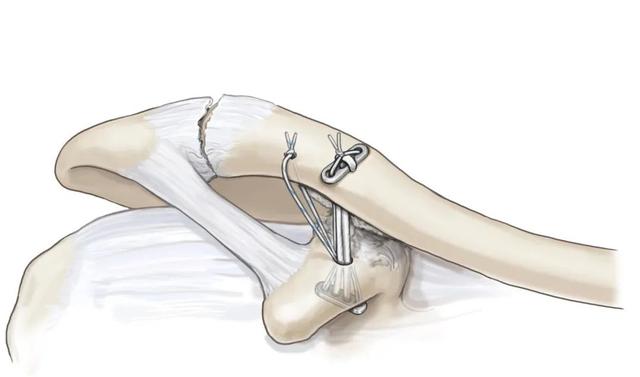
At this time, various methods can be taken, such as surgical treatment and ligament recovery, but more importantlypost-operative rehabilitationbecause the injured acromioclavicular joint is very easy to cause post-operative acromioclavicular joint instability
- post-operative rehabilitation of acromioclavicular joint surrounding activity and reasonable muscle tension is crucial
Acute injury measures
Considering the strategic significance of the acromioclavicular jointwhich is always the most important thingall patients with shoulder trauma should consider acromioclavicular joint dislocation
When acute acromioclavicular joint dislocation is found, the limb movement is impaired, for example, using the uninvolved limb to support the elbow of the affected limb to relieve shoulder pain, palpation finds local pain, swelling and the dislocation of the clavicle, if you encounter such a case, you should seek medical attention immediately
Common scenarios
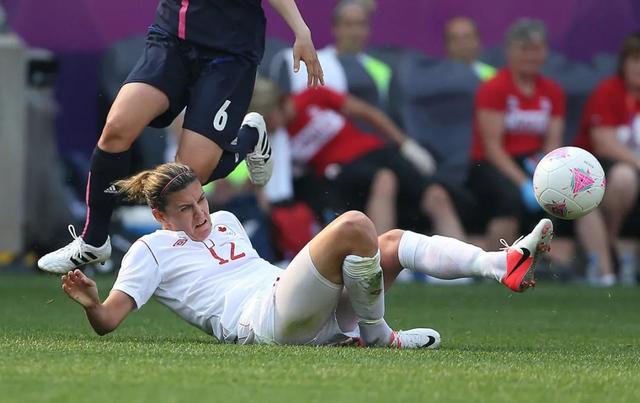
Sports injuries: football players, rugby players
Traffic accidents: especially common in bicycle and motorcycle accidents
Understand the injury, you understand the structure; understand the structure, you also understand the injury
- This is notphilosophybut scienceAcromioclavicular joint injury – chronic
The inner edge of the acromion of the clavicle and the prominent edge of the scapula acromion form the acromioclavicular joint, which has a fibrous cartilage structure of the semi-lunar plate in the acromioclavicular joint, interestingly, about 10% of people's acromioclavicular cartilage plate is complete, this is not a structural problem, it's just a degenerative change
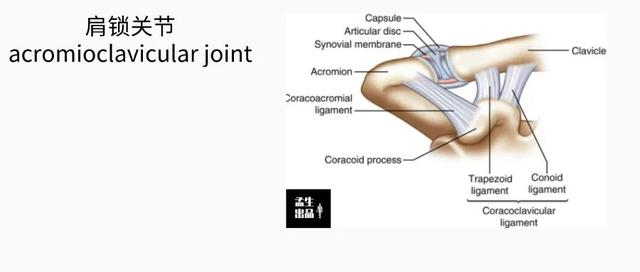
With the growth of age, this acromioclavicular cartilage plate may undergo degenerative changes
and the correct way to use it is what we need to learn
correct use is not how the champion trains, it's not how different people train, but to understand the human body's anatomy and physiology, the purpose of learning human anatomy and musculoskeletal knowledge is to help you master the secrets behind it
- Acromioclavicular joint movement
The next chapter, 'Shoulder Joint Musculoskeletal Anatomy – Shoulder Joint Foundation: Shoulder-Scapula Joint Movement' will continue to explain the movement of the acromioclavicular joint, please continue to pay attention
For
overall assessment
application of the methodit will be presented in video form for everyone to view, regarding the video course suggestions, the following voting expect your participationConclusionWe hope this series can help:
fitness coaches, yoga teachers, athletes, trainers, more fitness, health, sports, rehabilitation practitioners
- become someone who understands human knowledge, learns anatomical knowledge, and has practical skills applying human anatomy and musculoskeletal knowledgeLater, more knowledge about muscle anatomy and human physiology will be waiting for youA solid foundation is key, everything will be good, whether it's athletic performance, athletic rehabilitation, and athletic training, you can apply it with confidence
In the future