Improving Leg Crossing-Related Issues: A One-Week Solution for Muscle Imbalance, Walking Discomfort, and Asymmetrical Posture
Recovery will never be late
Recovery will never be late
Aidan is an editor, who spends a lot of time with the computer, and does not engage in much sports. Recently, she had a constant feeling of restlessness, with pain in her sacroiliac joints and a feeling of instability in her knee when walking, accompanied by pain on the inner side of her right knee.
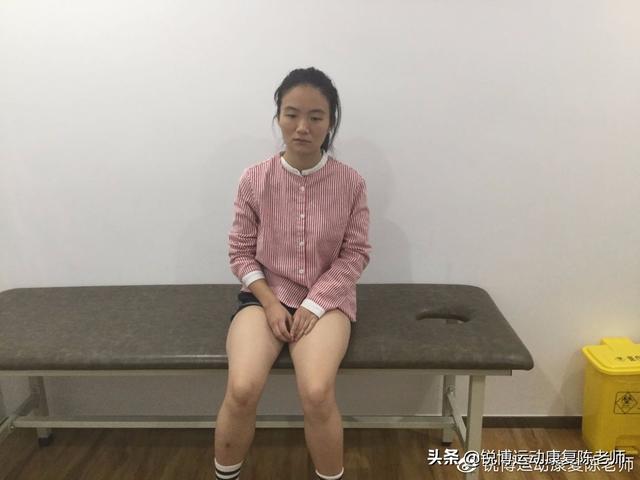
Before intervention, sitting position
It can be obviously seen from the picture that Aidan is sitting in an incorrect posture in a sitting position, with significant muscle imbalance. Physical examination revealed sacroiliac joint trigger points, with relative tension on the iliolumbar muscles on the left, and posterior chain tension on the right. There was a significant difference in hamstring muscle tension between the right and left, with higher tension on the right. She exhibited greater hip abduction on the right and insufficient ankle plantarflexion; during running, she exhibited knee inward deviation.
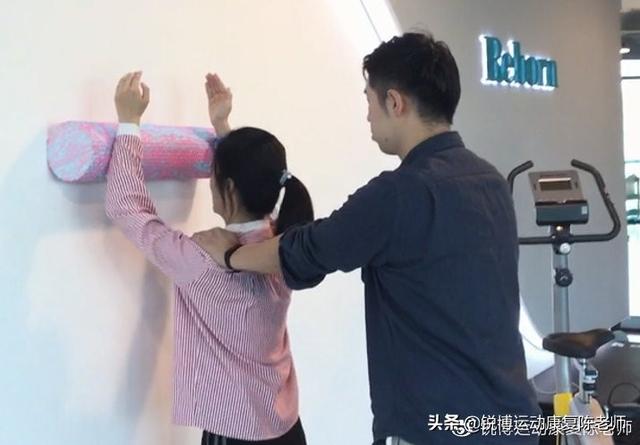
Considering Aidan's situation, we decided to independently rehabilitate her waist and knee. We performed two rehabilitations per day for each of her waist and knee, for a total duration of one week. The rehabilitation content primarily included relaxation of tense muscles and fascia, strengthening of weak muscles, improvement of knee and core stability, strengthening of neuromuscular control, and modification of movement patterns.
After one week of rehabilitation, it was clearly evident that she could achieve a symmetrical balanced state in the sitting position. Simultaneously, Aidan's sacroiliac joint and knee pain disappeared, and her gait and running posture were improved. Aidan noticeably reduced the feeling of long-short leg gait when walking and climbing, and she began to consciously exert force.
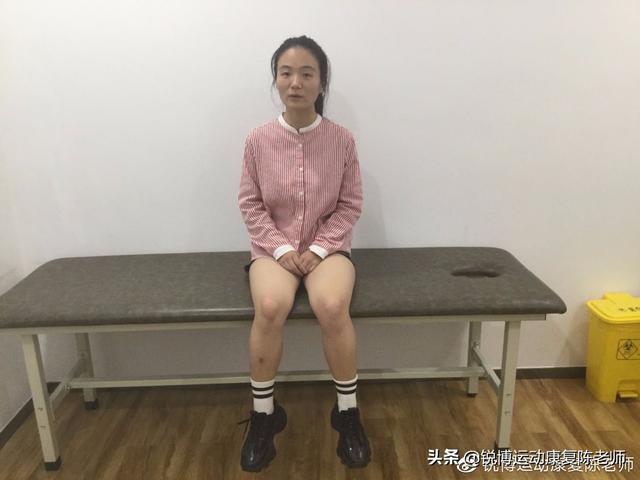
During a chat with Aidan, we discovered a very bad habit she had in her work—crossing her legs. This is one of the reasons we repeatedly emphasize maintaining correct posture in daily life, otherwise muscle imbalance is easily induced, leading to various problems.
Aidan's case is relatively early, and her knee problem is relatively mild. If she ignores muscle imbalance for several years, her knee joint is likely to develop into a severe patellofemoral pain syndrome, with a more significant impact on her life.
Recovery will never be late, but the earlier you start, the easier it is.
Offline intervention before
- Restlessness
Sacroiliac joint pain
Waist discomfort
Right knee pain when walking
Long-short leg gait, knee instability
Running knee inward deviation
Rehabilitation intervention time
- Symptoms appeared after a period of time
Part of offline guidance·
- Neuromuscular control strengthening
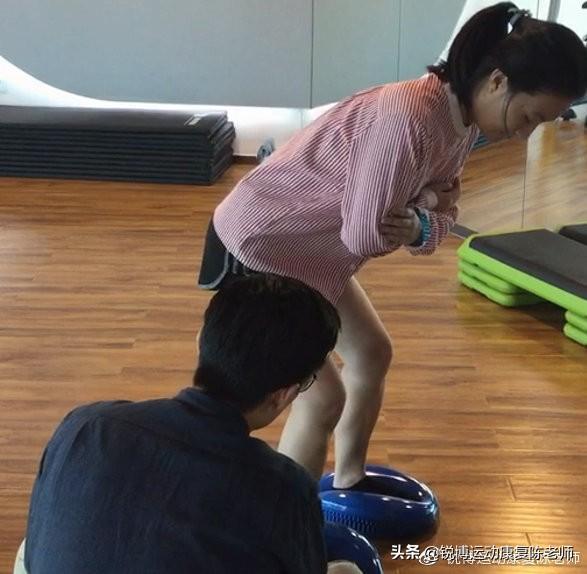
Movement pattern adjustment
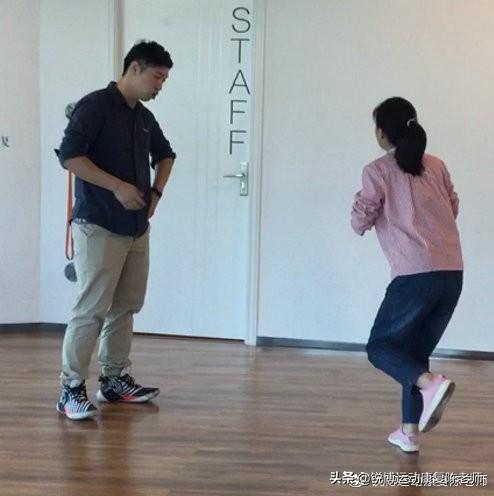
Range of motion improvement
Agility enhancement
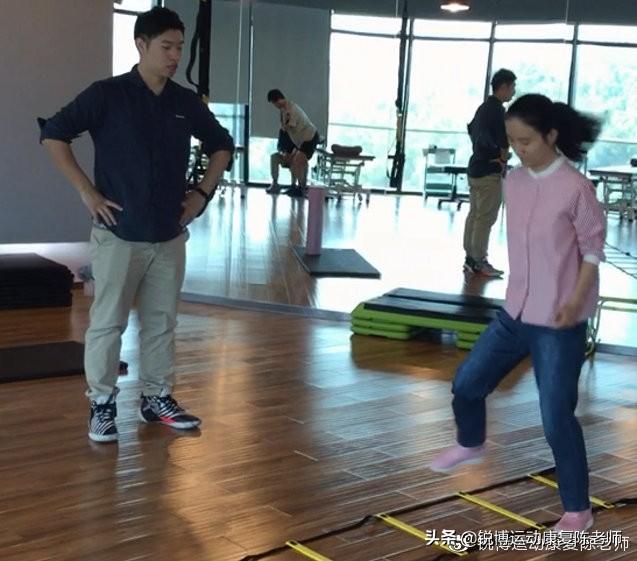
Knee joint stability strengthening
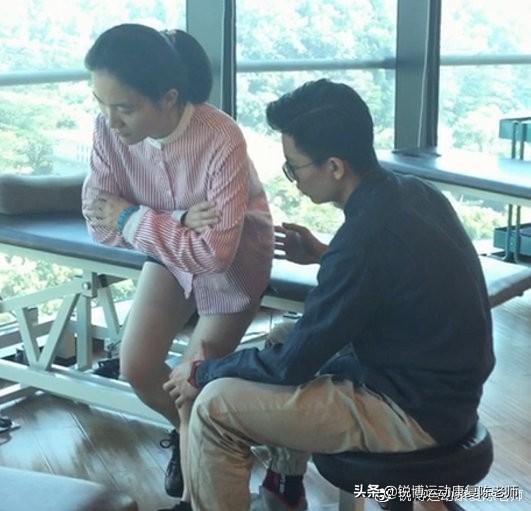
Weak muscle strengthening
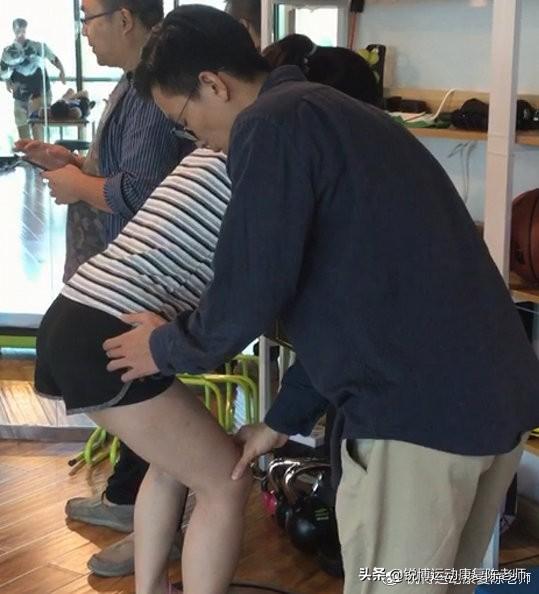
Neuromuscular control strengthening
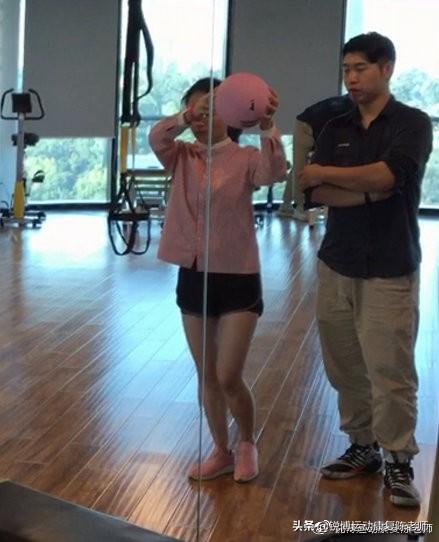
Neuromuscular control strengthening
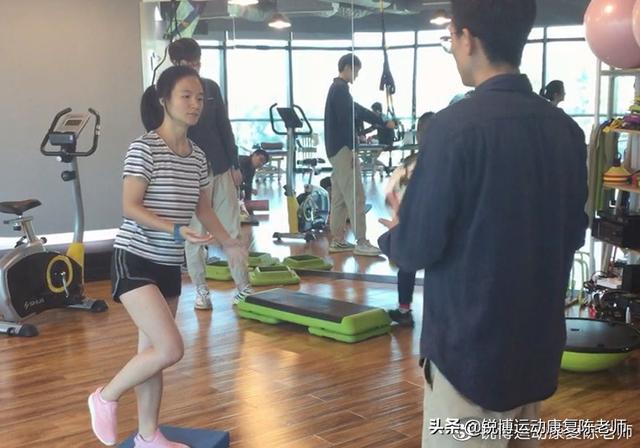
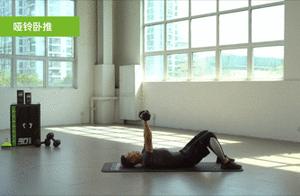
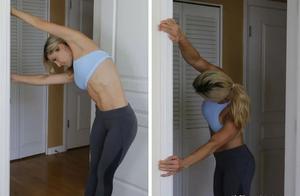
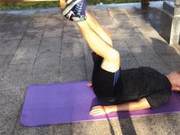
Part of rehabilitation videos:
Rehabilitation frequency and cycle
- Twice a day for each of her waist and knee
One week
Rehabilitation effect
- Ability to maintain a comfortable sitting position
Sacroiliac joint pain disappears
Waist discomfort disappears
Right knee pain when walking disappears
Long-short leg gait and knee instability are significantly improved
Running knee inward deviation is improved
Before intervention
After intervention
Rehabilitation materials
- The earlier you recover, the better