How Much Weight Can You Lose After Reducing Your Daily Calorie Intake by 400?
Original content, transcribers will be held accountable!
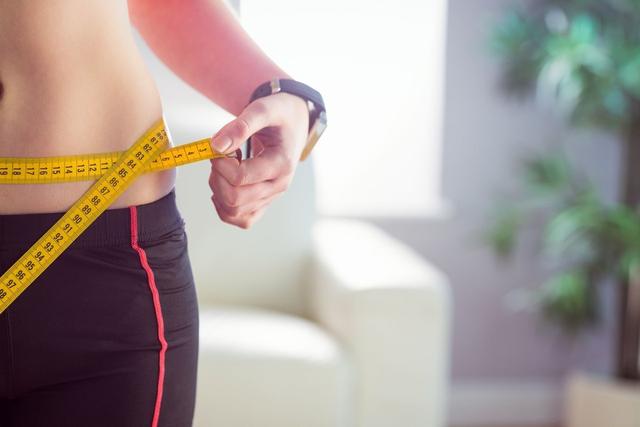
Weight loss is a chase between heat deficit and surplus.
When your daily calorie intake exceeds your daily calorie expenditure, a heat surplus occurs, and the excess calories are converted into fat accumulation. When your daily calorie intake is less than your daily calorie expenditure, a heat deficit occurs, and the body will mobilize stored energy to supply energy.
Therefore, the methods of weight loss essentially involve reducing calorie intake or increasing the body's heat output to achieve weight loss and shaping.
Today, let's mainly talk about calorie intake.
It takes 7700 calories for one kilogram of fat to be consumed by the body's heat expenditure. Although the body's heat expenditure process will not fully mobilize fat to be consumed, it will also mobilize part of the muscle and other tissues to be consumed.
However, when you reduce calorie intake by 400 calories per day, you can reduce the intake of 12000 calories per month, and you can lose about 3 kilograms of weight.
So, what exactly are 400 calories?
100g of rice has 116 calories, and 400 calories is equivalent to 345g of rice. A bowl of rice at home is about 150g. If you can reduce 2.5 bowls of rice, you can save 400 calories. From this perspective, saving 400 calories is not difficult.
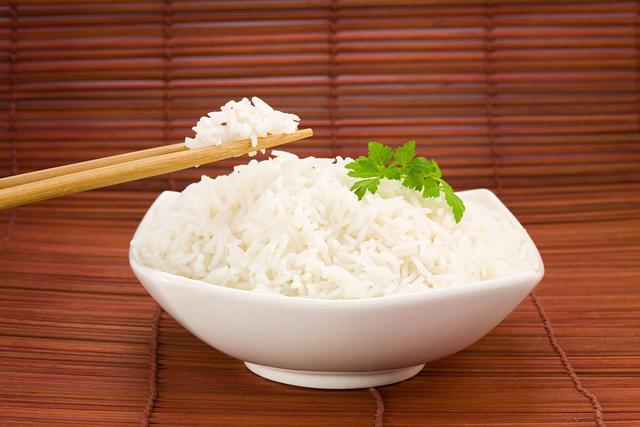
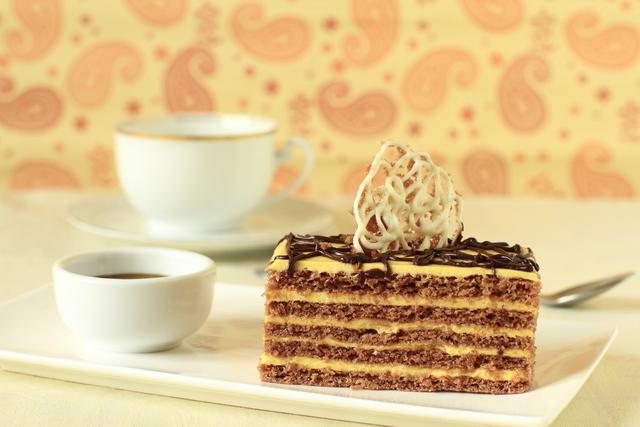
Meanwhile, a 100g bag of potato chips has 550 calories, and a 100g block of chocolate has 550 calories, and a cup of medium-sized caramel latte has 450-600 calories.
We can see that the calorie content of snacks and beverages is very scary. You painstakingly lose 1 kilogram of weight, and the calories of 14 bags of potato chips or 14 blocks of chocolate can make your efforts in vain.
Why are people often called fat people asked to control their diet?
Therefore, they always want to eat various snacks or drinks, which leads to their weight accelerating fat accumulation. Often, obesity is not because you eat a lot at three meals, but because you eat too many snacks and drink too many beverages. Snacks and beverages have a weak satiety, but the calories are very high.
An office white-collar worker tried to quit drinking a cup of milk tea every day. After one year, his weight decreased unconsciously by more than 10 kilograms, which surprised the company people. His colleagues asked him how he did it, and he said he didn't do anything except quit drinking milk tea.

So, if you want to lose weight, the first thing to do is:Clear all snacks at home, give all the snacks in the office to others, and at the same time quit the habit of afternoon tea. Don't eat snacks in the evening.
Snacks, afternoon tea, and late-night snacks not only have high calorie content, but also are not good for health, which can increase the burden on the digestive system, produce harmful substances in the body, and affect the normal operation and metabolic function of the body.

Only by returning to healthy eating, regular meals, and eating more natural and less processed foods can you ensure the circulation and operation of the body, improve constipation, and help you lose weight, which is conducive to the development of a slender physique.
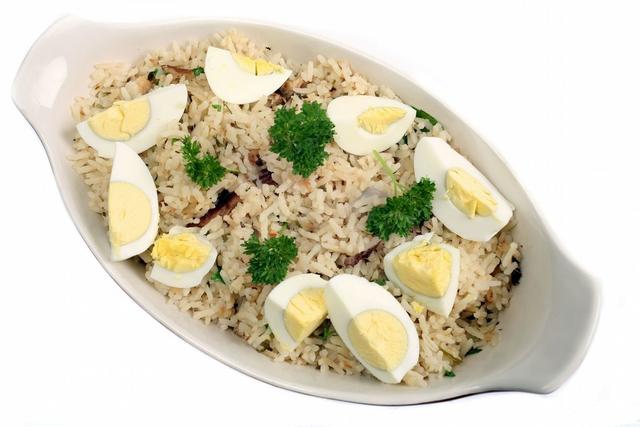
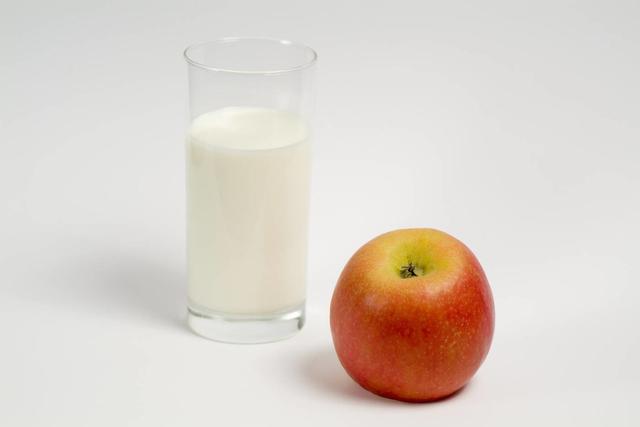
Besides the regular three meals, don't eat other foods. When you're hungry, you can drink more water or choose an apple or boiled egg as a snack.
Finally, let me remind you that weight loss is about controlling your diet, not excessive dieting.
Don't excessively reduce calorie intake, a reasonable calorie intake, and the daily calorie intake should be 80% of the usual basic metabolic rate. When your daily calorie intake is only a few hundred calories, the body cannot meet the basic metabolic rate, so it will break down muscle tissue, leading to hair loss and anemia.
At this time, the body feels hungry and reduces heat expenditure, which makes it even more difficult for you to lose weight. When you restore your diet, your weight will rebound.
Therefore, for health and the sustainability of weight loss, you must avoid excessive dieting.