How to Treat and Prevent 'Runner's Knee'
46-year-old Mr. Cao loves to run, and besides windy and rainy weather, he runs 4-5 kilometers almost every day. However, recently he has been feeling pain on the outside of his knee, especially when squatting, going up and down stairs, and walking, the pain is more obvious. After seeing Zhaohui Teacher online consultation at Weiyi Medical, he realized that he belongs to the typical symptoms of 'runner's knee'.
What is 'runner's knee'
Runner's knee is also known as iliotibial band syndrome. You can imagine the iliotibial band as a rope located on the outside of our thigh, with two ends fixed, connecting the thigh and calf, playing an important role in fixing the knee joint. When we do repetitive bending of the knee joint, the iliotibial band will be repeatedly rubbed, thus causing iliotibial band injury.
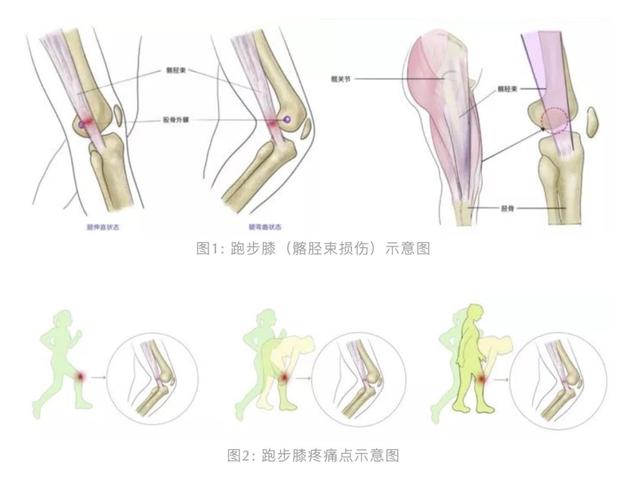
People with iliotibial band friction syndrome usually appear knee pain on the outside of the knee and the outside of the thigh, local pressing pain is more severe, the pain initially appears after running, and develops to the later stage, even during the middle of running, the pain is unbearable. This pain does not affect daily life, walking is not painful, but once running, it will recur.
How to relieve the symptoms of iliotibial band friction syndrome?
First, and most importantly, you should stop running. As the cause of iliotibial band friction syndrome is known, if there is no good rest after injury, iliotibial band syndrome will become a vicious circle.
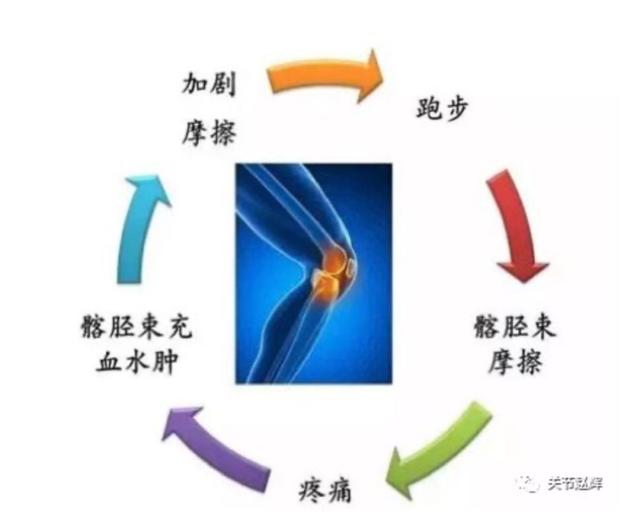
Therefore, rest is very important to prevent this vicious circle.
In addition, the inflammation of the iliotibial band caused by iliotibial band friction after running often causes the iliotibial band to be tense. Therefore, iliotibial band relaxation stretching is necessary.
Iliotibial band stretching has two main methods, one is self-stretching, and the other is tool-assisted stretching.
1. Self-stretching self-stretching
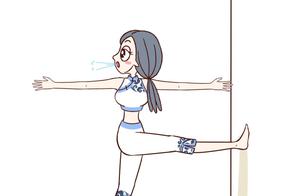
1) Standing stretching exercises the hip joint external rotation muscle and the iliotibial band
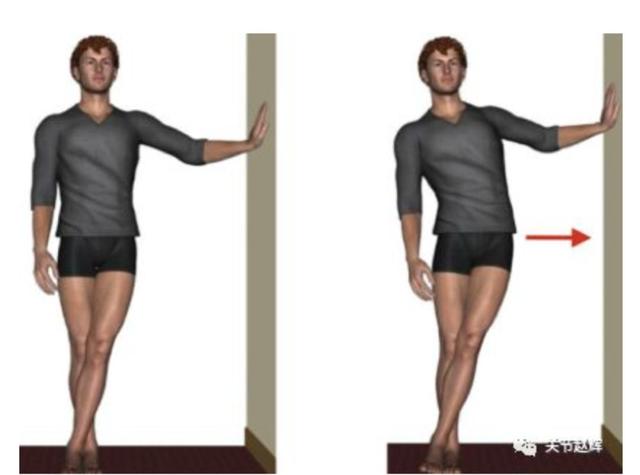
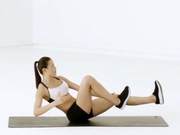
2) Sitting stretching the hip joint external rotation muscle and the iliotibial band

2. Tool-assisted traction
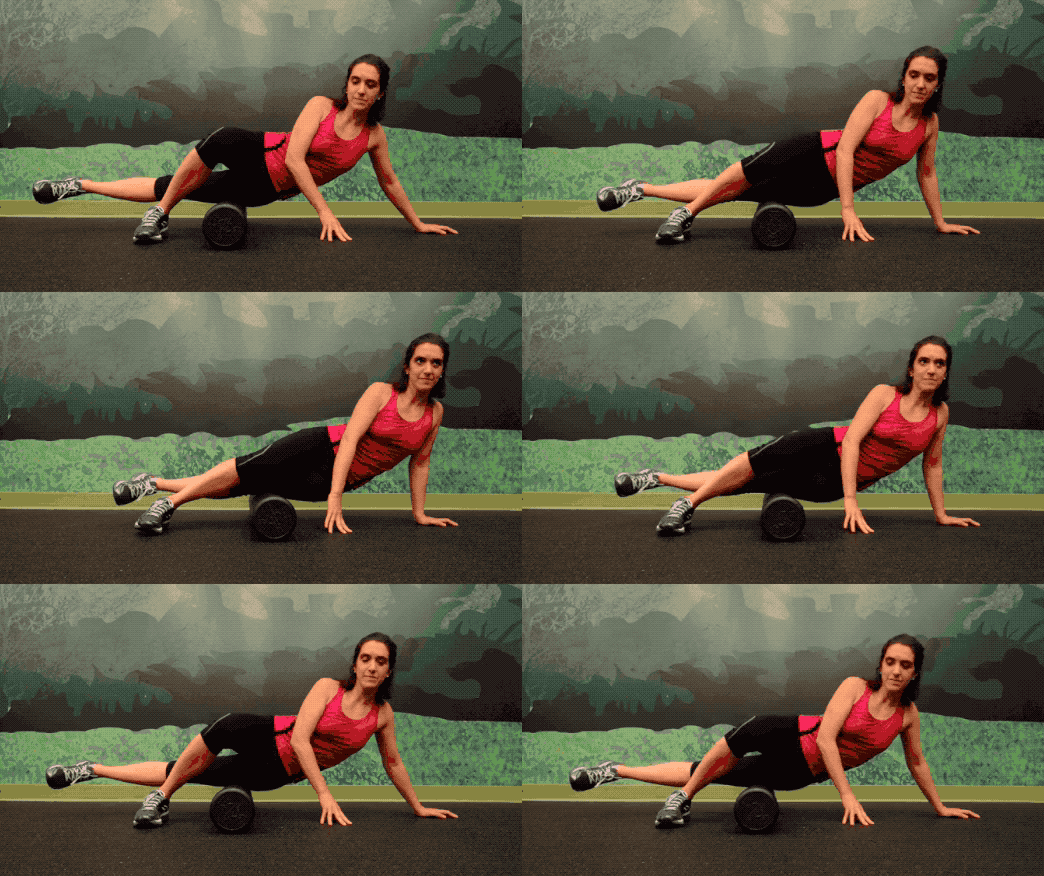
1) Using a foam roller to roll and relax the thigh
Finally, in addition to rest and stretching, gluteus medius training and strength reinforcement are also very important.
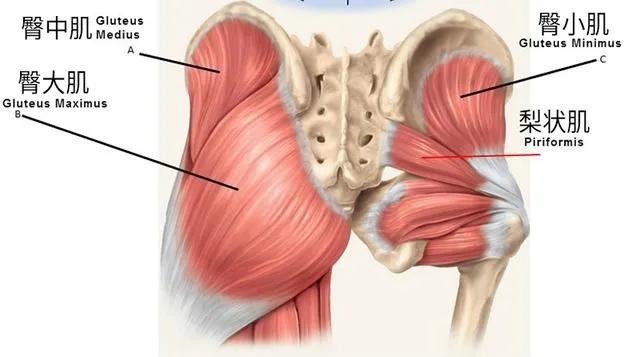
The gluteus medius is the most important muscle for stabilizing the hip joint, allowing the hip joint to make movements other than internal rotation, when the stabilizing muscles of the hip joint are weak, the knee joint and the greater trochanteral muscles need to bear more power, that is, when running with a weak gluteus medius, the power that cannot be borne by the gluteus medius is transmitted downward, and the knee joint is affected, the knee joint becomes diseased. Therefore, to solve the iliotibial band problem, it is also necessary to strengthen the strength of the gluteus medius. Here we introduce several exercises to strengthen the gluteus medius.
1. Side-lying leg raises
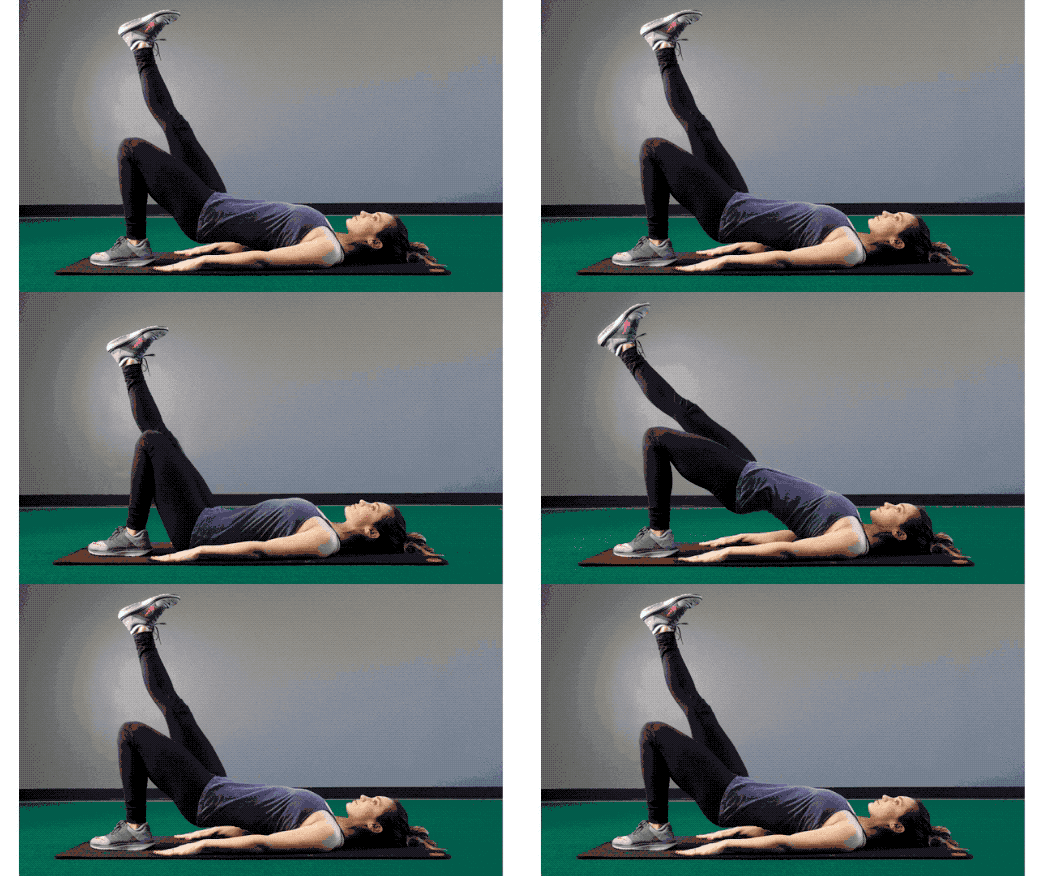
2. Single-side hip raises
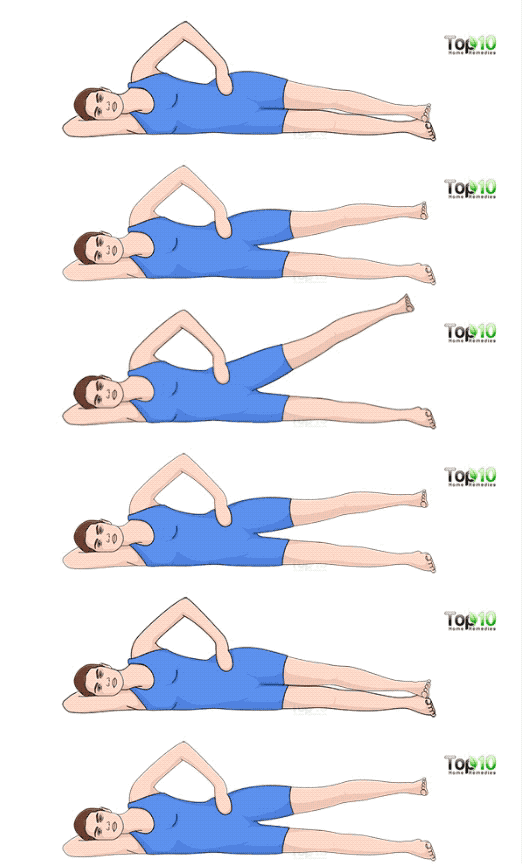
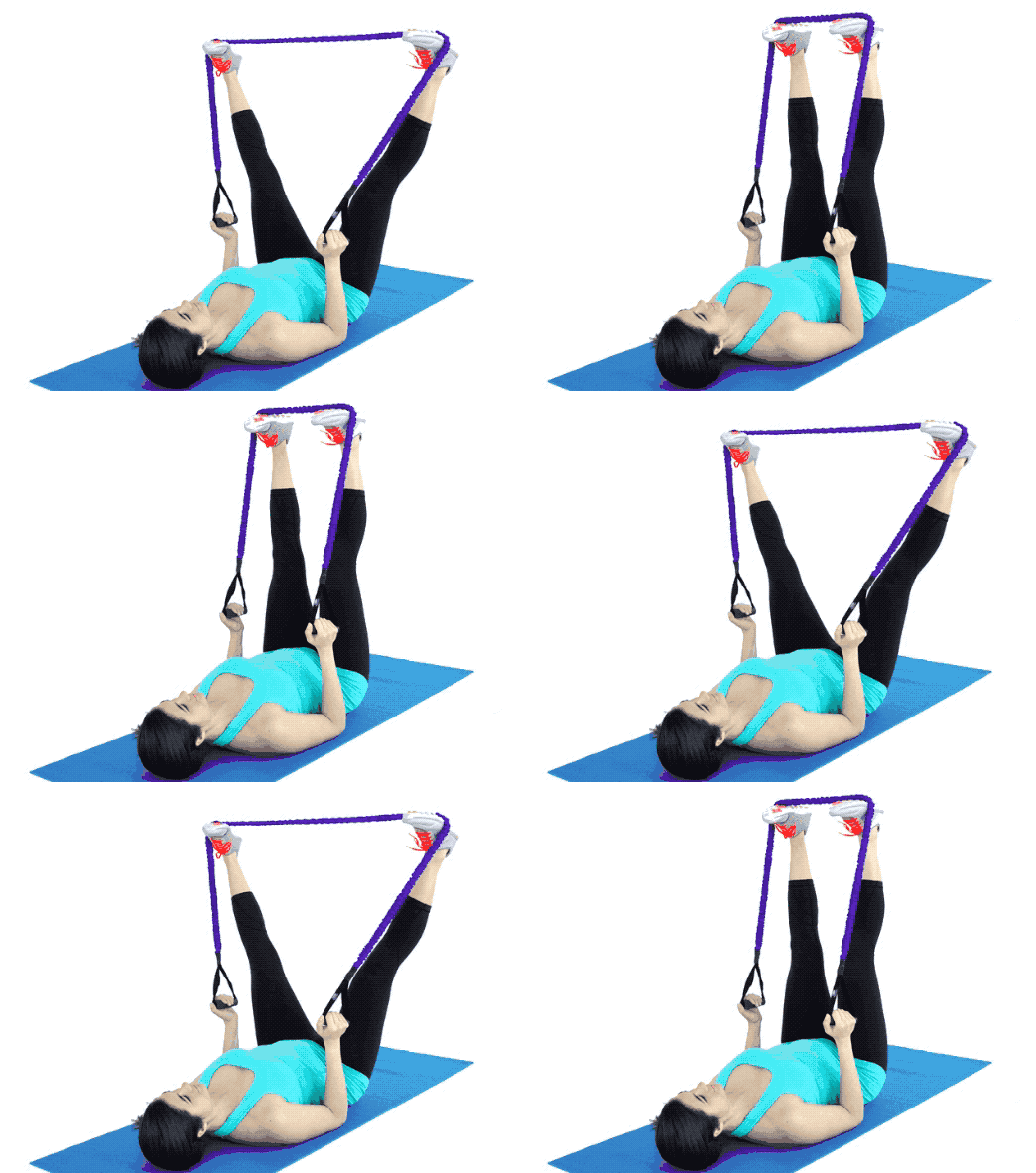
3. Flat lying leg abduction training gluteus medius
3.