Choosing the Right Running Shoes Requires Correct Lacing: Classic Methods Solve Common Running Problems
I always thought shoelaces were just a decorative part of shoes, never realizing that their tying method also affects foot comfort and health. We also need to choose different shoelace tying methods based on the type of shoe and the shape of our feet.
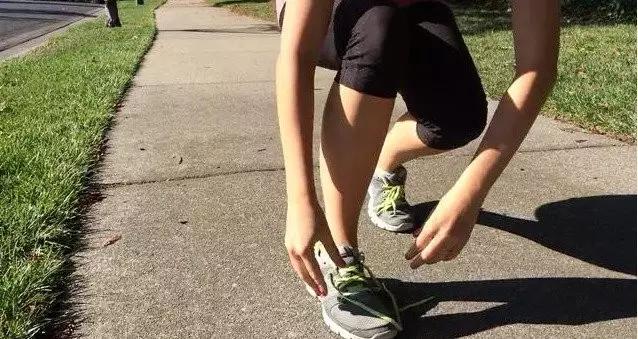
There are many ways to tie running shoes, and they will directly affect your stride and cadence. If the shoelaces are too loose, you'll feel like you're dragging your feet, and too tight will cause your feet discomfort. Let your feet and shoes become one to effectively avoid sports injuries, allowing you to run faster and with peace of mind.
The most common lacing method is to first cross the laces and then tie a bow. However, this bow has a 50% chance of becoming easily loosened.
See the following picture
Simple 6 steps to teach you how to tie your shoelaces firmly
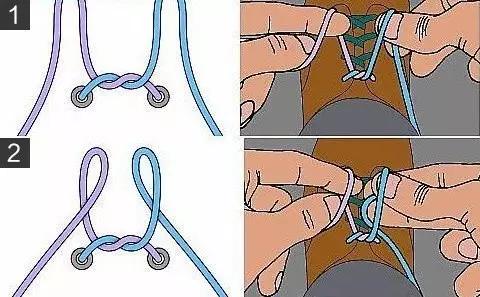
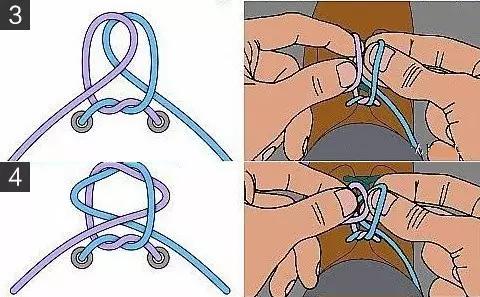
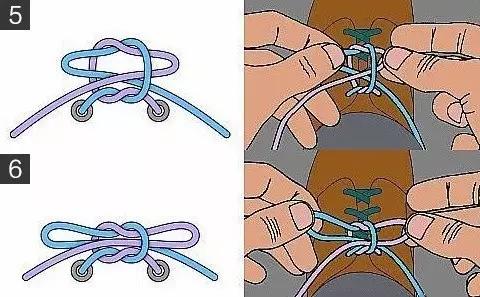
To solve this problem, you need to pay attention to the order when tying the rope knot. When your cross rope is left on top (left rope pressing on the right rope), you must tie the bow with the right rope on top (right rope pressing on the left rope). Conversely, it's the same.
The advantage of adopting this shoelace tying method is that it's firm
and easy to learn.
Due to the cross-pressing, this method
also doesn't easily cause the shoelaces to loosen.

Different shoelace tying methods can make shoes more suitable for your foot shape, achieving the state of man and shoe harmony. What is your foot shape? The following introduces different shoelace tying methods, so you can see which one suits you.
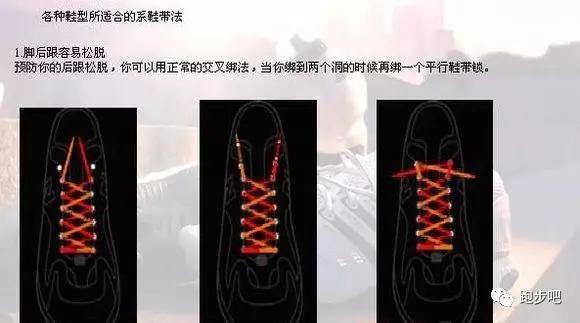
1, Heel easily slips
To prevent your heel from slipping, use the normal cross-lacing method. When you reach the two holes, tie another parallel shoelace lock.
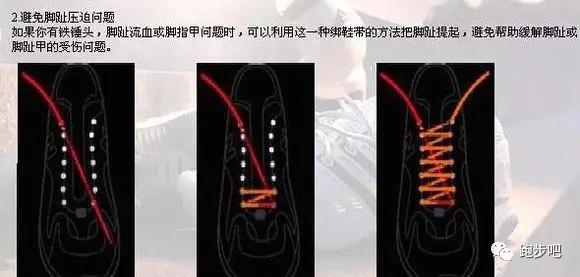
2, Avoid toe pressure problems
If you have hammer toes, bleeding toes, or toenail problems, you can use this method to raise your toes, avoiding helping to relieve foot or toenail injuries.
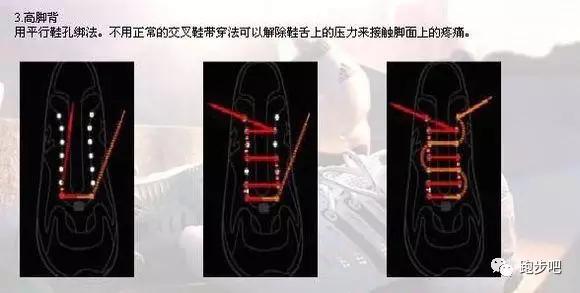
3, High insteps
Use the parallel hole lacing method. Without the normal cross-lace tying method, you can relieve pressure on the tongue of the shoe, relieving pain on the foot surface.
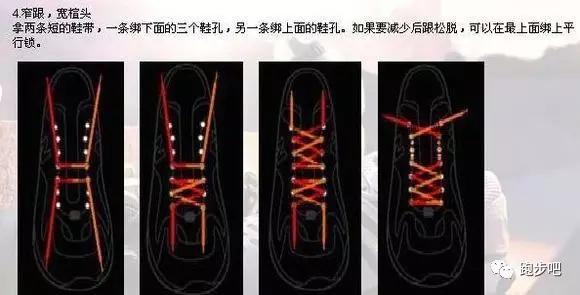
4, Narrow heels, wide toe box
Use two short shoelaces, bind the three lower shoe holes with one and the upper shoe holes with the other. To reduce heel slippage, you can lock parallel on the top.
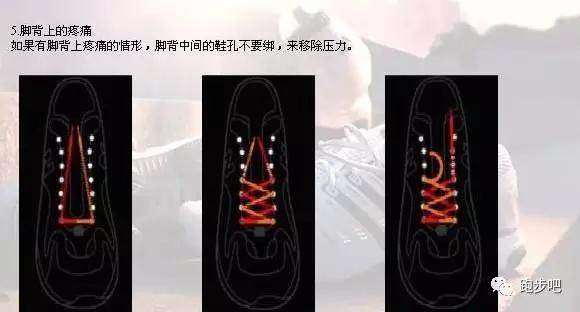
5, Pain on the foot arch
If you feel pain on your right foot arch, do not tie the shoe holes in the middle of your foot arch to remove the pressure.
Running shoes laces effectively avoid sports injuries
allowing you to run faster and with peace of mind.
Below is the complete video learning