How to Eat a Muscle-Building Meal? Remember 2 Dietary Principles to Effectively Promote Muscle Growth
Three parts practice, seven parts diet, is a link that many people ignore.
If your fitness meal is wrong, your muscle growth path will fall into a misunderstanding. The body's growth may be more fat, not muscle. We often see people who gain muscle while building their bodies, their body fat percentage also increases.
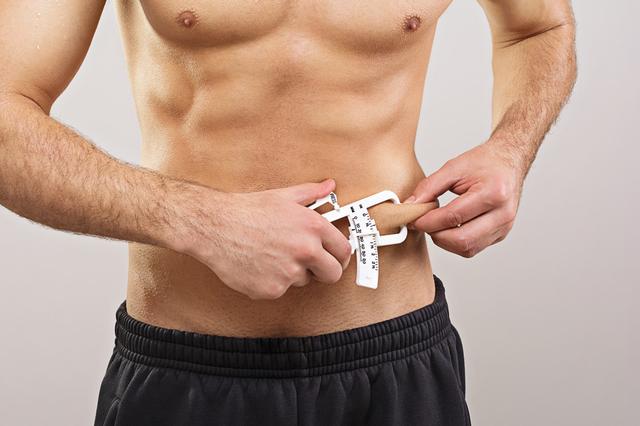
Many people in fitness diet may have two misconceptions, the first is unreasonable calorie intake, the second is inappropriate food matching, which leads to poor fitness effects and muscle growth turns into fat gain, unable to achieve the purpose of building muscle.How to eat a muscle-building meal? Remember the following 2 dietary principles to effectively promote muscle growth!
Let's talk about calorie intake first:
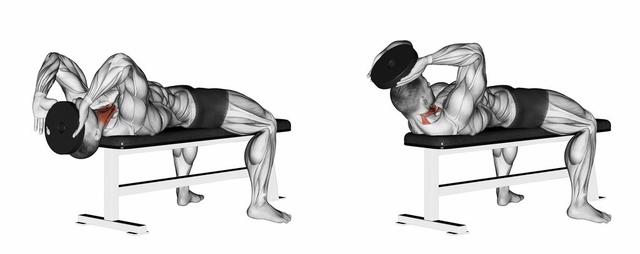
If you are mainly focused on muscle growth and have a thin physique, increase your calorie intake to allow muscles to absorb nutrients and achieve growth. During fitness and muscle gain, the body will also consume calories. If your calorie intake is insufficient, muscles will naturally have difficulty growing strong and full.
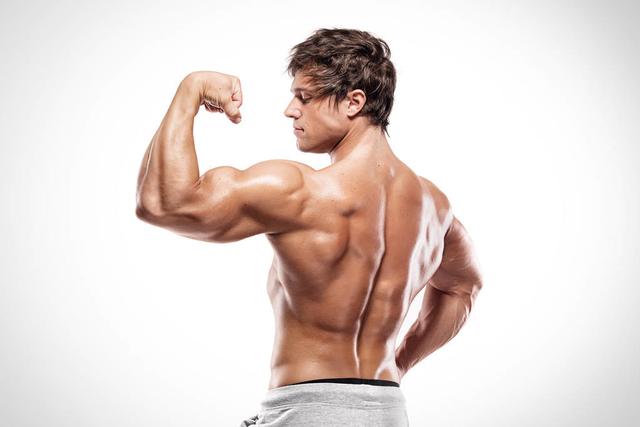
Therefore, your calorie intake needs to be more than 20% higher than usual to provide enough energy and nutrients for muscle growth. If your daily calorie intake is 1800 calories, your calorie intake during muscle gain should increase by about 360 calories.
To improve the absorption rate of food, it is best to take it in multiple meals, dividing the daily calorie intake into 5-6 meals, and the absorption rate of food will increase, which helps muscle growth quickly.
Now let's talk about the selection and matching of ingredients:
In addition to determining the calorie range, daily nutrient matching is also very important. Protein, carbohydrates and fats are essential.
For example: match 2-2.5g protein per kilogram of body weight, and the carbohydrate, protein and fat intake ratio in three meals a day should be 40%, 35% and 25%.
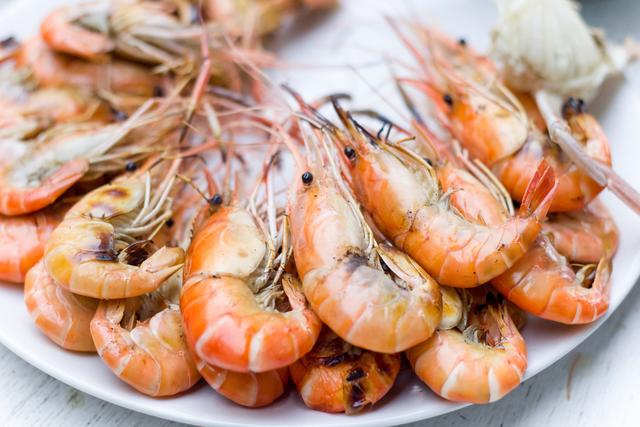
We should reject junk food. Although hamburgers and fried chicken also contain protein and carbohydrates needed for muscle gain, these foods are too high in calories and the intake of fat is not conducive to human health and can easily cause obesity.
The purpose of our diet is to provide more calories for muscle growth, not to promote fat gain. Therefore, in cooking, we should avoid damaging the nutritional value of food, less fried food, and prefer steaming and boiling.
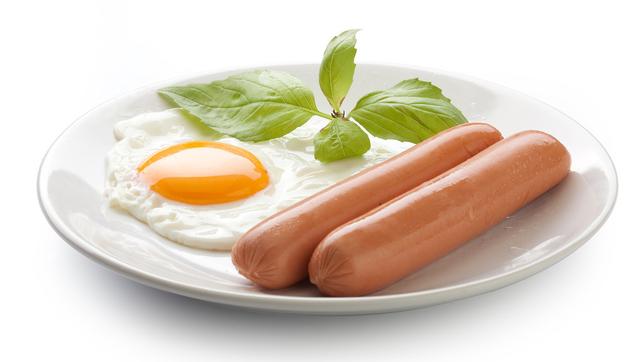
Amino acids in protein provide raw materials for muscle synthesis. Choose high-quality protein, such as eggs, dairy products, fish, chicken breast, etc.
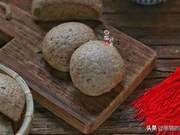
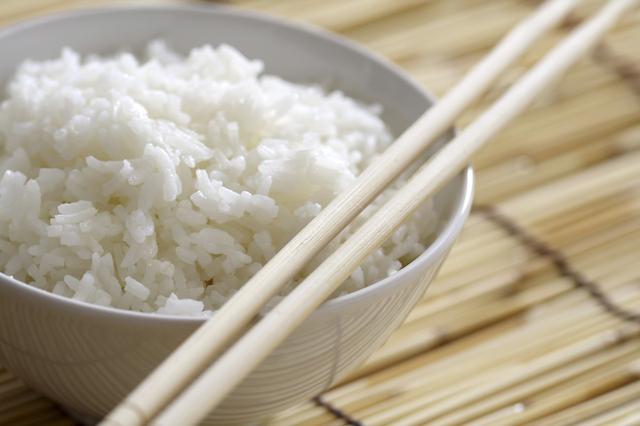
Complex carbohydrates, such as brown rice, oats, sweet potatoes, potatoes, black beans, peas, lentils, can reduce fat generation. Simple carbohydrates, such as rice, noodles, steamed buns, should be reduced. The ratio of the two carbohydrates should be 1:1.
Healthy fats should avoid all animal fats, plant oils (peanut oil), choose olive oil for cooking. Healthy snacks can choose peanuts, nuts, etc.
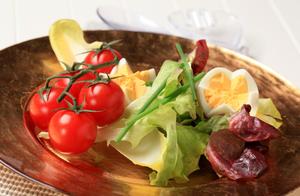
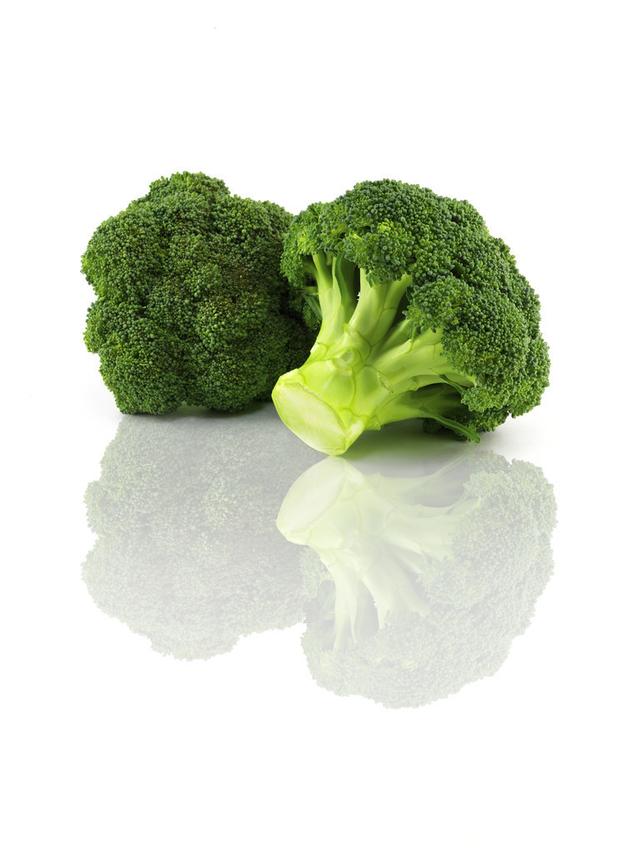
In addition, don't forget high-fiber vegetables and fruits, such as tomatoes, cucumbers, broccoli, cabbage, pomelos, oranges, strawberries, etc. They can increase various minerals and trace elements, helping the body's metabolism and digestion, promote intestinal peristalsis and prevent constipation. Choose at least 5-6 different vegetables and fruits in three meals to ensure the body's nutritional needs.
Now do you know how to arrange a muscle-building meal? If you can follow these 2 principles for 2 months, your muscle growth speed will be 1 times faster than others!