How many kilometers should you brisk walk or run each day? Compare with the standard plan to see if you've met the requirements?
Professional Doctors Talking About Health

Mr. Zhang's blood sugar was slightly high, and his belly was also gradually growing year after year. He made a firm decision to ‘control his diet and take a walk.’ In terms of diet, he had already done well by eating less and reducing his staple food intake by about half. He no longer ate red-braised pork every day, and he had to ensure he consumed more than one kilogram of fresh vegetables every day. However, he was wondering how many kilometers of brisk walking or running could effectively help him.
Doctor's Analysis
For people with ‘three high’ conditions, especially those with a ‘military-style belly’ after entering middle age, the body’s metabolic indicators have become abnormal, laying the groundwork for the occurrence of various diseases. The most effective way to eliminate these dangers is to change one’s lifestyle, and exercise plays a very important role. Exercise is the process of the body consuming energy. Research shows that burning 300 calories through exercise can help the body prevent various diseases.
So, how to exercise to meet the requirement of consuming 300 calories? Here is a standard aerobic exercise plan for your reference.
- Exercise preparation: Stretch the ligaments of the legs, move the neck, waist, hip, knee, and ankle joints, and perform a 5-minute warm-up;
- The intensity of exercise: brisk walking or running, or alternating between them, maintaining a speed of 6-8 kilometers per hour, and continuing for about 45 minutes;
- Exercise relaxation: gradually slow down the brisk walking or running, and take a slow walk for 10 minutes.

In conclusion, if you choose to walk or run briskly to exercise, to meet the requirement of consuming 300 calories, you need to follow the above standards. Of course, you can also choose other exercise methods. From the perspective of sports medicine, the following exercises can also meet the requirement:
- Walking for 60-90 minutes
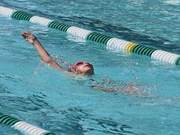
- Swimming for 30-40 minutes
- Jumping rope for 30-40 minutes
- Climbing stairs 2000 steps
- Square dance for 40-50 minutes
- Cycling for 60-75 minutes
It is important to note that these standard exercises can have a certain therapeutic effect, especially for people with abnormal indicators, if they have more than three indicators abnormal, that is, if they have three or more, it indicates that the body has metabolic abnormalities or metabolic diseases, it needs to be treated actively, and exercise is an indispensable treatment measure, and it needs to be carried out according to the exercise requirements.
- Overweight or obese, especially men with waist circumference ≥90 cm and women with waist circumference ≥85 cm
- People with high blood sugar and diabetes, such as fasting blood sugar ≥6.1 mmol/L, and postprandial 2 hours blood sugar >≥7.8 mmol/L
- People with high blood pressure and hypertension: blood pressure ≥130/85 mmHg and not reaching the lowest control standard of hypertension 140/90mmHg below
- Triglycerides in blood lipids ≥1.70 mmol/L
- Low-density lipoprotein ≥3.37mmol/L
- High-density lipoprotein
Now, you can compare these indicators with the exercise standards to check yourself!
If this article has helped you, please like, tip, and follow us to study and exchange more health knowledge