Martial Arts Win Through Body Techniques
In 'The Passing of the Martial Arts,' Li Zhongxuan also mentioned that martial artists in his youth didn't look down on boxing, and those who practiced Western styles didn't dare to compete with traditional martial artists. In that era, martial artists with strong internal power were capable of saying such things. Now it's proven to be true, demonstrating the fundamental difference in training methods and fighting styles compared to boxing—the integration of the whole body is key.
Initially, martial arts training focuses on establishing a solid stance. This stance must be both static and dynamic, stable during interaction. What is this stance? Form Qin is centered around the three-body stance, Shaolin and Pak Tong styles use a horse-step stance as their core four-sided framework. Why do we practice standing meditation? It's to achieve static stability, and then to achieve dynamic stability through the practice of punches. Once a solid stance is established, it's used to attack, not just localized strikes.
'Hand and foot synchronized to form a square' means that the hands, feet, and body movements are synchronized. The Seven Star Fist is an extension of the stance, intimately connected with the body. Ordinary people's movements involve a disconnect between the upper and lower body, but martial arts aim to reintegrate and unify these elements, speaking with one voice.
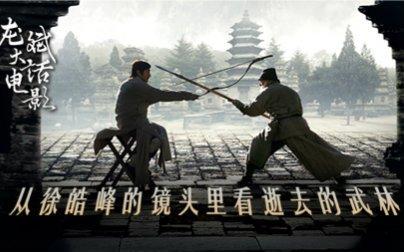
Because, therefore, maintaining balance is extremely important, especially during fast-paced confrontations. Practicing the alignment of the body's center and maintaining balance are crucial for practicing plum blossom stances and Sun Lu Tang's no-limit stance. Maintaining a stable stance allows you to remain undefeated. Martial arts emphasize the importance of ground work—almost all schools require standing meditation. Eight Pole Fist also incorporates a small stance, where a stable stance ensures a stable body stance.
When a solid stance is developed, it necessitates movement. Otherwise, it's useless—it's simply about speed! Because it's a whole-body movement, it demands high levels of function from the legs and feet. A friend told me that his teacher's hand reached the opponent's face, and the opponent hadn't even reacted. This demonstrates the real legwork, requiring diligent practice through the process of easy tendons and bones.
The importance of practicing against the right person—a person who can exert tremendous force from their feet—is a key factor in mastering martial arts. Experienced practitioners can shatter bricks and stones while moving with the lightness of a swallow. Practicing patterns, one of their primary roles, is to practice body movement transitions. When faced with an unseen opponent, they constantly change their body stance and techniques, continuously improving their speed, but maintaining a stable stance. This foundation allows them to remain unfazed during a real fight.
Not attacking or defending is one movement. Martial arts emphasize a single, decisive strike. Although fighting is unpredictable, this principle remains constant. Therefore, traditional Chinese martial arts must be practiced and perfected. Wan Lai Sheng is proficient in iron sand palm and practices using no medicine.
Older generation martial artists remember their predecessors' incredible ability to strike and end a fight with a single move. When the skill difference is significant, a single strike is enough to end the fight. Conversely, when skill levels are similar, practitioners will measure the distance and withdraw after a single exchange. Therefore, relentless attacks are not the style of traditional martial arts.