Fuller Arms: A Comprehensive Training Guide for a More Defined Upper Body
Although our physique is largely determined by genetics, we can still change it through other means. Although the process is arduous, it's better than being powerless to change, and through subsequent training, we can build the body shape we desire. For example, our shoulder width is partly determined by bone structure, which cannot be changed. However, we can still shape the muscles of the shoulder area through shoulder sculpting to alter shoulder width. Because the shoulders are located in the upper part of the entire body, they have the most direct impact on the shape of the upper limb body.

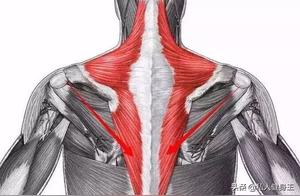
What we often refer to as shoulder training is the stimulation of the deltoid muscle, which is composed of three parts. The medial head of the deltoid is the most influential on shoulder width. To make the shoulders wider, it is necessary to focus on training the medial head. The posterior head of the deltoid is the weakest of the three heads because it uses the least amount. Therefore, to ensure that all muscle groups develop equally, it is important to focus on training the posterior head. The anterior head of the deltoid is frequently exercised and participates in many exercises, and you can choose whether to train it specifically.
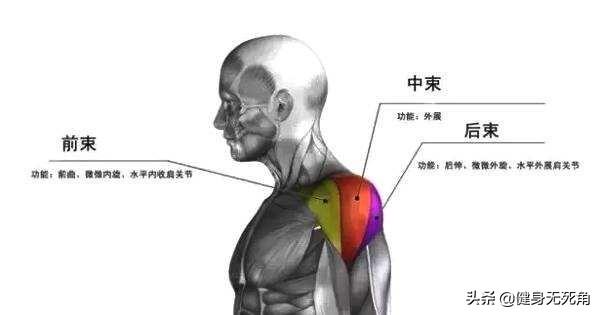
Because the shoulder is overly flexible, it is relatively more susceptible to injury compared to other parts of the body. Therefore, if you have no experience with shoulder training, we will give you some advice. First, don't be greedy for weight, focus on whether the movement is standard. Second, the shoulder joint has a wide range of controllable activities and is relatively fragile, so it is very easy to get injured. Before exercising, you must do a warm-up. Third, due to the flexibility of the shoulder joint, its stability is very poor, so the weight selection should not be too large, and the smaller the weight, the more training methods with a large number of repetitions are suitable for shoulder training.
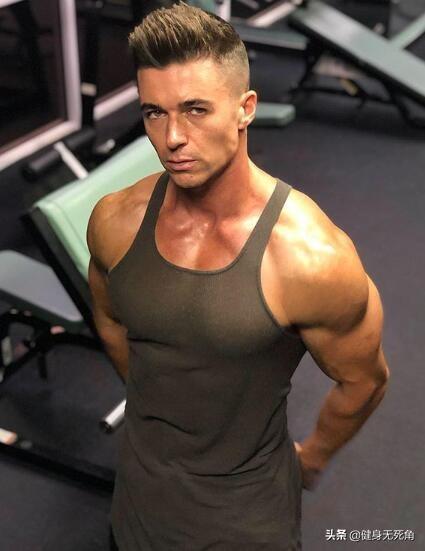
When exercising any part of the body, you should first understand the structure and composition of that part, as well as its characteristics. We have already explained the composition and several points to note about it. Below, we will share a set of shoulder-specific training exercises. Because everyone is different, you can choose suitable exercises based on your situation when practicing. If you don't have the conditions to go to the gym, you can replace the equipment with dumbbells.
Exercise 1: Dumbbell Lateral Raise (Standing)
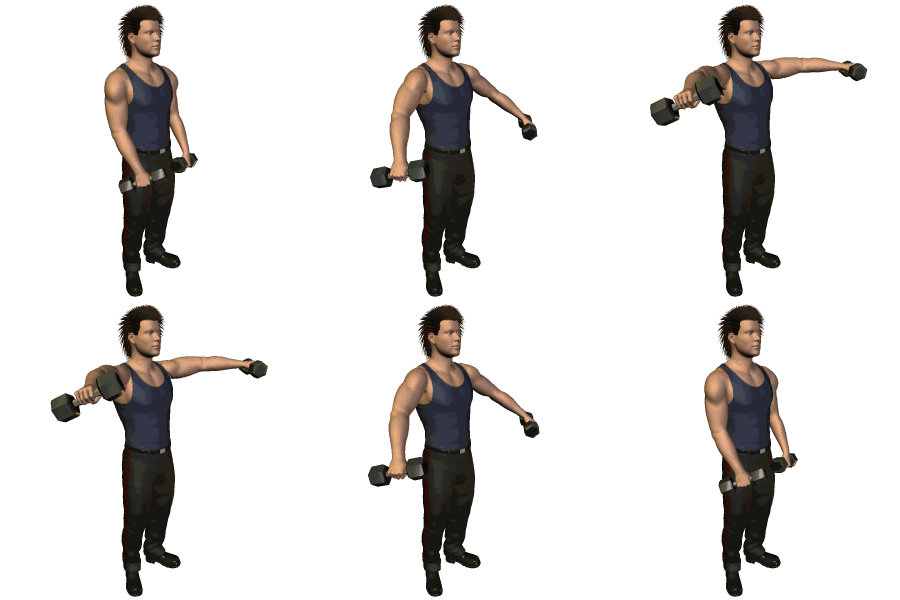
Standing Dumbbell Lateral Raise can effectively exercise the medial head of the deltoid. Maintain a standing position, with your feet slightly apart, raise your chest, tighten your abs, and put your hands naturally to the sides of your body, holding a dumbbell with each hand, with the dumbbell at the level of your thighs, raise your arms to the sides until your arms are at a plane, and then slowly lower the dumbbell back to the thigh position. During the movement, keep your body upright.
Exercise 2: Barbell Lift
With your feet apart with the same distance as your shoulders, raise your chest, tighten your abs, and keep your hands at a distance equal to the distance between your feet, hold the barbell on both sides of your hands, and place the barbell in front of your body with your arms extended. Use force to lift the barbell upwards until it is lifted to the maximum limit, and pause until the barbell reaches the chest position, then slowly lower the barbell back to the position of extended arms.
Exercise 3: Barbell Shoulder Press
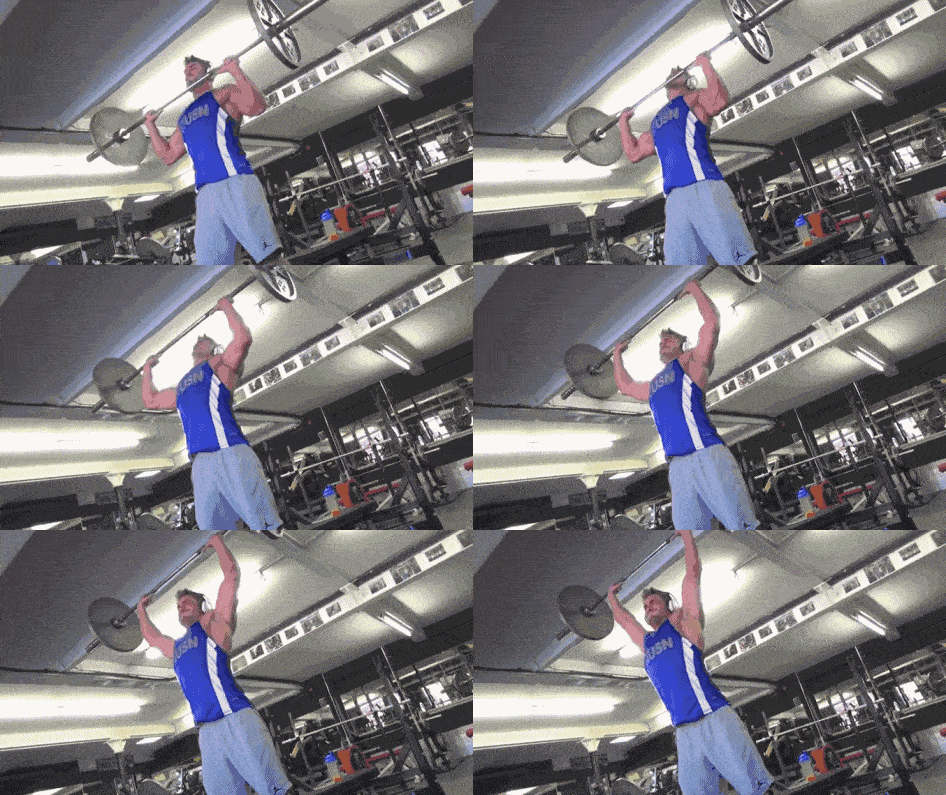
Barbell Shoulder Press can effectively stimulate the anterior head of the deltoid. Maintain a standing position, with your legs spread, extend your legs, and keep your body upright. Hold the barbell on both sides of your hands, with the barbell in front of your chest with your arms bent. Then use force to push the barbell upwards until you lift it over your head, extend your arms, pause, and then slowly control the barbell downwards back to the position in front of your chest.
Regardless of whether you exercise any part of the body, you should consider the characteristics and composition of that part in order to stimulate that part more comprehensively. The shoulder is the most flexible part of the body, so when exercising it, you should be more careful than other parts. Therefore, when selecting the weight, you must not be blind about it and increase it gradually. Do 15-18 reps each time, and 3-4 sets each time, which should be determined according to your adaptive ability. Carry out comprehensive shoulder training to make the shoulders fuller and more stylish when wearing clothes.
I'm glad to share some fitness knowledge and techniques with you. I hope you can pay attention to my account, and I will continue to publish fitness-related content. I hope you like it, share it, and leave comments.