The ‘Qi Sensitivity’ in Tai Chi
Practice traditional Tai Chi, requiring mental focus and relaxation, with strict movements.
First, let's talk about the arms. When your arms are making movements, check if your shoulders are relaxed, if your elbows are dropping, whenever you move, you should check. The entire arm should also have an outward supporting strength. Once you reach a certain level, you will become one with the spine, and the movement of your shoulders and elbows should be controlled by the spine. Over time, you can train an arm's sinking strength.
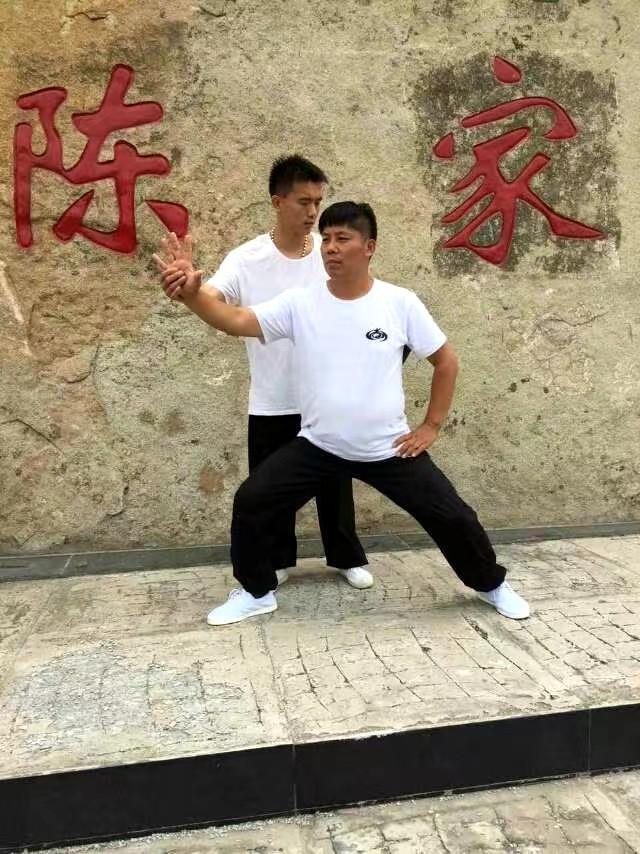
Next, let's talk about the waist and hips. Check if they are relaxed whenever you move, and coordinate with your shoulders, elbows, hands, and feet. Once you reach a certain level, the movement of the spine should be controlled by the waist and hips. Over time, you can develop a waist and hip strength.
Then, let's talk about the knees and feet. Check if they are relaxed whenever you move, and also control the movement of your shoulders, elbows, waist, and hips. Over time, you can develop power originating from the heels.
For example, when doing the front bow step's 'wave', after stepping forward with the front leg, are your shoulders relaxed? Are your elbows dropping with a downward intention? Are your waist and hips relaxing forward? Are your knees and feet stepping steadily, and are your knees properly positioned, stopping the movement of the waist and hips? That is, if your knees and feet don't move, absolutely no part of the other places should move by a hair.
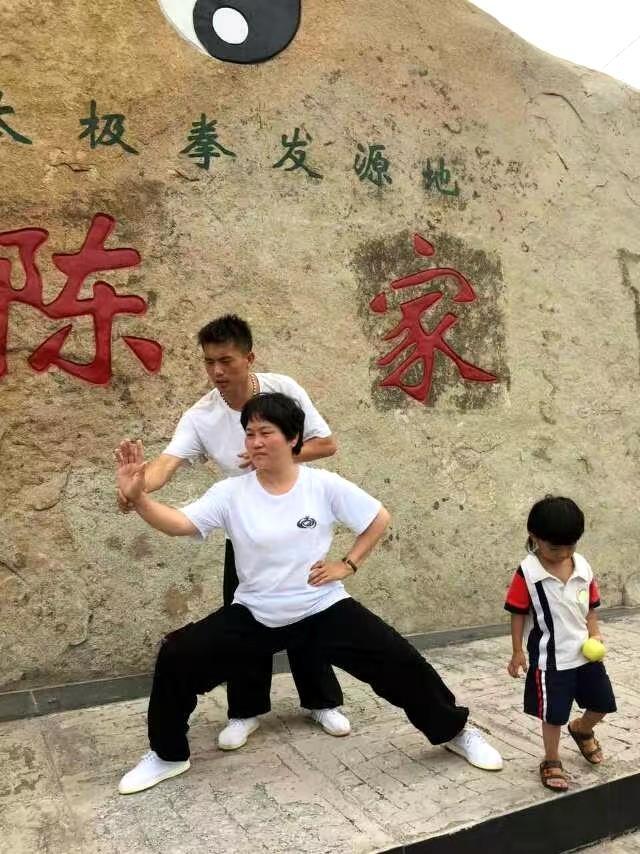
Unlike other styles of martial arts, Tai Chi requires controlling the bottom with the top, which is the key to training a whole force and achieving wholeness.
The purpose of power originating from the heels is to make your feet have a supporting thrust, and the other parts of your body must follow at the same time, so that you can use a whole force. For example, when lifting a heavy object from the ground, if you only bend your waist to lift the object, it's difficult to lift the object because it's local force. If you squat down and use your arms, waist, hips, and legs together to lift the object, it's much easier, which is whole force. This relates to Tai Chi: when you can relax your heels, you're using a trained whole force.
In short, when going forward, relax forward; when going backward, to the left, to the right, do the same.
When first learning Tai Chi, you generally use your hands to lead the body, and when you reach a certain level, you should use your body to lead your arms.
As for the feeling of Qi, it's because the degree of relaxation is not enough to allow the blood vessels to fully expand, so there's no Qi sensation.
Tai Chi is a form of relaxation through movement. Because people are used to using force with their qi, the tension of the muscles squeezes the blood vessels, making it impossible for the blood vessels to expand horizontally, and it also doesn't open up the capillaries. What you need to do now is, first make sure the movements are correct, and then make sure that when you move, there is no movement without stillness, and then add more intention to relax. That is, relaxation is endless. With different levels of training, you must continuously increase your intention to relax.