Five Major Benefits of Practicing Tai Chi for the Human Body
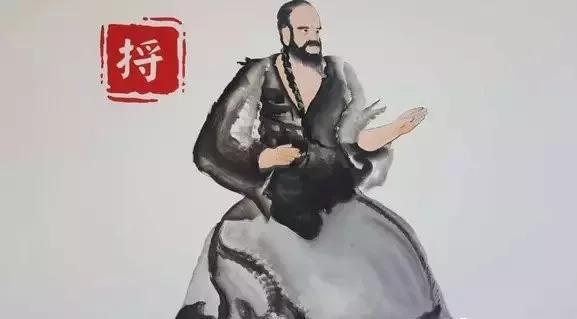
Tai Chi
Practicing Tai Chi emphasizes both softness and strength, slow and steady, like clouds flowing and water flowing. Practicing Tai Chi is not only beneficial for physical fitness but also for health.
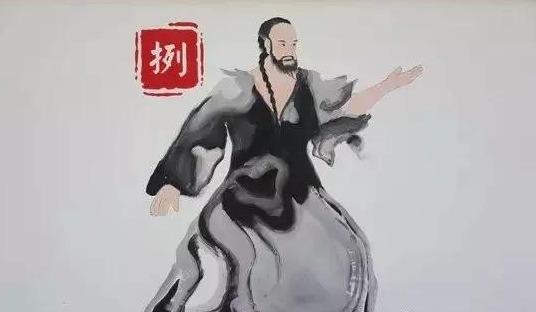
Learning Tai Chi has 5 major benefits.
1Regarding breathing: ‘Open’ mindset.
Regular Tai Chi practitioners have good lung elasticity and increased chest movement. They also enhance lung ventilation. Tai Chi primarily uses abdominal breathing, with deep, uniform breaths. The abdominal muscles and diaphragm frequently move during repeated movements, increasing breathing function. This also changes blood flow internally through abdominal pressure, benefiting lung exchange, which helps maintain older adults’ activity ability.
2Regarding bones and muscles: Correct spinal column.

Practicing Tai Chi effectively exercises the spine. Almost every Tai Chi movement utilizes the waist. Over time, it has a positive effect on the spine’s shape and structure. ‘Few Tai Chi practitioners develop spinal deformities, and hunchbacks are rare.’
3Regarding the digestive system: Effectively prevent constipation and promote smooth bowel movements.
Because the central nervous system controls all body systems, regular Tai Chi practice can achieve ‘hitting the cow over the mountain’ effect. By improving the activity of the central nervous system, it improves the function of the digestive system, avoids digestive system diseases caused by nervous system disorders, such as disturbances in movement, secretion, and absorption.
4Regarding cardiovascular system: Help eliminate blood stasis in vessels.
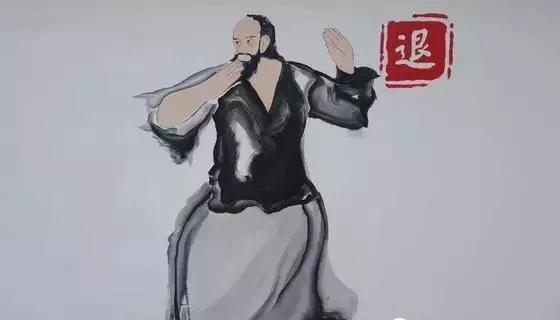
Tai Chi movements include the activity of various muscles and joints, combined with rhythmic breathing movements, especially diaphragmatic movements. These movements together strengthen blood and lymph circulation, reduce blood stasis, and are a good remedy for eliminating blood stasis. At the same time, accelerating blood circulation improves blood circulation conditions.
5Regarding the center: Optimize the ‘software system’ of the brain.
Practicing Tai Chi requires ‘calm heart’ and ‘focused intention,’ with attention concentrated. It exercises the brain’s activity. From the perspective of movement, Tai Chi movements must be ‘complete and unified,’ from eyes to upper limbs, torso, and lower limbs, moving up and down, left and right, without disorder.
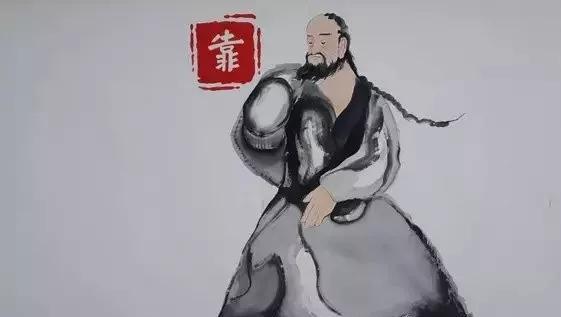
Because the movements are sometimes complex, it requires good control and balance ability, which unconsciously optimizes our brain’s ‘software system’ and strengthens the system’s working ability.
How to practice Tai Chi well?
First, choose a good teacher. For every person who wants to learn Tai Chi, choosing a master is more important than anything.
Since the master knows what Tai Chi is and how to teach Tai Chi, and many people just follow someone randomly when starting to learn Tai Chi, which wastes time and doesn’t learn techniques, and creates incorrect movements.
Second, persevere in training. Why? Because Tai Chi is an internal martial art, practicing both movement and stillness, seeking both internal and external, seeking both body and spirit, based on the principle of using the heart to attract qi, and with the purpose of internal and external cultivation.
Tai Chi is one of the most difficult martial arts to learn, and it takes a lot of effort to learn well. The idea of ‘exposure to the cold for ten days, practicing for only a few months in winter’ is a way to not learn Tai Chi well.