How to Do Shoulderstand Without Pressing on the Cervical Spine? These Techniques and Methods Will Help You Practice Safely
Shoulderstand is often referred to as 'the mother of postures.' It is one of the most popular poses and is widely used in all types of yoga due to its many benefits.
Practicing Shoulderstand can calm the nervous system, reduce varicose veins, stimulate the throat chakra (which helps maintain clear communication), reduce wrinkles, and aid in sleep.However, it's crucially important to note that if done incorrectly, it can cause harm, and most practitioners (and teachers) don't know how to do it properly.
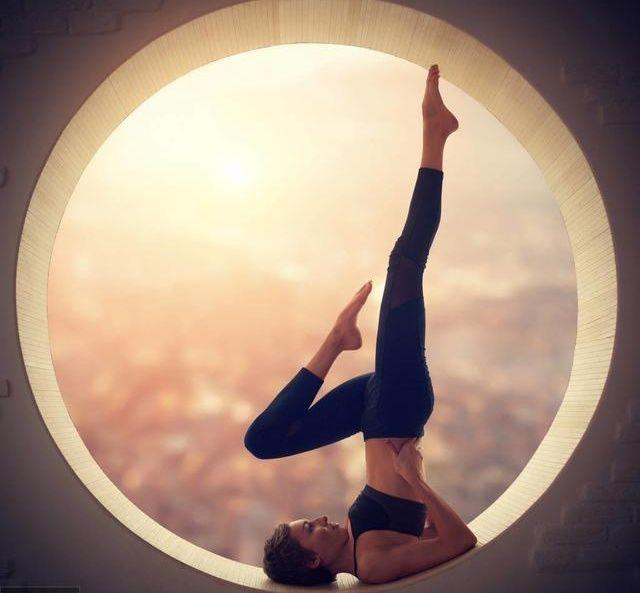
Although BKS Iyengar didn't use props in 'The Light Within,' his teaching style is now widely known in Iyengar Yoga for its consistent use of props.
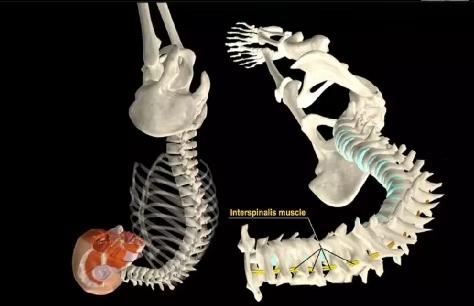
In Iyengar's early days, his students began experiencing neck issues such as arthritis and spinal disc degeneration after practicing Shoulderstand on a flat mat. This prompted him to use blankets to support the neck, maintaining the natural curve of the spine.
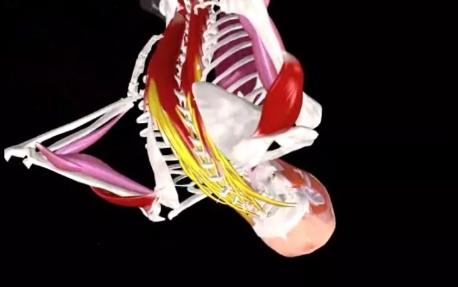
The cervical spine (neck) has a forward curve, meaning the natural curve of the neck is inward. When you practice Shoulderstand without supporting your neck, you are essentially flattening this area and applying excessive flexion (bending) to the cervical spine. Stretching these muscles to such an extreme is very dangerous, aside from placing the full body's weight on this area of the spine. There's also a large artery called the carotid artery located in the front of the neck, flowing from the heart to the brain. Cutting off oxygen flow after it's severed can lead to stroke, vision loss, or spinal disc degeneration.
That's why it's important to place your head and shoulders on the floor while lifting your arms and shoulders. It's primarily to prevent the neck from bending beyond 75 degrees (the maximum angle that most cervical spines can bend forward), and to shift the body's weight away from the vulnerable cervical spine.
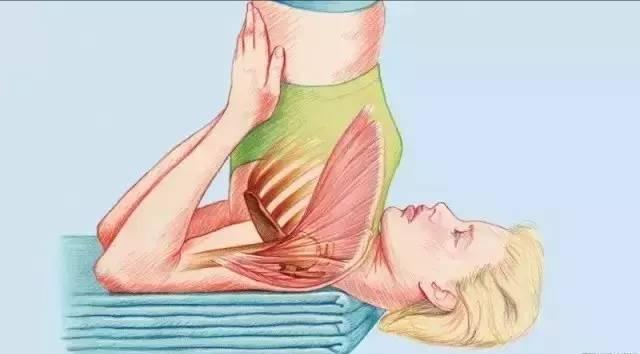
It also allows you to place the appropriate weight on your shoulders and shift the weight completely off your neck.
To set up a supported Shoulderstand, you'll need:
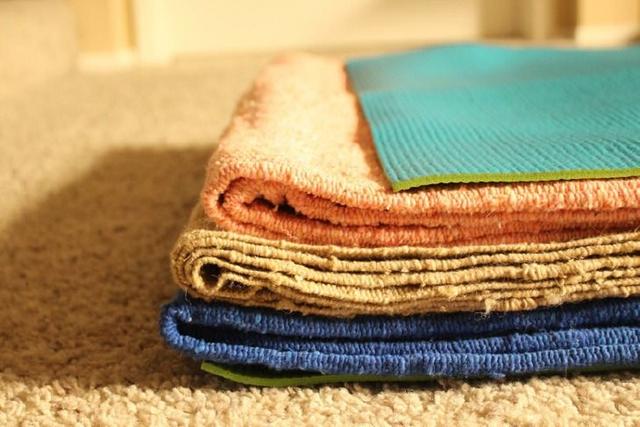
3 yoga blankets and 1 yoga mat, fold the blankets into long rectangles (approximately 30cm x 60cm), and stack them evenly, facing in the same direction (as shown in the figure), place the blankets on the mat, fold the mat's bottom edge onto the blankets (where the folds are), and leave about 60cm of blanket bare at the neck to prevent sticking to the mat
Folding the mat onto the blankets instead of placing it on them prevents the elbows and upper arms from slipping.
- How to enter a supported Shoulderstand:
- Lie on the stacked blankets, place your shoulders on the edges of the folded blankets
- The back of your head should be on the floor
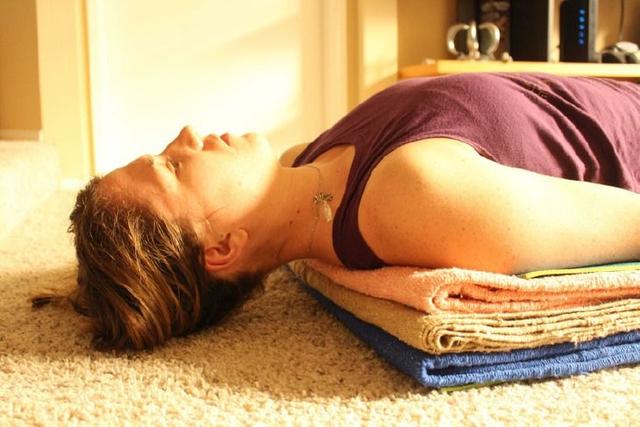
- Extend your arms alongside your torso
- Once stabilized, begin raising one leg, then the other
- Start by bringing your elbows closer together, with your hands facing upwards towards the spine
- Slowly lift both legs up over the head, lowering them to the ground above the top of the head
- The neck should be weightless, with all the weight on your shoulders and supported by the blankets, the neck should have a natural curve
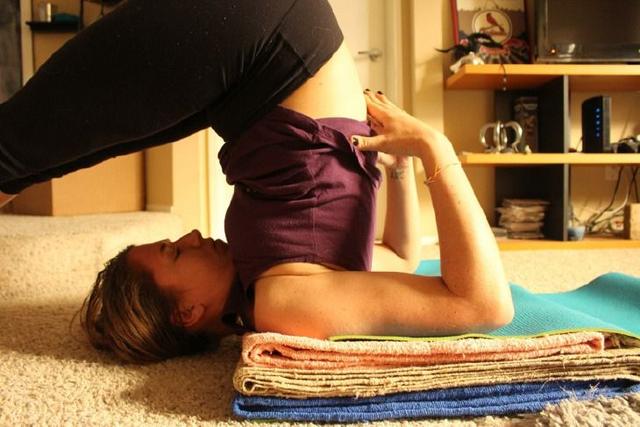
Shoulderstand with support offers many benefits. When in Shoulderstand, your blood accumulates around your lungs, increasing oxygenated blood, thus reducing the 'aging' process. This posture has a healing effect and helps with digestion, weight loss, and can even help patients with PTSD (post-traumatic stress disorder).
Although it's easy to get injured, I strongly recommend practicing this posture frequently. Of course, this is provided you practice correctly, without causing harm, and providing the necessary support for your neck is the best approach. Providing support in this posture increases its benefits while reducing the risk factors.
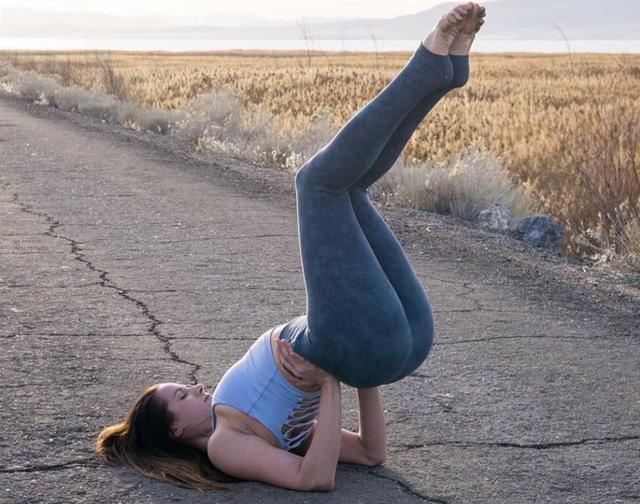
As with any yoga pose, practice safely and correctly, and make necessary modifications to ensure a safe yoga practice.
#'Flashlight Moment' Theme Contest Submission - Second Phase#