Squats Aren't Your Only Must-Do Leg Exercises – Try This to Avoid Injury
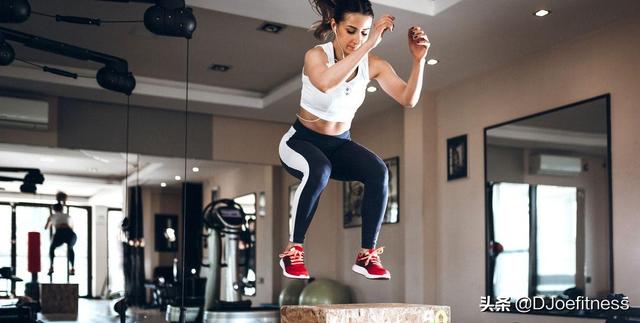
Want to build your glutes and legs, when you come to the gym, you'll find various equipment 'all over the place' – hip extension machines, leg press machines, Smith machine leg extensions, and other equipment. A day of leg training can easily turn into spending two hours just sweating.
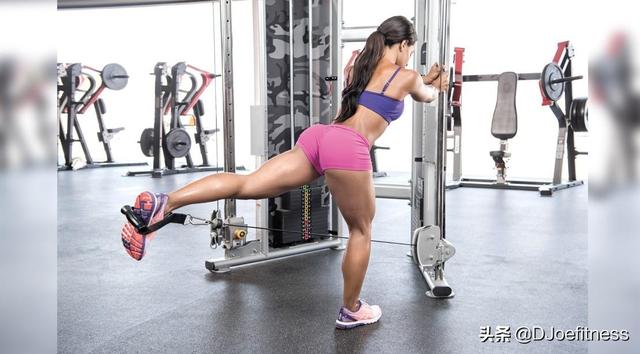
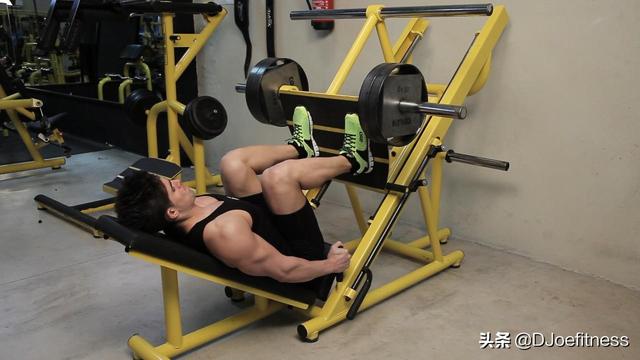
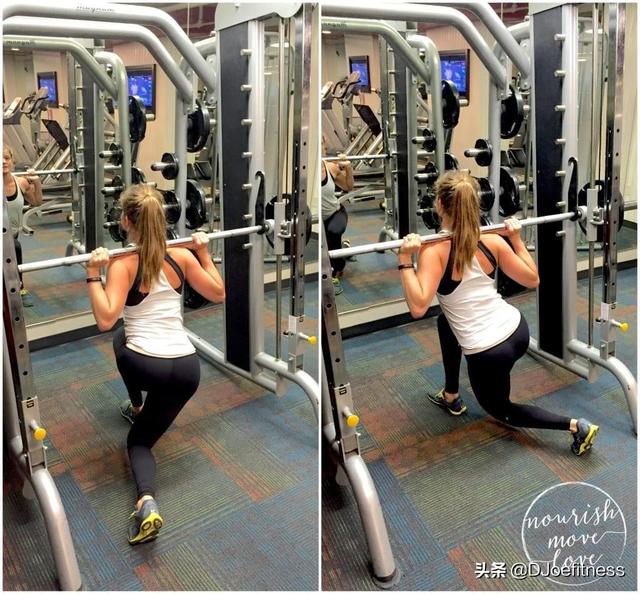
But for most ordinary people, leg muscle training doesn't need to be that complex.
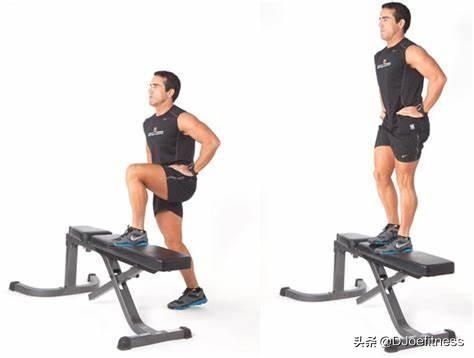
Self-weighted step-ups
This exercise strengthens the outer glute muscles and the inner side of the knees, these are two key muscles that are part of your lower body core. Any muscle that passes through the hip joint is a core muscle, and these two parts of the muscle are important for the balance and prevention of knee injuries of your lower body core.
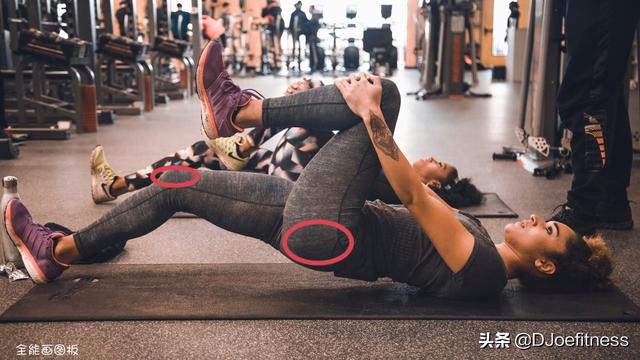
The last point is especially important, because women are more prone to knee ligament tears than men.
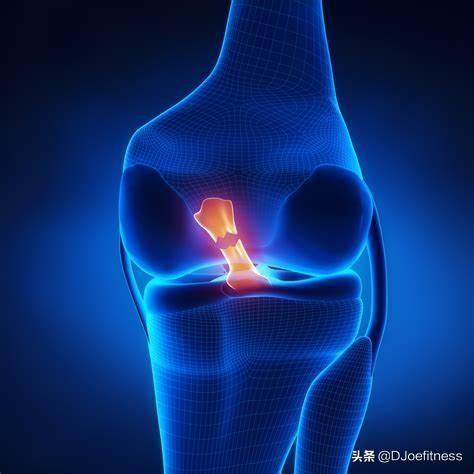
In fact, according to a study in the ‘Journal of Bone and Joint Surgery’, the incidence of anterior cruciate ligament tears in female soccer players is 2.8 times that of male athletes engaged in the same sport, and the incidence of this condition in female basketball players is as high as 3.5 times. (If your knee is injured, try these pain-free training methods.)
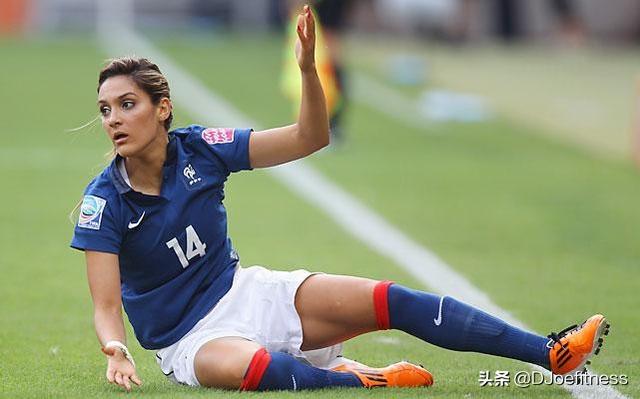

Although squats are considered the most important leg and glute training, squats practiced in reality may not be the best training method. Research shows that step-ups compared with other self-weighted leg training, such as squats, lunges and similar variations, have the best effect on knee protection.
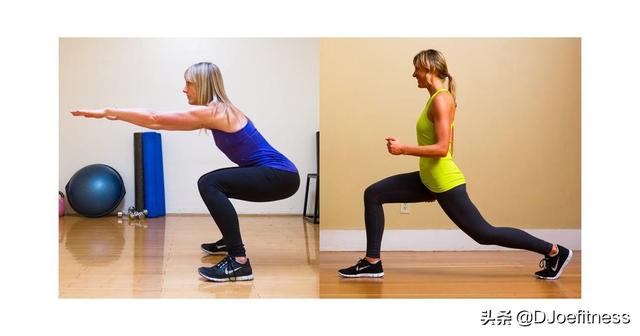
What step-up training should you do? As the name suggests, you will step onto a sturdy chair about 50cm high. One leg raises the other leg to the height of your hips. The movement should be slow, to increase the muscle tension time, especially during the upward movement. The slower you take to step up, and then step down, the more power you’ll generate and the more you’ll stimulate your muscles. Remember to also keep your core stable, as if you were preparing for a punch in your stomach. 20 reps with each leg, to build muscle and help prevent potential injuries.
How to do the self-weighted step-up exercise
You need: a sturdy chair (or a weight bench, a step, or a jump box)
Single-leg exercise
If you put this simple step on the chair, you’ll miss the point. This is a unilateral exercise, focusing on the front leg. What you do is to rely almost only on the front leg, bending the leg on the chair, to drive and generate power.
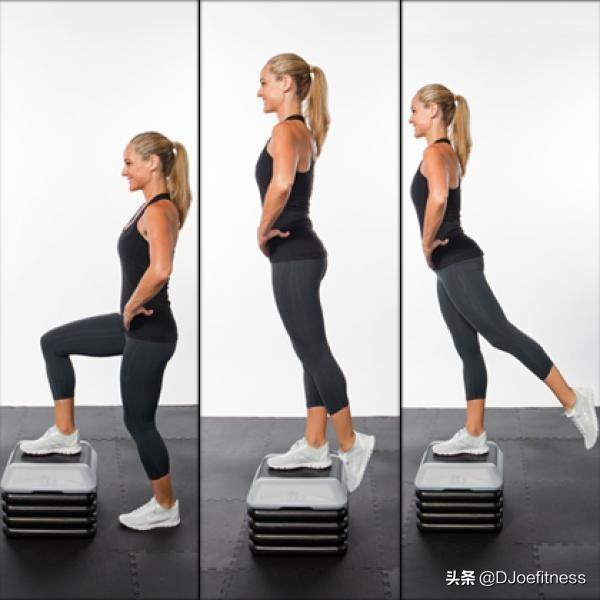
To properly complete the exercise, you need to relax the back leg as much as possible. To do this, you shouldn’t kick your back leg out, nor should you bend your foot. Try to initially raise the back foot’s toes off the ground and maintain this feeling. This will keep your attention focused on the front leg (power generation).
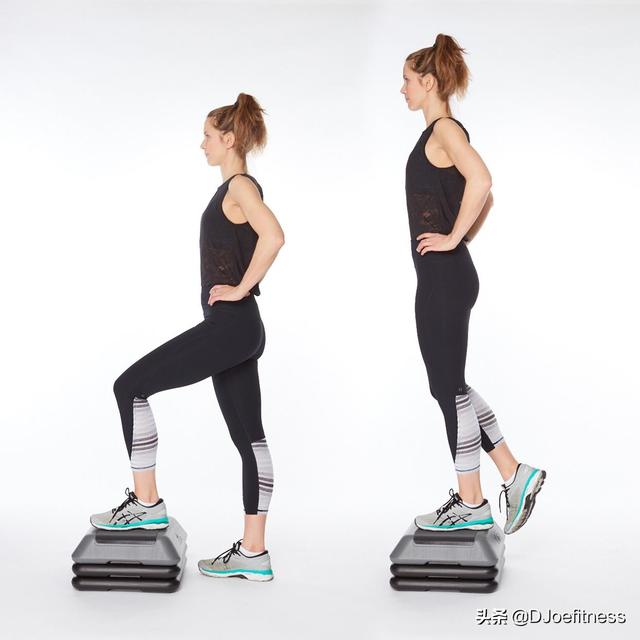
Pause and contract
You shouldn’t round your back to complete the exercise, or think that completing the exercise is just a matter of your feet. Stand straight and tighten your glutes.
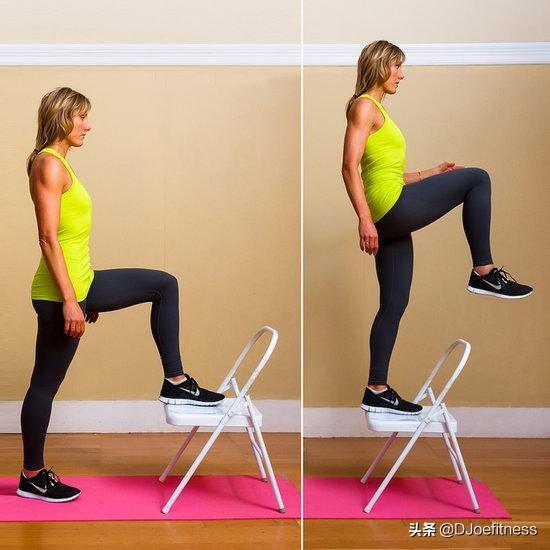
After completing the single leg, don’t put your back leg on the chair. Instead, you should stand straight and then tighten your gluteus maximus so that your hips are stretched, just as you do when completing a deadlift (you can also immediately raise the knee of the back leg).
Go slowly
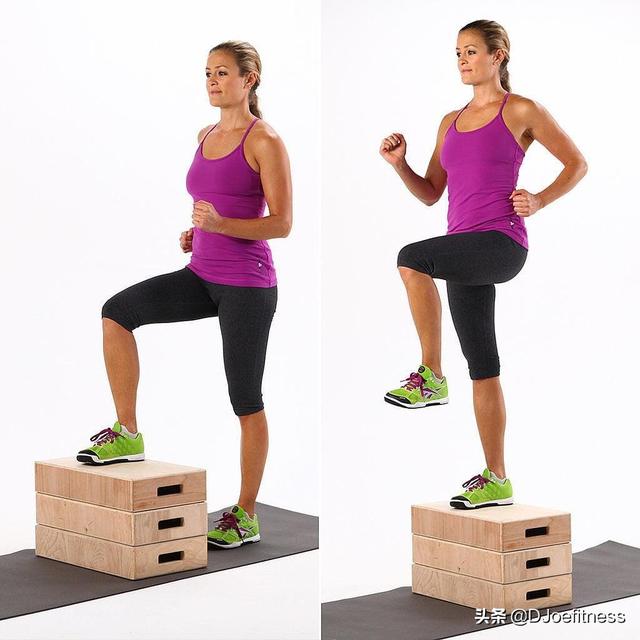
When you come down from the chair, use this opportunity to do a slow, controlled lowering. Otherwise, this exercise will easily turn into a frantic aerobic exercise, and you'll miss the advantage of single-leg training for muscle stimulation.
So slowly lower your legs. You’ll find that your torso will lean forward a little, which is okay. But you can take your time, fully experience the muscle contraction.
Repeat 20 reps with one leg, then switch legs.
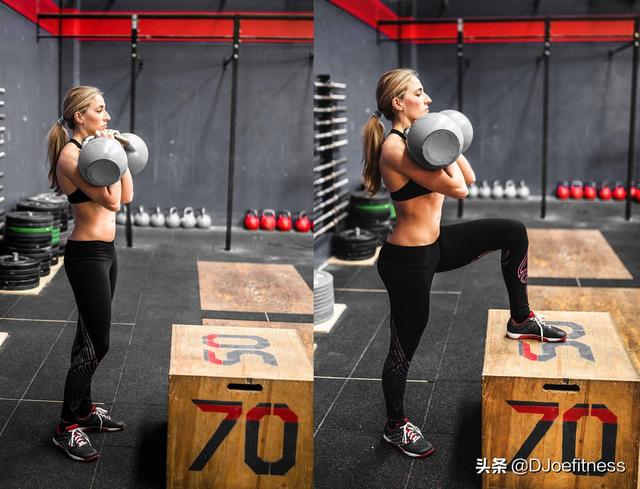
If your injuries have recovered, and your strength has increased, you can increase the difficulty by using dumbbells and kettlebells.

Thank you for reading, please follow our channel!