Key Points to Master Tree Pose: Easy, Accurate, Practical
Tree pose is one of the postures in Hatha Yoga, and it is a common yoga posture. This yoga pose nourishes and strengthens the muscles of the legs, back, and chest. It strengthens the ankles, improves the stability and balance of the body. It also enhances the ability to concentrate. It relaxes the hips and is beneficial to the chest cavity.
Goal: Legs, Core, Balance
Level: Beginner
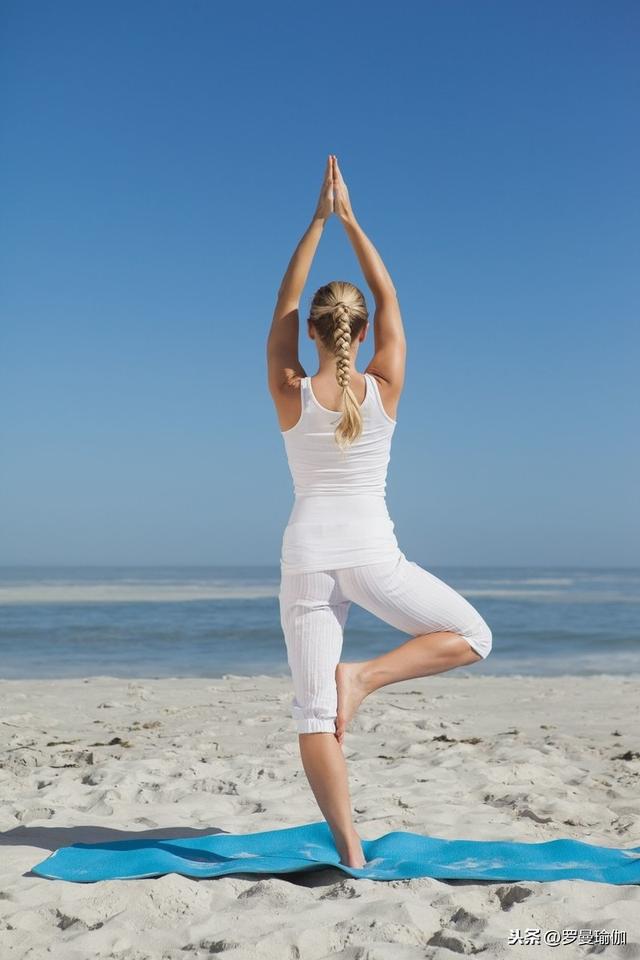
Tree pose (Vrksansana) is usually taught to beginners as the first standing balancing pose, because it is the simplest pose. It is to learn to maintain balance when standing. This is more difficult than it looks at first, and it will be different every day. If you sway or fall over at the beginning, don’t be discouraged, just keep practicing!
Benefits
Tree pose can strengthen your legs and core while opening your hips and stretching the inner thighs and groin muscles.
The biggest benefit of Tree Yoga is that it can help you build better balance, which can help with many other sports activities. Professional athletes often call it ‘yoga advantage’, and as you age, it becomes more and more of a problem. Good balance and a strong mindset will help you stay active and healthy.
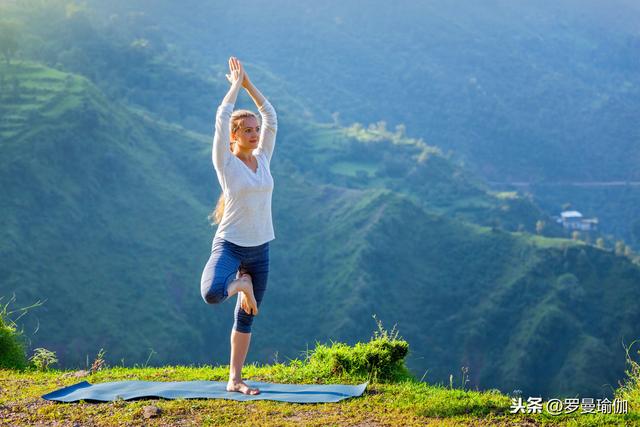
Practice Steps
- Take some time to feel your feet firmly planted on the floor, distribute your body’s weight evenly on the four corners of each foot.
- Start by shifting your weight to your right foot, raising your left foot off the floor. Keep your right leg straight, but do not lock your knees.
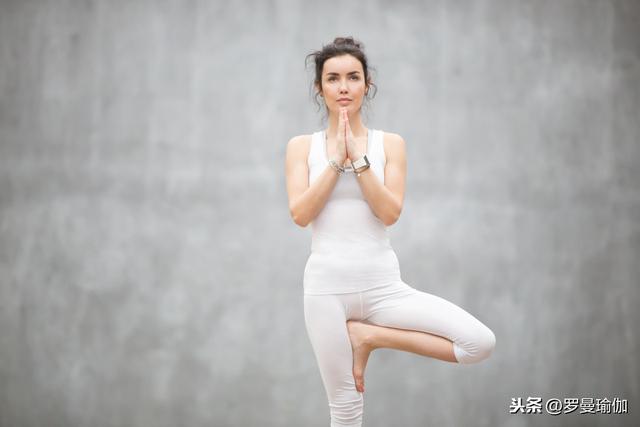
- Bend your left knee, raise your left foot to the inner side of your right thigh.
- Apply the same pressure to press your foot into the thigh, then press your thigh into the foot. This will help you keep both hips facing forward so that your right hip does not extend out.
- Focusing your gaze forward can help maintain balance.
- Breathe for 5 to 10 breaths, then lower your left foot back to the floor and repeat on the other side.
Common Mistakes
Remember these things to make the most of ‘Tree Pose’ and to avoid damaging your joints.
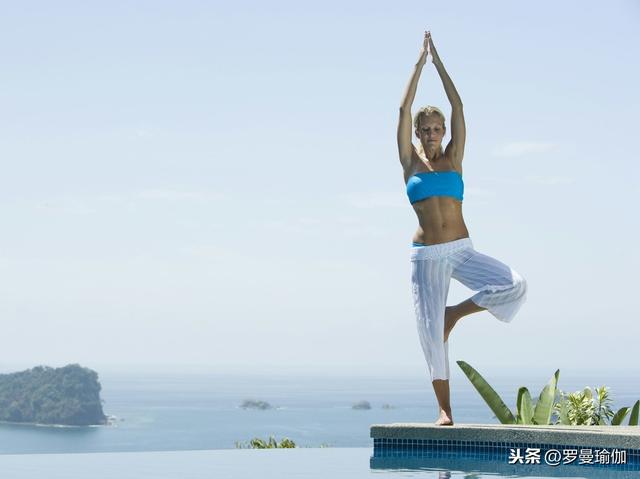
Hip Position: The most important thing in T-Tree Pose is to ensure that the pressure of the raised foot on the standing leg does not cause that side of the hip to extend out. The hips should remain as square as possible.
Foot Position: Be careful to avoid placing your left foot directly on the side of your right knee, as this will put your joints in a vulnerable position.
Knee Position: Make sure your left knee does not crawl forward towards the center line. Let it point to the left side.
Safety & Precautions
If you have balance problems, use this pose with caution and support yourself near a wall if needed. If you have knee or hip injuries, this pose is not recommended.