Start with ‘Breath’ in Yoga: Mastering Breathing Techniques to Double the Yoga Practice Effect
Before you start your yoga practice, you may not notice your breath. But as you become more attuned to your body under the guidance of a yoga teacher or simply through newfound awareness, you will see your breath changing. Is it still or agitated, heavy or light? Where does it originate, and how does it move within your body? Does it relax you or tense you? Is it helpful or hindering your bodyweight poses?
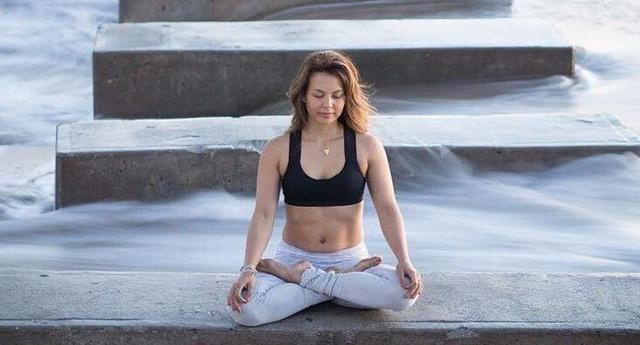
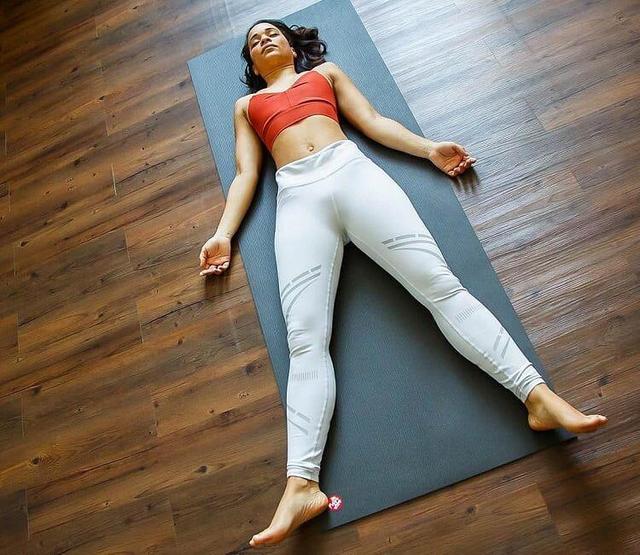
Through yoga, we know that breath has a profound impact on the body and mind. For example, when you are in a state of tension or alertness, you may hold your breath before engaging in rapid, shallow breathing. Relaxation breathing is slower, deeper, more gentle, and stable and rhythmic. The gentle, deep, relaxing breathing style used in poses such as the corpse pose and restorative yoga poses.
However, to provide muscles with oxygen during a series of movements (such as downward facing dog), we also need faster deep breathing patterns. And the most subtle of breaths is finely controlled deep breathing. To achieve optimal effect, all patterns require opening of the breathing space (ribs and abdomen), and need coordinated work of several muscle groups.
Get to know your breath
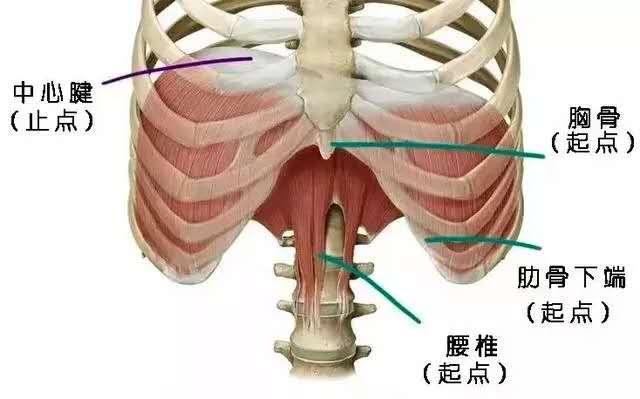
The diaphragm is located between the ribs and muscles, and is key in establishing breathing patterns. The diaphragm acts like a drumhead, stretching downwards from the heart and lungs, separating the upper cavity from the abdominal cavity and the lower digestive organs. Then the muscle fibers extend inwards towards the center of the body, and converge on a central tendon that does not attach to the bones.
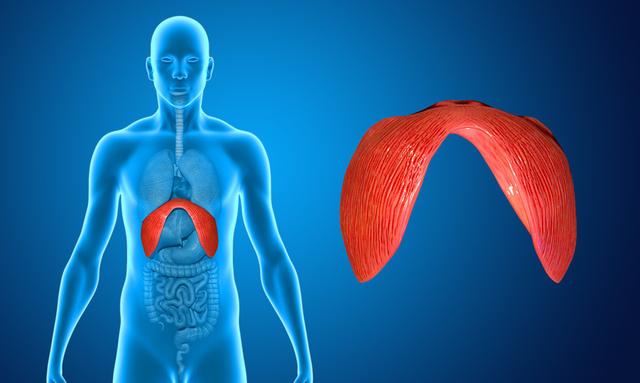
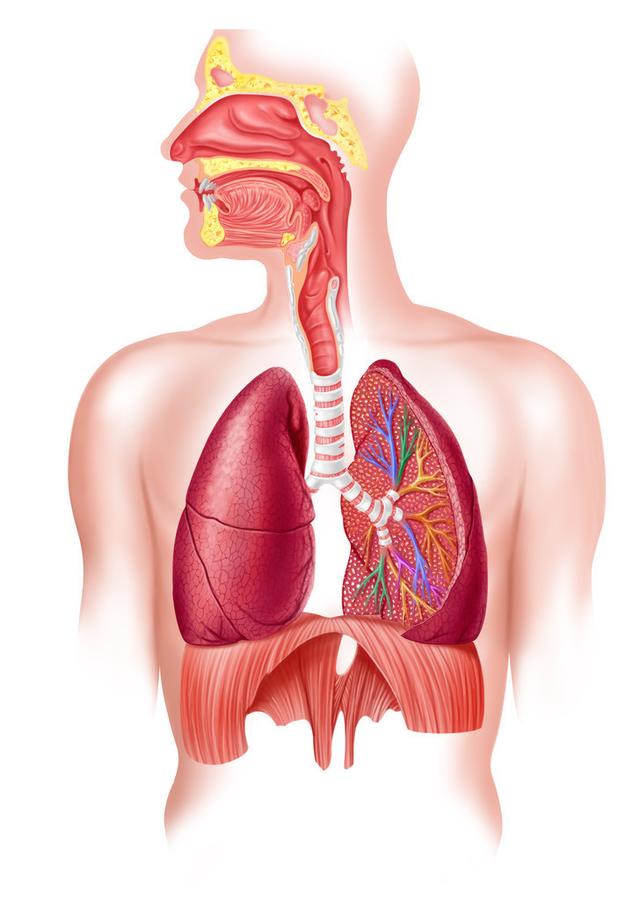
When relaxed, the diaphragm curves upwards like a dome. When it contracts, it shortens and flattens, pushing the underlying digestive organs, and lengthening the upper chest cavity. This expansion of the chest cavity draws air into the lungs. The lungs have no ability to expand or contract on their own. They are simply containers, responding to the size and shape of the chest cavity. When it expands, the lungs expand, and air enters to fill the void. When it contracts, the lungs are compressed, and the air is expelled.
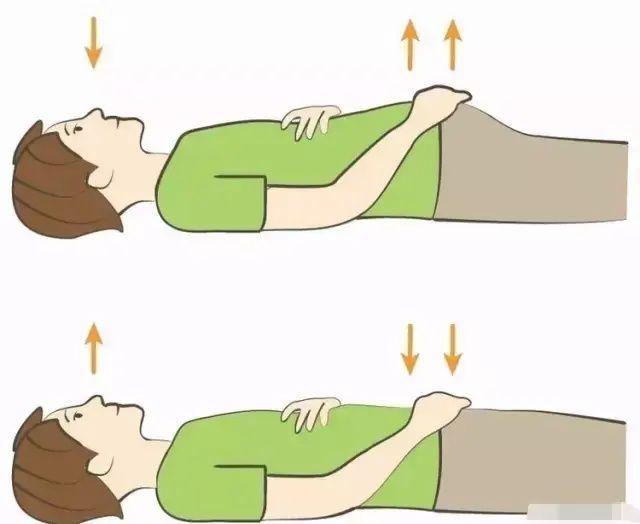
To feel the action of the diaphragm, lie down. Relax your abdomen, and place your hands on your abdomen, and feel the movement of your breath. Relaxing the diaphragm, gently inhale. When the diaphragm relaxes, it returns to its dome shape, and exhale gently causes the abdomen to drop softly.
To fully breathe, the diaphragm and some accessory muscles must work together to allow the ribs to expand in multiple directions. Accessory muscles include the sternocleidomastoid muscle, which forms a V shape in the front of the neck, extending from the top of the sternum and clavicles to the bottom of the skull behind the ears. It's easy to see them in action.

Standing or sitting to open the chest can be challenging, so it’s best to lie down lengthwise on a pad. Your hips should be on the floor, with the pelvic bottom ending to support your lowest ribs, just above your waist. The pad provides support for the diaphragm, without contraction.
Under your head, place a folded blanket or firm pillow, so that your chin is a little lower than your forehead. This head position will help to direct focus inwards, so that your attention can be centered on your breath. As you relax and settle on the pillow, your breath will become increasingly slow and smooth. With each breath, your abdomen should rise and fall gently. This relaxed, slow, smooth breathing quality indicates that the nervous system is relaxing. You can use it to promote the release of muscle tension in stretching poses (such as forward folds and backbends).
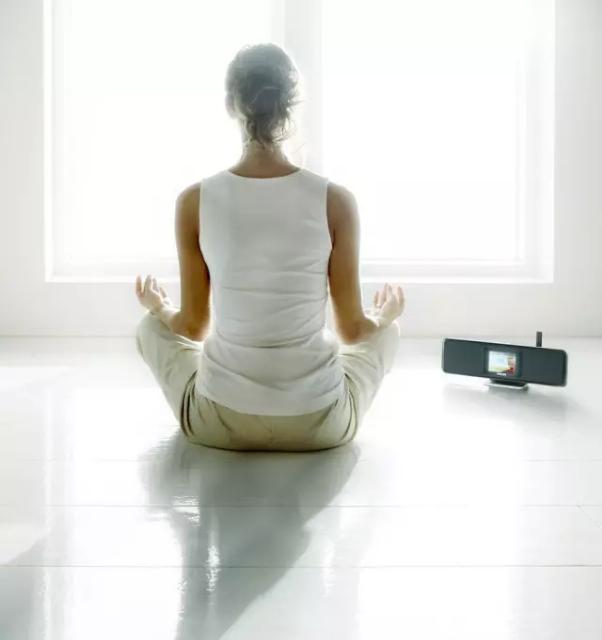
As the diaphragm and intercostal muscles work together, with each inhale, you may be able to feel the ribs gently rising and expanding outwards. The expansion of the chest is the main action required for breathing. The abdomen should remain relaxed, and most of the volume increase occurs in the ribs. Most of us need months or years of practice to make this breathing pattern smooth and almost effortless. Now, pay attention to the exhale. During physical activity, the breathing rate increases. You must quickly expel air from the lungs, to create space for more entering. The abdomen and some intercostal muscles contract to compress the chest and expel the air.
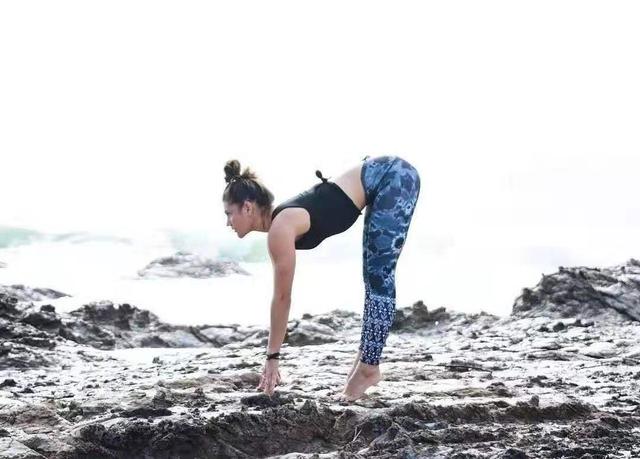
However, in relaxed, restorative breathing, there is no need to squeeze. As with other breaths, we use muscle energy to expand the lungs, with all the muscles that help the breathing in the abdomen, can completely relax during the relaxed exhale.
As you become more relaxed, the breath becomes quieter, and look at how much effort you expend with each inhale, until you can make the exhale effortless, to provide a completely relaxed opportunity. When breathing becomes relaxed and smooth, you can begin corpse pose, restorative breathing or meditation.