Long-Term Driving Health Risks: 5 Tips for ‘Old Drivers’ to Know
As society develops, cars have become an indispensable means of transportation for people, and I am one of them. It is undeniable that driving provides great convenience for my work and life, allowing me to go anywhere and anytime, saving time and effort. However, long-term driving also brings about some health issues. Have you ever experienced fatigue and discomfort after long drives?

Through this article, you can obtain:
I. 5 Health Risks of Long-Term Driving
II. 5 Solutions to the Health Risks of Long-Term Driving
Risk 1: Cervical Spondylosis
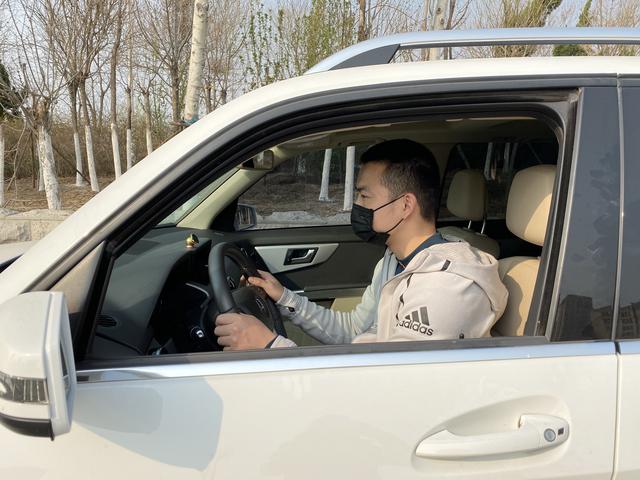
Forward Head Posture
Many people tend to adopt a forward head posture while driving. Our cervical spine is naturally curved forward, and from the side, the ear tips and shoulder peaks should be on the same line. If viewed from the side, the ear tips are ahead of the shoulder peaks, which is considered a forward head posture. Long-term forward head posture can straighten the cervical spine, leading to problems such as cervical disc herniation, spinal canal narrowing, nerve compression, and upper limb numbness.
Solutions:
Strategy 1:
Choose a car headrest with an appropriate thickness to ensure the correct cervical curvature. First, place a towel folded to a certain thickness on the back of your neck to guarantee the correct cervical curvature. Generally, adjust until it feels comfortable, and then purchase a car headrest of suitable thickness.
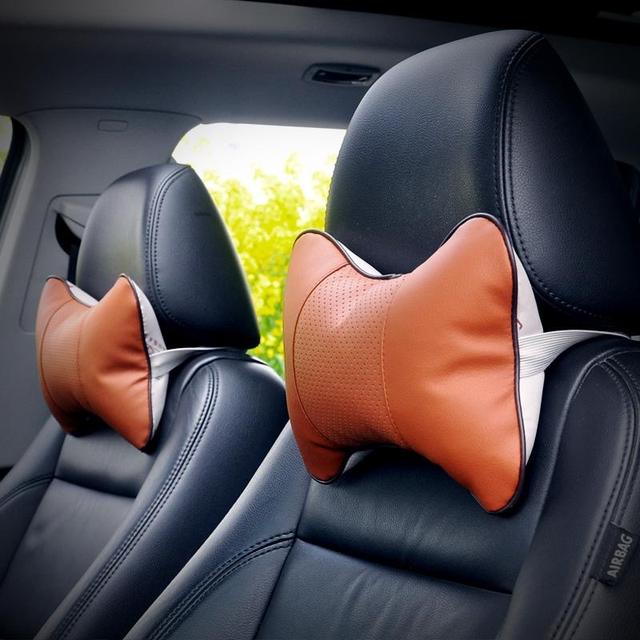
Car Headrest
Strategy 2: Exercise
Recommended exercise 1: Upper Trapezius Muscle Relaxation
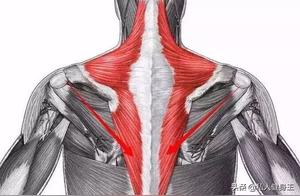
The presence of forward head posture is often accompanied by upper crossed syndrome, which causes the upper trapezius muscles to become tense, requiring relaxation.
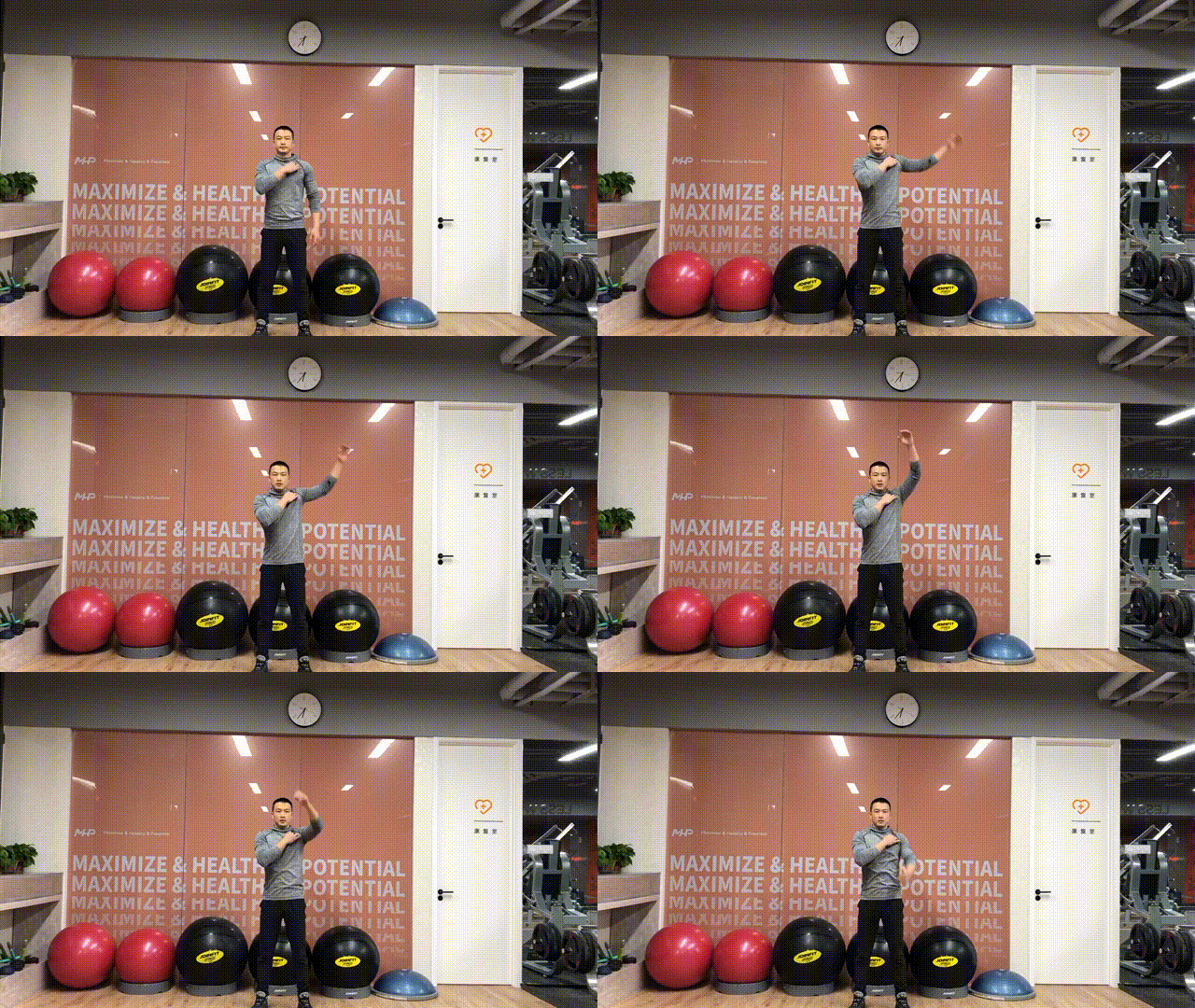
Upper Trapezius Muscle Relaxation
- Place two fingers at the shoulder peaks (the highest point of the shoulders).
- Relax the side arm along the largest circular motion.
- 10 repetitions, 2-3 sets.
Recommended exercise 2: Wall Stand
When there is a forward head posture, the upper and neck muscles are relatively weak, which can be strengthened through isometric contraction.

Wall Stand
- Stand against the wall, with your feet, hips, and upper back, and back of the head in contact with the wall.
- Keep your hands in a thumbs up position against the wall.
- 10-30 seconds, 2-3 sets.
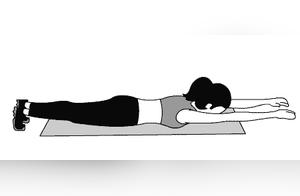
Recommended exercise 3: Wood Stick Superman
This exercise can further strengthen the upper and neck muscles.
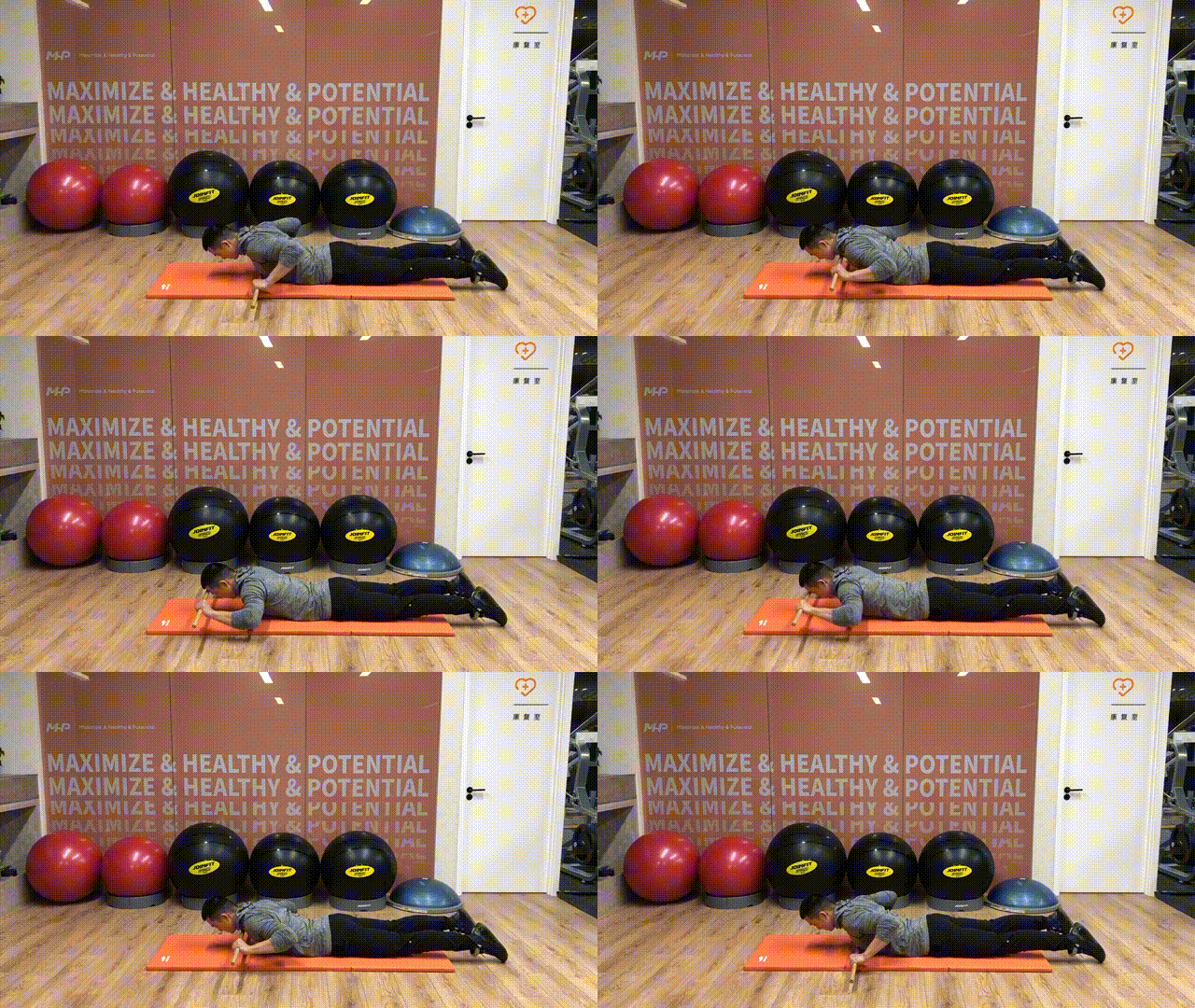
Wood Stick Superman
- Lie on your stomach, with your hips contracted and your feet pressing against the ground.
- Pull the wooden stick towards your chest, pushing it to your throat, to your forehead, to the top of your head.
- Hold each point for 3-10 seconds, 2-3 sets.
Risk 2: Shoulder Shoulder Stiffness
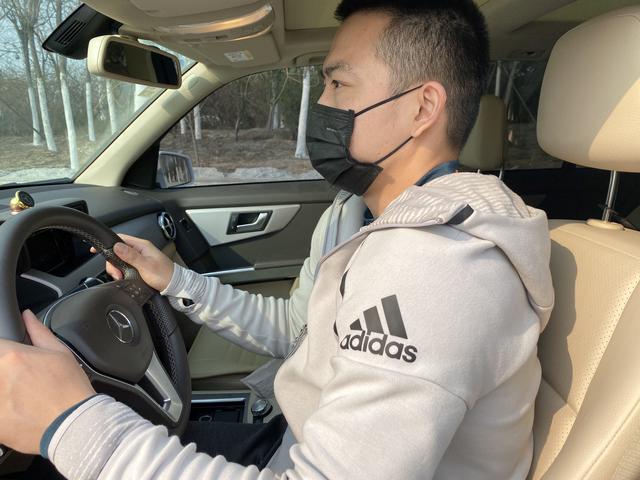
Shoulder Shrug
During driving, we always need to hold the steering wheel with our hands, which easily leads to shoulder shrug posture, i.e. raising the shoulders towards the head. The shoulder shrug posture causes the trapezius muscles to be tense, the shoulder girdle rises, and the trapezoid muscle belt becomes unbalanced, leading to joint movement problems and shoulder joint inflammation or tendonitis.
Solutions:
Strategy 1:
When driving, maintain a stable shoulder posture to avoid the problem.
Strategy 2: Exercise
Recommended exercise: Money Cat Pose
When there is a shoulder shrug, the lower trapezius muscles are tense, while the upper trapezius muscles are relatively weak, so it needs to strengthen the lower trapezius muscles.

Money Cat Pose
- Stand upright, strengthen the side arm as shown in the picture upwards, and the other arm raises towards the sky.
- Maintain the strengthening of the lower shoulder sinking.
- Rotate the body along the raised arm forward,
- 5-10 repetitions, 2-3 sets.
Risk 3: Lumbar Disc Protrusion

Lumbar Lordosis
The normal lumbar spine curve is 10 degrees forward flexion, when we sit in the driver's seat, the lumbar spine is actually in a backward curvature. Under this sitting posture, the pressure on the intervertebral discs reaches 200%, and the intervertebral discs are prone to protrusion due to excessive pressure over time.
Solutions
Strategy 1:
Choose a suitable backrest pad to support the waist during driving.
Strategy 2: Exercise
Recommended exercise 1: Hip Flexor Stretch
Long-term sitting leads to the shortening of the hip flexors, which needs to be targeted for stretching.
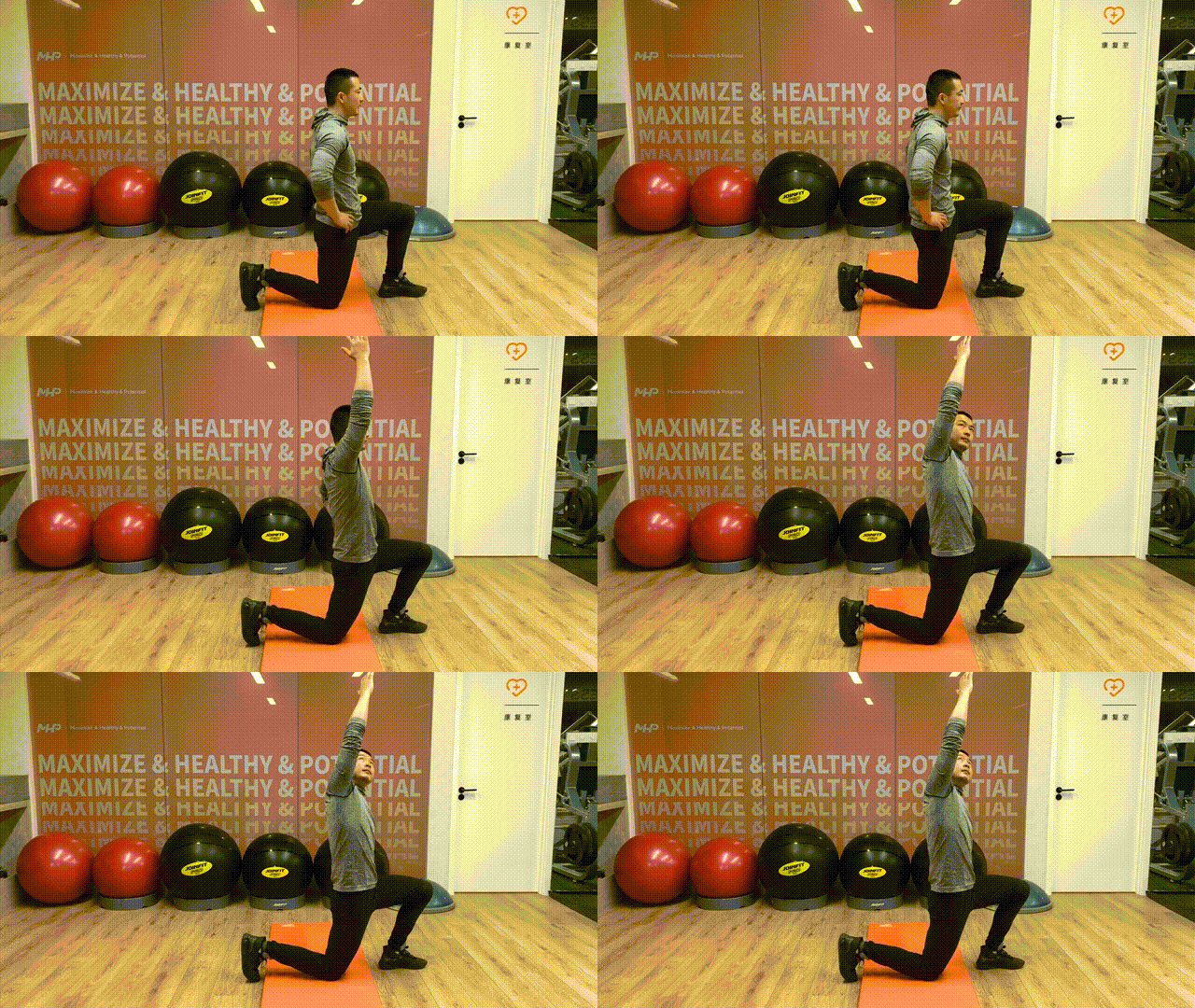
Hip Flexor Stretch
- Assume a straddle pose, kneeling on one leg on the mat.
- Tilt the pelvis posteriorly, shift the center of gravity forward, and the side of the leg corresponding to the side of the same side arm is raised to the ceiling.
- Turn the trunk towards the side of the side leg.
- Hold for 15-60 seconds, 2-3 sets.
Recommended exercise 2: Lumbar Extension Stretch
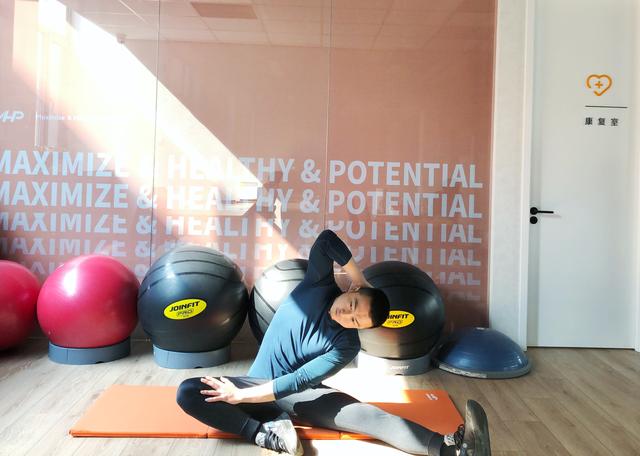
Lumbar extension stretch
- Sit on the mat, keeping your legs straight and open, bend to stretch the side of your calf.
- Place your opposite hand on the knee, and straighten the trunk and leg on the side.
- Hold for 15-60 seconds, 2-3 sets.
Recommended exercise 3: Core Strengthening
A good waist needs a good core support, regarding core training can refer to my previous article 'Train a Good Core'
Risk 4: Lower Limb Asymmetry

Unilateral Operation
Most cars are now automatic transmission cars, so we use the right foot to operate during driving, which leads to asymmetry of the lower limbs due to excessive unilateral force.
Solutions:
When correcting asymmetry, we should not only train the weak side, but also train the strong side with the same intensity.
Risk 5: Increased Cardiovascular Risk
Sedentary and Lack of Movement
Driving reduces our physical activity, and the reduction of physical activity has led to many obesity problems. The American Medical Association has listed cardiovascular disease as the first cause of death in the world, surpassing cancer. Excessive sitting and lack of movement also contribute to the risk of cardiovascular disease.
Solutions
Strategy 1:
Low-carbon travel, choose walking or cycling when the weather is good to increase physical activity and avoid long-term sitting.
Strategy 2:
Find a heart-lung training that you are interested in and regularly implement it.
Summary:This article mainly analyzes five health hazards caused by long-term driving and the solutions that can be implemented by ourselves. Hopefully it can be helpful to you who drive.
Make progress step by step
I am MHP Physical Training
#Youth Plan#