Fitness ScienceHow to Improve Force Conversion During Bench Press Training
Prologue
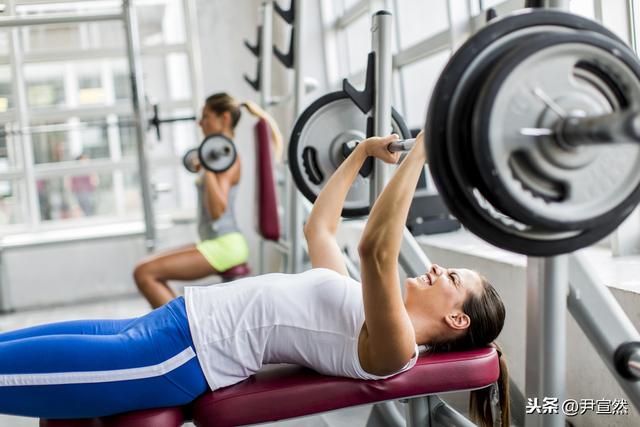
Hello everyone, tonight I'm going to share some knowledge about bench press training.
There's relevant data statistics: 'Bench press' is more popular among male fitness enthusiasts, after all, everyone wants to have a full pectoral muscle.
I remember when I was in school, I and my best friend were 'comparing' our bench press weights. I think this phenomenon exists in most fitness people, because a kind of benign competition is very important for boosting one's fitness motivation.
So the question is, how can we, through our own efforts, make our bench press training safer and lift heavier weights? That's the question we're going to talk about today.
How to optimize our 'force conversion' during bench press training?
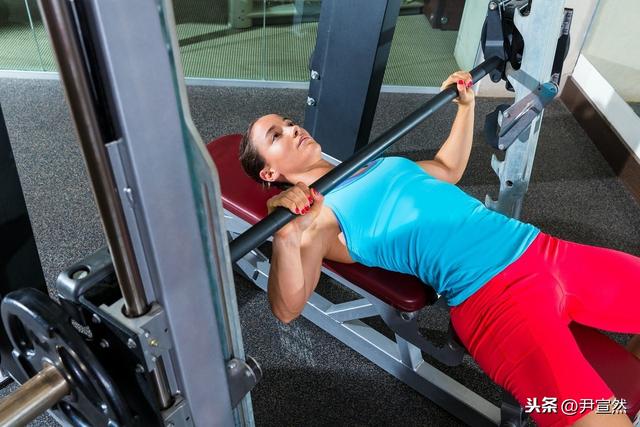
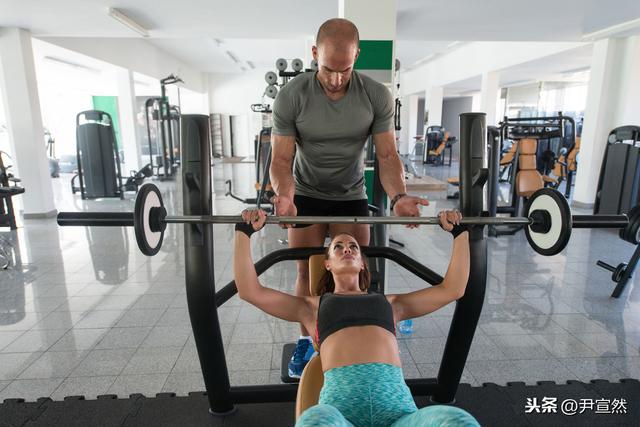
Bench press 'training' as one of the 'three major' exercises is not as simple as everyone imagines. I have emphasized a point a long time ago:The simpler the movement, the more details there are.Bench press 'training' is like that.
Anyway, if you want to lift heavier weights in bench press, the first thing we need is a good posture, to help us better perform 'force conversion'.Even though bench press 'training' is mainly chest-dominated, you must use your whole body in the right way to give you the maximum power output
A key little trick is: you must 'nail yourself to the board', if you don't understand, let me explain it to you:
- When I say 'nail', I mean to create a muscle support base. If our whole body muscles remain tense during the bench press, then you can create better support and energy output.
- For the upper body, you need to try to 'bend' the barbell shaft. It sounds a bit exaggerated, but take a look at many strength athletes, they will do this.In fact, you only need to apply pressure from our arms to the barbell shaft, which will make your shoulder blades 'retract and drop down', while creating a 'arch' in your upper back, which will help you to keep your chest up, this will also cause tension in the upper back and the deltoids
- The same principle applies to your lower body, you want to open your hips and squeeze your glutes to truly get 'leg drive'After all, power starts with legs.On the other hand, if your body doesn't have the corresponding tension during bench press training, it's unlikely you'll create better 'force output', which will lead to poor 'force conversion'. An 'inactive setting' will become more unstable, and in fact, it will increase the risk of injury because your shoulders will remain in a more dangerous position.
- Summary
Today's fitness knowledge sharing is over. If you have any questions or suggestions, please leave a message for me, and we will see you tomorrow.
#Spring_Fitness_Power#My_Eyes_on_Spring###