Beautiful Ring-tailed Lemurs
Beautiful Ring-tailed Lemurs
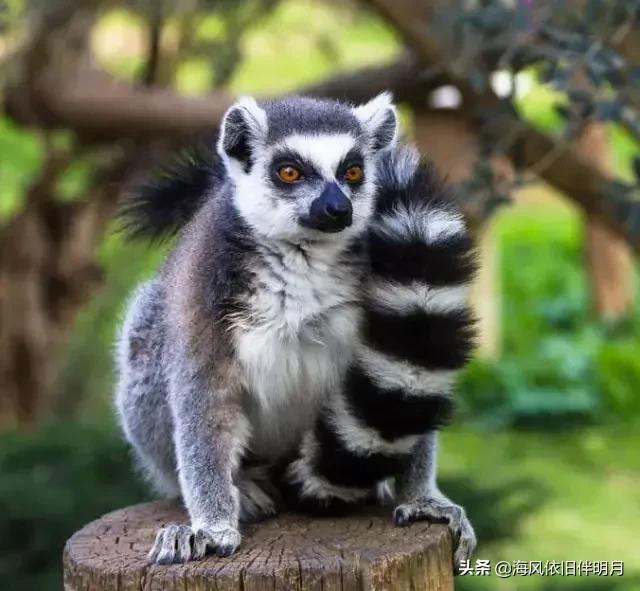
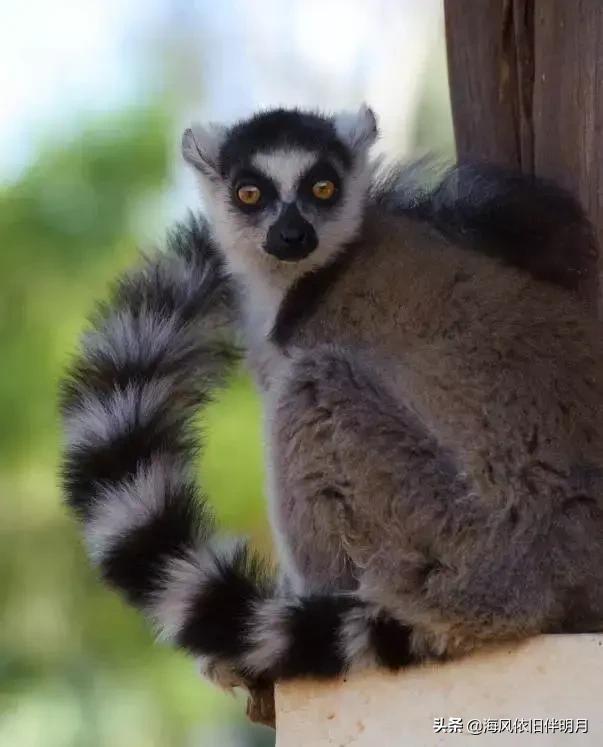
Ring-tailed Lemurs belong to the primitive primates, with a long snout and laterally facing eyes like a fox, named for its segmented patterned tail. They live in groups of 5-20, inhabiting rocky areas with few trees and establishing their own territories. They are primarily terrestrial, adept at leaping and climbing. Their main diet consists of insects and fruits. They reach sexual maturity at 3 years old, with a gestation period of approximately 4.5 months, usually giving birth to twins. Their breeding season is the shortest of all mammals, lasting only two weeks per year, with a female accepting a male for mating lasting less than a day. Their lifespan is about 18 years.
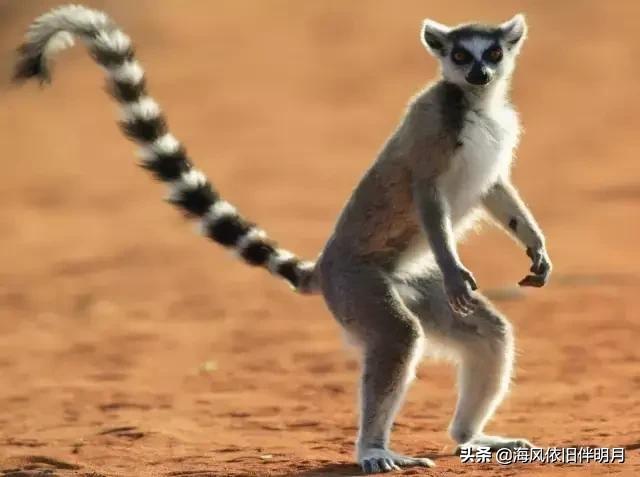
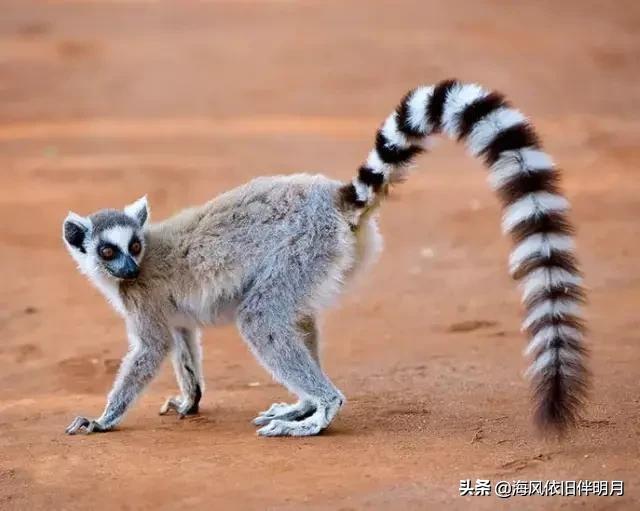
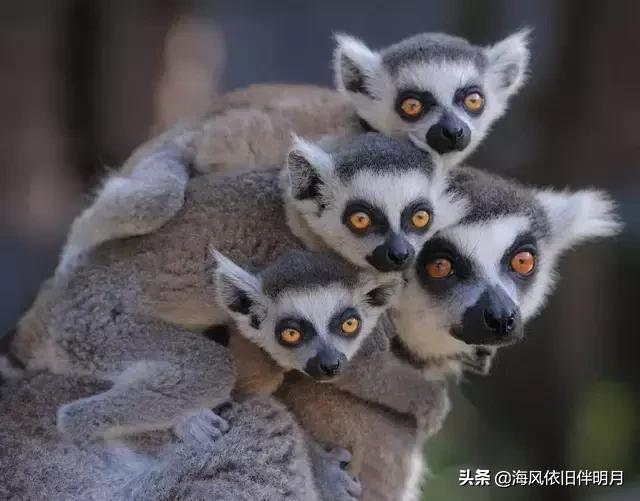
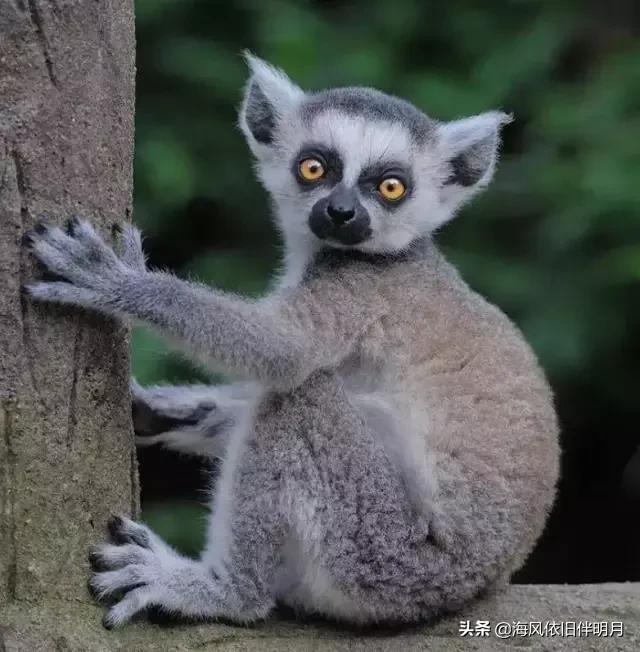
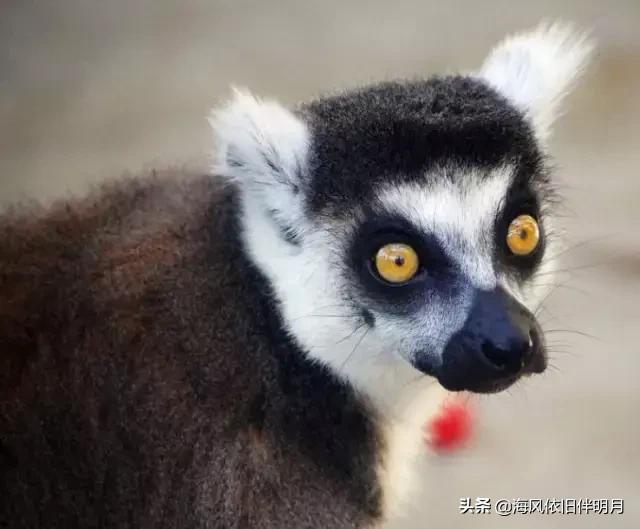
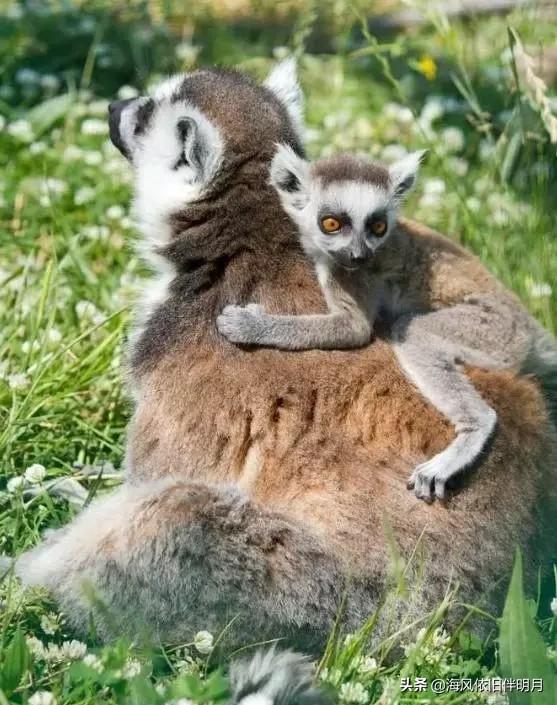
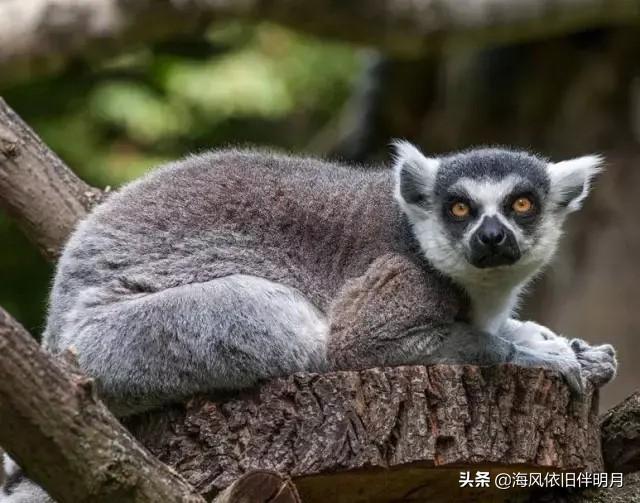
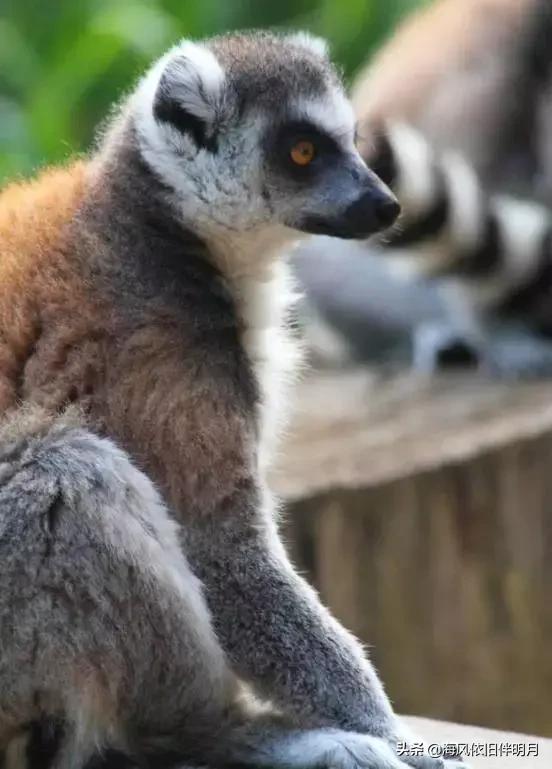
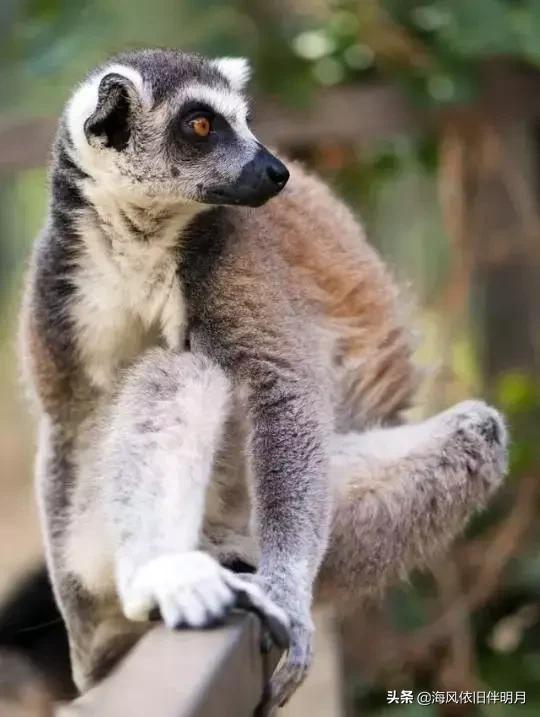
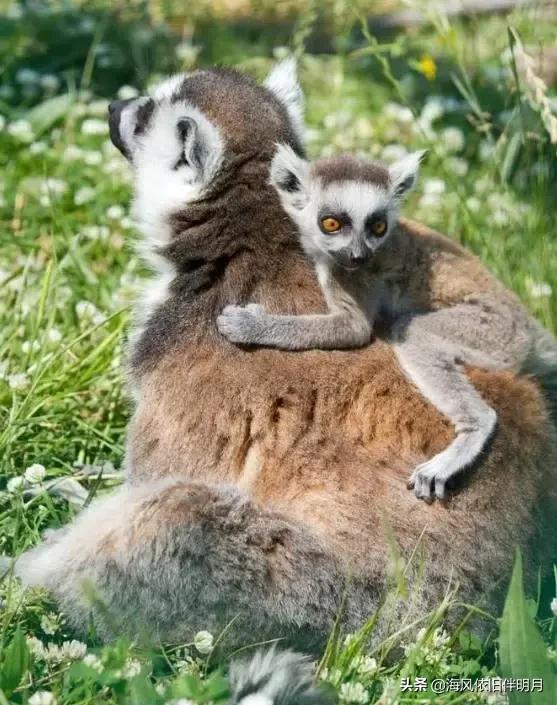
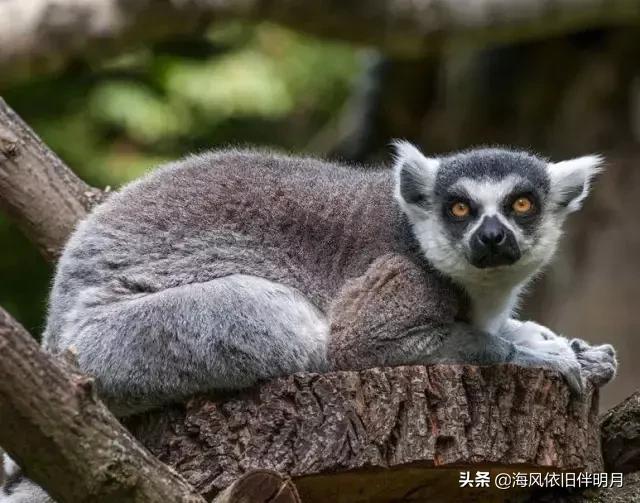
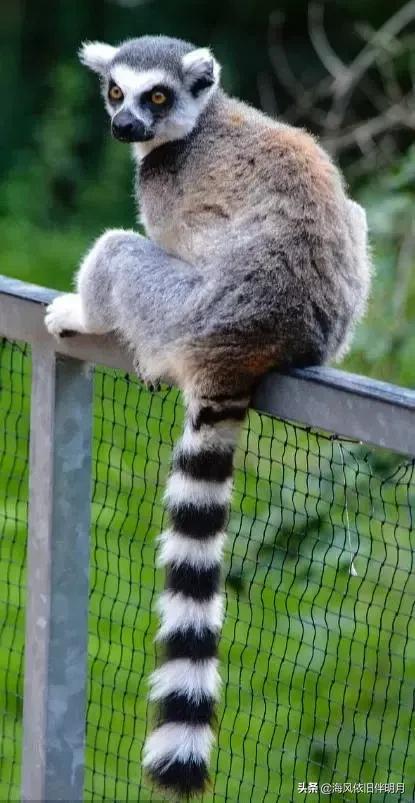
Ring-tailed Lemurs are mainly distributed in the southern and western dry forests of the African island of Madagascar, living in sparse forest and bare rock areas. Ring-tailed Lemurs are listed in Appendix I of the Convention on International Trade in Endangered Species (CITES), prohibiting international trade.
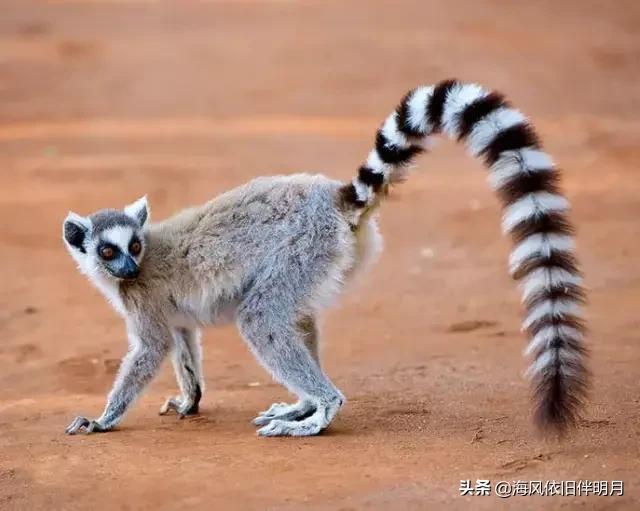
Ring-tailed Lemurs have longer hind legs than forelegs, making them exceptionally strong in climbing, running, and jumping, able to leap 9 meters between tree branches. Their palms and soles are covered in long fur, increasing friction during takeoffs and landings, preventing them from slipping. They can even walk upright like humans. Although their forelimbs are short and weak, ring-tailed lemurs flip themselves downward with their heads first when descending from trees.
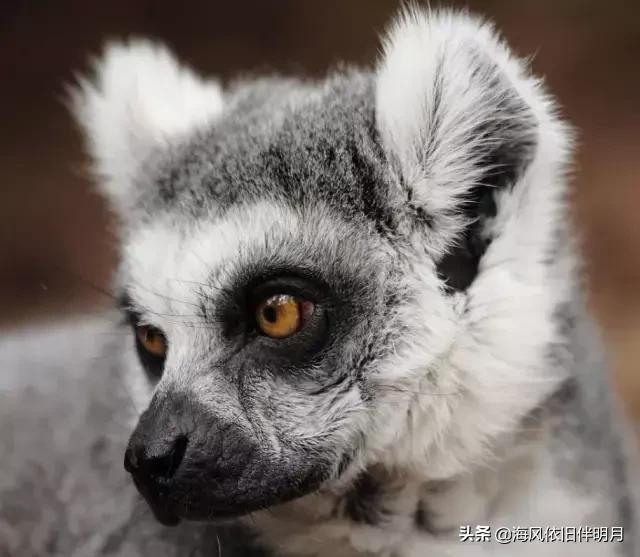
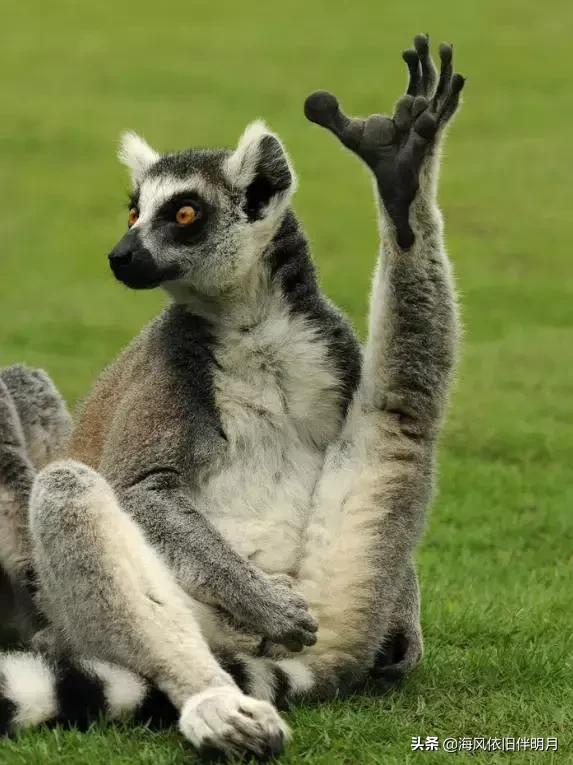
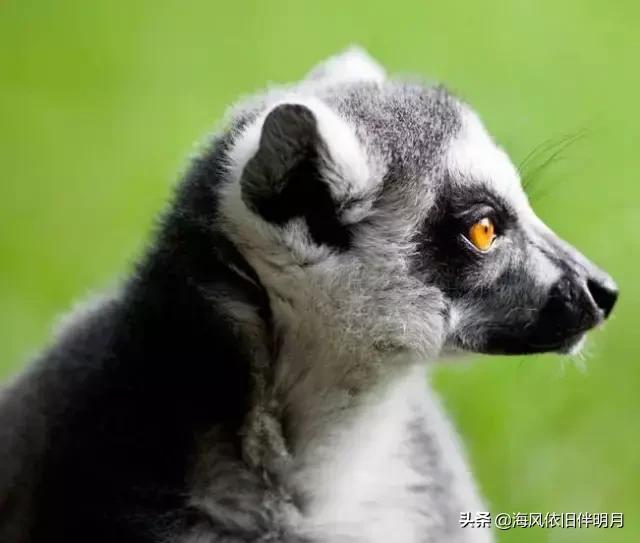
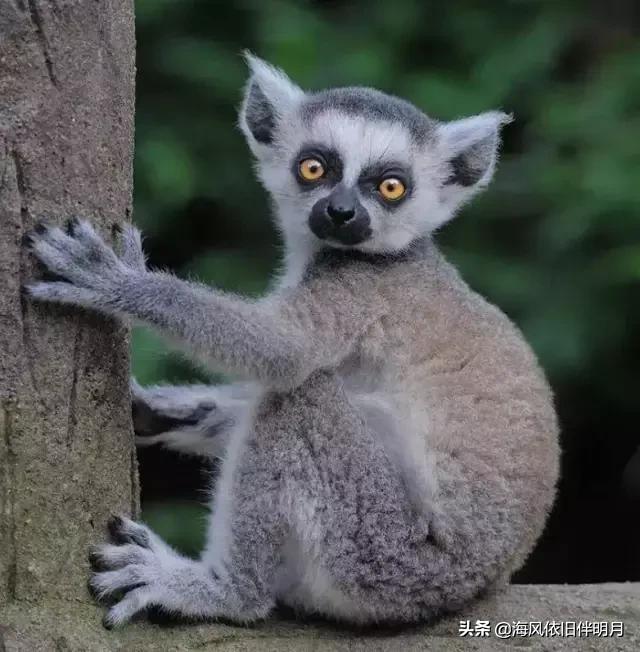
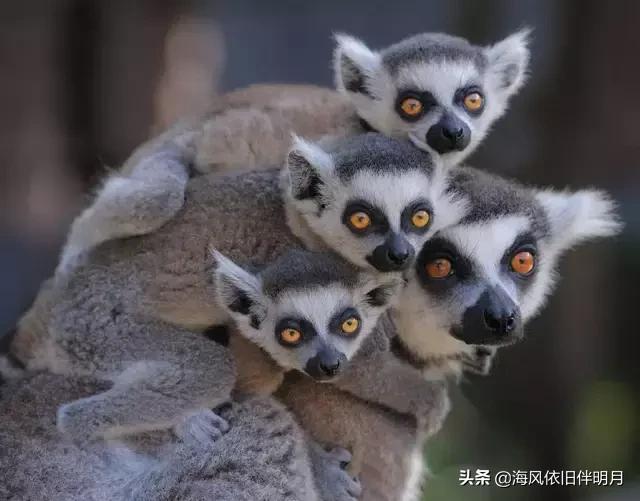
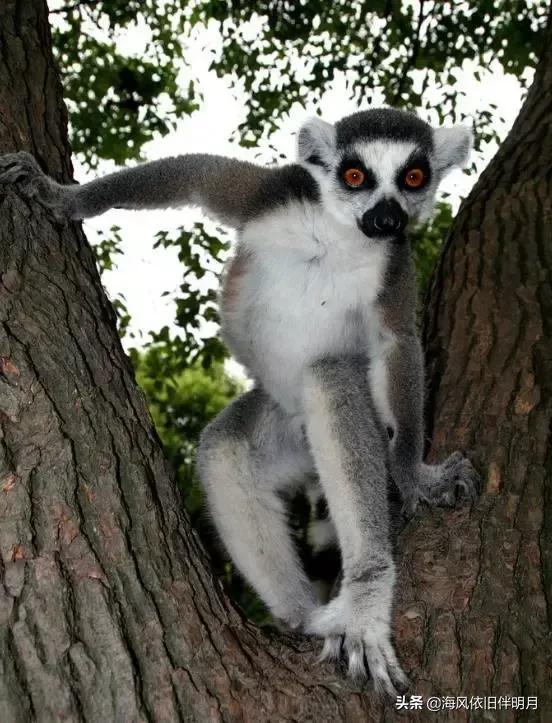
Ring-tailed Lemurs have three scent glands located at their anus and armpits, secreting a pungent liquid used as a landmark and territorial marker. One of these glands is shared by both males and females, located inside the wrist joint. Male monkeys’ glands are more developed than female monkeys’ glands, used not only for competing for mates during the breeding season but also as a weapon against enemies. When foreign enemies attack, ring-tailed lemurs bend their arms and use their tails to rub their wrists and armpits, volatilizing the liquid, and their tails sway constantly, directing the scent towards the enemy. The more developed the male monkey's glands, the higher its status in the monkey troop, so ring-tailed lemurs are very concerned about hygiene and often groom each other’s hair.
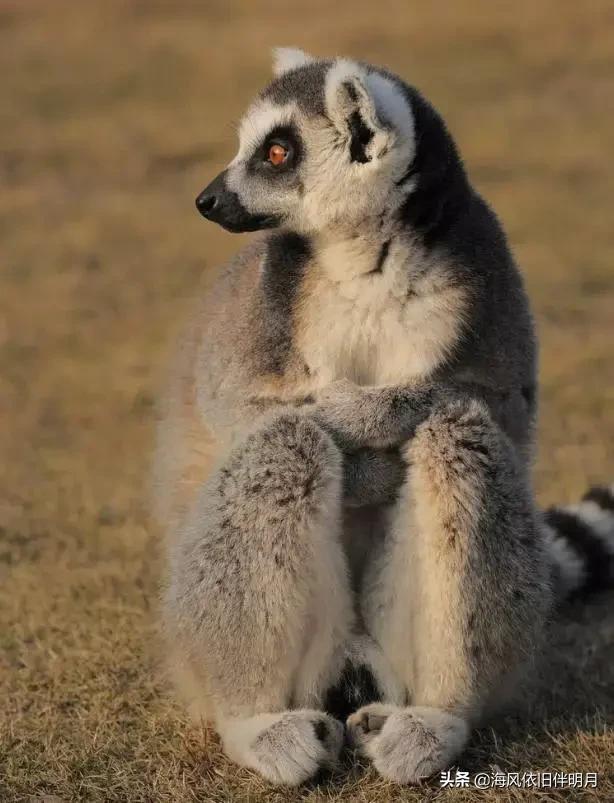
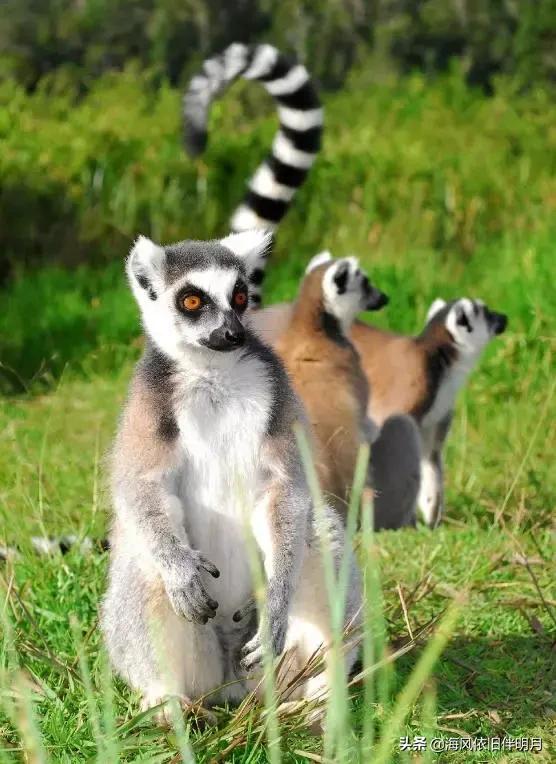
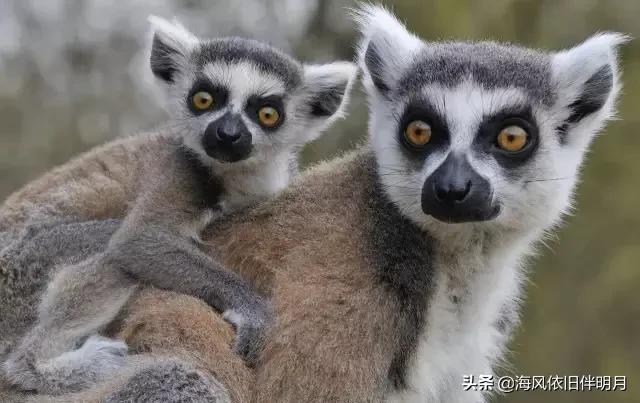
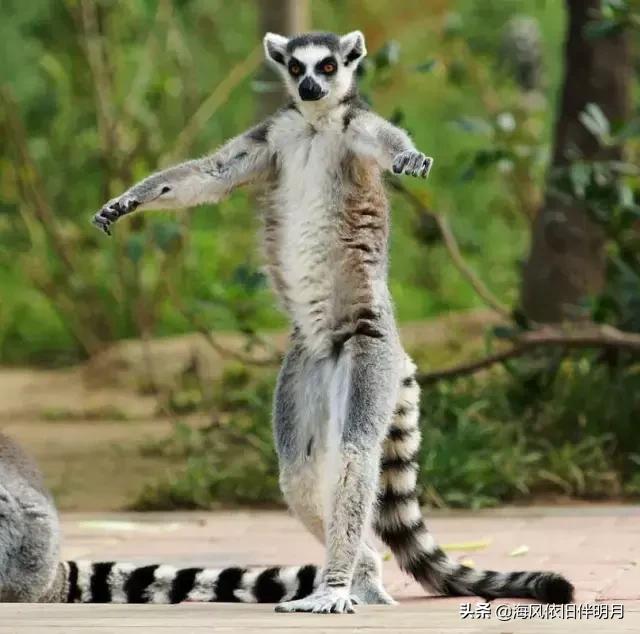
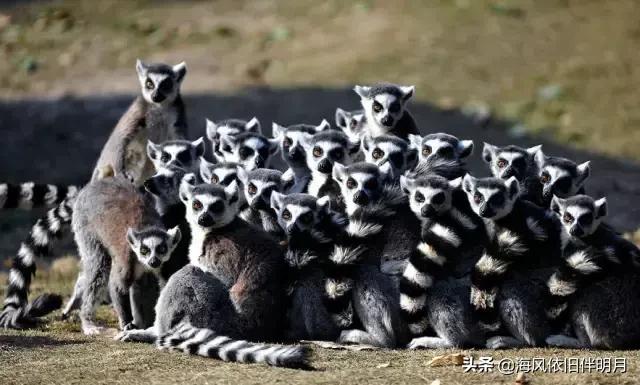
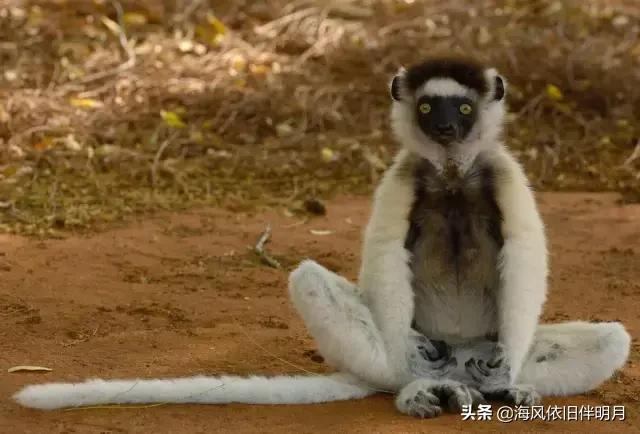
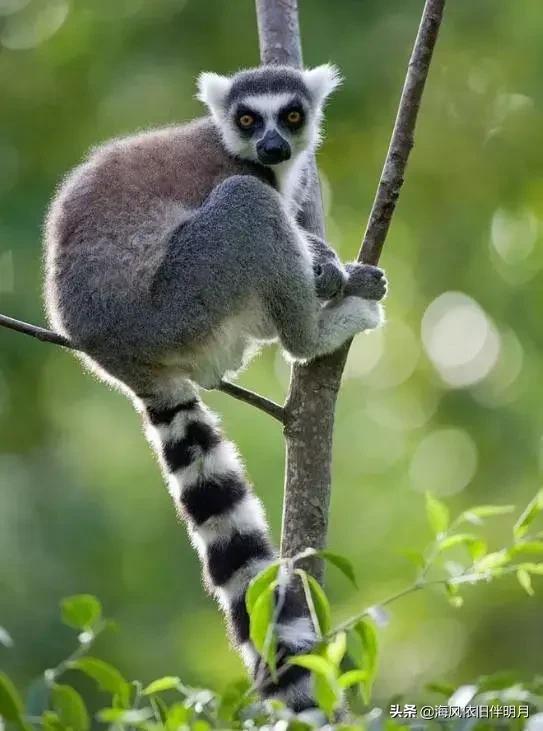
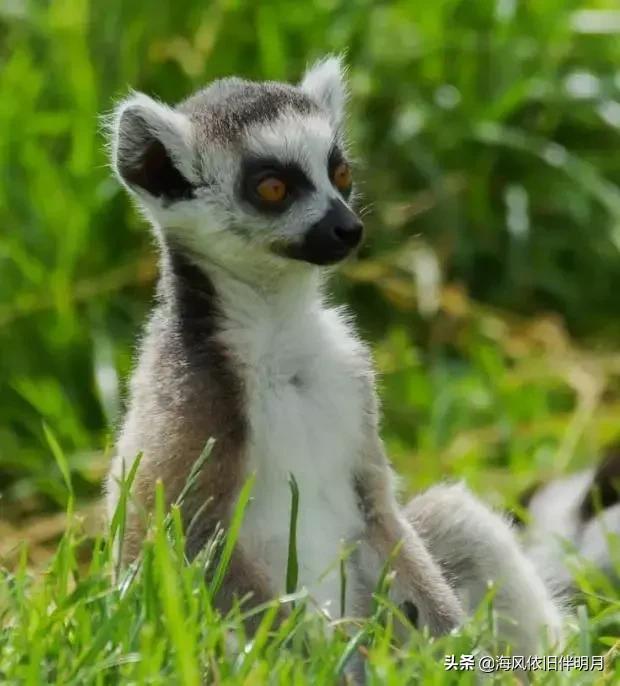
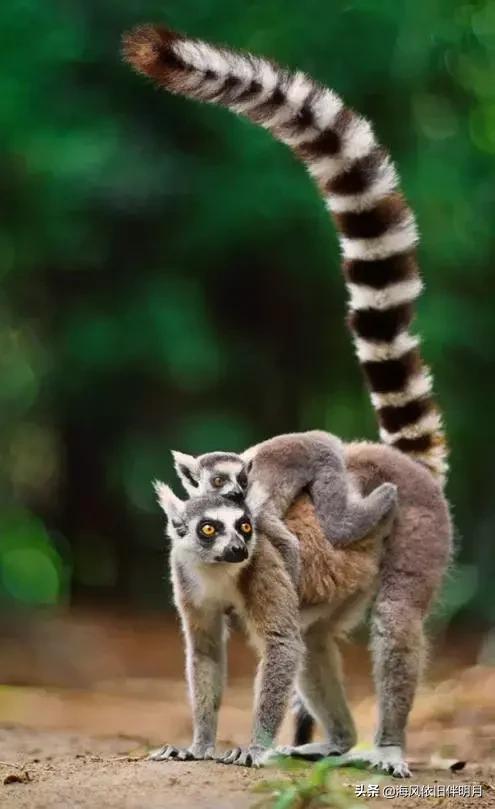
Ring-tailed Lemurs are diurnal animals and the only diurnal lemurs. They are gentle in nature and like to gather in groups to move around, using their comb-like lower incisors and hook-shaped claws to groom and decorate themselves, or to play on trees or forage for food, sometimes wandering on the ground, and frequently performing various dangerous actions. They can walk upright on branches of trees, because their hind legs are longer than their forelegs, so their posture when walking upright is similar to that of humans. They also have long fur on their palms and soles, increasing friction, so they will not slip even when walking or jumping on smooth rocks. When jumping between large trees, they can use their almost-body-long fluffy tail to regulate their body balance, jumping up to 9 meters or more, and always use their hind feet to grab the tree trunk first.

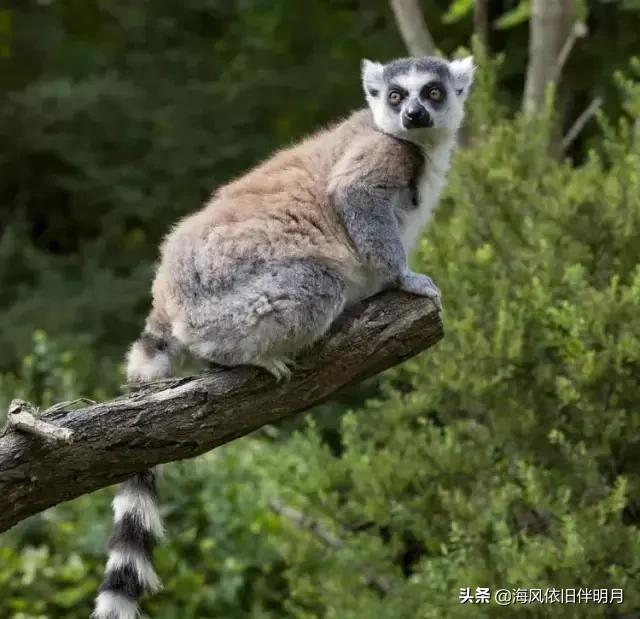
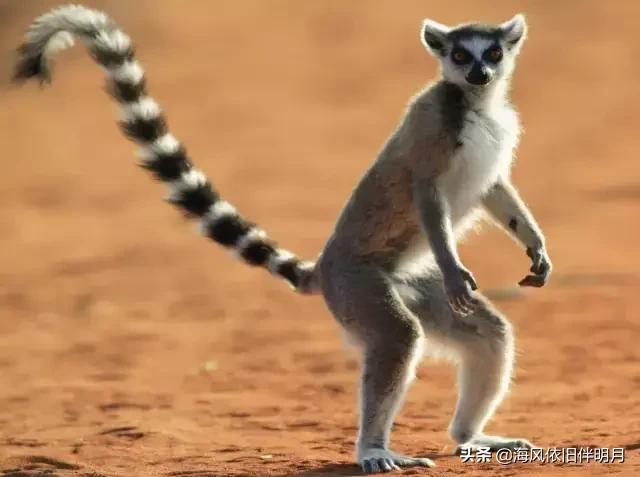
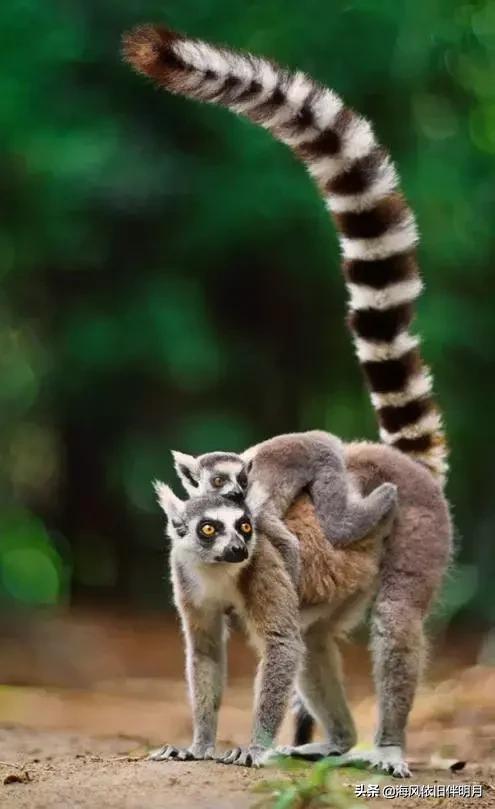
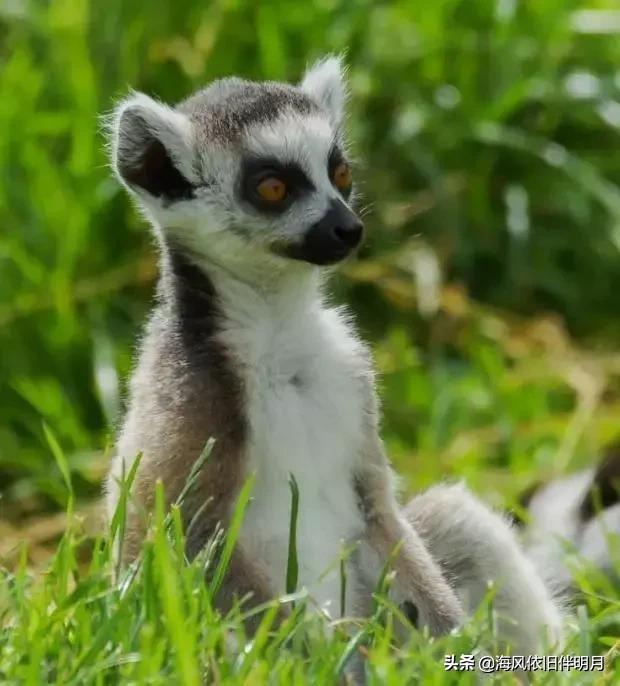
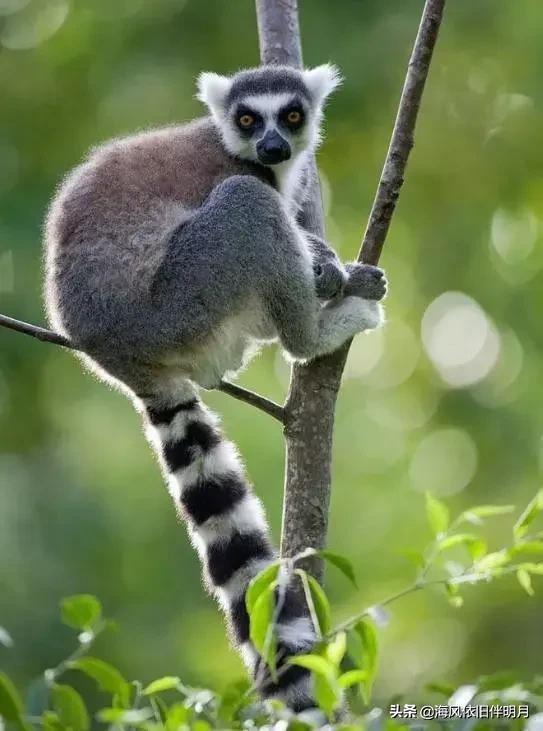
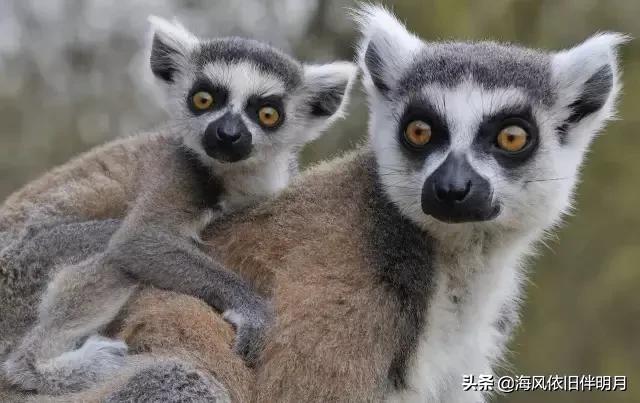
When Ring-tailed Lemurs are active, their beautiful ringed tail is often raised high, like a black and white striped flag, appearing very conspicuous, even at a distance, enabling ring-tailed lemurs to maintain contact while wandering through tall grasses or forests.