The South China Tiger, Number One in the World’s Top Ten Endangered Species, Now Holds the Most in China (with 45 at Luoyang)
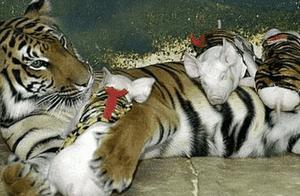
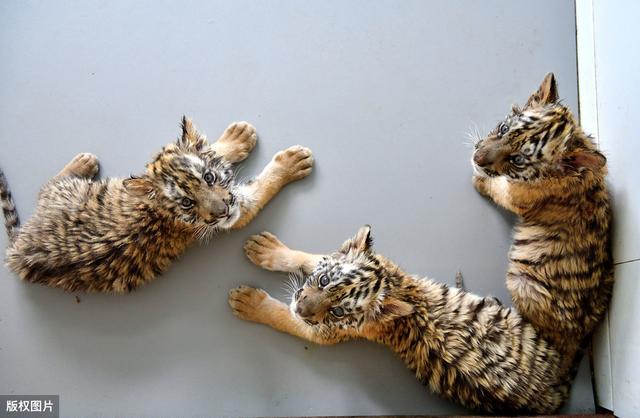
Recently, the three 'double full moons' South China tiger cubs at Luoyang Wangcheng Zoo have grown from an initial weight of 1100 grams to the current 3500 grams. These tiger cubs can eat and sleep, and are lively and active. It is reported that these South China tiger cubs were born in January of this year. To take care of them, 4 keepers are on 24-hour rotating duty, with no room for carelessness. Currently, the total number of South China tigers at Wangcheng Zoo has reached 45, while the global number of South China tigers is only 200. Luoyang's South China tiger number has remained first in the country for six consecutive years.
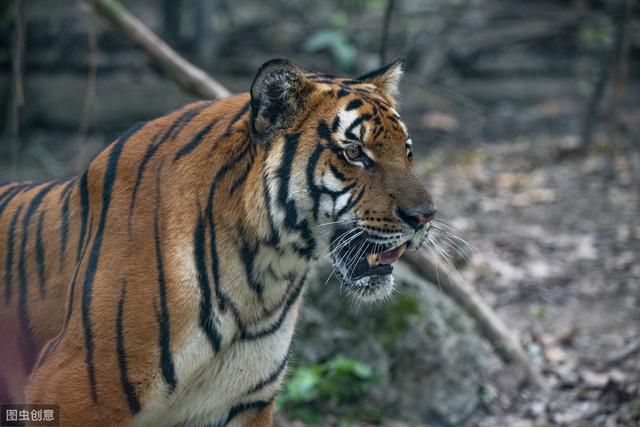
South China tigers are a native tiger species of China, known as 'Chinese tigers'. They are listed as the No. 1 endangered species in the world by the International Union for Conservation of Nature. South China tigers were once widely distributed in China's Guangxi, Guangdong, Hubei, and Sichuan provinces. In the forests and mountains of southern China, South China tigers were once prevalent throughout the woodlands.
In the past, South China tigers were revered by humans as 'protective gods' because they could eat wild boars and protect crops, and even became objects of sacrifice. However, during the Ming and Qing dynasties, with the population boom, people engaged in land reclamation, and South China tigers began to emerge from the forests, eating people and livestock, causing serious damage to local areas. During the Republic of China period, the tiger plague problem eased somewhat, but it even worsened in some areas.
In order to safeguard the territory and people, the masses spontaneously formed tiger-slaying teams. During this period, South China tigers disappeared rapidly. By the time of the founding of the People's Republic of China, the number of wild South China tigers remaining was only about 4,000 in the mountains of southern China. Due to habitat loss and lack of large prey, by 1976, the number of wild South China tigers in China dropped to below 200, losing the ability to self-propagate on a large scale.
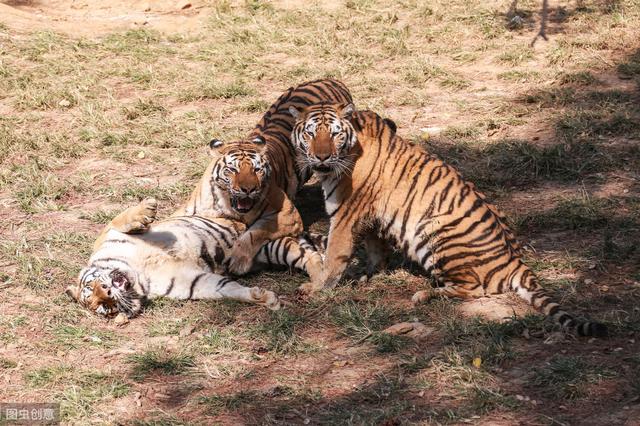
By 1990, there were only about 30 wild South China tigers remaining. In 1996, South China tigers were listed as one of the world's top 10 endangered wild animals. Currently, the number of purebred South China tigers in the world has reached 200, and the number of South China tigers at Wangcheng Park has reached 45. Luoyang's South China tiger number has remained first in the country for six consecutive years. However, due to the lack of new wild South China tigers, the current South China tiger population is still on the verge of extinction. It is a relative breeding situation. All South China tigers are descendants of the six South China tigers captured in the wild in the past.
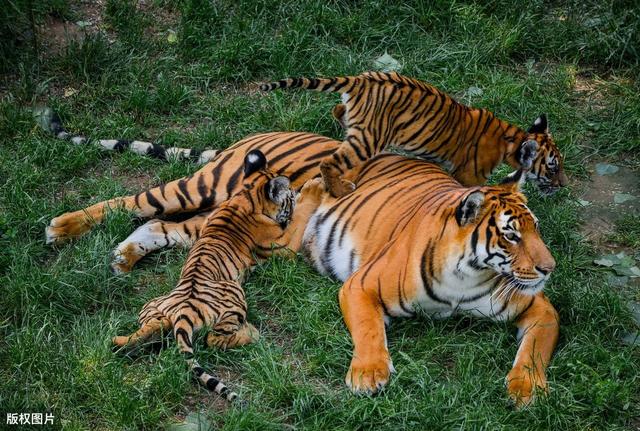
To save and expand the South China tiger population, the China Association of Zoological Gardens established the South China Tiger Coordination Committee in 1995. In 1985, Luoyang Wangcheng Park first introduced South China tigers. After years of research, it finally succeeded in breeding South China tigers in 24 years. Luoyang Wangcheng Park has always created the world's best in the protection and breeding of South China tigers!
200456