Loved and Adopted: The Cute ‘Muttonhead’ Frog – Desert Rain Frog
In a barren coastal dune area on the northwestern shore of South Africa, where there are long periods of dryness and little rain, a small animal lives that clings to the sand. It is unaffected by the extreme weather here and quietly multiplies year after year according to the natural rhythm.
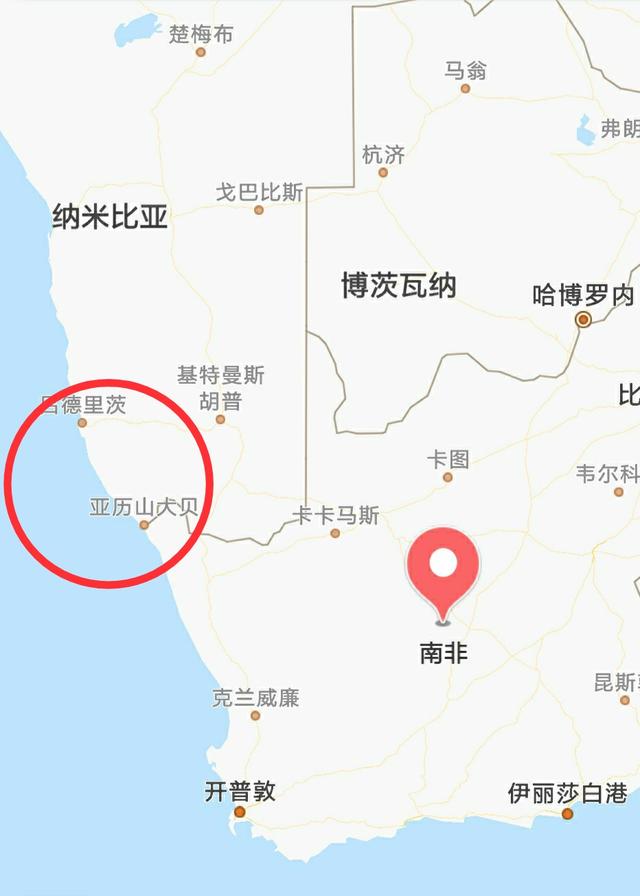
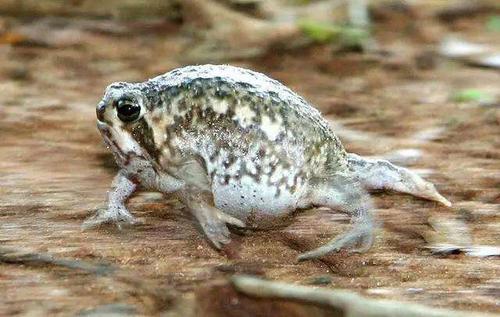
This small animal is the Desert Rain Frog, also known as 'sand frog'.Because it can adapt to hot, dry environments, it can be found near the desert grasslands. In recent years, it has been quietly and peacefully living, but because of its plump, cute appearance, it has suddenly gained the hearts of many people and become a new type of beloved pet by many people.
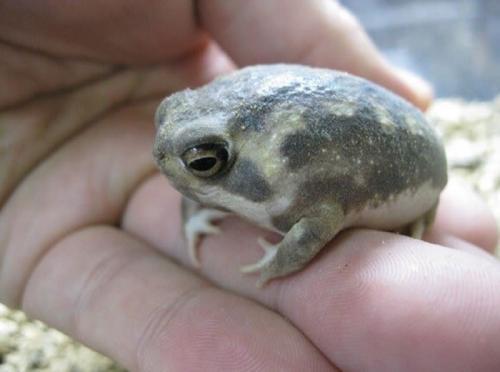
Desert Rain Frogs, as the name suggests, have short heads. Moreover, it is not easy to distinguish between its head and body, because they are very small.They are usually only 30 to 50 millimeters in size, like a slightly larger coin.Their bodies are plump and fleshy,Weighing only about 5 grams.They have short limbs and are brown with various spots and patterns, belonging to small frogs.
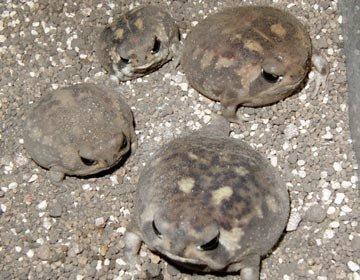
Frogs that don't jump, don't sing, and don't swim?
As is well known, frogs are known for their excellent jumping and fast swimming abilities, in addition to their distinctive 'croak' sound.However, the sand frog is exceptional. As a member of the frog family, it actually doesn't jump or swim, and even its call is very different.Short legs limit their jumping and swimming skills. And its call is similar to '' of a bird, and a little like a 'little yellow duck' toy for children to play with during bath time.
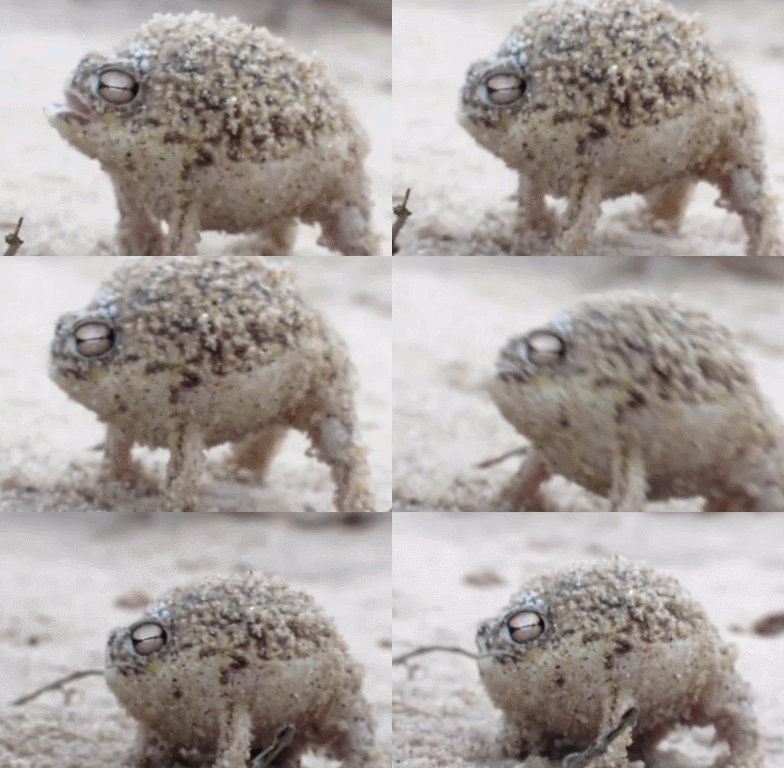
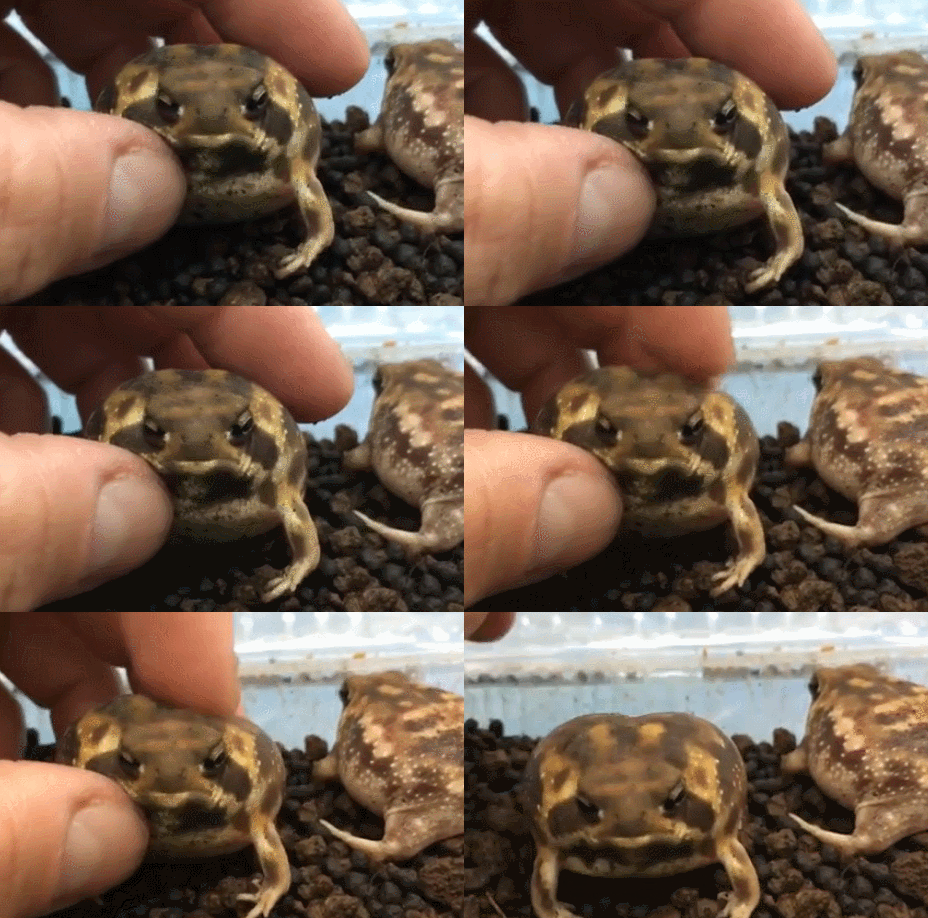
Such a small, non-jumping, non-swimming cute creature, with no apparent defensive capabilities, how do they resist danger?
- 'Balloon Frog'
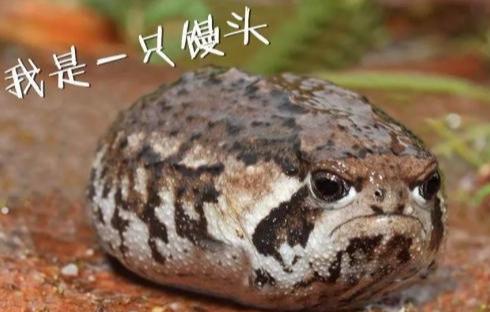
When encountering threats or feeling angry, the Desert Rain Frog will slowly inflate like a small balloon, accompanied by its call to express its anger, which will scare away some small predators. This behavior seems to have no deterrent effect, and even feels cute, looking like a small bun, so it is also called 'bun frog'.Of course, relying solely on scaring cannot be better, at this time it relies on its camouflage, which is similar to the sand, it uses the mucus secreted on its skin to stick to the sand, making it look like it is integrated with the sand, which is not easily discovered by predators.A bun frog covered with sand particles
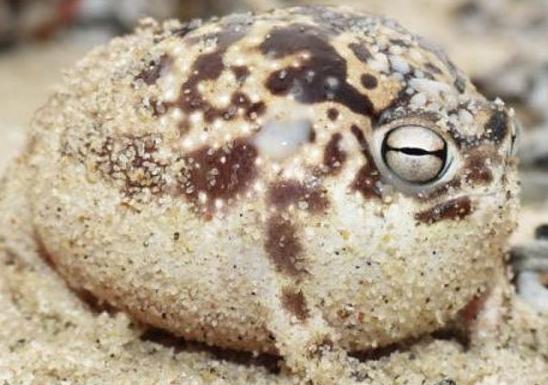
Although the bun frog's legs are short, it can dig up caves quickly. Most of the time it spends in underground caves, relying on moisture in the soil to survive, until around October each year when the rainy season arrives, it will start to move around in large numbers, and this period is also the season when ants that it loves to eat are breeding.
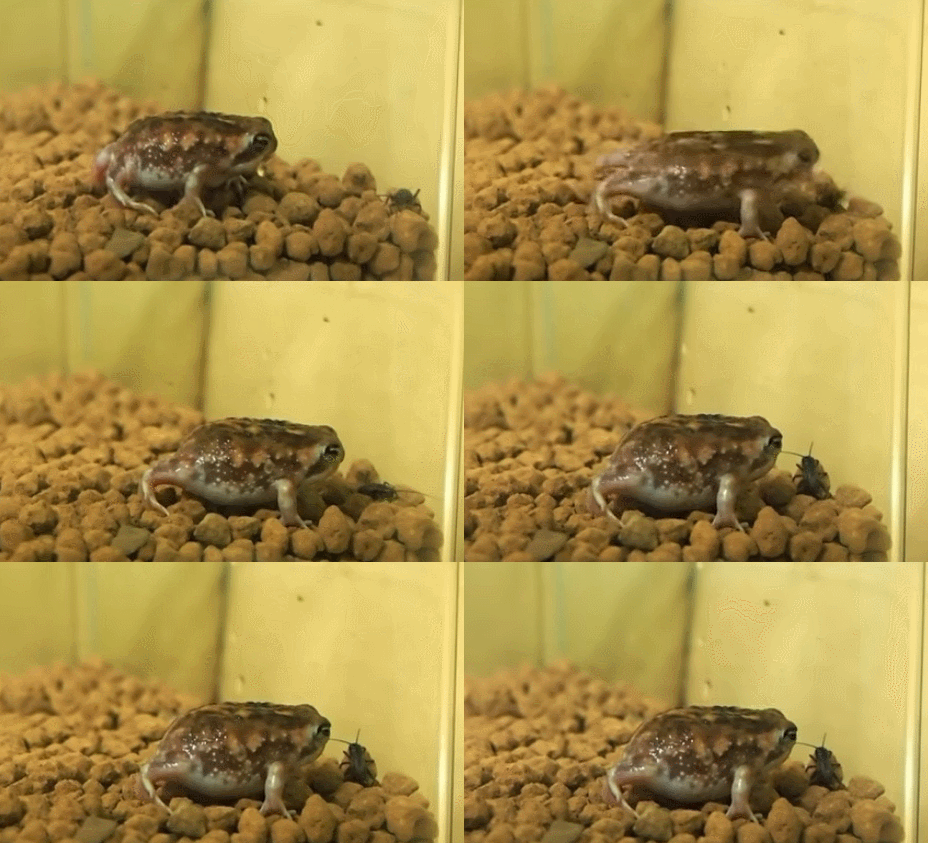
An awkward feeding process
An alternative breeding method
Unlike most frogs, the breeding of the bun frog does not take place in water, this is mainly because it cannot swim anyway, if it accidentally falls into the water, it can only inflate itself to float on the surface of the water to avoid drowning. When mating, due to its plump body and short, thick limbs, it is difficult to use the conventional frog embrace posture. So the male frog will climb on the back of the female frog to conduct mating, which is due to the larger body size of the female frog.
Due to these effects, the eggs of the bun frog will not undergo the tadpole stage of ordinary frogs, the baby frogs will hatch directly from the eggs.
Conclusion
The Desert Rain Frog, this exceptional creature in the frog family, through its own efforts in the harsh environment, has explored ways to survive suitable for itself, and even though it is very small, it can maintain the continuation of its species. However, after becoming a popular 'internet celebrity' pet, it has been captured and raised by many humans. But this is not suitable for the growth of the sand frog, in artificial raising conditions, its lifespan is shorter than that of the wild.