Peaceful Bird, Peaceful Life

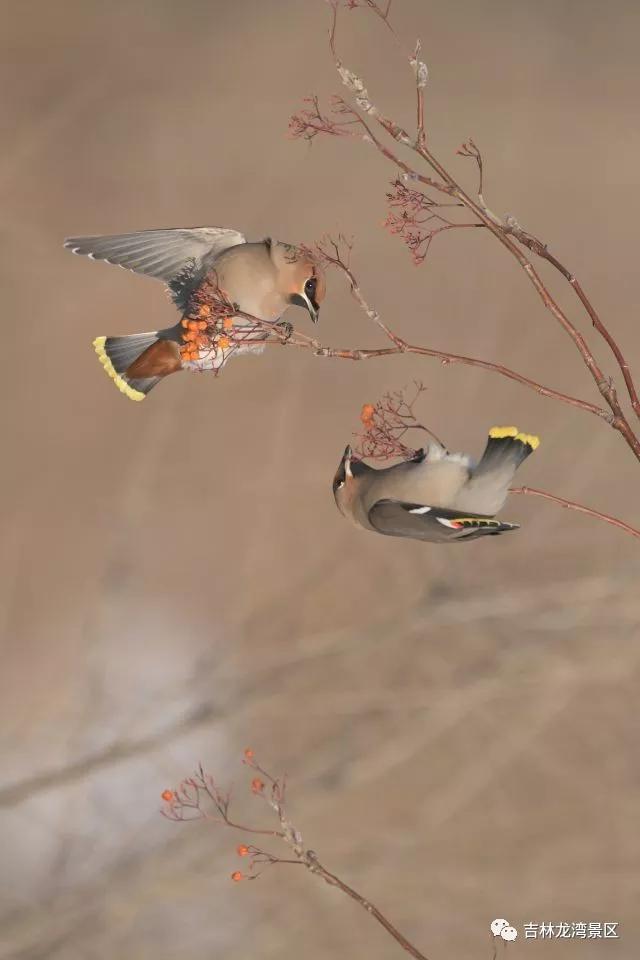
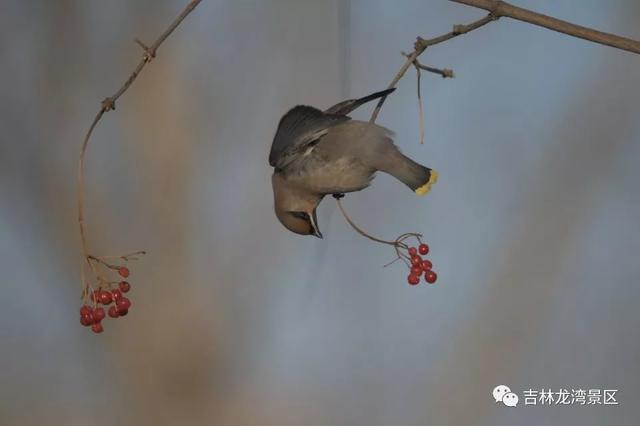
We are adorable flamingos! Humans named us this auspicious name hoping we can bring good news to them. We love group activities, we are harmonious, united, and cooperative within our group, and we get along well with humans, enjoying a healthy and free life in nature.
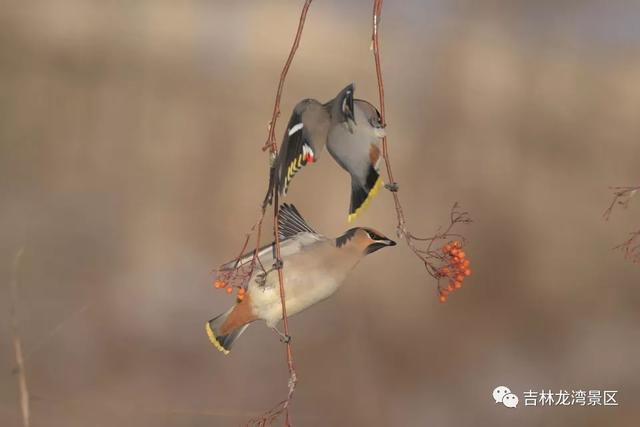
We love to eat some fruits from plants, these fruits are really delicious. One small red fruit from a tree can feed a flamingo for a whole winter.
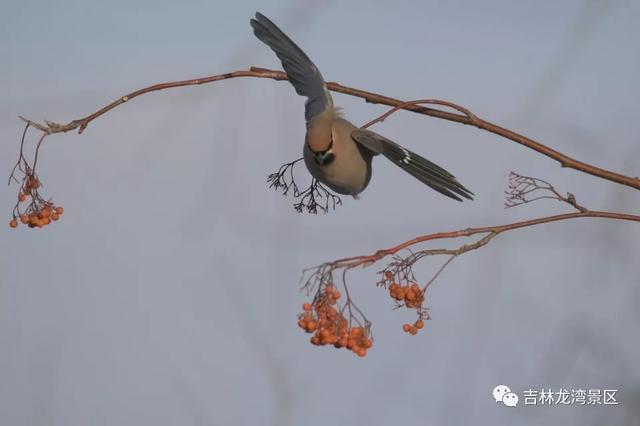
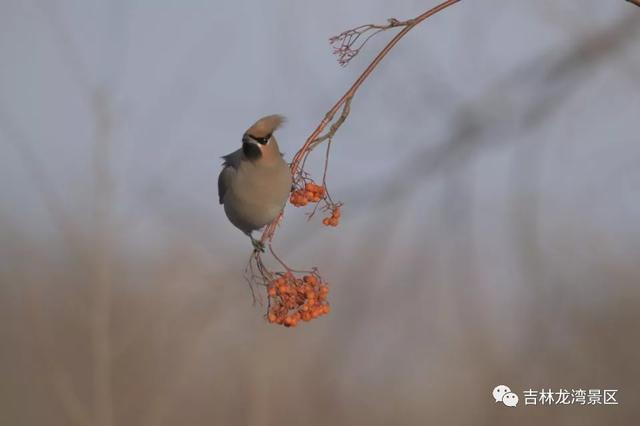
Look at the tree, there are so many small red fruits! It's a time for prosperity, like during the New Year! Oh, little friends, let's all come and eat red fruits together.
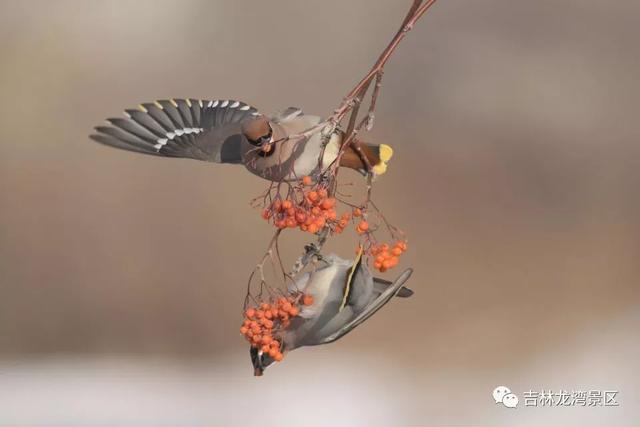
A beautiful life here
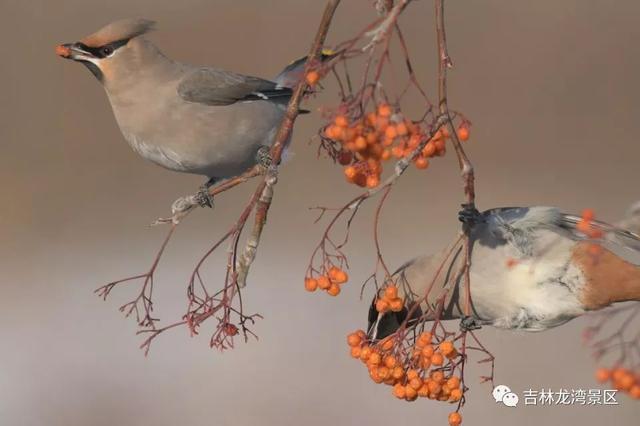
We flamingos are the most united birds.
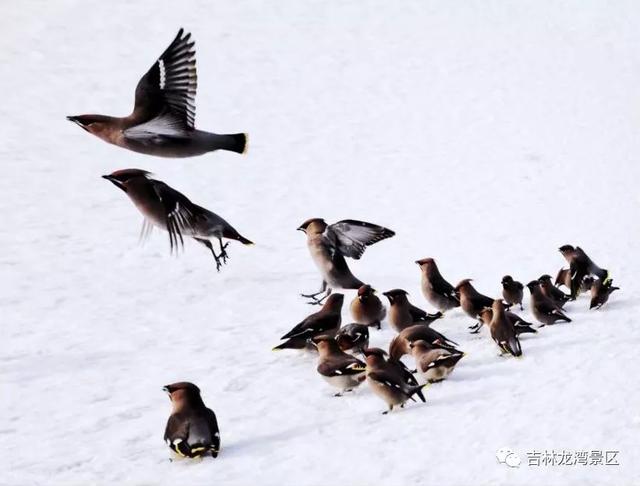
Often dozens of birds play together, fly together, and search for food together. This united cooperation allows us to not starve even in the cold winter with little food.
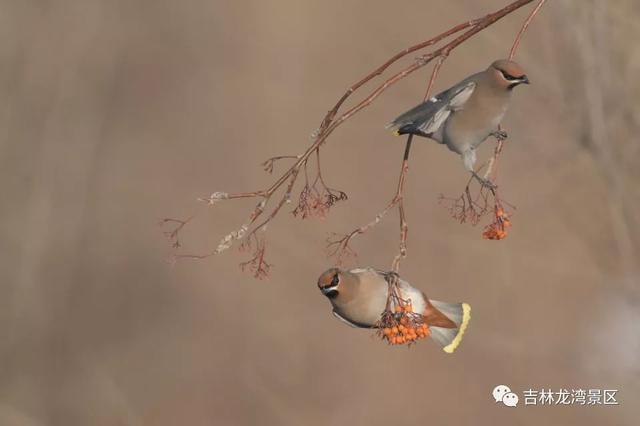
This makes us believe that unity is strength! The power of a team, the wisdom of a group, will surely create something wonderful.
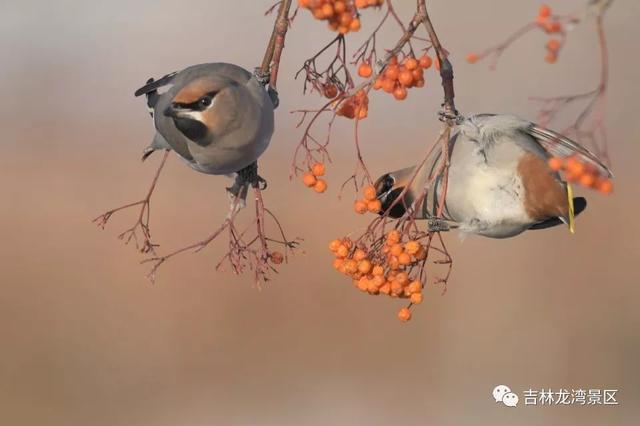
We are good friends of humans, hoping the beautiful name 'Flamingo' will bring good luck and accompany humans through this difficult winter, towards the spring of hope.
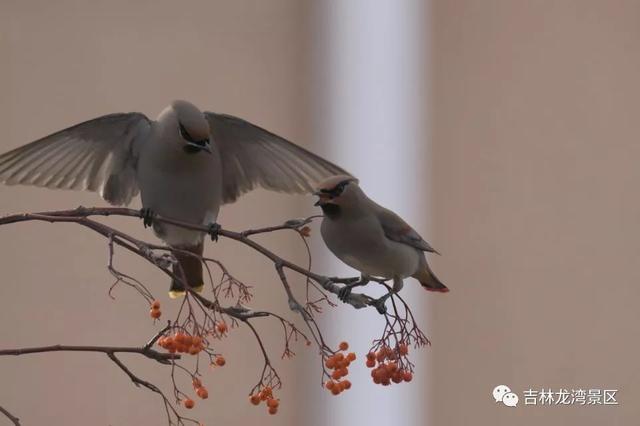
Flamingos are also known as 'Linked Quail' or 'Twelve Yellows', belonging to the order Anseriformes and the family Phoenicopteridae. They are small singing birds. They live in needle forests, coniferous-broadleaf mixed forests, and birch-pine forests. Except during the breeding season, they mostly move in groups. They have a beautiful appearance, with a gentle voice, and are excellent ornamental birds in winter gardens.
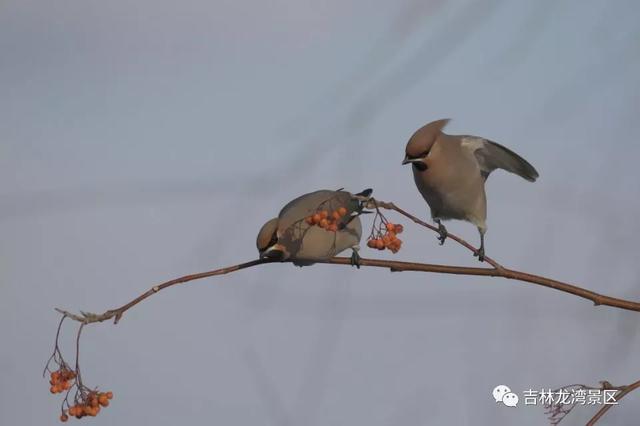
Flamingos generally have a body length of 18 cm, a wingspan of 34-35 cm, and a weight of 40-64 grams. Their bodies are mostly grayish-brown, with a darker brown head, a fine, tufted crest on the head, and a black eye stripe from the base of the beak to the back of the neck, located on either side of the crest, which is very conspicuous on the brown head. The chin and throat are black. The wings have white wing spots, and the secondary flight feathers have red-shaped spots at the ends, and the tail has black-tipped secondary feathers and yellow-tipped end feathers.
Text: Lin Yuan
Photography: Cong Dechang
Editing: Lin Yuan
Review: Zhao Guangze
Source: Longwan Culture