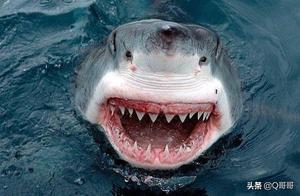
This animal's name is very imposing, having survived three major mass extinctions, yet it has become a pet.
Shrimp is one of the main foods for humans, it has rich nutrition, and plays an role in the marine ecosystem, such as river shrimp, sea shrimp, lobster and mud crab, etc. These are all very good foods. However, not all shrimp are edible for humans. Take this creature for example, although its name also contains the word 'shrimp', but it is not in the human food recipe.
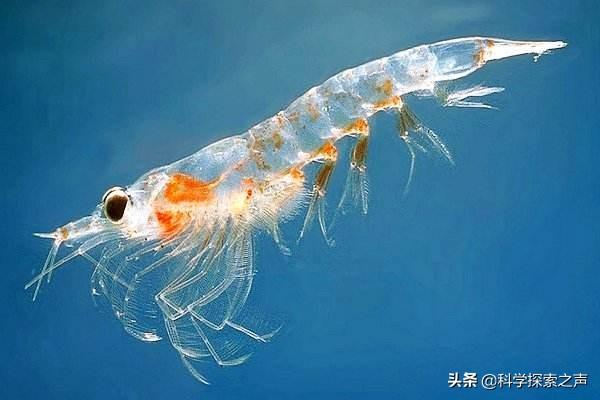
Three-eyed Dragon Shrimp is a spiny lobster species. Although its name contains 'shrimp', it has nothing to do with real shrimp species. And it is also not a creature that humans can eat. According to researchers, there are only 15 known species of spiny lobster in the world, 3 of which are found in Japan, and only 1 in China, namely 'Three-eyed Dragon Shrimp'. This species is relatively rare, although it cannot be eaten, but it does have research value.
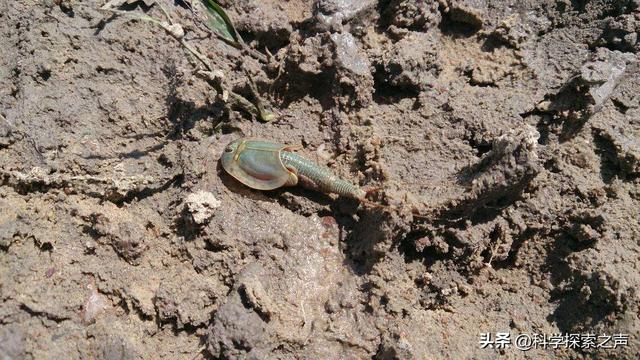
Spiny lobsters are freshwater crustaceans, and you can't see these creatures in the ocean. Moreover, don't think that you can't see three-eyed dragon shrimp in the ocean, they are also very rare in rivers and ponds, only in some standing water for a long time smelly ditch, you can see them. Therefore, three-eyed dragon shrimp that likes to live in such a dirty environment will naturally not be human food, even if humans dare to eat, the bacteria they carry will scare humans to step back.
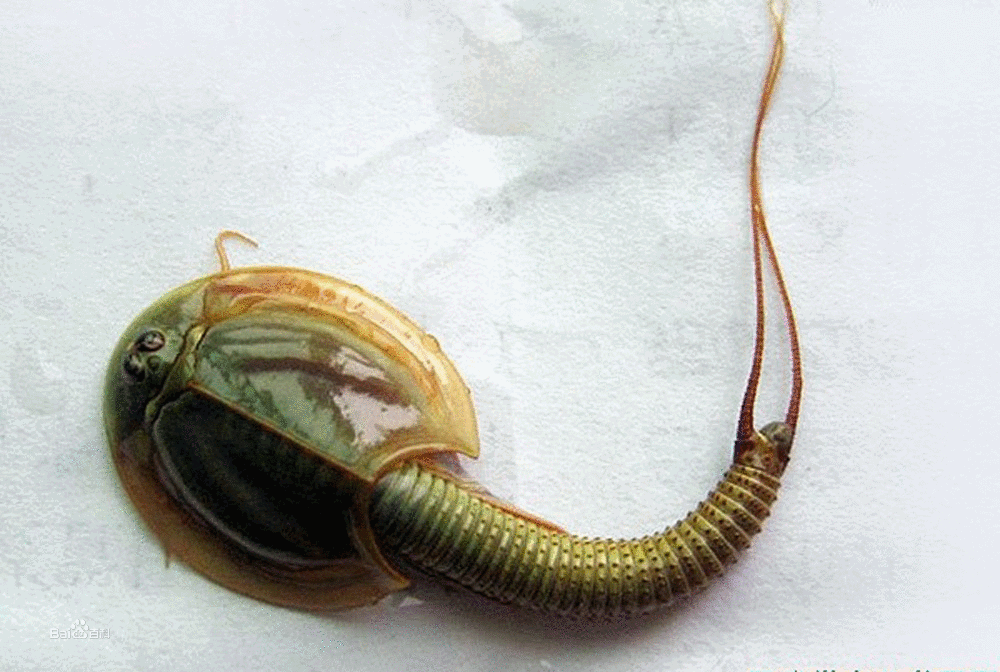
According to data, Three-eyed Dragon Shrimp has been born for 200 million years, it is older than dinosaurs and giant sharks, and it can survive multiple mass extinctions, and it is still alive today. Moreover, from the distribution range of three-eyed dragon shrimp, they have traces all over the world. It is really an object that humans should learn from.
So how did three-eyed dragon shrimp survive the mass extinction?
Scientists have conducted in-depth research on three-eyed dragon shrimp, and the results found that, in addition to the fact that there are few enemies, one of the reasons is that their vernalization period is very long. It is understood that the vernalization period of three-eyed dragon shrimp is as long as 25 years. That is, as long as the eggs of three-eyed dragon shrimp are preserved, even if 25 years pass, three-eyed dragon shrimp can find a suitable environment and hatch. Currently, many people use the breeding method of three-eyed dragon shrimp to raise pets in Japan and Taiwan.
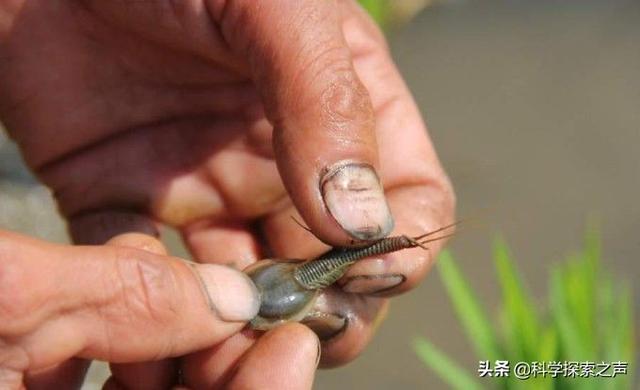
Moreover, the reason why three-eyed dragon shrimp are distributed all over the world now is because of the vernalization period of three-eyed dragon shrimp, even if the dried lake and pond, three-eyed dragon shrimp eggs can adapt, and once it rains, they can be reborn. According to the research of biologists, the growth cycle of three-eyed dragon shrimp is only 3 months, but its growth speed is very fast, when they start to hatch, their daily growth speed is multiplied by increase, and after 30 days, they will smoothly become adults. According to records, the largest three-eyed dragon shrimp can grow to 7.5 cm. For spiny lobsters, this is already a very large size.
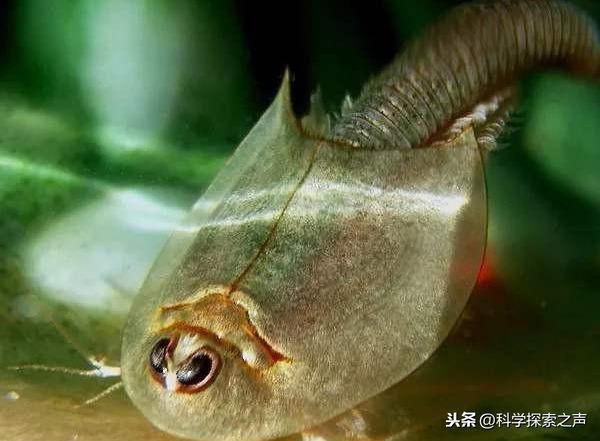
Through the study of three-eyed dragon shrimp, we can draw a conclusion: body size and ability cannot be equated. For example, dinosaurs are very large, but they went extinct in the Cretaceous period, while three-eyed dragon shrimp have small body size, but they can repeatedly pass through mass extinctions and survive. Don't think that small body size is weak. If mass extinction comes again, it might be them who can survive.
(Written by/Lisé, images from the internet, deleted)