Gansu Minshen Stone Sheep River National Wetland Park: Migratory Waterbirds Play the ‘Spring Love Song’
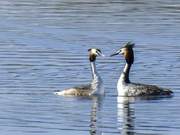
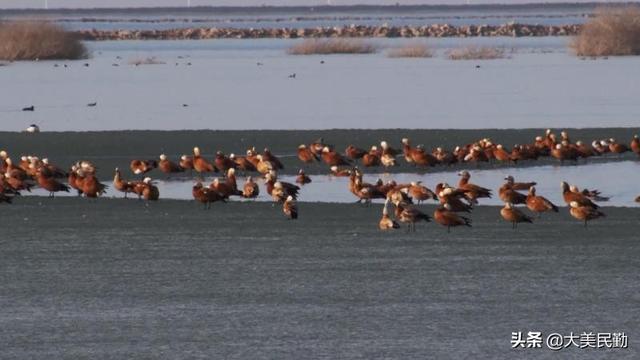
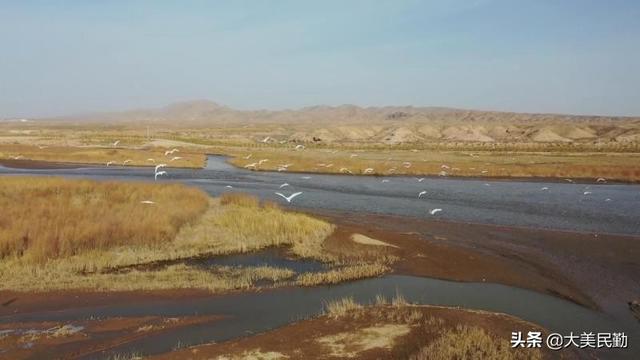
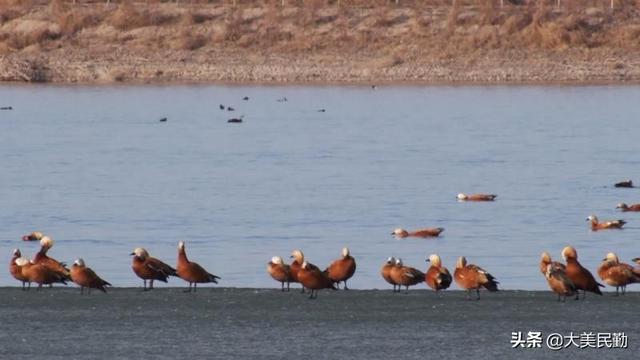
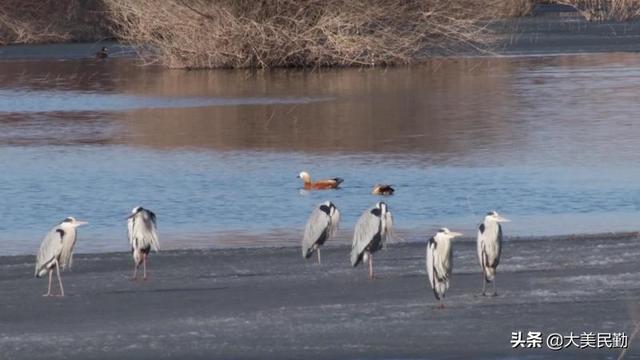
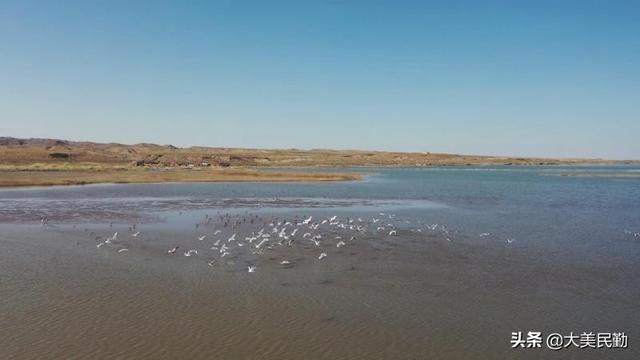
In early March, the grass is sprouting and the swallows are flying. Recently, large numbers of migratory waterbirds have settled and foraged in Gansu's Minshen Stone Sheep River National Wetland Park. The waterbirds either soar in the blue sky or forage in the water, they stroll lazily at times and play in the water at others, with birds chirping, enjoying the spring and playing the 'Spring Love Song' of the migratory bird kingdom.
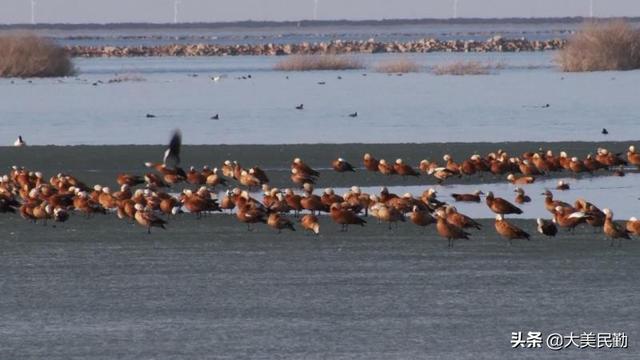
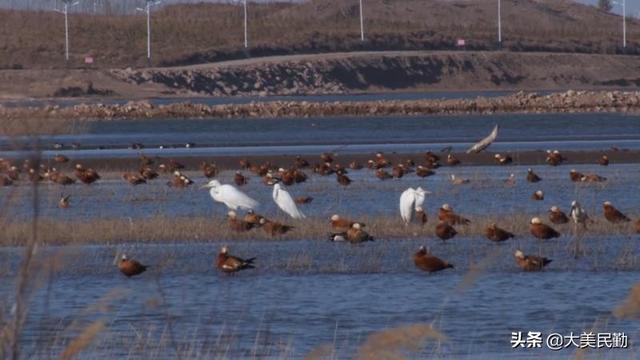
As the weather warms, (), (Bai Wei Hai Diao), (Bai Pi Lu), (Huai He), (Feng Tou Dian Jian), (Chang Lu) such as migratory waterbirds have started their migration journey. Stone Sheep River National Wetland Park, as an important habitat and nutrient replenishment site on two bird migration routes from Central Asia and East Asia to Australia, provides excellent foraging and habitat for passing migratory waterbirds. According to monitoring and statistics by the Minshen Stone Sheep River National Wetland Park Bureau, since March 15th, the wetland waterbird population and numbers have increased significantly, with (), (Huai He), (Da Bai Lu), (Zhong Tou Ou) over 10,000 migratory waterbirds passing through and migrating.
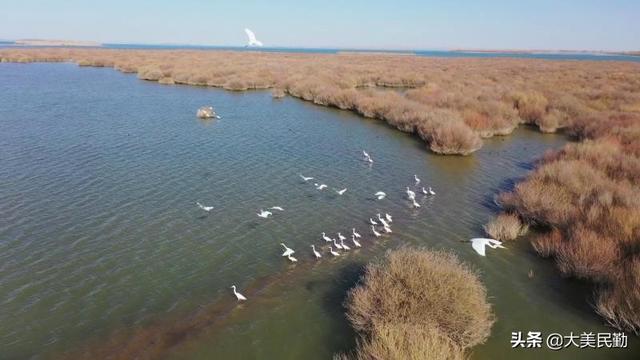
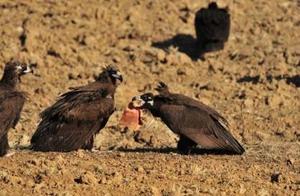
The Mayor of Minshen Stone Sheep River National Wetland Park, Li Wenhua, introduced that with increased water diversion in the outer basin and improved ecological environment, over 20,000 waterbirds, including big ducks, black cranes, and (), annually winter and reside here, becoming a beautiful landscape in the local area.
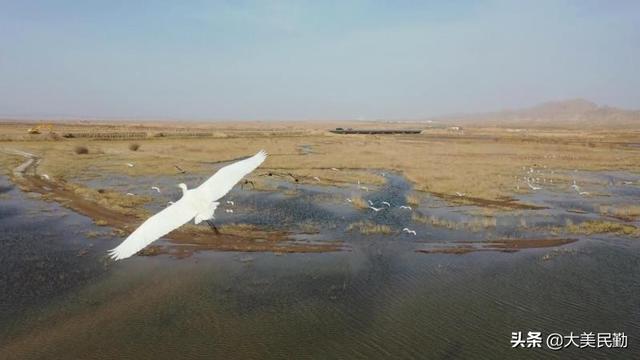
In recent years, Minshen County has continuously increased its ecological construction efforts, strengthened the protection and restoration project of Stone Sheep River National Wetland Park, effectively improving the ecological environment. Currently, Stone Sheep River National Wetland Park covers an area of 6176.2 hectares, maintaining a relatively primitive wetland landscape, with vegetation mainly consisting of reeds, marsh orchids, panic grasses, and rye grasses. The park has become a paradise for various birds, including black storks and white spoonbills, with about 80 species of birds staying and inhabiting the park.

Reporter: Jiang Xinwen, Li Wenxin
Editor: Li Luwen
Responsibility Editor: Jiang Xinwen