Self-Drive Tour of Zhangjiakou (Beijing Area) - 2 Days 1 Night
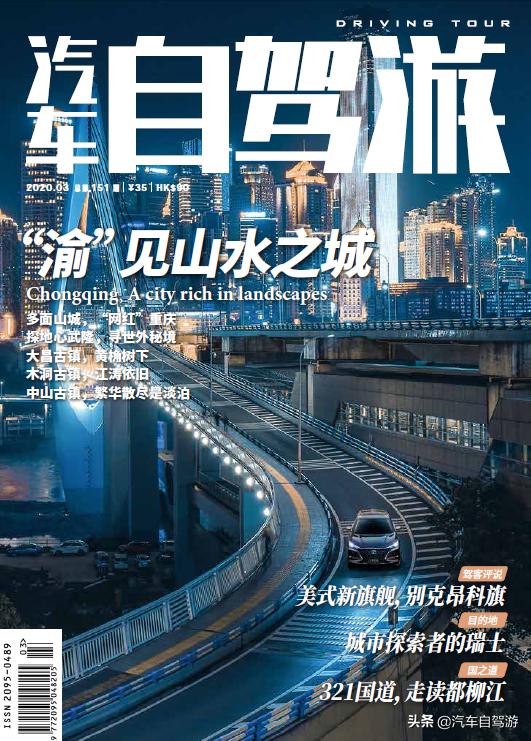
Extracted from 'Automobile Road Trip' Magazine 2020 March Edition
Written by_Yu Liang, Photography_Falling Pillar
Due to Zhangjiakou's proximity to Beijing, it has historically been the administrative center of Juhou (Beijing) to the northwest, particularly during the Jin Dynasty when the capital was relocated to Zhongdu. Zhangjiakou's strategic importance was further enhanced. Historically, Zhangjiakou served as the capital of the Chahar Province and the capital of the Inner Mongolia Autonomous Region, and was the starting point of the 'Northern Silk Road' – the Zhangku Great Highway.
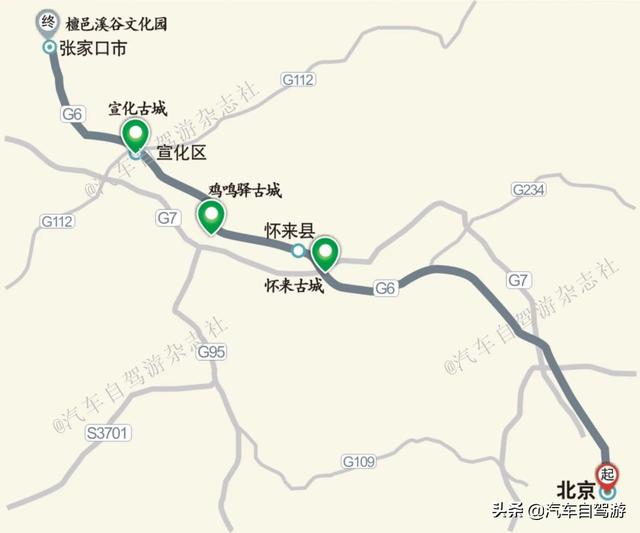
Route:Beijing—205 km—Zhangjiakou City
Mileage:Approximately 205 km one way
DAY1: Leisure Culture Garden
Beijing—205 km—Zhangjiakou City
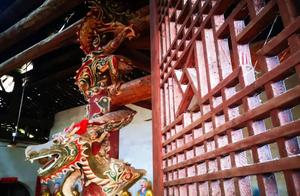
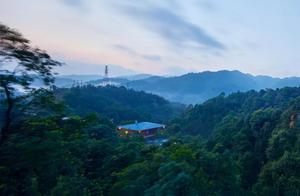
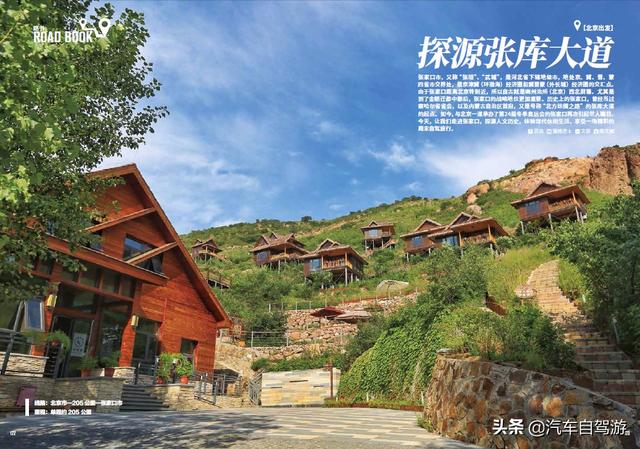
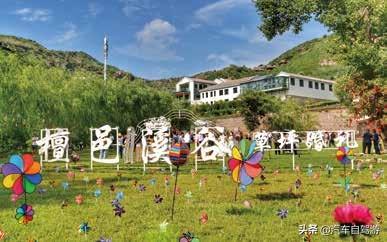
After breakfast, depart from Beijing's urban area via the G6 Beijing-Tibetan Highway to Zhangjiakou City, and then to the Tan Yi Village Valley Culture Garden, located 6 kilometers north of the city. The Culture Garden is a health and wellness destination, where you can visit or participate in various leisure activities at attractions such as the Bo Yi Hall, the plantation, the handmade tofu and vinegar workshop, the fishing garden, and the meditation retreat. You can also visit the Zhangku Great Highway History Museum to learn about the history and culture of the Zhangku Great Highway. That night, you will stay at the Tan Yi Village Valley Culture Garden Wooden Villa Hotel
Key Attractions Overview
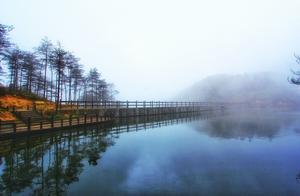
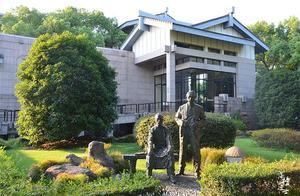
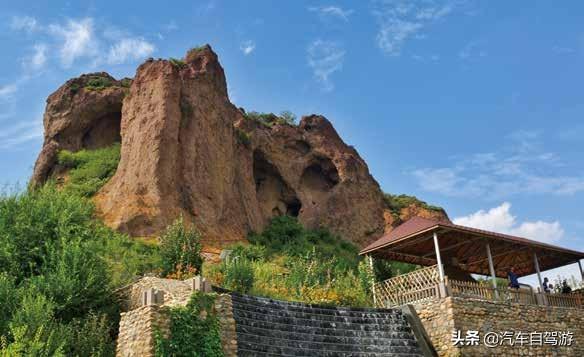
- Tan Yi Village Valley Culture Garden:Historically, Tan Yi Village Valley was known as 'Zhangku Great Highway Station One' due to the caravans that used to pass through it to take water and rest. The Culture Garden covers an area of approximately 300 acres and includes attractions such as the Zhangku Great Highway History Museum, the specialty restaurant 'Lotus Court', original ecological wooden villas, the Time Hotel, independent courtyard houses, Tan Yi Hui, Bo Yi Hall, plantation, handmade tofu and vinegar workshop, fishing garden, meditation retreat, and natural landscapes such as Sleeping Buddha, Strange Mountain, and Tanquan Spring
What to Eat?
Restaurants in the park offer a variety of northern and southern Chinese cuisines, as well as local Zhangjiakou specialties. Recommended Zhangjiakou local specialties include Zhangjiakou Eight Big Bowls, Ji Gou Fort Smoked Meat, Zhou Jia Shan Cakes, Honey Cakes, Roasted North and South, and Oolong Noodles with Meat
What to Buy?
Zhangjiakou specialties include: Shiitake Mushrooms, Broad Bean Leaves, High-Quality Rice, Large Apricots, Milk Grapes, Smoked Meat, Waian Tofu Skin, Horse Milk Wine, etc.
Zhangku Great Highway
The Zhangku Great Highway started from the strategic town of Zhangjiakou and connected to the city of Ulaanbaatar (formerly known as Kuleen) in the Mongolian grasslands, extending to the Russian city of Chakto. It is over 1,400 kilometers long and is known as the 'Northern Silk Road'. The history of the Zhangku Great Highway dates back to the Han and Tang Dynasties. After the opening of the Jing Zhang Railway and the Zhangku Road, Zhangjiakou's trade development with Kuleen and Russia reached its peak. Zhangjiakou became a renowned 'land port' in China and was given the title 'Dry Dock'
DAY2: Emu Road Ancient City
Zhangjiakou City—205 km—Beijing
This morning, after breakfast at the hotel, set out to return to Beijing along the original route. Drive approximately 55 kilometers along the G6 Beijing-Tibetan Highway to the exit of Jing Zhang/ Highway, then to the Chicken Cry Emu Road Ancient City for a visit. The visit to the Chicken Cry Emu Road Ancient City takes about 2-3 hours. Have lunch at the ancient city, then return to Beijing's urban area along the G6 Beijing-Tibetan Highway
Key Attractions Overview
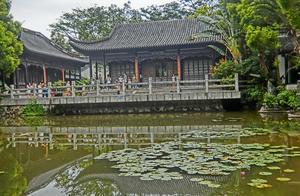
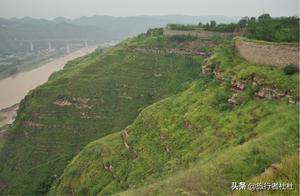
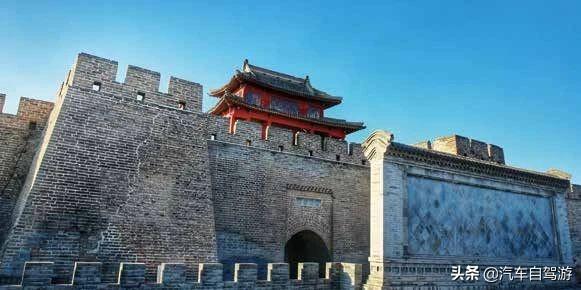
- Chicken Cry Emu Road Ancient City:The Chicken Cry Emu Road Ancient City is located in Chicken Cry Emu Village, Wairai County, Hebei Province. It is a preserved station ruin dating back to the Ming Dynasty. The ancient city covers an area of 220,000 square meters, with a city wall perimeter of 1891.8 meters. There are currently 17 temples within the city, making it the largest and most characteristic postal and messenger building group in China. The city is divided into 12 areas by five roads that intersect. The ancient city is known for its excellent preservation
What to Eat?
Due to its location at the junction of Beijing, Hebei, Shanxi, and Mongolia, the Chicken Cry Emu Road Ancient City's cuisine features characteristics of four provinces and cities: Oolong Noodles with Meat and various lamb dishes are local recommendations.
If there are any omissions or errors, please kindly correct them.
Text and Pictures Copyright Original Author, Please Do Not Reproduce Without Permission
To protect the copyright of the original author, this article only uses small maps for illustration
Welcome to follow 'Automobile Road Trip' Magazine for full texts, beautiful pictures and maps
For more self-driving travel information and exchanges, please follow the headline number 'Automobile Road Trip'