Everyone in Yunnan County Loves to Eat Grilled Stinky Tofu; 50 Cents Each, Featured on China’s Kitchen
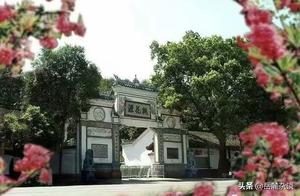
Located in Yunnan Province's Red River Autonomous Prefecture of Hengduan Mountain, Jianhe County is a city with a long and rich history. Besides the Confucian Academy and the Temple of Confucius, Jianhe tofu is the most famous product. It's said that tofu is an integral part of Jianhe, and whenever you mention Jianhe, it's invariably followed by the two words 'tofu,' seemingly inseparable. What accounts for Jianhe people's love for tofu? Because the water in Jianhe is excellent, and the tofu made from it has a unique flavor. Due to its distinctive production techniques and eating methods, Jianhe tofu has become a representative of Jianhe.
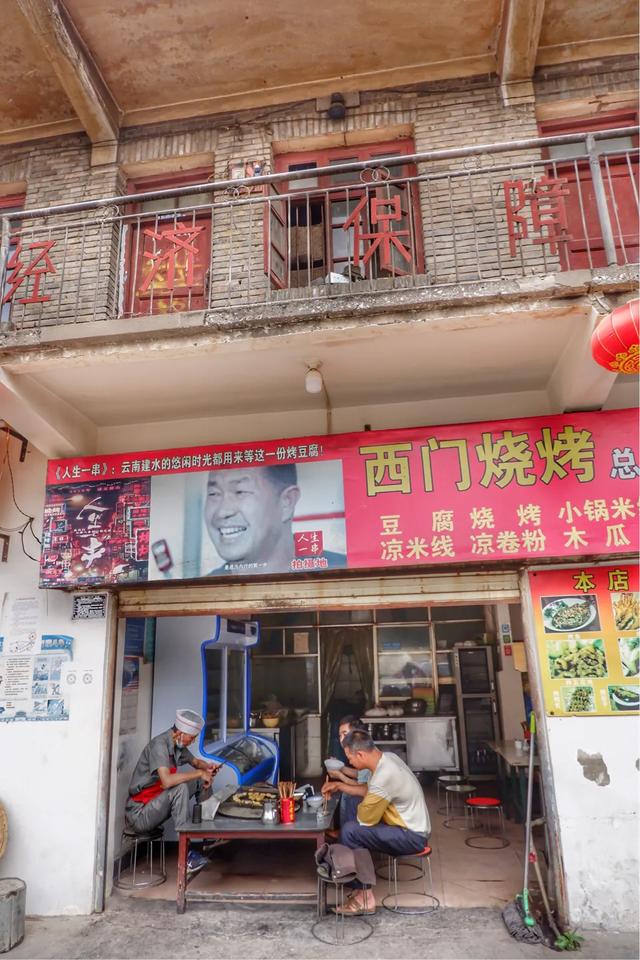
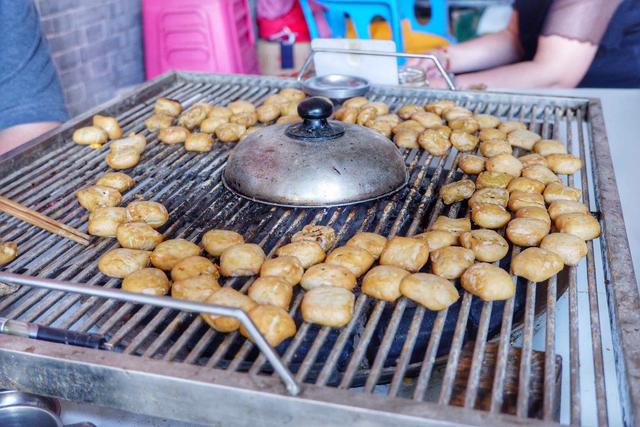
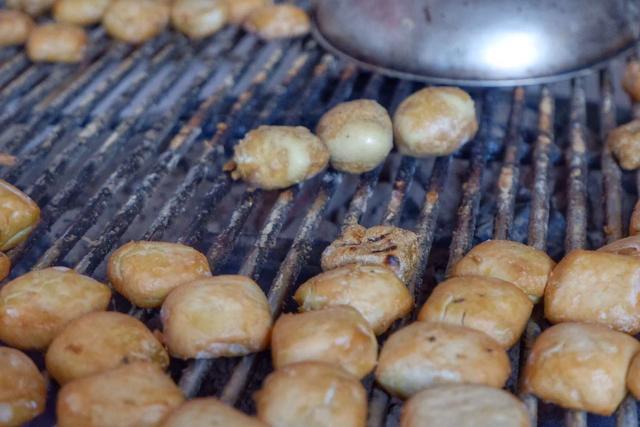
Whether it's in the morning, afternoon, or evening, you can always find people eating tofu in the commercial streets of the old Jianhe city, in the dilapidated alleyways and small shops. A charcoal grill filled with square tofu, a quantity just enough for one bite. The vendor places the tofu around the grill, baking it until it expands, and then offers it to diners. The diners are mostly strangers, waiting for the tofu to heat up, dipping it in sauce and putting it in their mouths, accompanied by crispy tofu and various conversations.
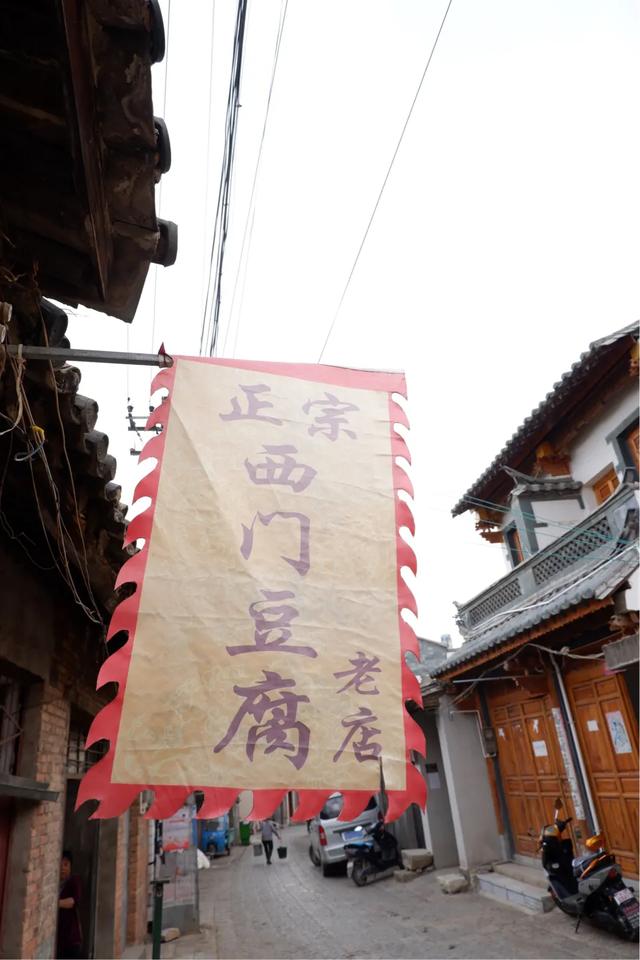
Now that you've arrived in Jianhe County, it's a must to try this centuries-old flavor. Even 'China's Kitchen' filmed here. The best place to try Jianhe tofu is at West Gate. West Gate has a hundred-year-old well. Legend has it that the tofu from West Gate is made with this well water. The water is pure and refreshing, and when used to make tofu, it ensures the best taste.
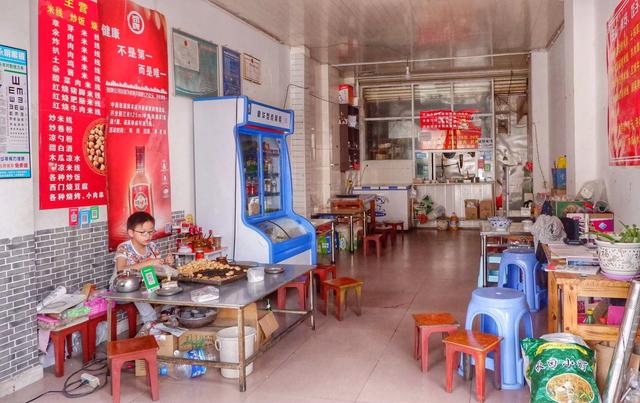
West Gate is already the edge of the old Jianhe city, and here the houses are old and dilapidated. You can see tofu workshops, stalls, and barbecue shops by walking through the narrow alleyways. Try Jianhe tofu for the first time like a local. After fermentation, Jianhe tofu is actually stinky tofu, with a fishy fragrance. When smelling it, it's stinky, and when eating, it's fragrant. Unlike Changsha and Shaoxing stinky tofu, Jianhe tofu has a firmer and denser texture, which is baked on charcoal, expands slightly, and has a crispy surface and a soft interior with a chewy texture. Paired with sauce and chili powder, it's rich in flavor, spicy and crispy, and hard to stop eating.
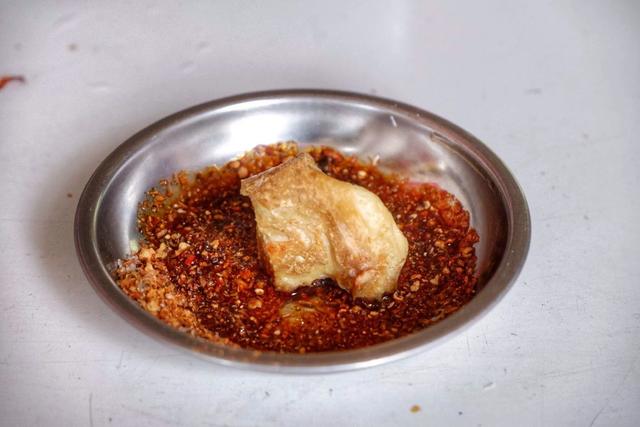
One after another, people often forget the number, and the shopkeeper will use their own method to calculate, such as putting beans and corn in front of each guest, and one bean plus one corn, they will calculate it this way. A piece of tofu costs 50 cents, and the diners all eat heartily. Ultimately, it's because of the alluring taste of Jianhe tofu that it flourishes throughout the city, no matter where you go, if you want to eat tofu, you'll always find a shop grilling it.
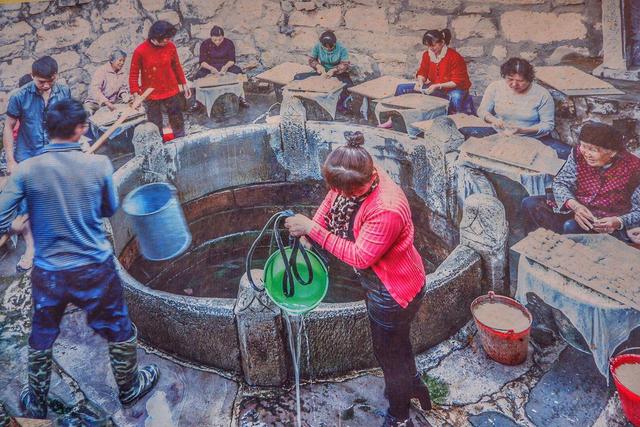
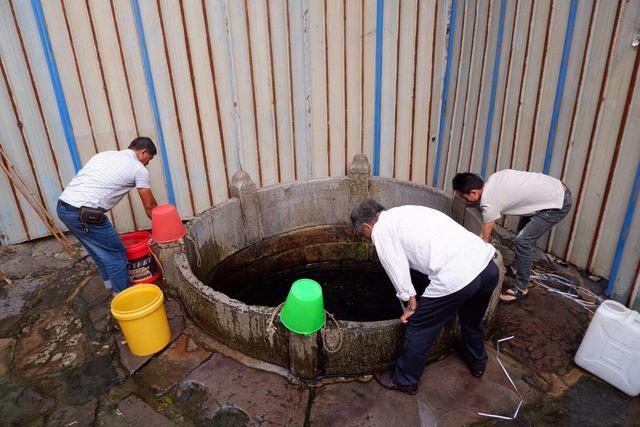
After trying the West Gate tofu, you also want to see what magical things the source of tofu making has. Following the street downwards, you arrive at the West Gate Tofu Well Lane located on West Street. This well was originally named Pu Bo Well, taken from the Confucian classic 'Analects,' 'Pu Bo Yuan, and at times, it flows out of it.' It was built during the Ming Dynasty's Hongwu years. The locals call it the Big Stone Well, and the well is made of six large stone slabs and six stone pillars, with a diameter of 2.7 meters. The water is sweet and clear, and it's taken only when it's full. Hundreds of years ago, the Big Stone Well witnessed the changes of the old Jianhe city.
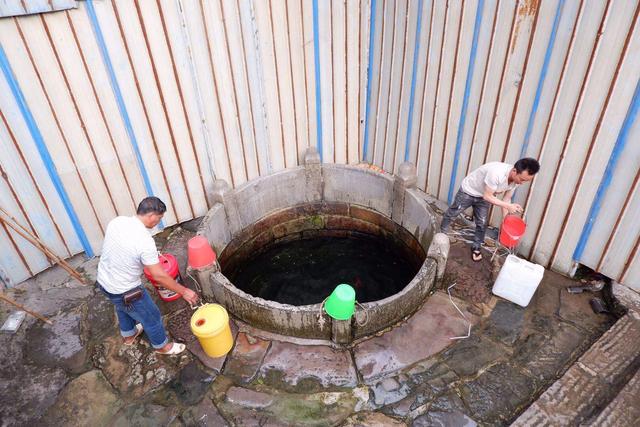
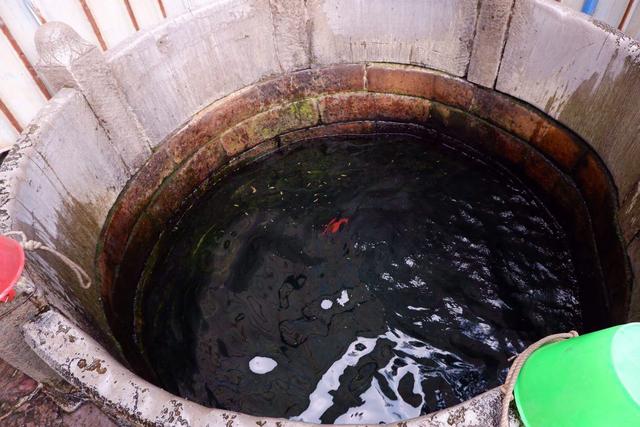
People rely on this old well, and to this day, residents come to take water from it every day. There's a public bucket on the well, and the amount taken is taken in batches. The water taken up cannot be poured back in, which is a customary rule for the residents. The water from the Big Stone Well is unique and used to make Jianhe tofu. Around the Big Stone Well are tofu workshops that rely on it, and generations of residents have made a living by making tofu.
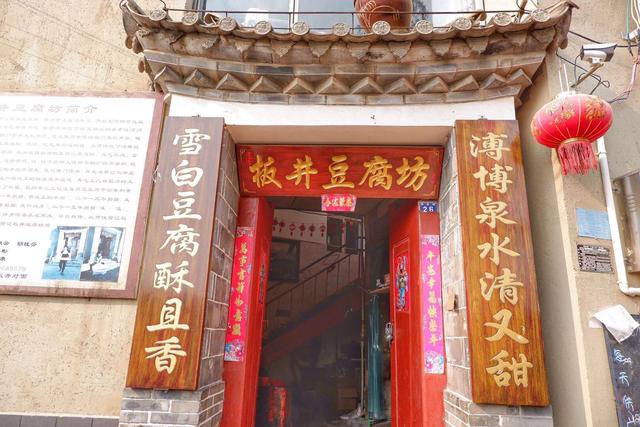
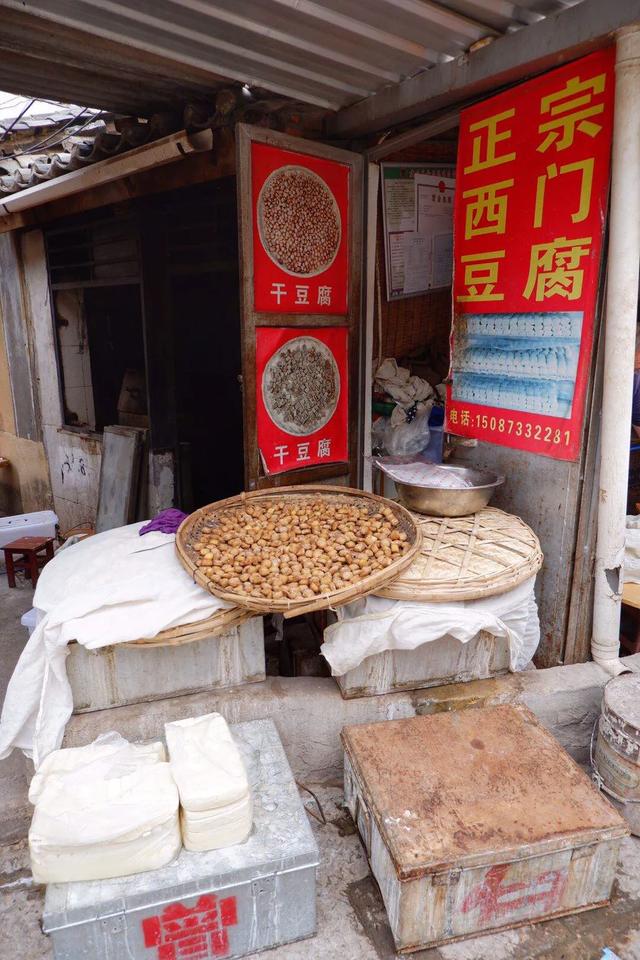
Legend has it that Jianhe tofu's origin is because a mother prepared tofu for her son, who was traveling, and it became moldy and rotten. The son didn't want to throw it away, so he baked it on a charcoal grill and ate it, thus creating Jianhe's stinky tofu. Therefore, in addition to the usual pressing, Jianhe tofu needs to sprinkle a little salt, expose it to the sun until the moisture dries, and slightly ferment, before becoming the square tofu on the charcoal grill and in the mouths of diners.
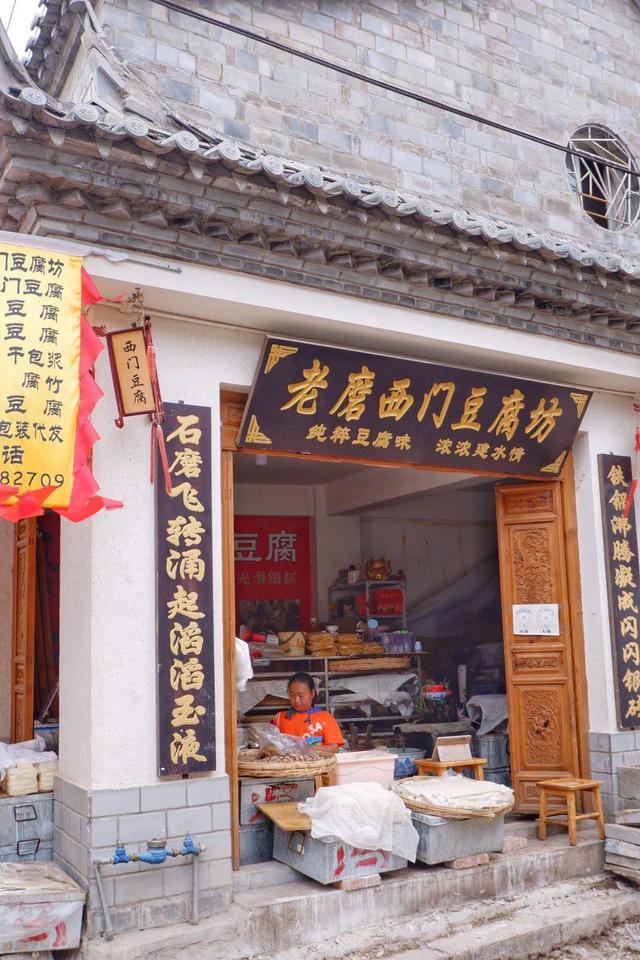
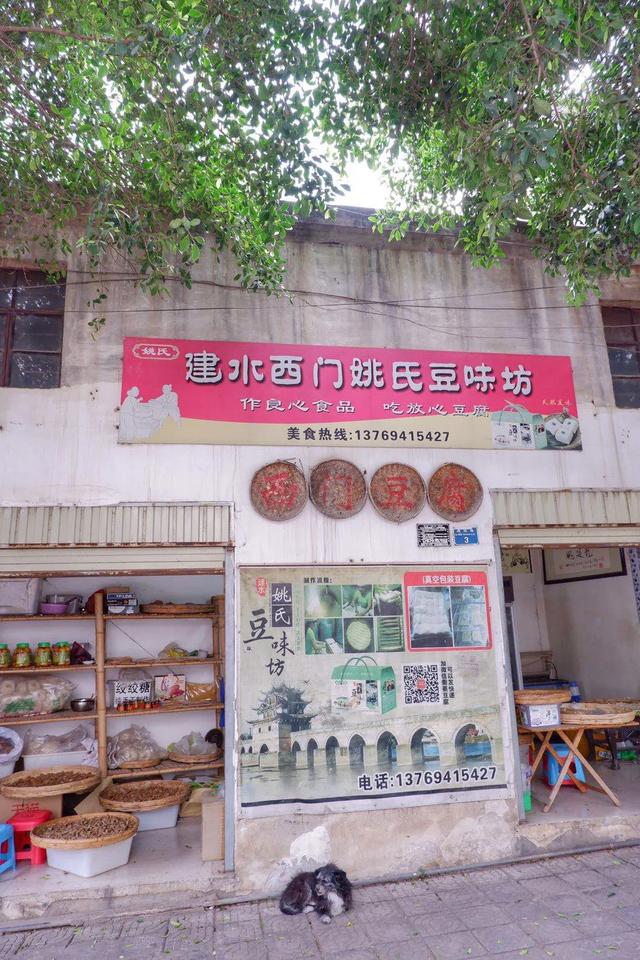
Jianhe tofu's time-honored flavor has been passed down to this day, and it can be seen from this old well. The source of water for making tofu has never changed, and the traditional craftsmanship has been passed down through generations. Jianhe tofu's reputation is due to its unchanging quality and taste being passed down.